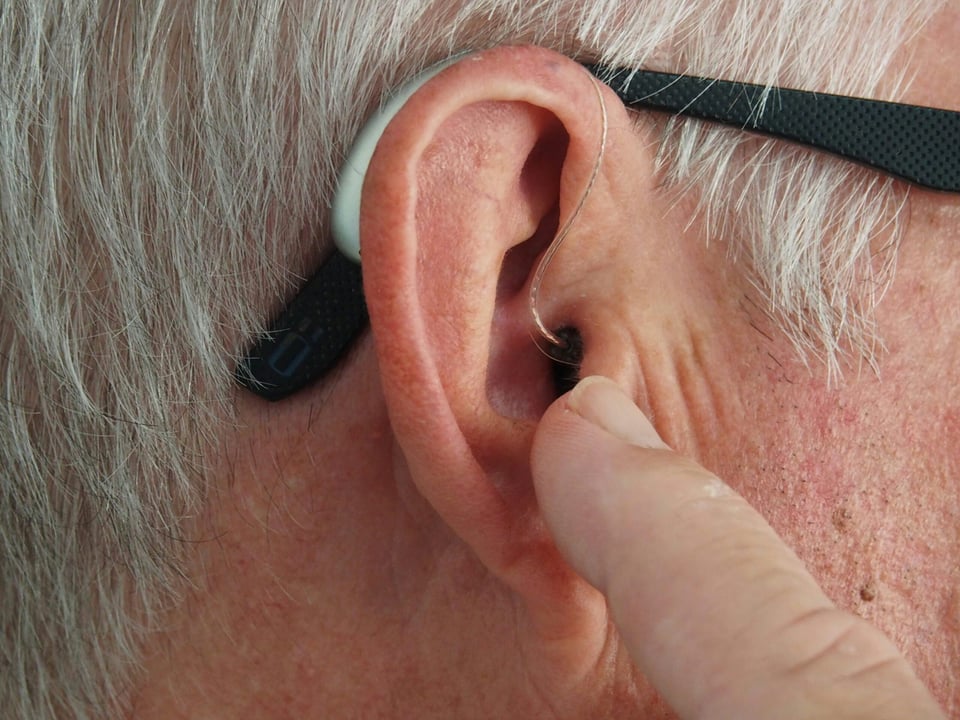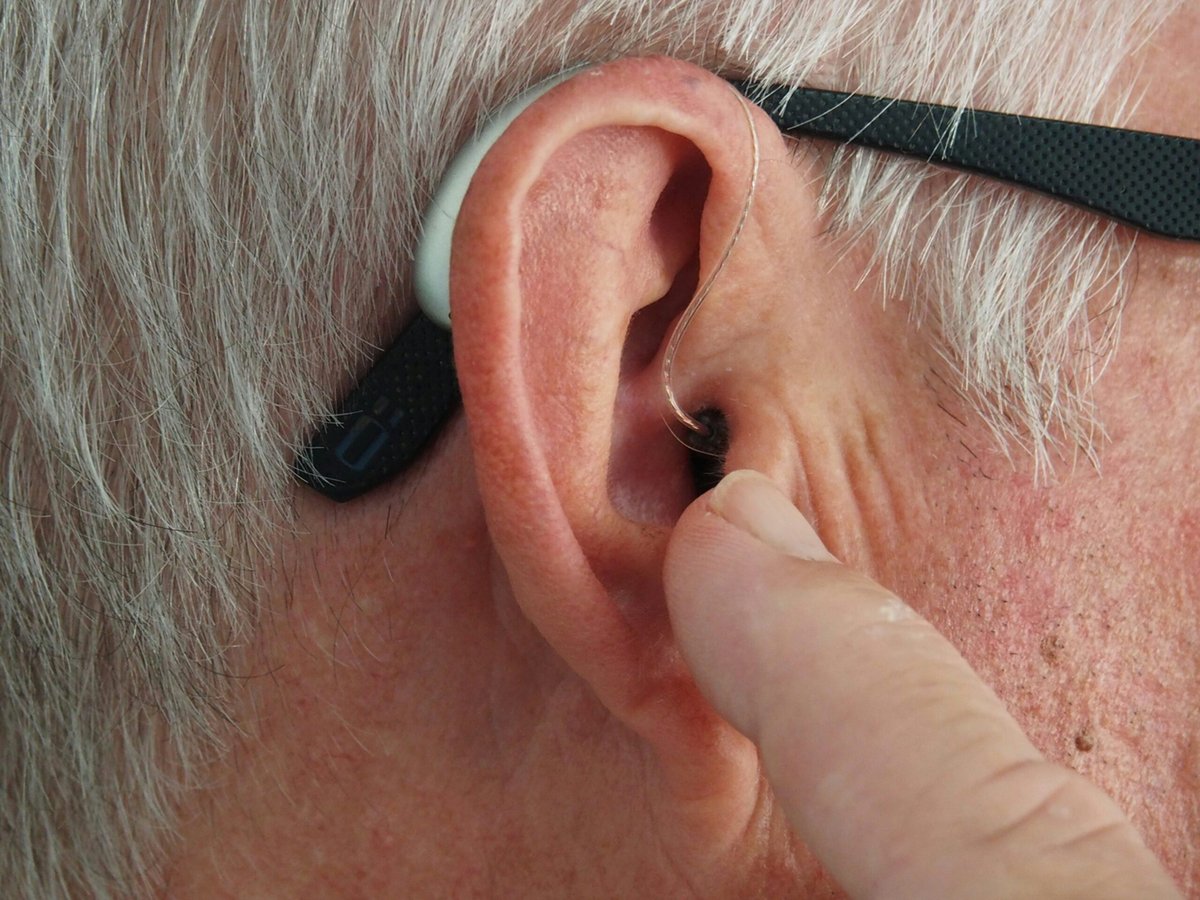

No, you shouldn’t wear your hearing aids to bed. Standard hearing aids aren’t designed for sleep wear—they create feedback when pressed against pillows, trap moisture and earwax against the ear canal for hours, and the constant amplification serves no purpose when you’re unconscious. I’ve seen countless patients create expensive problems by sleeping in devices that cost thousands of dollars, from corroded battery contacts to impacted wax requiring microsuction.
But that straightforward answer doesn’t address why people ask this question in the first place. After fitting hearing aids for two decades, I’ve learned that when someone asks whether they should wear hearing aids while sleeping, they’re usually asking something else entirely: “How will I hear my alarm?”, “What if there’s an emergency and I can’t hear?”, or most commonly, “My tinnitus is unbearable in the quiet—what do I do at night?”
Let’s address the actual concerns.
Why Standard Hearing Aids Aren’t Built for Sleep
Hearing aids are precision electronic devices designed for daytime wear in upright positions. When you lie down with them in, several problems emerge immediately.
The acoustic feedback issue is the first thing patients notice. Modern hearing aids use sophisticated feedback cancellation algorithms, but these systems assume the device sits in an unobstructed ear canal. Press a hearing aid against a pillow and you create a reflective surface that sends amplified sound straight back into the microphone. The resulting whistle is loud enough to wake you—and often your partner. The feedback manager tries to compensate by cutting gain in the affected frequencies, which means even if you could tolerate the squealing, the device stops working properly anyway.
Comfort is another matter entirely. Behind-the-ear (BTE) models have hard plastic bodies and tubing that dig into the side of your head under pressure. Custom in-the-ear shells are moulded to your canal, yes, but they’re rigid acrylic. Wear them for eight hours while lying on your side and you’ll wake with a sore ear canal, potentially with pressure marks or irritation to the cartilage. I’ve had patients present with auricular chondritis—infection of the ear cartilage—from extended wear, and it’s not something you want to experience.
Then there’s the moisture problem. Your ears produce more cerumen (earwax) when something occupies the canal for extended periods. It’s a natural protective response. Combine that with the humidity from eight hours of body heat and you create an ideal environment for wax to soften and migrate deeper into the device’s sound outlet. Receiver-in-canal (RIC) devices are particularly vulnerable because the receiver sits directly in the ear canal. Moisture entering through the wax guard will corrode the receiver armature, resulting in distorted sound or complete failure. This isn’t covered under warranty because it’s damage from misuse, and a new receiver costs $250-400.
Battery-powered devices pose their own risk. Leave a zinc-air battery in overnight, every night, and the extended exposure to moisture accelerates corrosion of the battery contacts. I’ve seen otherwise well-maintained hearing aids require full case replacements—a $600-800 repair—purely from sleep wear habits. Rechargeable models fare slightly better, but the lithium-ion cells have a finite number of charge cycles. Using them 24/7 rather than the intended 16-hour day means you’ll exhaust the battery’s lifespan proportionally faster.
The Real Question: What About Emergencies and Alarms?
This is the legitimate concern, particularly for people who live alone. If there’s a fire, a break-in, or a medical emergency, how will you know?
The honest answer is that most profoundly deaf people have managed this long before hearing aids existed, and there are better tools for the job. Specialist alerting devices exist specifically for this purpose. Smoke alarms with bed-shaker pads (connected via vibration units under the mattress or pillow) are widely available and meet Australian Standards for accessibility. Visual alert systems flash high-intensity LEDs when the doorbell rings or an alarm triggers. These work regardless of hearing loss severity, don’t require you to be wearing any device, and cost between $150-600 for a comprehensive home system.
For alarm clocks specifically, vibrating alarm watches or bed shakers designed to work with smartphones are far more reliable than assuming you’ll hear an audible alarm with hearing aids in. Even with properly fitted aids, a sleeping brain is a sleeping brain—you’re less responsive to all stimuli.
If you’re a light sleeper with mild to moderate hearing loss, you may well hear a smoke alarm or loud knocking without hearing aids. Standard Australian smoke alarms emit 85-90 dB at three metres, which is loud enough to penetrate significant hearing loss, particularly the low-frequency emphasis of alarm sounds. Test this while you have capacity—set an alarm in the afternoon, remove your hearing aids, and see whether you can hear it from your bedroom.
Tinnitus: The Real Reason People Want to Sleep in Hearing Aids
When I ask patients why they want to keep their aids in overnight, tinnitus comes up in about 70% of cases. The condition is worse in quiet environments—that’s when the phantom sound becomes impossible to ignore. If your hearing aids provide tinnitus masking during the day, it’s logical to want that relief to continue at night.
Some manufacturers have recognised this. Phonak’s Audéo Lumity platform includes a ‘Sleep’ program that’s genuinely designed for overnight use with specific modifications: reduced gain (you don’t need full speech amplification while sleeping), active masking sounds (white noise, ocean sounds, or other broadband stimuli), and altered feedback management. Widex has similar offerings in their Moment series. These aren’t standard programs—they’re purpose-built for the supine position and intended for tinnitus management, not hearing.
Even with these features, I’m cautious about recommending overnight wear. The moisture and comfort issues remain. But for patients with severe tinnitus that prevents sleep entirely, a device with a proper sleep program may be justified. We fit these rarely, perhaps a dozen times a year, and only after trying every other option first.
Those other options are considerably simpler and cheaper. A bedside sound machine costs $50-200 and produces tinnitus-masking sound without anything in your ears. Smartphone apps like myNoise or Resound Relief offer customisable soundscapes—many patients find that rain sounds or brown noise at low volume takes the edge off tinnitus enough to sleep. Some people find relief with a bedroom fan, not for temperature but for the broadband noise.
If you need structured tinnitus support, that’s a separate clinical pathway. Our tinnitus service includes detailed assessment, Tinnitus Handicap Inventory scoring, and development of comprehensive management strategies that might involve hearing aids, sound therapy, cognitive techniques, or referral to tinnitus-specialised psychologists. It’s not something solved by just leaving your hearing aids in overnight.
When You Actually Need Sound at Night
There’s a cohort of patients who genuinely need auditory awareness overnight: parents of young children, carers for elderly family members, people with specific anxiety disorders where auditory isolation triggers panic.
For these situations, consider whether you need full hearing aid amplification or just basic sound awareness. A simple pillow speaker connected to a baby monitor or bed-partner alert system might meet the need more safely. Some patients keep one aid in on the exposed ear when sleeping on their side—not ideal, but less problematic than bilateral wear.
If you’re using hearing aids specifically because you need to monitor someone overnight, have an honest conversation with your audiologist about the limitations and risks. We can often find a middle-ground solution—perhaps a sleep-safe custom earpiece with minimal electronics, or adjusting expectations about what’s genuinely necessary versus what anxiety tells you is necessary.
Take your hearing aids out at night. Store them in a proper dehumidifying case (not the bathroom—moisture) with the battery doors open or on the charging dock. Give your ears a chance to breathe, stay dry, and self-clean.
If you’re worried about safety, invest in proper alerting technology. If tinnitus is the issue, try bedside sound masking first and consider a tinnitus-specific consultation if that’s insufficient. If you have genuine overnight monitoring needs, discuss this specifically with your clinician rather than improvising a solution that might damage expensive devices or your ear health.
The exception—a hearing aid with a manufacturer-approved sleep program for tinnitus management—is just that: an exception requiring specific fitting considerations. It’s not a general-use solution, and it’s certainly not something to attempt with standard hearing aid programs.
*This is general information based on clinical experience. Individual circumstances vary. If you have specific concerns about overnight hearing needs or tinnitus management, book a consultation to discuss your situation properly.*