
Epping Children’s hearing tests
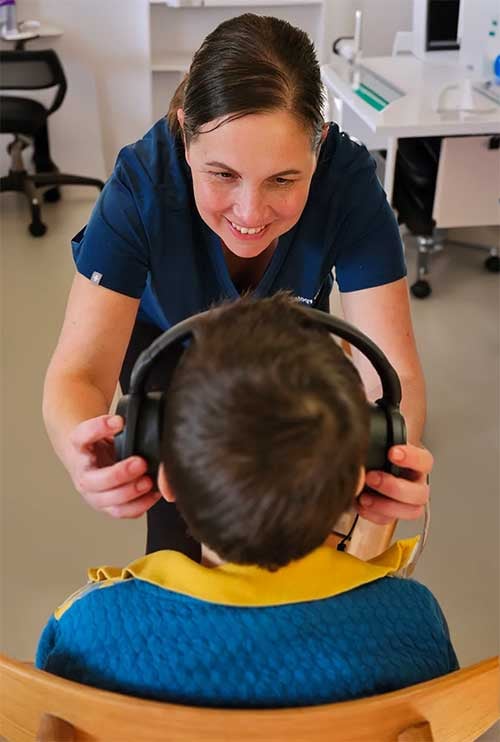
Hearing assessments for children, from 6 months of age, are a specialised area and should be conducted by an experienced Audiologist. Our Audiologist, Dr. Signe Steers, has almost 20 years of experience conducting paediatric hearing tests. At the Audiology Place, we are fully equipped with a paediatric soundproof testing room and state-of-the-art testing equipment. The Audiologist will use specific questions to gather information relating to your concerns, your child’s history of general health and development, as well as ear health and hearing healthcare to date.
Your local independent hearing specialists for children and adults in Epping & Forestville
- Comprehensive hearing assessments for children from 6 months of age through to adults
- Paediatric hearing tests, including assessment of hearing concerns, speech and language development, classroom difficulties and middle-ear function
- Adult diagnostic hearing assessments, hearing aid services and tinnitus support
- Microsuction earwax removal for children and adults
- Advanced testing available, including tympanometry, acoustic reflexes and otoacoustic emissions
- Appointments available at our Epping and Forestville clinics
- Medicare rebates available for eligible referred patients
- Independent, specialist audiology care focused on accurate diagnosis, early identification of hearing problems and clear guidance for families
Shop 3, 22 - 28 Cambridge Street, Epping, NSW, 2121
We are on Cambridge Street, in Epping, near the train station. We are close to Eastwood, Ryde, Dundas and Carlingford.
Parking
There is timed parking right out the front, and room for a taxi to pull up. Alternatively, there is ample parking under the Coles.

Complex Tests
With over 20 years' experience working with children, our doctor has a range of techniques for dealing with complex diagnostics. Our rooms are designed to ensure the most accurate results for a range of paediatric hearing issues.
Sound Treated Rooms
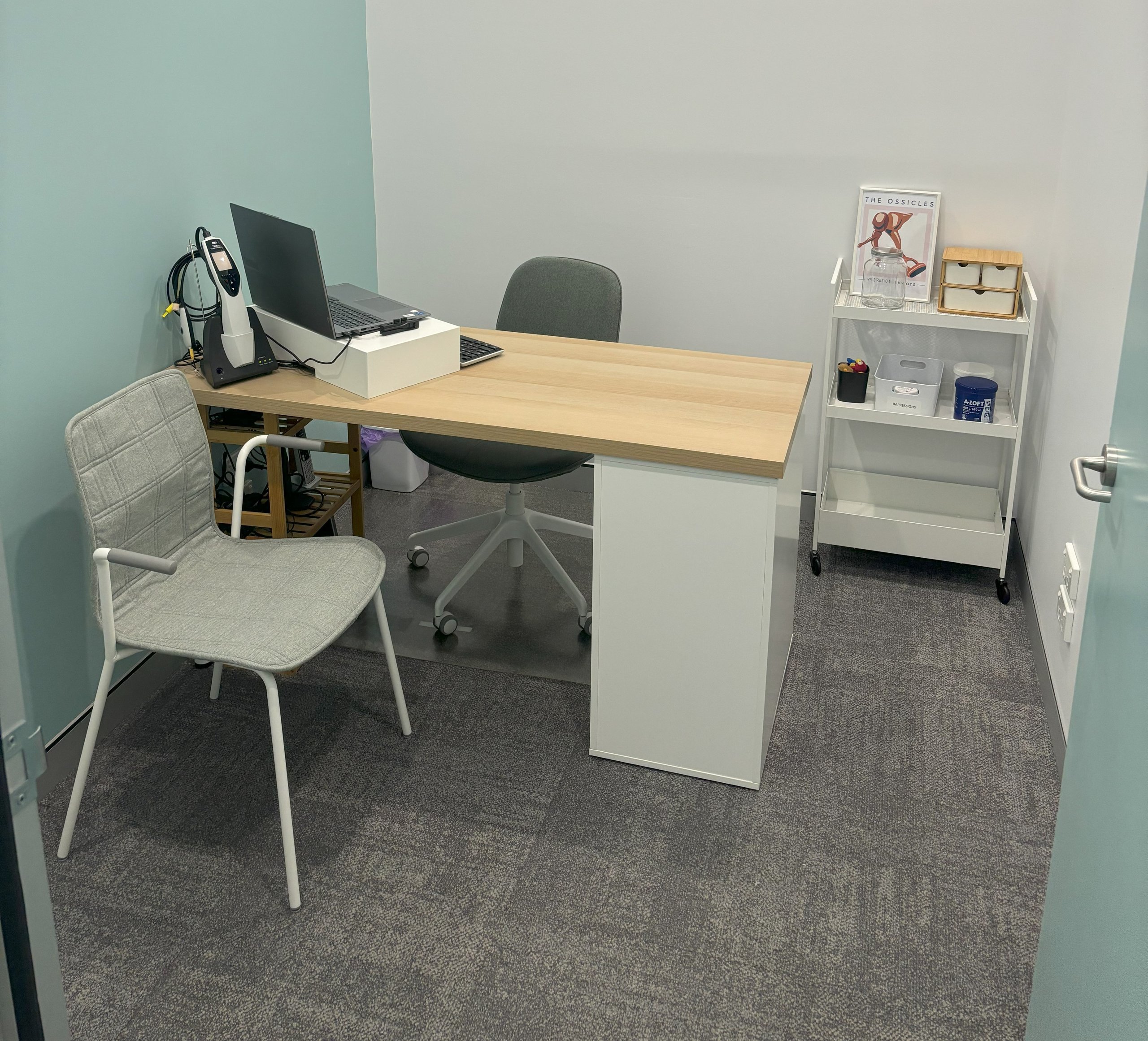
With sound treated rooms, we don't need to put your children in a booth or treat them outside of your supervision. You can sit there with them while we test them.
Auditory Processing
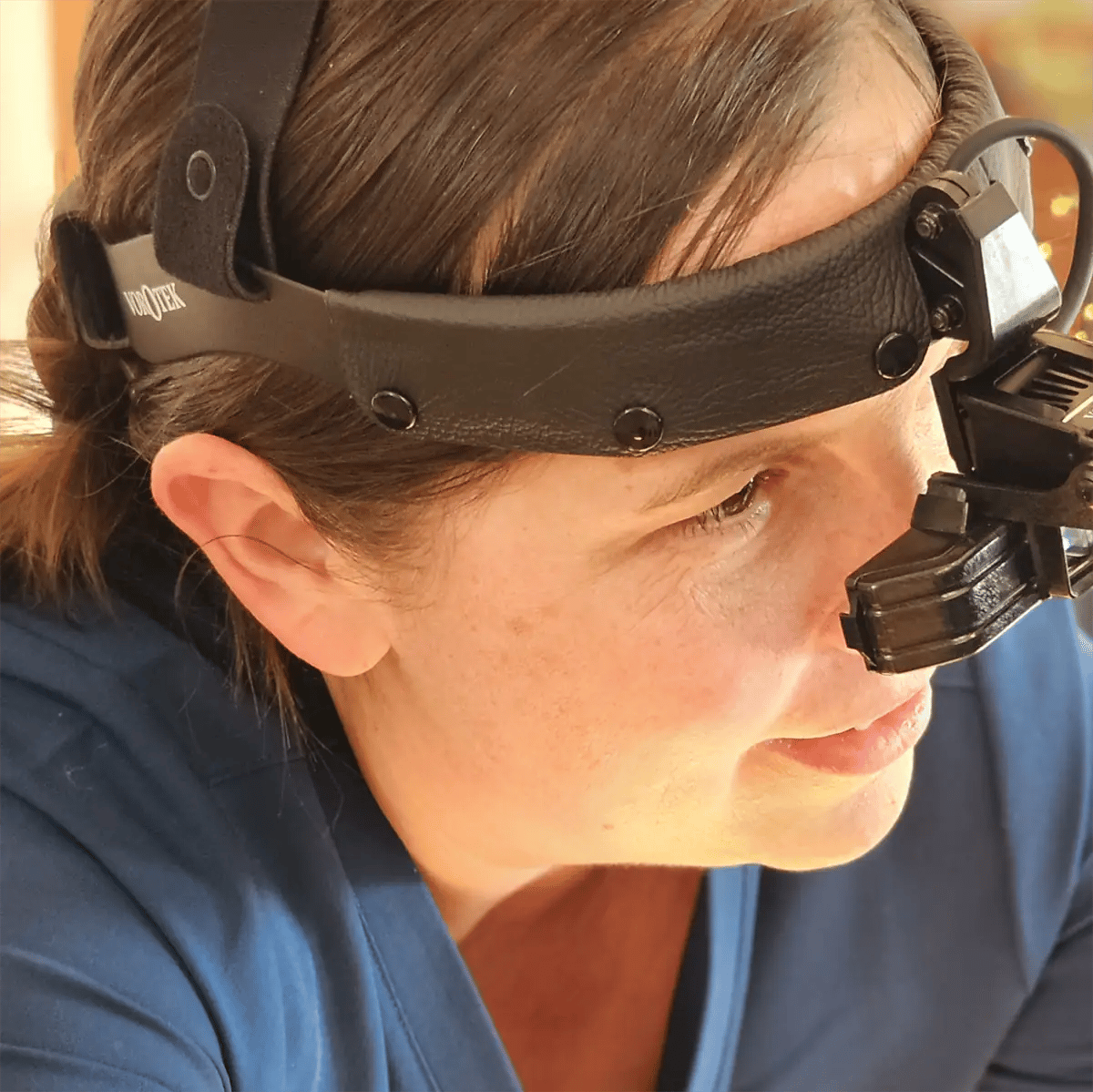
We have experience diagnosing APD and other speech discrimination issues. If your child is having issues in the classroom, we can help get them on the path to rehabilitation.
Wax Removal
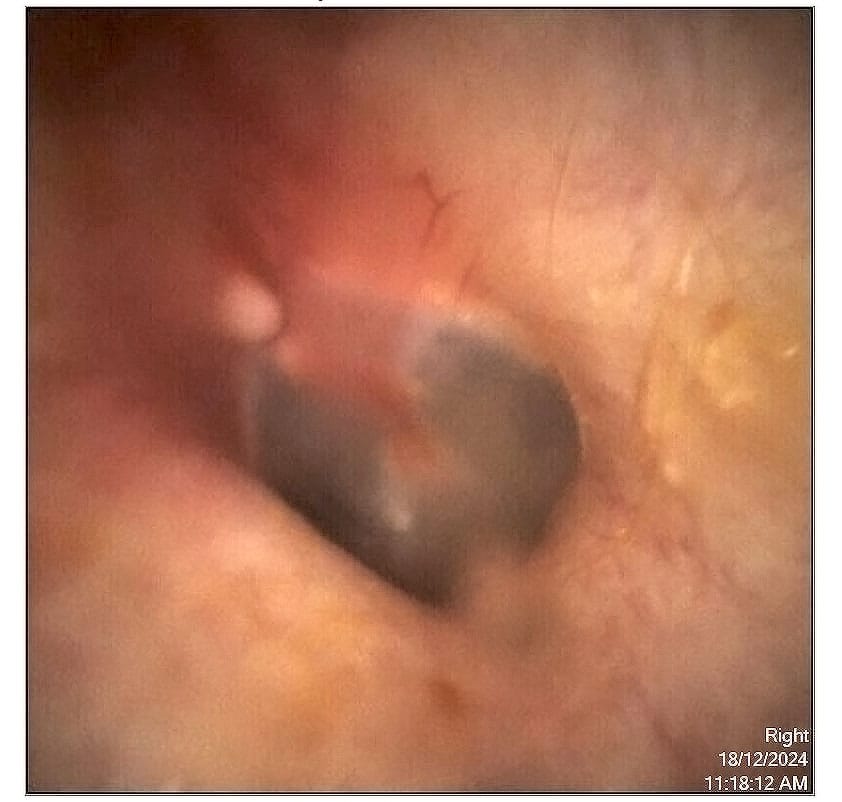
With our special microsuction device we have had a lot of success removing wax from children's ears
Medicare Rebates
As a member of Audiology Australia you may be entitled to some medicare rebates. Up to $106 can be claimed in some circumstances.
From 6 Months Old
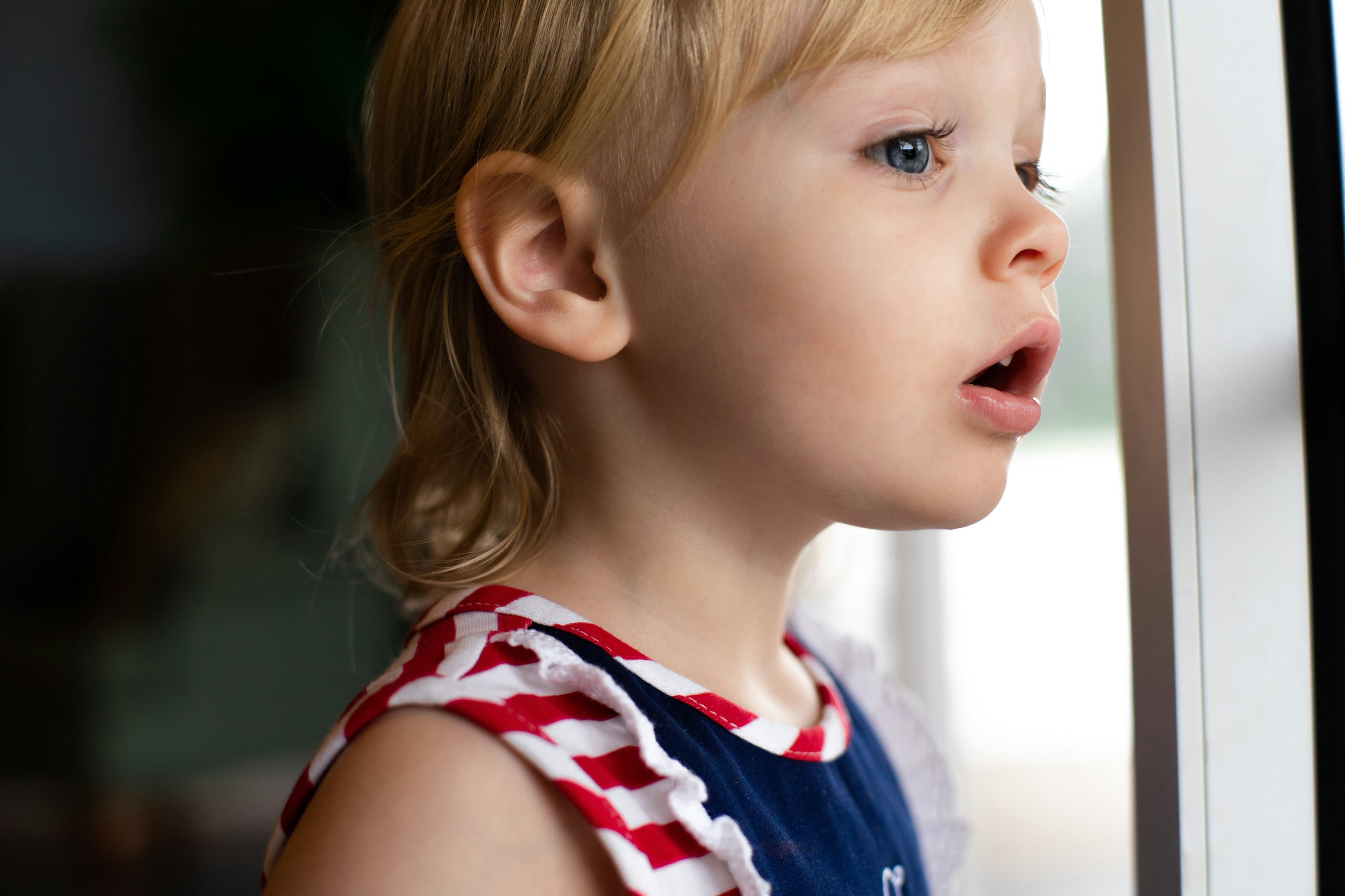
We test children from 6 months old. With our testing equipment, we don't necessarily need a response from the child to do a test.
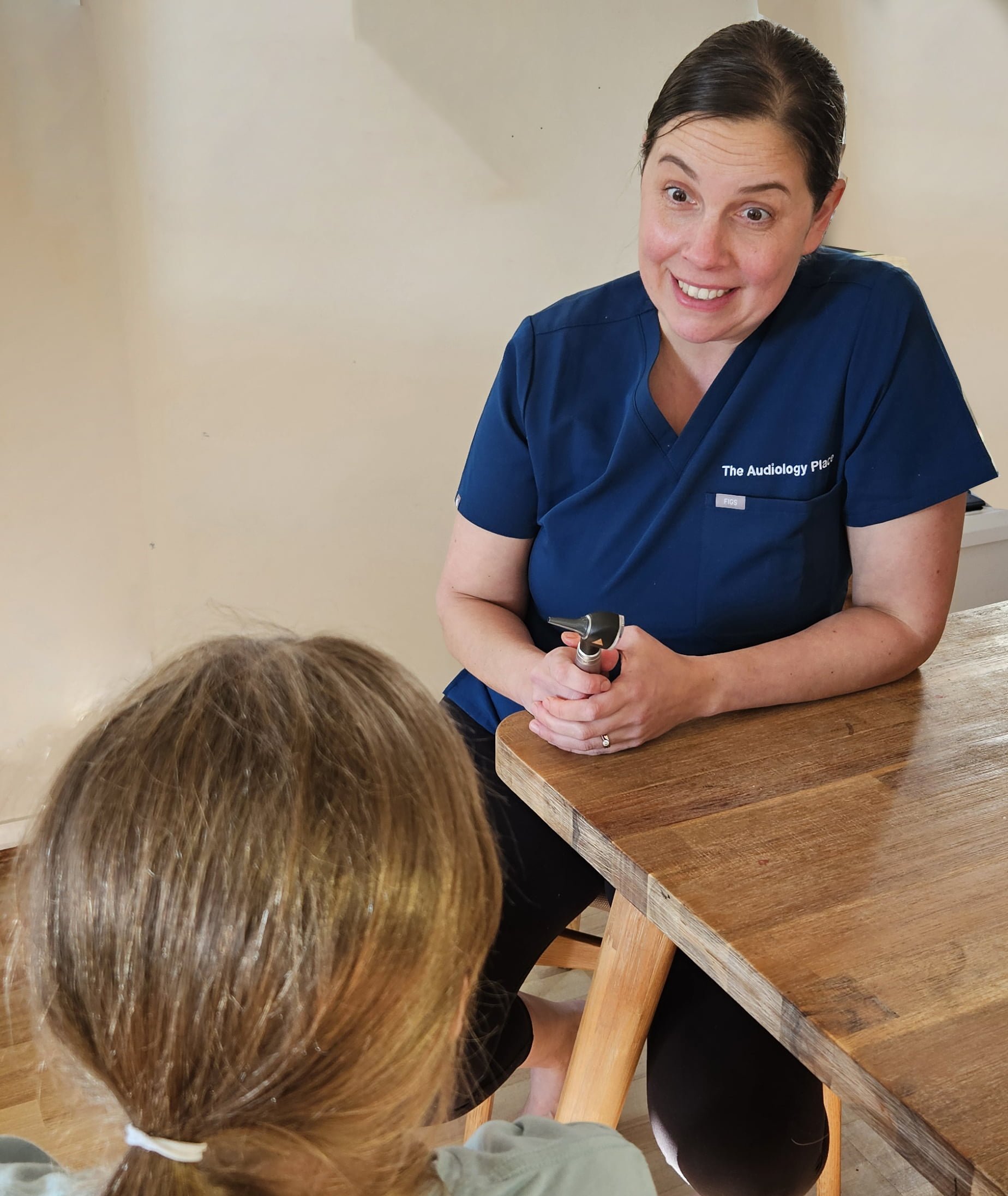
Why choose The Audiology Place for your child’s hearing test?
Dr Steers has over 20 years of experience treating simple and complex children's hearing cases.
What makes our children's hearing tests different:
- Paediatric expertise: testing from 6 months of age with an audiologist experienced in working with children.
- Calm, child-friendly appointments: we adapt the test to your child’s age, confidence and developmental stage.
- Comprehensive diagnostics: including OAEs, tympanometry, Visual Reinforcement Audiometry, play audiometry and speech testing where appropriate.
- Independent advice: we are not owned by a hearing aid company or retail chain, so recommendations are based only on your child’s needs.
- Clear explanations for parents: you will leave understanding the results, what they mean, and what to do next.
- From the simple to the complex, including Auditory Processing issues, hearing and speech issues, delays or just a simple children's hearing test.
How do we test a child’s hearing?
It can be difficult to recognise when a child is having trouble hearing. Babies and younger children may not yet have the words to describe what they are experiencing, and many children simply adapt without realising that their hearing is different.
At The Audiology Place, we use a range of age-appropriate tests to build a clear picture of your child’s hearing. The exact combination of tests depends on their age, development, attention and ability to respond reliably.
Otoacoustic Emissions (OAEs)
Otoacoustic Emissions are a quick, painless and non-invasive way to assess the function of the inner ear, particularly the outer hair cells of the cochlea.
A small probe is placed gently in the ear canal and measures the ear’s response to sound. OAEs are particularly useful for babies, young children and children who may not tolerate headphones or reliably respond to behavioural hearing tests.
They can also provide valuable ear-specific information and help us identify whether further investigation is required.
Tympanometry and Middle Ear Testing
Tympanometry assesses how well the eardrum and middle ear are functioning.
This is particularly important in children because conditions such as glue ear, middle ear fluid and ear infections can temporarily reduce hearing and affect speech development, learning and classroom participation.
We may also assess acoustic reflexes, which provide additional information about the auditory system and middle ear function.
Visual Reinforcement Audiometry (VRA)
Visual Reinforcement Audiometry is commonly used for children from approximately 6 months to 3 years of age.
During the test, your child learns to turn towards a visual reward, such as a light or animation, when they hear a sound. We then present sounds at different pitches and volumes to determine the quietest levels your child can reliably hear.
Where possible, testing is performed using earphones to obtain information about each ear individually. Some younger children will not tolerate earphones, in which case testing can be performed through speakers in the room.
Speaker testing provides useful information about overall hearing but primarily reflects the better-hearing ear. We therefore combine VRA with other diagnostic tests where necessary to obtain a more complete picture of each ear.
Play Audiometry
From around 2.5 to 3 years of age, many children can participate in conditioned play audiometry.
Rather than simply asking a child to press a button when they hear a sound, hearing testing becomes a game. They might place a block in a bucket, add a piece to a puzzle or perform another simple action each time they hear a tone.
Our audiologists adapt the activity to the individual child to maintain their attention while testing different frequencies and each ear separately.
High-Frequency Audiometry
Where appropriate, we can extend testing into the higher frequencies beyond those routinely assessed in a standard hearing test.
High-frequency audiometry can help identify subtle or early changes in hearing that may not be detected using conventional testing alone.
Advanced Paediatric Hearing Assessments
Some children have hearing difficulties that are not explained by a routine hearing test. A child may appear to hear soft sounds normally but still have difficulty:
- understanding speech in background noise
- following multi-step instructions
- concentrating in the classroom
- distinguishing similar-sounding words
- remembering spoken information
- keeping up with conversations
Depending on the child’s age and symptoms, further assessment may be recommended.