
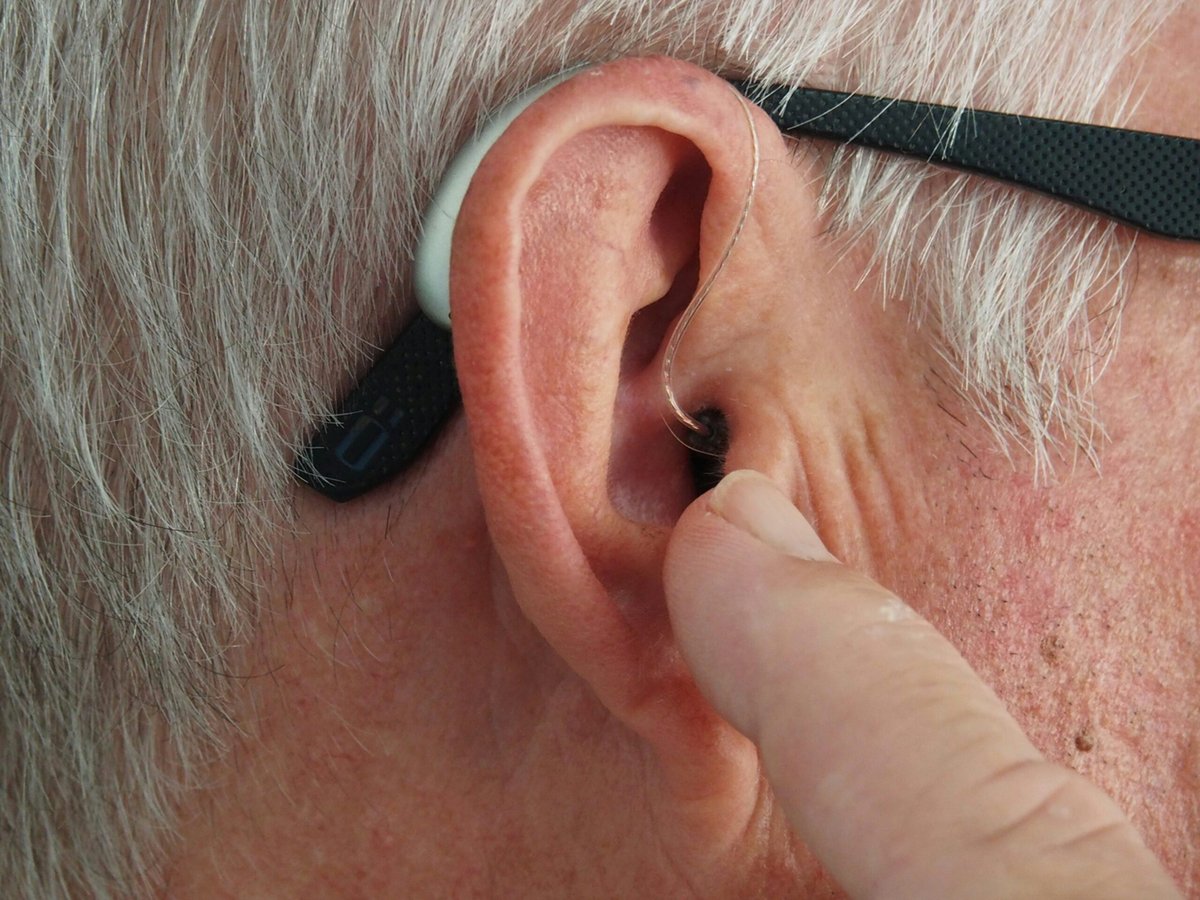
If you’ve had new hearing aids fitted with a proper warranty and professional care, they should last you at least 5 years. Sometimes longer.
That’s the quick answer. The real answer? It depends as much on you and your care routine as it does on the technology itself.
Don’t hearing aids need to be updated for my brain?
You might have heard this one. You go in for a check-up, or maybe you visit a different clinic, and someone tells you that you need new hearing aids because your brain needs “better stimulation” or “more input” to stay healthy. They might mention neuroplasticity, cognitive decline, or keeping your auditory pathways active. It sounds scientific. It sounds like they’re looking out for you.
Here’s the thing. The science is real, but the sales pitch is twisting it.
Untreated hearing loss genuinely does affect the brain over time. When your ears aren’t sending clear signals, the auditory parts of your brain get less exercise. There’s decent research linking untreated hearing loss with faster cognitive decline and increased dementia risk. Getting hearing aids, keeping them well-fitted with your annual checkups, and actually wearing them consistently does help keep those pathways active.
But that’s an argument for treating hearing loss properly in the first place. It’s not an argument for replacing working hearing aids with newer ones.
If your current hearing aids are programmed correctly for your hearing levels, your brain is getting the stimulation it needs. The sound is arriving. The auditory cortex is doing its job. Swapping to a newer model doesn’t give your neurons some kind of extra workout. Your brain can’t tell the difference between a 2021 chip and a 2024 chip. It just knows whether it’s receiving clear, appropriately amplified sound or not.
And yes, your existing aids are programmable. That’s the whole point. If your hearing has shifted, your audiologist can run new tests and adjust the programming to match. Modern hearing aids have a fitting range built in precisely because hearing changes over time. A good audiologist reprograms your current devices. A clinic looking to hit sales targets sells you new ones and calls it brain health.
If someone’s pushing an upgrade based on “brain benefits” and your current aids are working fine and still within their fitting range, ask them to explain exactly what the new devices will do that reprogramming your current ones won’t. Watch how they answer. That’ll tell you a lot about whether they’re looking after you or looking after their monthly numbers.
Good hearing aids start with good hearing care
Before anyone starts talking to you about brands or features, your audiologist should actually understand your hearing. A full diagnostic assessment includes and examination of your ear canals and eardrum, measures of your middle ear function and acoustic reflexes, tone thresholds, and speech understanding in quiet and noise,. This isn’t an optional extra. This is how you end up with the right hearing aid, not just the newest one.
The device needs to match your life. Someone working in noisy environments needs different features than someone who mostly chats with grandchildren at home. A frequent traveller might want moisture-resistant models with international service coverage. Your audiologist should be asking these questions, not just reaching for whatever’s in stock.
Brand and warranty actually matter
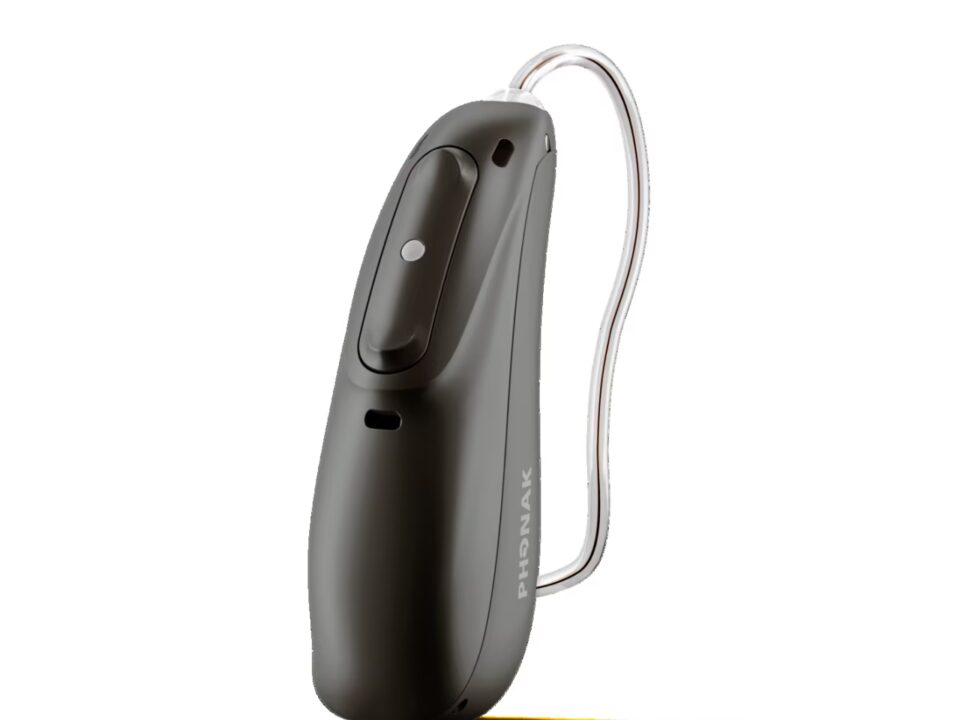
The major manufacturers like Widex, Oticon, Starkey, Signia, Phonak, Unitron, and ReSound, design their hearing aids to last between three and seven years. Premium models often include global service coverage, so if something goes wrong while you’re overseas visiting family or on holiday, you’re not stuck.
A standard warranty typically covers internal electronic problems, manufacturing defects, reasonable broken parts and software updates.
What warranties don’t cover: lost devices, significant accidental damage (e.g. my dog chewed my hearing aid), wax buildup, or routine cleaning.
Not all hearing aids are built the same
Some hearing aids are tougher than others. This isn’t marketing spin. It’s physics and engineering.
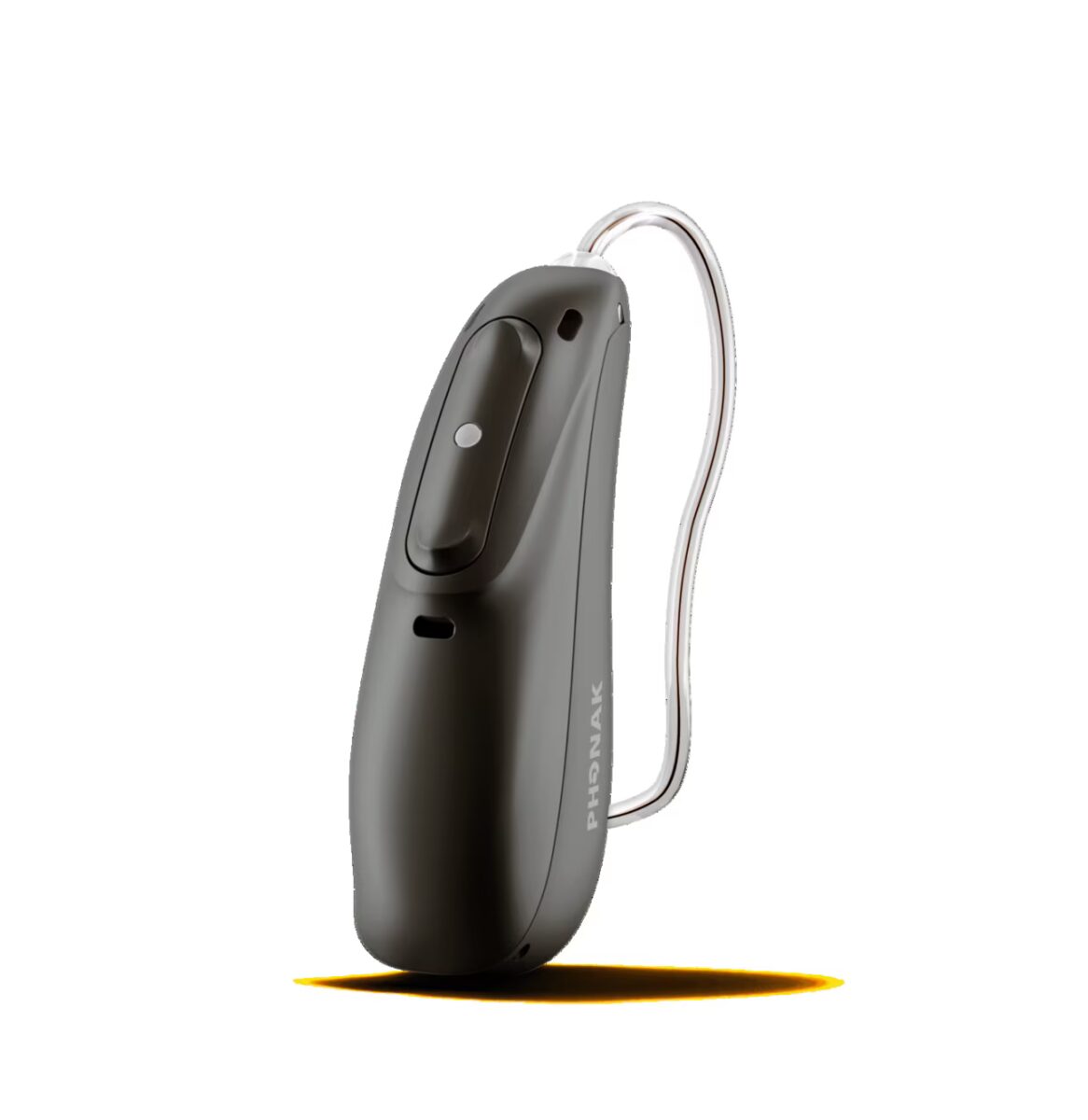
Behind-the-ear models tend to be more durable because the electronics sit outside your ear canal, away from the worst of the moisture and wax. The receiver-in-canal styles are smaller and more discreet, but that receiver sitting inside your ear cop more punishment from the environment. Custom in-the-ear aids? They’re fully inside the canal, which means they’re dealing with wax, moisture, and heat all day long.
Different manufacturers also build to different standards. Some models carry IP68 ratings, meaning they’ve been tested against dust and water immersion. Others are designed for people who sweat a lot or work outdoors. If you’re active, live somewhere humid like Sydney, or have ears that produce a lot of wax, this stuff matters. Ask your audiologist about durability when you’re choosing, not after something’s gone wrong.
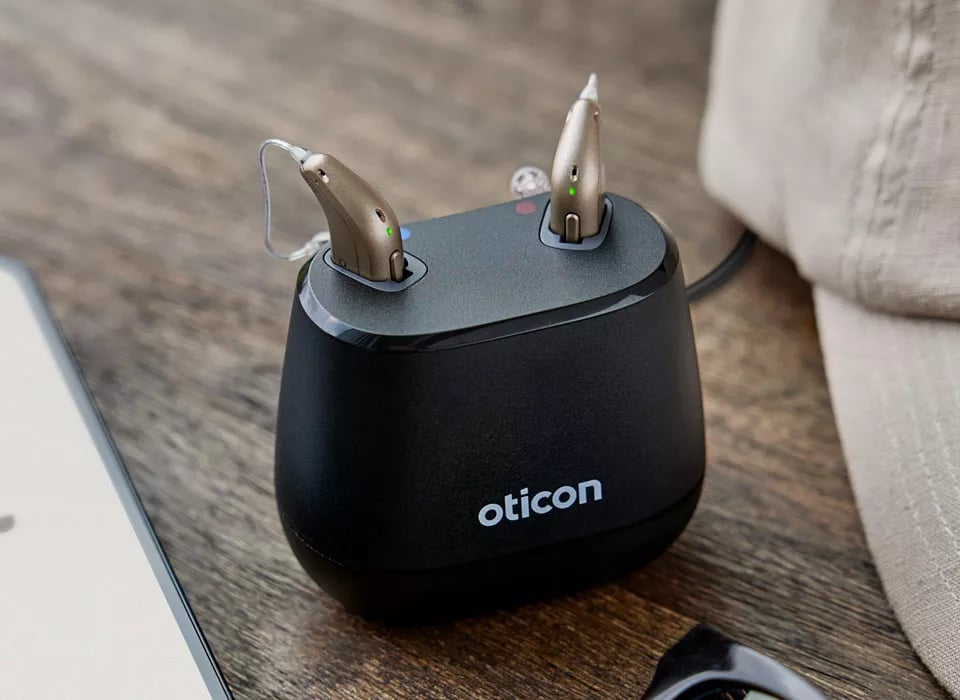
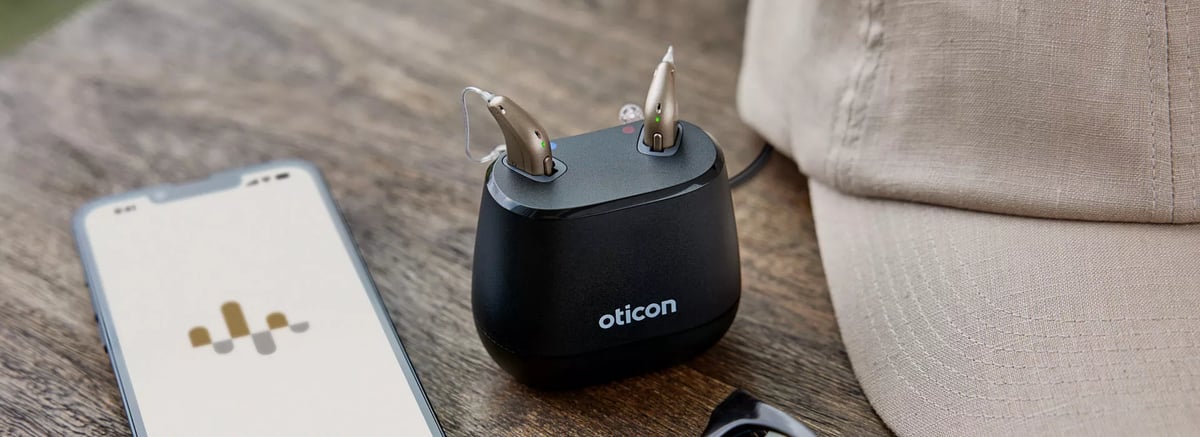
Rechargeable hearing aids require different considerations. No battery door to break, which is good. But the sealed unit means you can’t pop it open to dry out the internals, so moisture management becomes even more important.
Looking after them yourself
Think of hearing aids like glasses. You clean them regularly, you don’t leave them lying around where they’ll get sat on, and you keep them in a case when you’re not wearing them.
But here’s where the comparison stops. Glasses are two pieces of plastic with lenses. Your hearing aids are tiny computers packed with microphones, receivers, amplifiers, and processors. They’re sitting in one of the warmest, dampest, waxiest parts of your body for twelve or more hours a day (if you are a Gold Star user!). You can rinse your glasses under the tap. You absolutely cannot do that with your hearing aids.
And no, you can’t throw them in the wash and hope for the best. It happens more often than you’d think. Hearing aids left in shirt pockets, trouser pockets, wrapped in tissues that end up in the laundry basket. One trip through the machine and you’re looking at an expensive paperweight.
Daily care habits that actually make a difference:
Wipe them down every night. Get the wax and oils off before they build up. Once wax gets into the microphone ports or receiver openings, you’re looking at repairs or replacements of wax filters.
Use a drying kit. This is non-negotiable in humid climates. Electronic dehumidifiers or even simple desiccant pots pull moisture out overnight. Your hearing aids collect sweat and condensation from your ear canal all day long. Give them somewhere dry to recover.
Store them properly. Not on the bathroom counter where steam from the shower hits them. Not on the windowsill in direct sun. A bedside drawer works fine, and is always in their case or in their charger.
Replace the consumables. Wax guards, domes, filters. These are designed to be replaced when needed. Your audiologist will show you how and give you spares. Ignoring them is like never changing your car’s oil filter and then wondering why the engine’s struggling.
Keep them away from sprays. Hairspray, sunscreen, insect repellent. All of it can gum up the microphones and clog the tiny openings. Put your hearing aids in after you’ve done your hair and your SPF, not before.
Check your ears too. If you’re prone to wax buildup, get your ears checked and cleaned regularly. A blocked ear canal means your hearing aids work harder and get dirtier faster.
Different styles need slightly different care. If you’ve got custom moulds, those need cleaning too. If you’ve got thin tubes, check them for moisture droplets and cracks. If you’ve got rechargeable aids, keep the charging contacts clean. Your audiologist should walk you through exactly what your particular devices need.
Aftercare is where the relationship actually starts
The fitting is the beginning, not the end. Modern hearing aids are tiny computers that can adapt over time, but they need occasional tweaks as your hearing changes or new software updates roll out.
Regular aftercare should include fine-tuning for volume balance and speech clarity, performance checks on microphones and receivers, comfort reviews if something’s rubbing or sitting wrong, and software updates based on how you’re actually using the devices.
Having someone you can call when something feels off makes all the difference. Maybe the sound’s gone muffled. Maybe one side feels quieter than it used to. Maybe you’re struggling in a new listening situation. You shouldn’t have to figure that out alone. That is why you should talk to an independent Audiologist; we are interested in you as a person, not a hearing aid sale.
Annual hearing reviews keep things on track
Your hearing changes naturally over time. Annual reviews track any shifts so your audiologist can reprogram your hearing aids to match your updated thresholds. Most modern digital aids can accommodate small to moderate changes without needing replacement.
This is normal. Your hearing drifts a bit, your audiologist adjusts the settings, and you carry on. New hearing aids only become necessary when repairs stop making economic sense, when your hearing has changed dramatically beyond what the device can handle, or when new technology offers something genuinely useful for your life.
The bottom line
Start with a proper hearing assessment. Choose a reputable global brand with real warranty support. Pick a style that matches your lifestyle and your ears’ particular quirks. Look after your devices daily. Attend your regular check-ups.
Do all that, and your hearing aids should comfortably last five years. Sometimes even more with the right care.
Your hearing aids are an investment in staying connected to the people and sounds that matter to you. Treat them like the tiny high-tech devices they are, and they’ll keep doing their job for years.