
Summer in Australia means long afternoons at the pool, beach trips with mates, and swim squad sessions that stretch into the evening. For parents of young swimmers, it also brings a familiar worry: will my child end up with another painful ear infection? With a bit of knowledge and the right preventive habits, your kids can enjoy the water without ear care becoming a source of anxiety.
Below are the real risks, when swim ear protection makes sense, practical drying routines, warning signs, and when to see your GP, with a checklist at the end you can stick on the fridge.
Understanding the Risk: What Is Swimmer’s Ear?
Swimmer’s ear, formally known as otitis externa, is an infection of the outer ear canal. It happens when water stays trapped in the ear after swimming, creating a warm, moist environment where bacteria or fungi thrive. While it’s common in children who spend a lot of time in the water, it’s also highly preventable.
The condition usually starts with mild itchiness or discomfort, progressing to pain, redness, and sometimes discharge. Left untreated, otitis externa can become quite painful and may require antibiotic ear drops or even oral medication. In rare cases, children with compromised immune systems or underlying ear conditions may experience complications, so early recognition and prevention are key.
Not every child who swims will develop swimmer’s ear. The risk increases with frequent water exposure, humid climates, narrow or hairy ear canals, and pre-existing skin conditions such as eczema. Children with grommets (ventilation tubes) or a history of chronic ear infections may also benefit from additional protection.
When Should Kids Use Swim Plugs?
The decision to use swim ear protection isn’t one-size-fits-all. For occasional swimmers, say, a child who splashes around at birthday parties or during family holidays, simple precautions like towel-drying and tilting the head are often sufficient. But if your child swims several times a week, trains in a squad, or has had repeated bouts of otitis externa, custom swim plugs are worth considering.
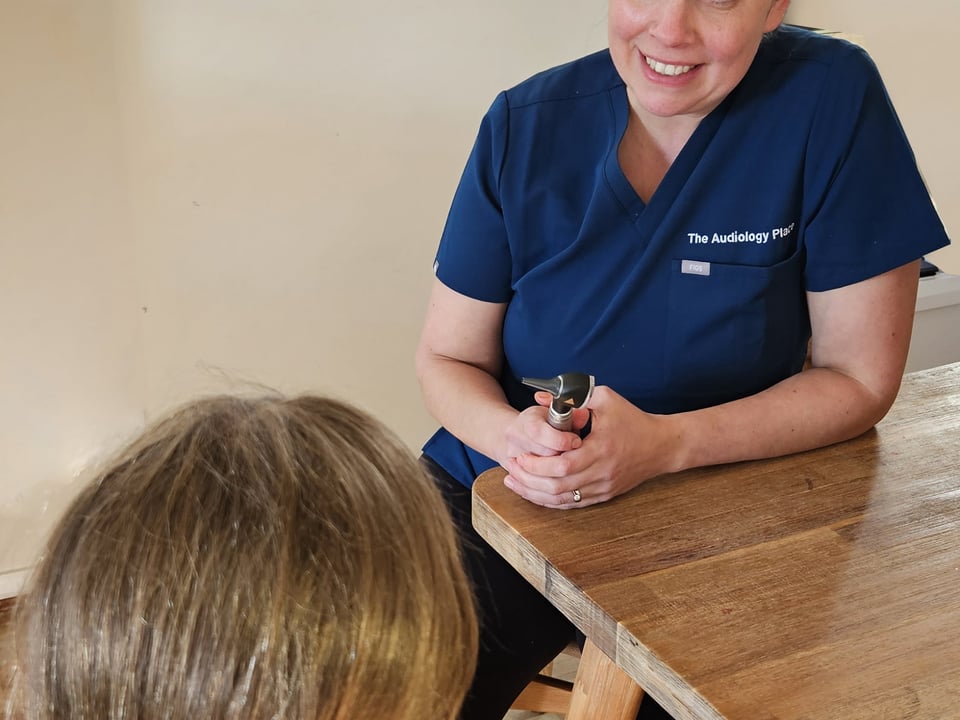
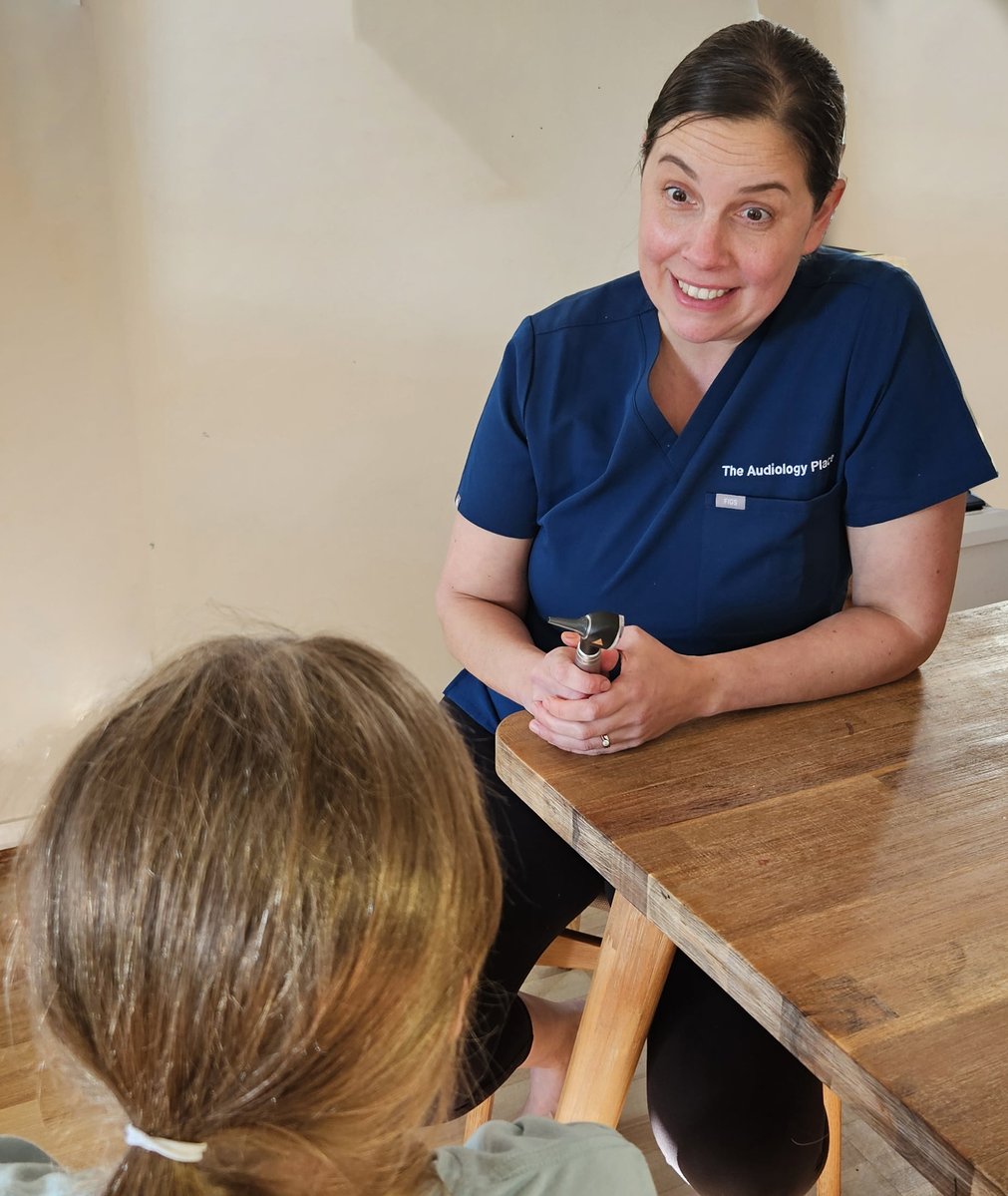
Custom swim plugs are individually moulded to fit the unique shape of your child’s ear canal. Unlike generic foam or silicone plugs from the chemist, custom-fitted plugs create a proper seal, stay in place during active swimming, and are far more comfortable for extended wear. At The Audiology Place in Epping and Forestville, an audiologist takes a soft impression of the ear canal (a quick, painless process) and the plugs are made from medical-grade silicone. They’re durable and easy to clean, though growing children will need new impressions from time to time as their ears change size.
Children with grommets (ventilation tubes) are a special case. Advice varies: many children with grommets can swim at the surface without plugs, but some ear, nose and throat specialists recommend plugs for diving, deeper or prolonged submersion, swimming in lakes or rivers, or for children who get discharge after swimming. Follow your ENT’s advice for your child.
That said, swim plugs aren’t always necessary. If your child has healthy ears, swims infrequently, and has never had an infection, you may choose to focus on good drying habits instead. The key is assessing your child’s individual risk factors in consultation with a healthcare professional.
Effective Drying Routines: Simple Steps That Work
Regardless of whether your child wears swim plugs, establishing a consistent post-swim drying routine is one of the most effective ways to prevent otitis externa. Water that lingers in the ear canal is the primary culprit, so the goal is to remove moisture gently and thoroughly.
Immediately after swimming, encourage your child to tilt their head to each side, allowing gravity to help water drain out. A gentle tug on the earlobe while tilting can help open the canal slightly. Pat, don’t rub, the outer ear with a soft towel. Avoid inserting cotton buds, twisted tissues, or any object into the ear canal; this can push water deeper, damage delicate skin, or even perforate the eardrum.
Some families find over-the-counter drying drops helpful, particularly if their child is prone to retaining water. These drops typically contain a mixture of isopropyl alcohol and acetic acid, which helps evaporate moisture and create a slightly acidic environment that discourages bacterial growth. Always check with your GP or audiologist before using any ear drops, especially if your child has grommets, a perforated eardrum, or a history of sensitivity.
Another useful tip: if your child swims outdoors regularly, a swim cap or headband can minimise the amount of water that enters the ears in the first place, though it won’t create a watertight seal. Combined with drying techniques, these simple accessories add an extra layer of protection.
Recognising the Signs of Infection
Even with the best prevention strategies, infections can still occur. Knowing what to look for means you can seek treatment early, before discomfort escalates.
Early warning signs of otitis externa include:
- Itchiness inside the ear canal
- Mild discomfort or a “fullness” sensation
- Slight redness around the ear opening
- Increased sensitivity when the outer ear is touched or moved
Progressing symptoms that warrant prompt medical attention:
- Moderate to severe ear pain, especially when chewing or lying down
- Visible swelling or redness of the ear canal or outer ear
- Discharge that may be clear, yellow, or foul-smelling
- Temporary hearing reduction or a muffled sensation
- Fever (less common, but a red flag for spreading infection)
If your child complains of any of these symptoms, it’s time to see your GP. Otitis externa is typically diagnosed through a visual examination of the ear canal and responds well to prescription antibiotic or antifungal ear drops. Oral antibiotics are rarely needed unless the infection has spread beyond the ear canal.
Do not attempt to treat ear infections with home remedies, hydrogen peroxide, or leftover medications. Inappropriate treatment can worsen the condition or mask symptoms of a more serious problem.
When to See Your GP or Audiologist
While most cases of swimmer’s ear are straightforward, certain situations require professional assessment sooner rather than later.
See your GP if
- Your child experiences ear pain that doesn’t improve within 24 hours
- There’s visible discharge, swelling, or redness
- Your child has a fever or seems generally unwell
- Symptoms return shortly after completing a course of treatment
Consult an audiologist if
- Your child keeps getting ear infections and you’d like a check of their ears and hearing
- You’re considering custom swim plugs and want an individualised fitting
- Your child has grommets or a history of ear surgery
- You notice ongoing hearing difficulties, even when your child is healthy
At The Audiology Place, we provide comprehensive ear health assessments and custom swim plug fittings in a family-friendly environment. Our audiologists take the time to explain each step, ensure a comfortable impression process, and offer clear guidance on plug care and maintenance. As an independent clinic, we recommend only what genuinely suits your child’s needs.
Your Swim Season Ear Care Checklist
Before the season starts
- Assess your child’s risk (frequency of swimming, history of infections, grommets)
- Book a fitting appointment if custom plugs are recommended
- Stock up on a soft towel dedicated to ear drying
- Check with your GP if your child has had recent ear issues
After every swim
- Tilt head to each side to drain water
- Pat outer ear dry with a towel
- Consider drying drops if appropriate (check with a professional first)
- Never insert objects into the ear canal
Watch for warning signs
- Itchiness or discomfort
- Redness or swelling
- Discharge or unusual odour
- Hearing changes
When in doubt
- Contact your GP for any suspected infection
- Follow up with your audiologist if infections are recurrent
Final Thoughts: Protection Without Paranoia
Ear health doesn’t need to be stressful. With a clear understanding of the risks, sensible prevention strategies, and prompt attention to warning signs, you can confidently support your child’s love of swimming without constant worry. Whether your family chooses custom swim plugs, a solid drying routine, or a combination of both, the goal is the same: happy, healthy ears all summer long.
If you’d like to discuss your child’s specific needs or explore custom swim plug options, our team at The Audiology Place is here to help. Protecting little ears shouldn’t come with fear.