
When your child’s teacher mentions they seem distracted in class, or you find yourself repeating instructions at home, glue ear might be the last thing on your mind. Yet this common childhood condition affects approximately 80% of children at least once before school age, making it one of the most frequent reasons parents bring their children to see an audiologist or GP.
Glue ear—medically known as otitis media with effusion (OME)—occurs when sticky fluid accumulates in the middle ear space, muffling sound transmission and creating a temporary hearing loss. For parents navigating this diagnosis, the most pressing question is often: Should we wait and see, or take action now? The answer, as with many aspects of paediatric care, depends on several important factors.
What Is Glue Ear and Why Does It Happen?
The middle ear—the air-filled space behind the eardrum—relies on the Eustachian tube to maintain proper pressure and drainage. In young children, these tubes are shorter, more horizontal, and less efficient than in adults, making them prone to blockage. When the Eustachian tube becomes congested due to colds, allergies, or upper respiratory infections, fluid can accumulate in the middle ear space. Unlike acute otitis media (which involves infection, pain, and fever), glue ear develops quietly and often without discomfort.
The fluid itself has a thick, glue-like consistency—hence the name—and acts as a cushion that dampens the vibrations of the tiny bones that transmit sound. The result is a conductive hearing loss, typically mild to moderate in degree, affecting both ears in about 50% of cases.
Recognising the Signs: What Parents and Teachers Notice
Glue ear rarely announces itself with dramatic symptoms. Pain is uncommon, and children often don’t complain that their hearing is reduced—many don’t realise anything is wrong. Instead, the signs are subtle and behavioural:
– Asking for repetition frequently or responding with “What?” or “Huh?”
– Turning the television volume up louder than usual
– Appearing inattentive or easily distracted, particularly in noisy environments like classrooms
– Difficulty following multi-step instructions
– Speaking more loudly than necessary
– Seeming tired or frustrated after school
– Academic performance that doesn’t match the child’s apparent ability
– Balance difficulties or clumsiness (less common, but the middle ear plays a role in vestibular function)
Teachers may notice that the child performs better in quiet, one-on-one settings but struggles during group activities or in acoustically challenging classrooms. These observations are valuable diagnostic clues and should always be shared with healthcare providers.
The Natural Course: Will It Resolve on Its Own?
One of the most reassuring aspects of glue ear is its tendency to resolve spontaneously. Research consistently demonstrates that approximately 50% of cases resolve within three months without intervention, and about 75% clear within six months. This natural improvement occurs as children’s Eustachian tubes mature and as seasonal factors—such as winter colds—subside.
However, the remaining 25% of children experience persistent or recurrent glue ear that may last many months or even years. Some children seem particularly prone to repeated episodes, often coinciding with each new upper respiratory infection. This pattern is more common in children with:
– Recurrent colds or upper respiratory infections
– Allergies or hay fever
– Enlarged adenoids
– Exposure to cigarette smoke
– Attendance at childcare or preschool (increased infection exposure)
– Family history of middle ear problems
– Down syndrome or cleft palate
The key clinical challenge lies in identifying which children are likely to resolve spontaneously and which require more active management to prevent developmental consequences.
Why Monitoring Matters: Speech, Language, and Learning
Even a mild, temporary hearing loss during the critical years of speech and language development can have subtle but meaningful impacts. Young children learn language primarily through incidental listening—overhearing conversations, absorbing the nuances of grammar and syntax, and building vocabulary through context. When hearing is muffled by glue ear, this incidental learning is compromised.
The evidence base examining long-term outcomes remains somewhat mixed, but several well-designed studies suggest associations between persistent glue ear in early childhood and:
– Delayed speech sound development and articulation difficulties
– Reduced vocabulary and language complexity
– Difficulties with phonological awareness (necessary for reading development)
– Behavioural challenges related to frustration and communication breakdown
– Reduced attention and listening skills in classroom environments
Importantly, these impacts appear most significant when glue ear is bilateral (affecting both ears), persistent (lasting many months), and occurs during peak language development years (ages 2–5). Short episodes in otherwise healthy, linguistically thriving children typically don’t result in lasting difficulties.
The Watchful Waiting Approach: When It’s Appropriate
Current Australian and international guidelines, including those from the Royal Australian College of General Practitioners (RACGP), generally support watchful waiting for uncomplicated glue ear. This approach is appropriate when:
– The hearing loss is mild
– Speech and language development is progressing normally
– The child is not experiencing behavioural or educational difficulties
– The duration has been less than three months
– Parents and teachers are not expressing significant concerns
Watchful waiting doesn’t mean doing nothing. It requires active monitoring, including follow-up hearing assessments (typically every three months) and ongoing observation of the child’s communication and educational progress. At The Audiology Place, we emphasise partnership with families during this monitoring phase, providing practical strategies and clear benchmarks for when to escalate care.
When to Take Action: Clear Referral Indicators
Several circumstances warrant more immediate action rather than continued observation:
Immediate referral to an ENT specialist is recommended when:
– Structural abnormalities of the eardrum or middle ear are identified
– Significant hearing loss (moderate or greater) is present in both ears
– Speech and language development is delayed or regressing
– Educational performance is being measurably impacted
– The child has additional developmental concerns or special needs
– Glue ear has persisted beyond three months with no improvement
– Recurrent episodes are affecting the quality of life
– Balance problems accompany the hearing loss
The decision to refer for surgical intervention, typically insertion of ventilation tubes (grommets)—rests with the ENT specialist and is based on a comprehensive assessment of the child’s individual circumstances. Grommets provide immediate ventilation of the middle ear and typically restore hearing to normal levels. However, they’re not without considerations regarding anaesthesia, the small risk of complications, and the temporary nature of the solution.
Comprehensive Diagnostic Assessment: What to Expect
Proper assessment of suspected glue ear involves several complementary tests. At a thorough paediatric audiology appointment, you can expect:
Tympanometry is the gold-standard objective test for middle ear function. This quick, painless test measures how the eardrum moves in response to changes in air pressure. With glue ear, the tympanogram typically shows a flat trace, indicating fluid that restricts eardrum mobility.
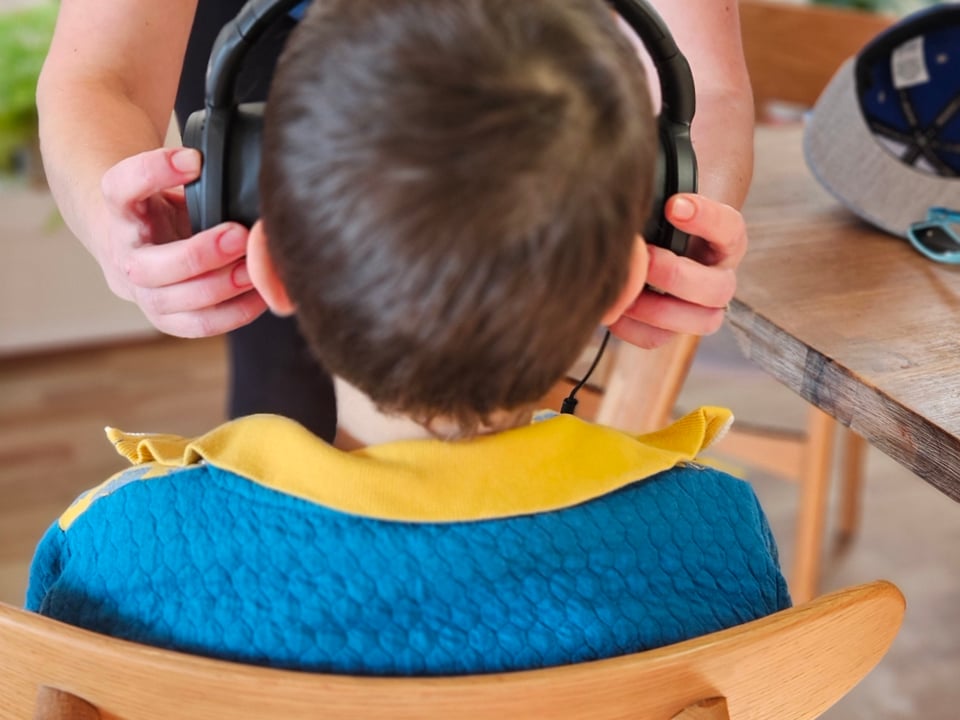
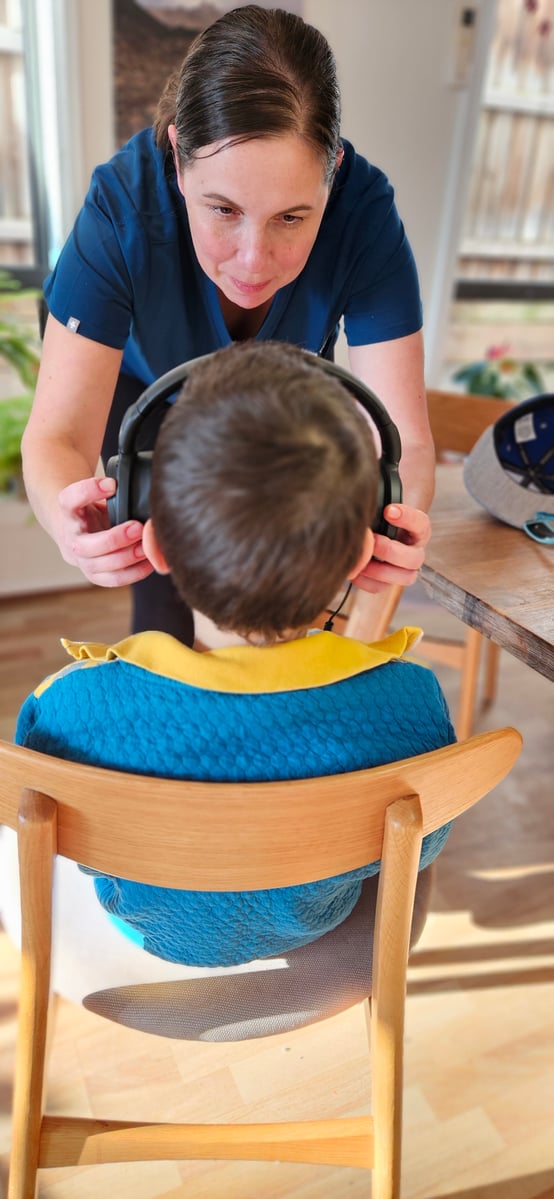
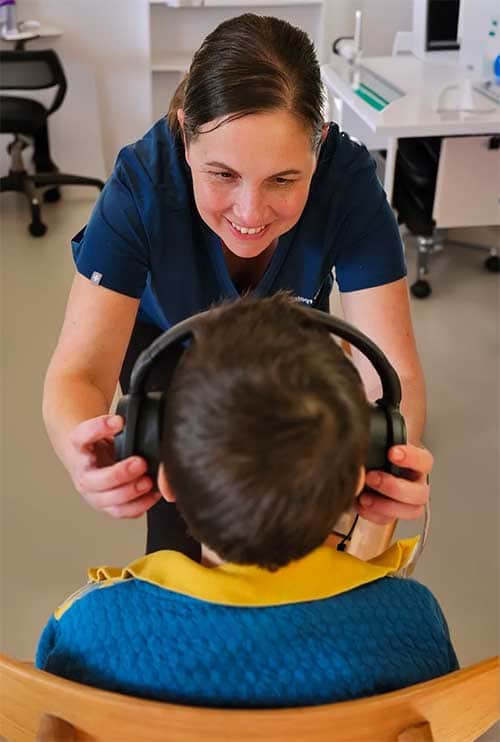
Pure-tone audiometry (for children old enough to cooperate, usually from age 3–4 years) or visual reinforcement audiometry (for younger children) measures hearing thresholds across different frequencies. Glue ear produces a characteristic conductive hearing loss pattern, with reduced hearing for sounds but normal bone conduction results (confirming the inner ear itself is functioning correctly).
Speech perception testing in quiet and in background noise provides functional information about how the hearing loss affects real-world communication. Children with glue ear often demonstrate significantly poorer performance in noise, even when their hearing seems only mildly affected in quiet.
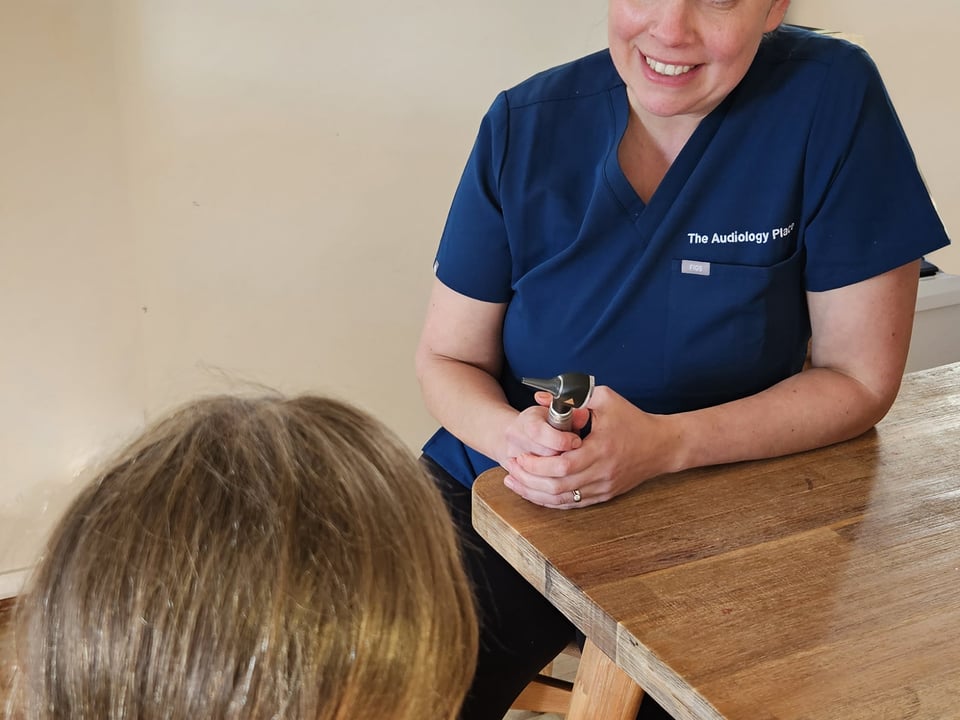
Otoscopy—visual examination of the ear canal and eardrum, allows the clinician to observe signs such as dull, retracted, or amber-coloured eardrums, fluid levels, or bubbles behind the eardrum.
Real Ear Measurement (REM) is not typically used for glue ear diagnosis itself, as it’s a verification tool for hearing aid fitting. However, in cases where hearing aids are recommended (usually for children with additional hearing losses or special needs while awaiting surgery), REM ensures that amplification is precisely calibrated to the individual ear canal acoustics—critical for paediatric fittings.
Practical Strategies for Home and School
Whether you’re in a watchful waiting phase or awaiting further intervention, several evidence-based strategies can support your child’s communication and learning:
At home:
Reduce background noise whenever possible, turn off the television during conversations, minimise competing sounds during homework time, and position yourself where your child can see your face clearly when speaking. Face-to-face communication allows children to use visual cues, such as lip reading and facial expressions, to supplement what they hear.
Speak clearly at a normal volume (not shouting, which distorts speech sounds) and check for understanding by asking the child to repeat instructions back rather than simply asking “Did you hear me?”
Consider room acoustics—hard surfaces like tiles and glass create reverberation, making listening more difficult. Soft furnishings, rugs, and curtains improve the listening environment.
At school:
Communicate with your child’s teacher about the hearing loss and request preferential seating—typically front and centre, away from noisy air conditioners or high-traffic areas. Provide written information about glue ear (your audiologist can supply appropriate handouts) so teachers understand it’s a genuine medical condition, not inattentiveness or misbehaviour.
Request that teachers check for understanding, provide visual aids alongside verbal instructions, and perhaps assign a “buddy” to help ensure the child doesn’t miss important information. Reducing auditory distractions during key learning activities makes a measurable difference.
For children experiencing significant difficulties, schools may implement additional support through learning support teams or speech-language pathologists. Documentation from your audiologist supports these accommodations.
The Limits of Remote Care
Whilst teleaudiology has expanded access to hearing care in many contexts, the diagnosis and management of paediatric glue ear requires hands-on assessment. Tympanometry and otoscopy cannot be performed remotely, and reliable behavioural hearing assessment of young children depends on in-person testing with specialised equipment and clinical expertise. Virtual consultations may be valuable for initial discussions, follow-up counselling, or monitoring between appointments, but should not replace a comprehensive in-clinic assessment when glue ear is suspected.
Follow-Up Care: Closing the Loop
Regardless of which path you take—watchful waiting or active intervention—consistent follow-up is essential. Children who undergo grommet insertion require postoperative hearing assessment to confirm normalisation of hearing and middle-ear function. Those in the monitoring phase need regular reassessment to determine whether spontaneous resolution is occurring or whether the intervention timeline has been reached.
At The Audiology Place, we maintain independence from ENT practices and hearing device manufacturers, ensuring our recommendations are based solely on your child’s clinical needs and the current evidence base. This brand-agnostic approach means families can trust that referrals and recommendations prioritise the child’s best interests.
Key Takeaways
Glue ear represents one of the most common yet most manageable causes of childhood hearing loss. The decision between watchful waiting and active intervention isn’t binary—it’s a nuanced clinical judgement that considers the severity of hearing loss, duration of symptoms, impacts on development and learning, and individual family circumstances.
The evidence supports initial observation for many children, given the high rate of spontaneous resolution, but requires ongoing vigilance for those showing signs of speech-language delay, educational impact, or persistent problems beyond three months. Modern diagnostic tools provide reliable, objective information to guide these decisions, and family-centred care ensures parents are informed partners throughout the process.
If your child shows signs of possible hearing difficulties, seeking prompt assessment from a qualified audiologist establishes a clear baseline and monitoring plan. Early identification and appropriate management—whether that means strategic monitoring or timely intervention—protects the critical early years when language foundations are built and learning habits are formed.
—
**References and Further Reading:**
– Royal Australian College of General Practitioners (RACGP). (2020). *Guidelines for the diagnosis and management of otitis media with effusion in children.*
– Rosenfeld, R. M., et al. (2016). Clinical practice guideline: Otitis media with effusion (update). *Otolaryngology–Head and Neck Surgery*, 154(1_suppl), S1-S41.
– Tympanometry Working Group, British Society of Audiology. (2013). *Recommended procedure: Tympanometry.*
– Roberts, J. E., et al. (2004). Otitis media in early childhood in relation to children’s school-age language and academic skills. *Pediatrics*, 113(4), 696-701.