
Misophonia is a condition that many people live with, but few feel comfortable talking about. For those affected, certain everyday sounds trigger intense emotional and physical responses that feel impossible to control. These can include chewing, sniffing, pen clicking, throat clearing, tapping, and other repetitive human-made sounds.
If you’re reading this and thinking, That’s me, please know this: you are not imagining it. You are not “too sensitive.” You’re not overreacting. Misophonia is real, and you’re not alone. Significantly, it can improve with the right treatment and support.
As an audiologist with 20 years of experience, I’ve worked with children, teenagers, and adults who live with this condition every day. At The Audiology Place, I offer a multidisciplinary, evidence-based approach to misophonia treatment from my clinic in Forestville, on Sydney’s Northern Beaches. Our focus is always on understanding you as a whole person and tailoring your care to your unique needs and experiences.
What Is Misophonia?
Misophonia means “hatred of sound.” But what’s happening is more complex.
Misophonia is a neurological and emotional reaction to specific sounds, usually soft, repetitive, and human-generated. These trigger sounds bypass the normal filtering processes in your brain and trigger your body’s fight-or-flight response. The result is often a mix of physical tension, emotional overwhelm, and an urgent desire to escape the situation.
Some common symptoms include:
- Sudden rage, irritation, or panic when hearing a trigger sound
- Rapid heartbeat, sweaty palms, tightness in the chest or jaw
- Avoidance of social situations (especially mealtimes)
- Difficulty concentrating in environments where trigger sounds are present
- Feelings of shame, guilt, or isolation
Trigger sounds vary from person to person, but the response is often immediate and intense. Over time, the brain may also begin to react to visual cues (like someone opening their mouth to chew), which can amplify the stress response. This is sometimes referred to as misokinesia—the visual counterpart to misophonia.
How Common Is Misophonia?
Research suggests that misophonia may affect up to 15% of the population, though the severity varies widely. Most people begin noticing symptoms in childhood or early adolescence. It’s more common in females and is often misunderstood or misdiagnosed as anxiety, OCD, ADHD, or simply “being difficult.”
Many of the individuals I see in the clinic have spent years suffering in silence, unsure where to turn. Often, they’ve been dismissed or misunderstood by healthcare professionals who are unfamiliar with the condition.
Fortunately, science has made significant progress in the last decade. Recent brain imaging studies confirm what many patients have always known: misophonia is a real, brain-based condition. It is not a behavioural choice or psychological weakness. Your brain is simply exaggeratedly reacting to certain sounds, and there are ways we can help retrain that response.
What Causes Misophonia?
We now believe that misophonia is the result of hyperconnectivity between the auditory system and the emotional processing centres of the brain. In particular, the anterior insular cortex—which helps us assign emotional meaning to sensory information—shows increased activity in people with misophonia.
This means that your brain is attaching high emotional salience to a sound that others would likely ignore. The sound isn’t louder, but it feels threatening to your nervous system. This is what triggers the intense fight-or-flight response.
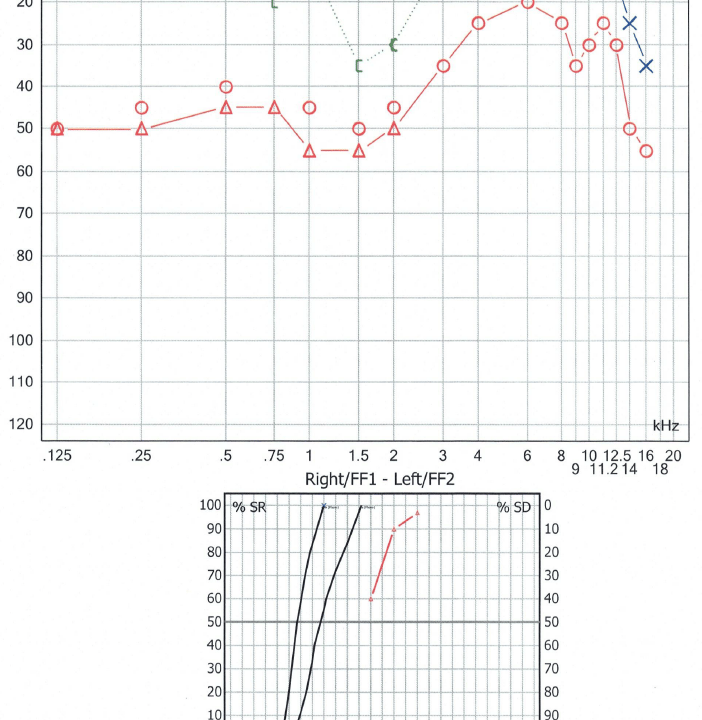
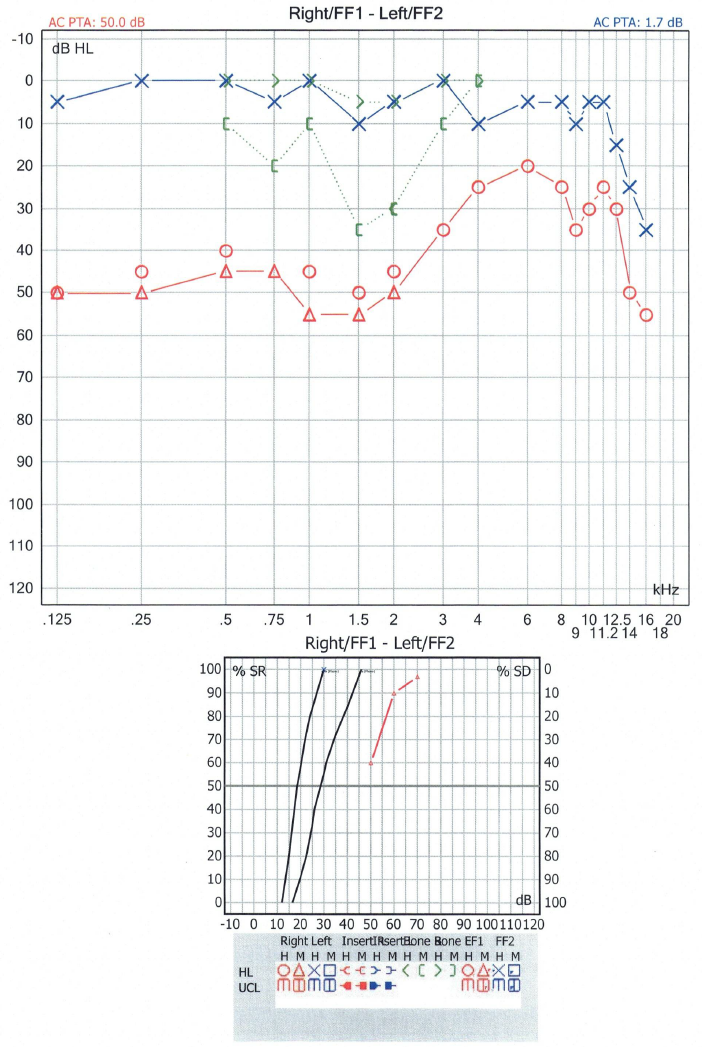
Importantly, misophonia is not caused by hearing loss, although it can occur alongside other auditory conditions, such as tinnitus or hyperacusis. And because it affects the way your brain processes and reacts to sound, not your ears themselves, standard hearing tests often appear normal.
How We Treat Misophonia at The Audiology Place
At The Audiology Place, we approach misophonia treatment through a combination of sound therapy, counselling support, coping strategies, and education. We are an independent audiology clinic, which means we tailor every treatment to your specific needs.
1. Comprehensive Audiological Assessment
We begin with a full 90-minute hearing consultation to rule out other auditory conditions, such as tinnitus, hyperacusis, or auditory processing disorder. We’ll also assess your loudness discomfort levels (LDLs) and conduct speech-in-noise testing to evaluate how your brain filters sounds in complex environments.
If appropriate, we use self-report questionnaires to assess how misophonia is impacting your daily life, mental health, and overall quality of life.
2. Sound Enrichment and Desensitisation
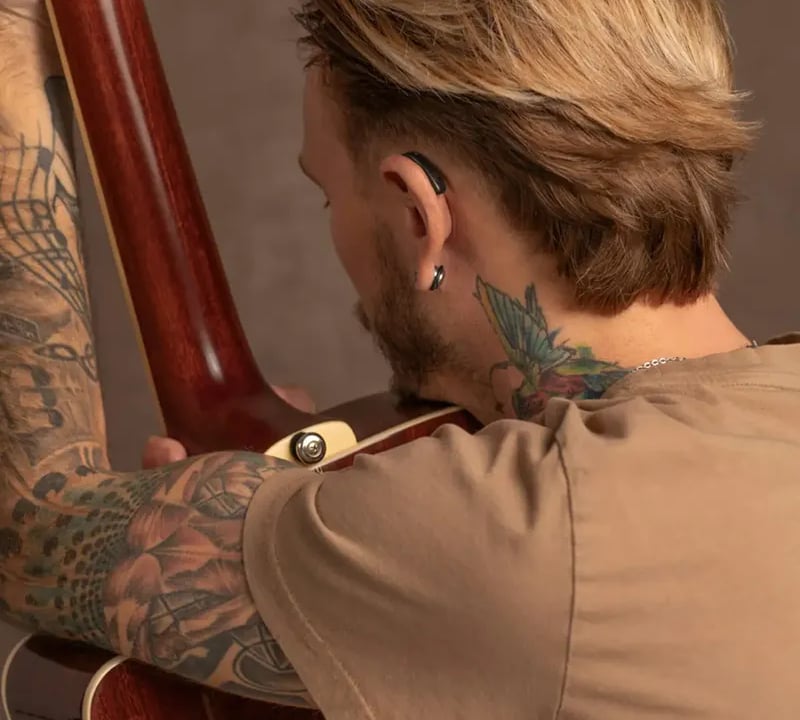
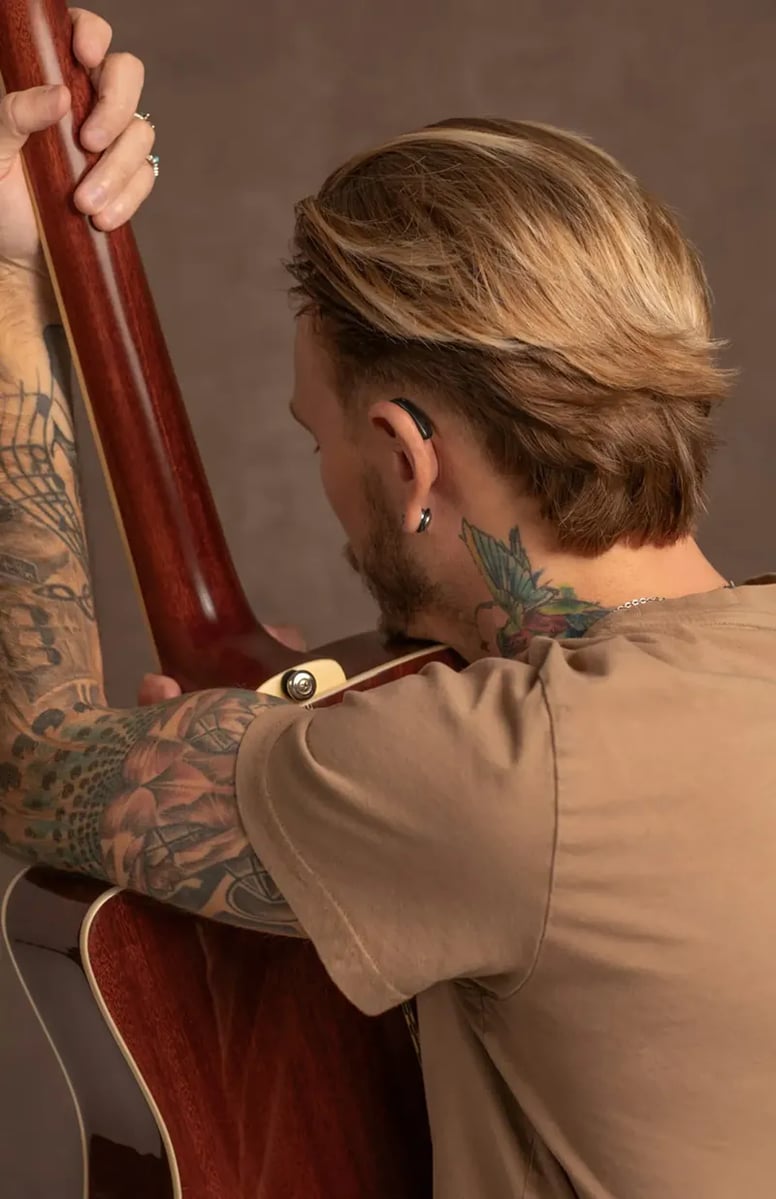
One of the most effective treatments for misophonia is sound enrichment using specialised devices that resemble tiny hearing aids. These devices play a soft, neutral sound—such as white noise or a gentle stream—into your ears, which helps to mask trigger sounds and reduce the contrast between silence and noise.
Over time, this helps to desensitise your auditory system, retraining your brain to process sounds with less emotional intensity.
3. Coping Strategies and Support
We work with you (and your family, where appropriate) to develop a personalised management plan that may include:
- Breathing and relaxation techniques
- Visual desensitisation
- Guided exposure to trigger sounds
- Creating “safe zones” in your home or school
- Communication tools for discussing your needs with others
- Referrals to psychologists who specialise in anxiety and sensory processing
If you are a parent of a child with misophonia, we also offer support in communicating with teachers and caregivers to build a supportive and understanding environment.
4. Ongoing Monitoring and Follow-Up
Misophonia is not something we expect you to “get over” in a single appointment. Like any neurological condition, improvement takes consistency, patience, and support. We schedule regular follow-ups to track progress, adjust strategies, and help you stay on track.
You will never be rushed out the door. Our clinic is a warm, quiet, and calm environment, featuring soundproof rooms and subdued lighting. We create an environment where you can feel heard, safe, and supported.
Misophonia in Children and Teens
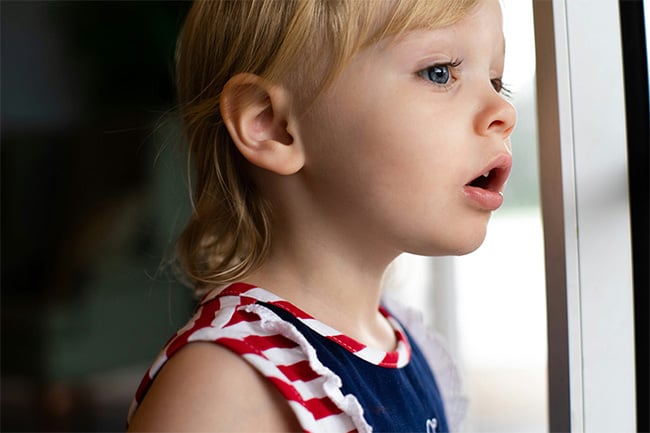
Many parents notice signs of misophonia in children as early as age 7 or 8. A child may cover their ears during dinner, abruptly leave the room, or lash out when someone is chewing or tapping nearby. This behaviour is often misinterpreted as rudeness, anxiety, or sensory overload.
At The Audiology Place, I take a gentle and compassionate approach to working with children. I help them identify what they’re experiencing, provide them with language to describe it, and support their emotional regulation with sound-based strategies that’re both age-appropriate and evidence-based.
We also provide guidance to families to reduce household conflict, avoid power struggles, and support your child’s growing independence and confidence.
Misophonia Treatment Is Possible. And It Works.
One of the most damaging myths about misophonia is that “nothing can be done.” That is not true. While there is no instant cure, effective, research-supported treatment options are available, and many of our patients experience significant relief within weeks or months of starting therapy.
It’s time we stop telling people to “just deal with it.”
Because we wouldn’t tell someone with chronic pain to “just ignore it.”
We wouldn’t tell someone with a panic disorder that it’s “not a big deal.”
We certainly wouldn’t call a neurological condition a “personality flaw.”
Misophonia deserves the same care, empathy, and professional treatment as any other medical condition. And that’s exactly what you’ll find here at The Audiology Place.
References
Bernstein, R. E., Angell, K. L., & Dehle, C. M. (2013). A brief course of cognitive behavioural therapy for the treatment of Misophonia: A case example. The Cognitive Behaviour Therapist, 6, e10
Cavanna, A. E. (2014). What is misophonia and how can we treat it? Expert Review of Neurotherapeutics, 14(4), 357–359. https://doi.org/10.1586/14737175.2014.892418
Eijsker, N., Schröder, A., Smit, D., van Wingen, G., Denys, D. (2021)
Structural and functional brain abnormalities in misophonia, European Neuropsychopharmacology, Volume 52, Pages 62-71, https://doi.org/10.1016/j.euroneuro.2021.05.013
Ferreira, G. M., Harrison, B. J., & Fontenelle, L. F. (2013). Hatred of sounds: Misophonic disorder or just an underreported psychiatric symptom? Annals of Clinical Psychiatry, 25(4), 271–274.
Ferrer-Torres A, Giménez-Llort L. (2022) Misophonia: A Systematic Review of Current and Future Trends in This Emerging Clinical Field. Int J Environ Res Public Health. 1;19(11):6790. doi: 10.3390/ijerph19116790.
Jastreboff, P. J., & Jastreboff, M. M. (2013). Using TRT to treat hyperacusis, misophonia and phonophobia. ENT Audiol News, 21(6), 88–90.
Perez, V., Friedman, A. (2023) Misophonia matters: A case study of the role of brain imaging in debates over new diagnoses. https://doi.org/10.1111/1467-9566.13679
Schröder, A., van Diepen, R., Mazaheri, A., Petropoulos-Petalas, D., de Amesti, V. S., Vulink, N., & Denys, D. (2014). Diminished n1 auditory evoked potentials to oddball stimuli in misophonia patients. Frontiers in Behavioural Neuroscience, 8, 123.