
An audiologist is an allied health professional who specialises in diagnosing, treating, and managing disorders related to hearing and balance. Audiologists play a critical role in improving the quality of life for individuals with hearing loss, tinnitus, auditory processing disorders, balance disorders, or other auditory system issues. By combining advanced medical knowledge with cutting-edge technology, they offer comprehensive care for individuals of all ages, from newborns to the elderly.
In this article, we’ll explore the qualifications required to become an audiologist in Australia, the scope of their work, the distinctions between audiologists and audiometrists, and why audiologists are vital to maintaining ear health.
Education and Accreditation for Audiologists in Australia
To practice as an audiologist in Australia, individuals must complete rigorous educational and clinical training. This involves obtaining Master of Clinical Audiology, following a relevant undergraduate degree.
While audiologists are not required by law to join professional bodies, accreditation from organisations such as Audiology Australia (AudA) or the Australian College of Audiology (ACAud) is highly regarded. These accreditations often involve completing a one-year clinical training program, which combines supervised practice with professional development to ensure competency.
Additionally, audiologists who wish to provide rehabilitative services under the Australian Government’s Hearing Services Program must apply for a Qualified Practitioner (QP) number, which requires obtaining accreditation. This program enables audiologists to serve eligible pensioners, war veterans, and young people under the age of 26, offering critical support to vulnerable populations.
What Does an Audiologist Do?
Audiologists are highly skilled in evaluating, diagnosing, and managing a wide range of hearing and balance disorders. Some of their core responsibilities include:
- Hearing Assessments
Audiologists conduct a variety of tests, such as behavioural hearing tests, otoacoustic emission measurements, and electrophysiologic tests, to determine the extent of hearing loss. These tests identify which frequencies are affected, the severity of the loss, and whether the issue lies in the outer, middle, or inner ear, or in the auditory nerve. - Hearing Aid and Cochlear Implant Fittings
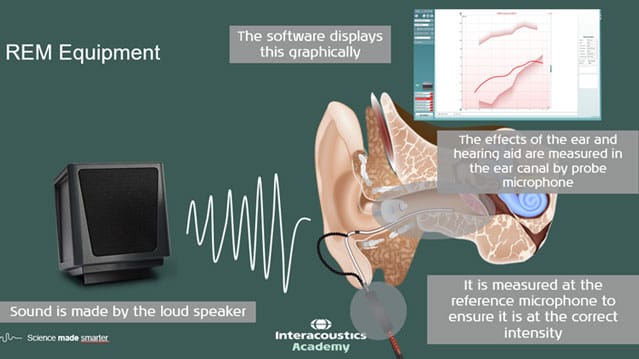
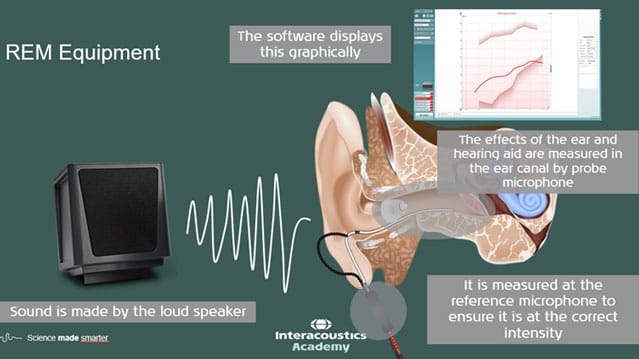
Audiologists are instrumental in prescribing and fitting hearing aids, cochlear implants, and other assistive listening devices. They fine-tune these devices to match the patient’s unique hearing profile, which should include using Real Ear Measurements (REM) to ensure optimal performance. - Rehabilitation Services
Beyond prescribing devices, audiologists provide counselling and rehabilitation services to help patients adapt to hearing loss. This includes offering strategies for effective communication, managing tinnitus, and teaching patients how to use and maintain their hearing aids. - Newborn and School Hearing Screenings
Audiologists run newborn hearing screening programs, ensuring early detection of hearing impairments. They also conduct school hearing tests to identify hearing issues that may impact a child’s learning and development. - Balance and Vestibular Disorder Management
Audiologists evaluate and treat balance disorders caused by inner ear dysfunctions, such as Benign Paroxysmal Positional Vertigo (BPPV). They employ techniques like canalith repositioning to help patients regain balance. - Customised Hearing Protection
Audiologists design and fit custom earplugs and hearing protection devices for individuals exposed to loud environments, such as industrial workers and musicians. These measures help prevent noise-induced hearing loss. - Specialised Care
Audiologists often specialise in areas such as tinnitus management, auditory processing disorders, paediatric audiology, or auditory rehabilitation for the elderly.

Audiologists vs. Audiometrists: Key Differences
While audiologists and audiometrists both work in hearing health, their roles, qualifications, and scope of practice differ significantly.
- Education and Training: Audiologists complete a minimum of six to eight years of education, including a bachelor’s degree, a master’s degree and a clinical internship. Audiometrists typically hold a two-year diploma in audiometry, focused on fitting and repairing hearing aids for the adult population.
- Scope of Practice: Audiologists diagnose and manage complex auditory and vestibular conditions, prescribe hearing aids and cochlear implants, and collaborate with other healthcare professionals. Audiometrists, on the other hand, perform hearing tests, fit hearing aids, and provide basic hearing care, often under the supervision of an audiologist.
- Medical Expertise: Audiologists are trained to manage medical aspects of hearing health, such as balance disorders, tinnitus, and auditory processing issues, whereas audiometrists have a focus on non-medical hearing support.
Why Are Audiologists Essential?
Hearing is a critical sense that influences communication, learning, social interactions, and overall quality of life. Left untreated, hearing loss can lead to social isolation, cognitive decline, and reduced work productivity. Audiologists bridge the gap between hearing impairment and improved quality of life by providing tailored interventions.
Some of the reasons audiologists are vital include:
- Early Detection: Audiologists can identify hearing loss early, ensuring timely interventions that prevent further deterioration.
- Personalised Care: By understanding the unique needs of each patient, audiologists provide customised solutions that go beyond generic hearing aids.
- Improved Communication: With effective rehabilitation and hearing devices, audiologists empower individuals to reconnect with their surroundings and communicate confidently.
- Preventative Strategies: Audiologists educate individuals and industries on hearing conservation, helping to reduce the prevalence of noise-induced hearing loss.
- Support for All Ages: From newborns requiring early intervention to elderly individuals managing age-related hearing loss, audiologists deliver compassionate care across all stages of life.
Audiologists are indispensable healthcare professionals specialising in hearing and balance. Their advanced education and training enable them to provide comprehensive care, from diagnosing hearing loss to fitting state-of-the-art devices and managing complex vestibular disorders. By choosing an audiologist, you are investing in expert care that improves your hearing health and quality of life.
At The Audiology Place, our Audiologist has undergone further international training and obtained her Doctor of Audiology through A.T. Still University in Arizona, USA. We are committed to providing evidence-based, patient-centred care. Whether you need a hearing test, a hearing aid fitting, or support for a balance disorder, our experienced audiologists are here to guide you every step of the way. Reach out today and take the first step toward better hearing.