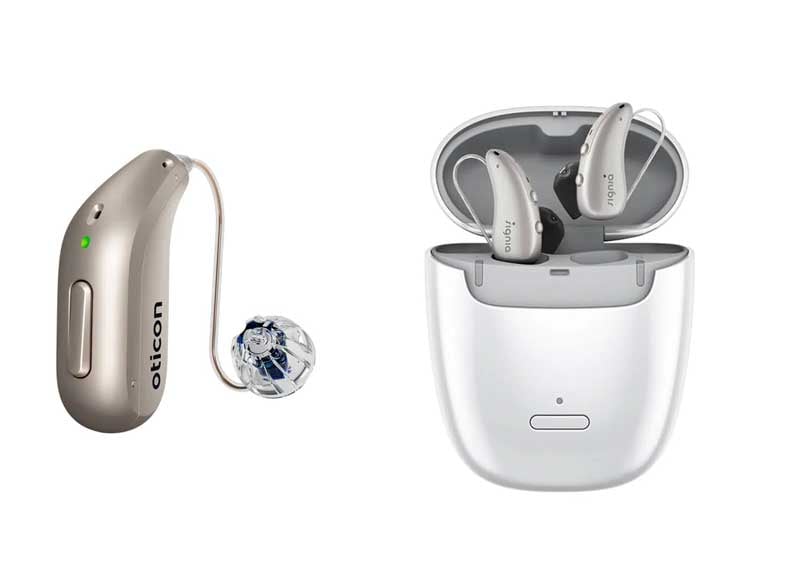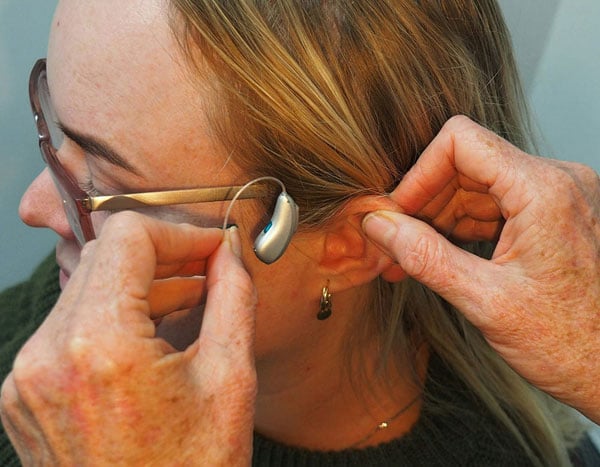

Choosing the right hearing aid isn’t just about picking a device off a shelf — it’s about matching your hearing loss, lifestyle, budget, and technology preferences to the right solution. Whether your hearing loss is mild or profound, whether you’re socially active or mostly at home, whether price is a key factor, or whether you use an iPhone or Android, each of these factors materially affects which hearing aid will work best for you. What suits one person perfectly may be completely wrong for another, even if their hearing test looks similar on paper.
This is why it’s worth talking to an audiologist rather than trying to self-diagnose or rely on generic advice. An audiologist doesn’t just measure how loud sounds need to be — they assess how you understand speech, how you cope in noise, how your ears physically shape sound, and how your hearing fits into your daily life. They can also explain how Australian Government programs like the Hearing Services Program may reduce or eliminate costs, help you compare basic versus premium options realistically, and ensure smartphone compatibility and future needs are properly considered.
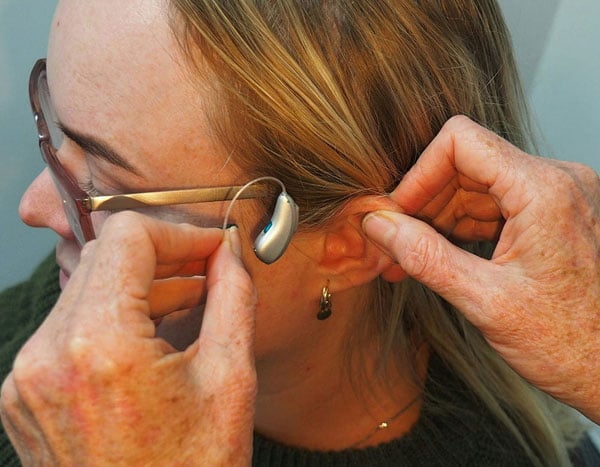
Most importantly, hearing aids only deliver their full benefit when they are correctly selected, fitted, and fine-tuned over time. Even the best technology will underperform if it isn’t matched to your hearing profile or adjusted as your brain adapts to amplified sound. A conversation with an audiologist turns a confusing purchase decision into a guided process focused on outcomes — clearer speech, less listening effort, and greater confidence in everyday life.
Read our full guide in PDF here.