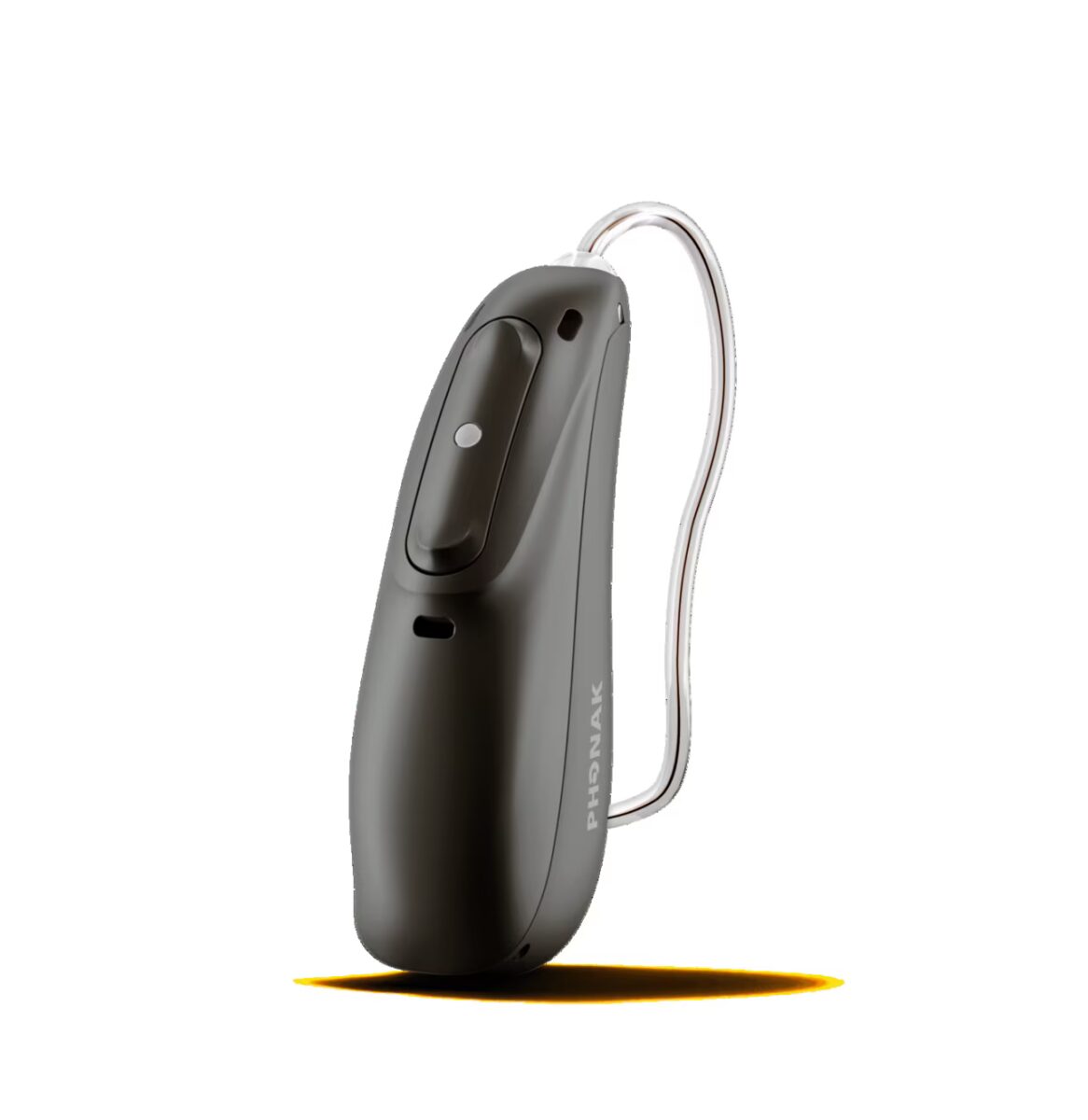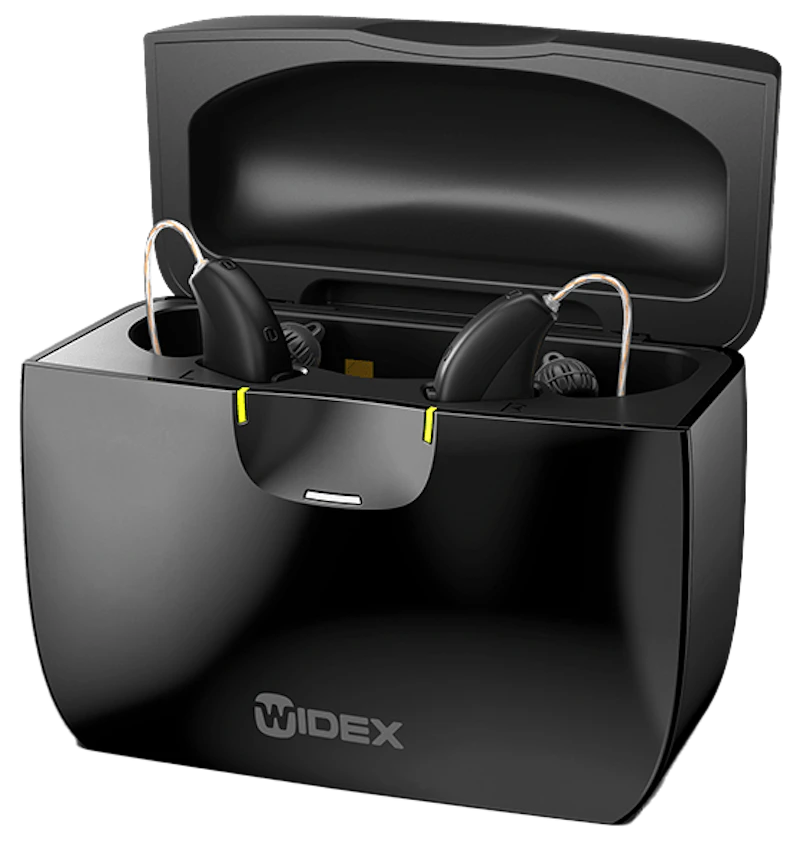

Your hearing aids are tiny computers that happen to help you hear. And like every other piece of technology you own, the battery life never quite matches what’s printed on the box. That “low battery” warning at 2pm when you were promised all-day power? You’re not imagining things. The gap between marketing claims and reality is real, and understanding why it exists will save you a lot of frustration.
This is general information, not medical advice. Talk to your audiologist about your specific situation.
What “all-day battery life” actually means
Let’s get the baseline straight. Disposable zinc-air batteries (the little round ones in sizes 10, 13, 312, and 675) last anywhere from three to 22 days, depending on size and how you use them. Rechargeable hearing aids claim 18 to 30 hours per charge. Your mileage will vary. Probably downward.
Here’s the thing: manufacturers don’t advertise; those battery estimates are based on lab conditions. Eight hours of wear. Barely any streaming. Moderate amplification. It’s like testing fuel economy by rolling a car downhill with the engine off. Your actual life looks nothing like that.
Bluetooth streaming eats batteries for breakfast
Nothing kills your battery faster than streaming. Phone calls, music, and TV audio piped directly to your ears. All of it demands serious power.
We’re talking 30 to 50 per cent reductions in battery life with heavy streaming. That rechargeable aid promising 24 hours? With regular streaming throughout the day, you might hit 12 to 16 hours. Disposable batteries that should last a week? Three or four days.
This isn’t a reason to stop streaming. Streaming is genuinely useful and one of the best features modern hearing aids offer. But knowing the trade-off lets you plan. If you’ve got a long day ahead, maybe save the podcast binge for when you’re near a charger.
More power, more problems
Your hearing loss severity matters here. Profound losses needing heavy amplification chew through batteries faster than mild losses. If your audiologist has cranked up the power settings for your specific needs, that costs energy too.
All those fancy features working behind the scenes? They’re not free. Noise reduction, directional microphones, wind noise management, feedback cancellation. Every algorithm running in those tiny devices draws power. The noisier your environment, the harder everything works.
So a quiet day at home? Good battery life. Afternoon at a crowded café with music playing and espresso machines screaming? Your batteries are working overtime.
Australian weather is hard on batteries
Heat kills batteries. Cold kills batteries. And we’ve got plenty of both depending on where you live.
Zinc-air batteries especially hate temperature swings. Cold weather temporarily drops their voltage output. Hot weather accelerates the chemistry that makes them age. Leave your hearing aids in a hot car for even a short time and you can permanently damage rechargeable batteries. Do that with disposables and you’ve just shortened their life considerably.
Those sudden shifts from air conditioning into summer heat? That causes condensation. Moisture and electronics don’t play well together.
Humidity is another problem, particularly along the coast and up north. Modern hearing aids have moisture protection built in, but excessive humidity still affects battery contacts and internal components. The result is inconsistent power delivery and shorter life.
Old batteries don’t perform like new ones
Disposable batteries start losing charge the moment you peel off that little tab. Oxygen activates them, and the clock starts ticking whether you’re wearing them or not. Buy from shops with good turnover. Check expiration dates. Don’t stock up like you’re prepping for the apocalypse unless you’ll actually use them within two or three years.
Rechargeable lithium-ion batteries degrade with every charge cycle. Just like your phone. Most hearing aid batteries keep about 80 percent of their original capacity after 500 full cycles. That works out to roughly 18 months to two years of daily charging. After that, runtime starts dropping noticeably. Eventually you’ll need new batteries. Your audiologist can arrange this, though depending on the model it might mean sending devices to the manufacturer or, in some cases, replacing the whole hearing aid.
Your charger needs attention too
Dirty charging contacts stop proper power transfer. Your aids sit in the charger all night and come out half-charged. Clean those contacts monthly with a dry cotton bud or the brush that came with your hearing aids.
A few other things worth doing:
- Check contacts for corrosion, especially if you live near the coast
- Make sure the charger is plugged into a stable power source
- Replace damaged cables quickly
- Keep the charger away from bathrooms and steamy rooms
- Consider a surge protector during storm season
Try to avoid constantly partial-charging if you can. Modern batteries don’t have the old “memory effect” problem, but regularly going from 40 to 60 percent instead of full cycles can mess with the battery management system’s ability to tell you how much charge is actually left.
Travelling with hearing aids
Travel throws a few extra challenges at you. Disposable battery users should pack more than they think they need. Fifty percent extra is a decent rule. Account for extra streaming during flights and inevitable delays.
If you’ve got rechargeables, pack the charger in your carry-on. Bring a fully charged power bank as backup. Most USB-compatible hearing aid chargers can draw from portable batteries. Just verify your power bank provides enough output (usually 5V/1A minimum) and has the capacity for your charger.
Airport security screening won’t damage your batteries. But take your aids off and store them safely during screening so they don’t get lost or damaged. Let security know you wear hearing aids since it affects communication during the process.
When something’s actually wrong
Sudden changes in battery performance mean something’s up. If aids that used to last all day are dying before lunch, book an appointment. Could be moisture damage. Could be a component problem. Could be changes in your hearing that mean the power settings need adjustment.
If rechargeable aids won’t hold a charge even after you’ve cleaned the contacts and tried different power sources, the batteries probably need replacing. Your audiologist can test this properly. At The Audiology Place, we can check your hearing aids’ power consumption and battery health with actual measurements rather than guesswork.
Day-to-day tactics
A few habits make battery management easier. Open the battery compartment when you take your aids off at night. This lets moisture escape and, for disposables, stops power drain. Rechargeable users should establish a consistent overnight charging routine.
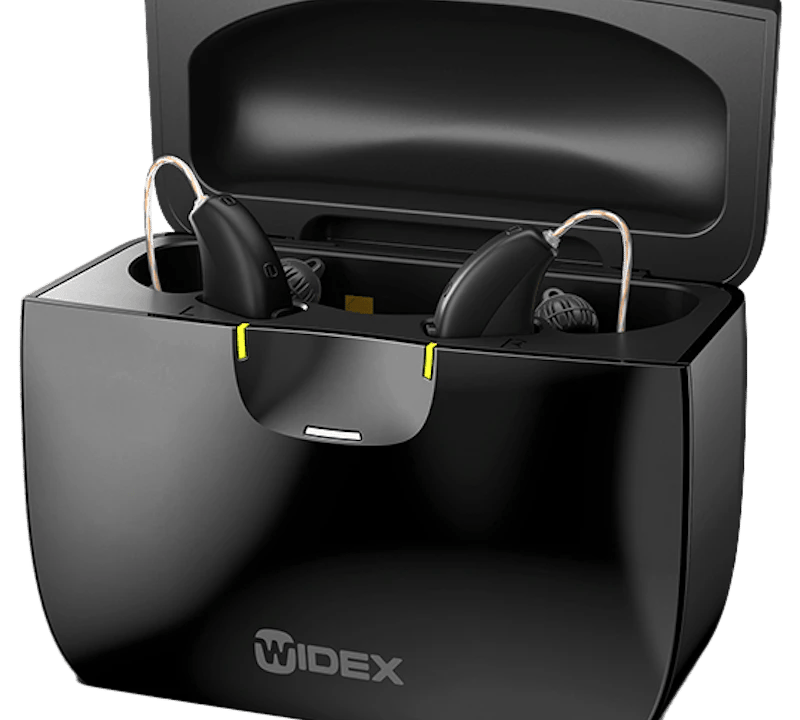
Watch your streaming habits without giving up the features that make modern hearing aids worthwhile. Big day ahead? Maybe skip the music streaming and save battery for phone calls. Or keep a charging case handy if your model supports mid-day top-ups.
Expect to manage your batteries like you manage your phone. Nightly charging. Occasional battery replacement. The processing power that lets you hear in noisy rooms, separate speech from background noise, and stream clear phone calls costs energy. Worth it for what you get back.
The Audiology Place offers follow-up care and honest, brand-agnostic advice on hearing aid battery performance. We’ll test whether your devices are actually working properly and tell you the truth about whether anything needs replacing.