
Eustachian tube dysfunction (ETD) occurs when the narrow channel connecting your middle ear to the back of your nose fails to open and close properly, leaving you with a persistent sense of fullness, muffled hearing, or the feeling that your ears need to pop but won’t. It’s one of the most common reasons people walk into our clinic convinced they have wax or sudden hearing loss, only to discover the problem sits deeper, behind an intact eardrum, in a space that should equalise pressure dozens of times a day without you noticing.
After two decades of conducting tympanometry on patients who describe their ears as ‘blocked’, I can tell you that ETD is frequently misunderstood, often dismissed as trivial, and sometimes left untreated long enough to cause secondary problems that could have been avoided. This article explains what’s actually happening when your Eustachian tubes stop doing their job, how we differentiate it from other causes of ear fullness, and what evidence-based management looks like today.
How the Eustachian Tube Works (and Why It Matters)
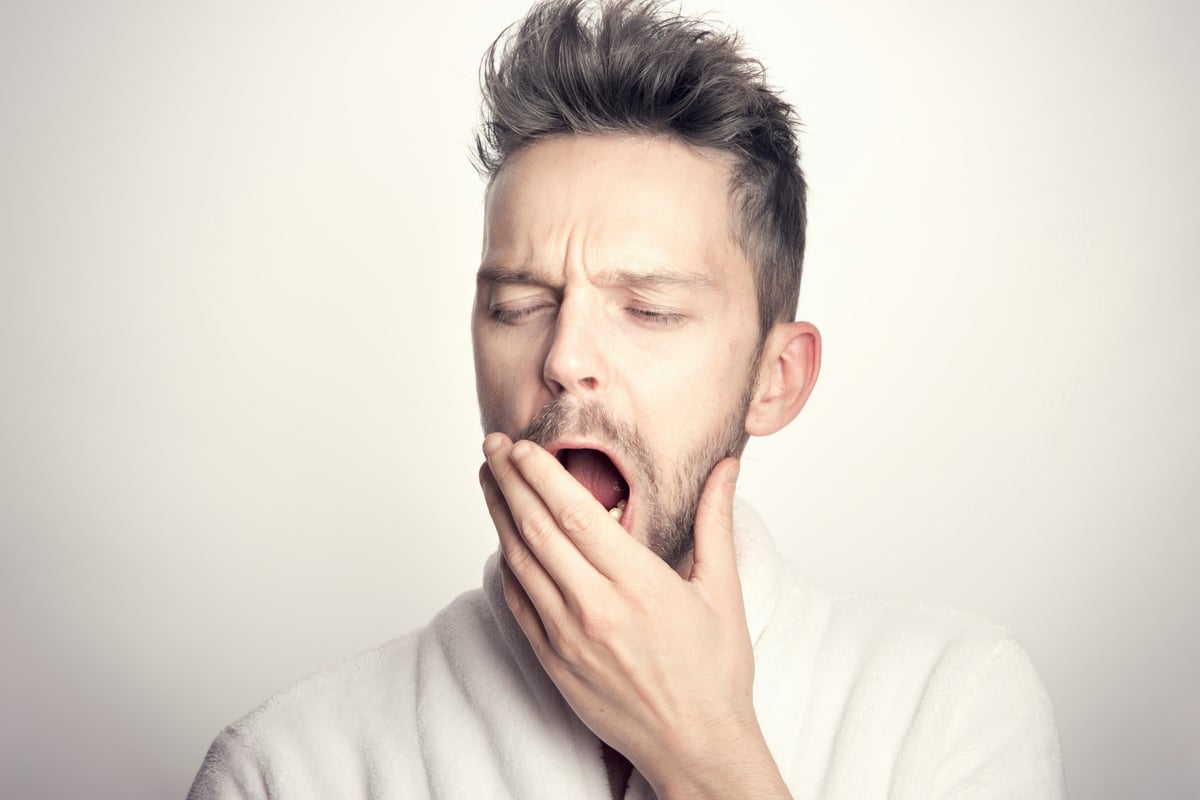
The Eustachian tube is a roughly 35-millimetre canal lined with mucosa and surrounded by cartilage and muscle. In adults, it angles downwards from the middle ear towards the nasopharynx at about 45 degrees. Its primary job is pressure equalisation. It opens briefly during swallowing, yawning, or chewing to allow air into the middle ear space so the pressure on both sides of your eardrum stays matched. When that system fails, the middle ear becomes a closed cavity subject to absorption of trapped air, creating negative pressure that tugs the eardrum inward and dampens its ability to vibrate efficiently.
That mechanical change is what causes the hallmark symptoms: a sensation of fullness or blockage, autophony (hearing your own voice as unusually loud or resonant inside your head), intermittent popping or crackling, and a mild conductive hearing loss typically in the 10 to 25 dB range across the low frequencies. Patients often describe it as feeling like they’re underwater or that someone has their hand cupped over the affected ear. Flying, driving through the mountains, or riding a lift in a tall building makes it worse, because rapid altitude changes exaggerate the pressure imbalance.
What Causes Eustachian Tube Dysfunction?
The list of culprits is longer than most people expect, and it’s rarely just one thing. Upper respiratory tract infections are the classic trigger. Viral inflammation causes mucosal swelling throughout the nasal passages and Eustachian tube lining, temporarily obstructing the lumen. Most cases of post-cold ETD resolve within two to three weeks as the inflammation settles, but some patients develop a chronic pattern, especially if allergic rhinitis or chronic rhinosinusitis keeps the mucosa perpetually boggy.
Anatomical factors play a larger role than many GPs appreciate. People with a naturally narrow or more horizontal Eustachian tube (common in young children but also seen in some adults) are predisposed to dysfunction. Adenoidal hypertrophy in kids and nasopharyngeal masses in adults can mechanically block the tubal opening. I’ve diagnosed more than one case of chronic unilateral ETD that turned out to be a nasopharyngeal carcinoma on imaging, which is why persistent one-sided symptoms always warrant an ENT referral and nasal endoscopy.
Laryngopharyngeal reflux (LPR), a variant of gastro-oesophageal reflux disease (GORD), is an under-recognised cause. Acidic or pepsin-laden refluxate irritates the Eustachian tube opening and causes chronic inflammation even in the absence of heartburn. Barometric pressure changes, hormonal fluctuations during pregnancy, and even aggressive nose-blowing can all contribute. Smokers have a significantly higher incidence of ETD, likely due to chronic mucosal irritation and impaired ciliary clearance.
Diagnosing ETD in the Clinic
When a patient presents with suspected ETD, the first thing we do is tympanometry, a quick, objective test that measures how the eardrum moves in response to changes in air pressure delivered via a probe sealed in the ear canal. A normal tympanogram (Type A) shows a sharp peak at or near 0 daPa, indicating normal middle ear pressure and eardrum mobility. In ETD, we typically see a Type C tympanogram with the peak shifted into negative pressure territory, often between -100 and -400 daPa, or a flat Type B trace if there’s fluid accumulation (otitis media with effusion) secondary to prolonged dysfunction.
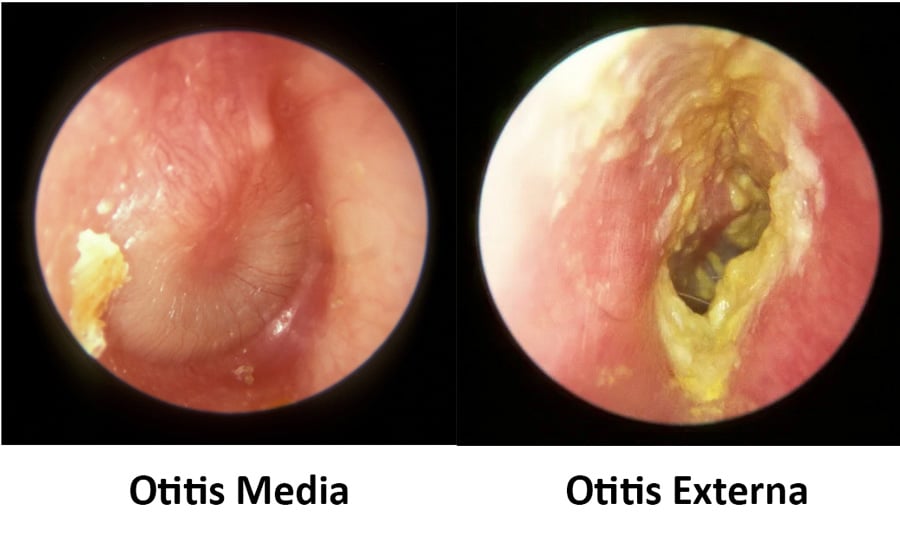
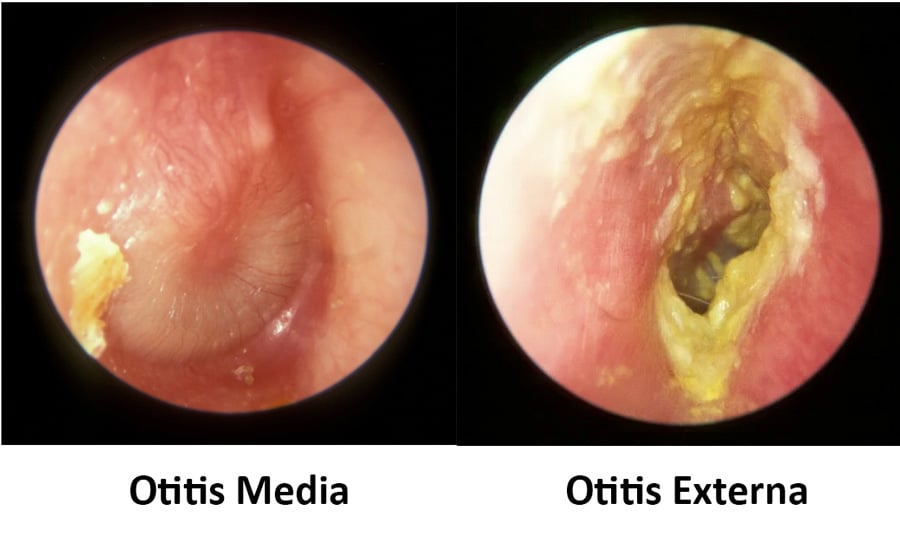
Pure tone audiometry usually reveals a mild low-frequency conductive hearing loss with normal bone conduction thresholds and an air-bone gap of 10 to 20 dB. Speech discrimination scores remain excellent because the cochlea is unaffected. The combination of negative middle ear pressure on tympanometry, a conductive loss on audiometry, and an intact tympanic membrane on otoscopy gives us a clear picture. If the eardrum looks retracted, with the malleus handle appearing more prominent and the light reflex distorted, that’s further confirmation.
We also perform a Valsalva or Toynbee manoeuvre in the clinic to see if the patient can voluntarily equalise pressure. Many can’t, or they do so asymmetrically. Some patients report being able to ‘pop’ their ears but find the relief lasts only seconds, which suggests the tube opens briefly but doesn’t stay patent long enough to fully equilibrate.
Differentiating ETD from Other Causes of Blocked Ears
Much of the diagnostic work is ruling out the other conditions that get mistaken for ETD. Patients come in certain they have impacted wax, and while cerumen occlusion does cause ear fullness, it doesn’t typically change with swallowing, altitude, or head position. Otoscopy settles that question in seconds. Ménière’s disease also causes fullness, but it’s episodic, accompanied by vertigo and tinnitus, and tympanometry is usually normal. Sudden sensorineural hearing loss presents with fullness too, but the hearing loss is sensorineural (bone conduction affected), often unilateral, and usually more severe. That’s a medical emergency requiring same-day oral corticosteroids and ENT review.
Patulous Eustachian tube dysfunction, where the tube stays open instead of closed, causes autophony and a sensation of hearing your own breathing, often relieved by lying down. Tympanometry can show respiratory oscillations on the trace. It’s rarer but easily missed if you’re not specifically considering it.
Superior semicircular canal dehiscence (SSCD) mimics ETD with autophony and conductive hearing loss, but patients often also report sound- or pressure-induced vertigo (Tullio phenomenon) and bone conduction thresholds that appear paradoxically better than air conduction in the low frequencies on audiometry. Diagnosis requires high-resolution CT temporal bone imaging.
Evidence-Based Management of Eustachian Tube Dysfunction
Most acute ETD resolves without intervention once the underlying trigger, usually a cold or allergy flare, settles. For symptomatic relief, we recommend autoinflation techniques. The Otovent device, a small balloon inflated through one nostril while the other is pinched shut, has decent evidence behind it: a 2018 Cochrane review found moderate-quality evidence that autoinflation improves symptoms and middle ear pressure in children with otitis media with effusion, and clinical experience suggests similar benefit in adults with ETD. Patients perform it three times daily for two to four weeks.
Nasal corticosteroid sprays (mometasone, fluticasone) reduce mucosal inflammation and are first-line for patients with concurrent allergic rhinitis or chronic rhinosinusitis. We typically trial them for at least four to six weeks. Oral or topical decongestants (pseudoephedrine, xylometazoline) can provide short-term relief, especially before flying, but rebound congestion limits their use beyond a few days. Oral antihistamines help if allergy is driving the problem, though older sedating types can paradoxically thicken secretions.
For patients with suspected LPR, a trial of proton pump inhibitors (omeprazole 20 to 40 mg daily) and dietary modification (avoiding caffeine, alcohol, spicy food, late-night eating) is reasonable, though the evidence base is weaker than for classic GORD.
When to Refer to an Ear, Nose, and Throat Specialist
Persistent ETD, meaning symptoms lasting beyond three months despite conservative management, warrants ENT assessment. The 2015 international consensus statement on ETD, published in the International Forum of Allergy & Rhinology, provides a useful framework: refer if symptoms are chronic, unilateral, or associated with structural abnormalities visible on otoscopy or imaging.
An ENT will perform nasal endoscopy to visualise the Eustachian tube orifice and rule out obstructive lesions, and may order a CT scan if there’s concern for sinonasal disease or a mass. In selected cases, they may offer Eustachian tube balloon dilation, a procedure in which a small catheter-mounted balloon is inflated within the cartilaginous portion of the tube to widen the lumen. A 2019 systematic review in Otolaryngology–Head and Neck Surgery reported symptom improvement in 60 to 70 per cent of patients with refractory ETD at 12-month follow-up, though patient selection is critical. Those with dynamic obstruction do better than those with patulous dysfunction or bony narrowing.
Grommet (ventilation tube) insertion is an older option that bypasses Eustachian tube function altogether by creating an alternative pressure equalisation route through the eardrum. It’s effective but carries risks including perforation, infection, and tube extrusion requiring replacement.
What to Expect at The Audiology Place
If you’re experiencing persistent ear pressure, muffled hearing, or popping that won’t resolve, we’ll start with a thorough case history (duration, triggers, unilateral versus bilateral, concurrent nasal or sinus symptoms) and a full diagnostic hearing assessment including tympanometry and pure tone audiometry. That gives us the objective data to confirm or exclude ETD and differentiate it from other causes.
If we identify ETD, we’ll discuss autoinflation techniques, appropriate over-the-counter or prescription options (bearing in mind we can’t prescribe, but can guide you on what to discuss with your GP), and when to escalate. If symptoms are chronic, unilateral, or we see red flags such as unilateral hearing loss, persistent unilateral tinnitus, or visible middle ear effusion, we’ll refer you directly to an ENT colleague with a summary of findings.
We’re not a hearing aid retailer, and we don’t have a vested interest in over-medicalising straightforward conditions. But we also won’t tell you to ‘give it time’ if the clinical picture suggests something that needs specialist assessment. That’s the advantage of independent audiology: we follow the evidence and the patient, not a sales target.
Disclaimer: This article is for information only and does not constitute medical advice. If you have concerns about your hearing or ear symptoms, book a hearing assessment or consult your GP for personalised guidance and, where appropriate, referral to an ear, nose, and throat specialist.