
That muffled sensation in your ears during hay fever season or after a cold can range from mildly annoying to genuinely concerning. Most of us have experienced blocked ears at some point, perhaps after a flight, during a spring pollen surge, or while battling a head cold. But how do you know when a temporary blockage crosses into something that needs professional attention?
Understanding the difference between standard, self-limiting ear pressure and symptoms that warrant medical assessment can help you protect your hearing health and avoid unnecessary worry. This guide walks you through the common causes of blocked ears, practical self-care strategies, and the warning signs that indicate it’s time to see a healthcare professional.
Understanding Why Ears Block: The Eustachian Tube Connection
The sensation of blocked ears typically stems from dysfunction in the Eustachian tube—a narrow passage connecting your middle ear to the back of your throat. This tube performs several crucial functions: equalising air pressure on both sides of your eardrum, draining fluid from the middle ear, and protecting the middle ear from pathogens.
When the Eustachian tube becomes swollen or blocked, you may experience that characteristic “underwater” feeling, reduced hearing clarity, ear pressure or fullness, popping or crackling sounds, and occasionally mild discomfort or pain. This condition, known as Eustachian tube dysfunction, is prevalent and often resolves without intervention.
Seasonal allergies are among the most common triggers. When your immune system responds to pollen, dust mites, or other allergens, the resulting inflammation doesn’t confine itself to your nose, it extends throughout the connected passages of your upper respiratory system, including the Eustachian tubes. Similarly, viral infections such as the common cold can cause swelling and mucus production that can temporarily compromise Eustachian tube function.
Seasonal Patterns and Common Triggers
Most people notice predictable patterns in their ear blockage. Spring and autumn often bring increased complaints of blocked ears as pollen from trees, grasses, and weeds circulates. For those with dust mite sensitivity, symptoms may worsen during winter months when homes are sealed against the cold and heating systems circulate indoor allergens.
Upper respiratory infections follow their own seasonal rhythm, typically peaking during cooler months when people spend more time indoors in close proximity. It’s worth noting that children experience blocked ears more frequently than adults because their shorter, more horizontal Eustachian tubes don’t drain as efficiently. Family history of allergies also increases susceptibility to Eustachian tube dysfunction.
Environmental factors beyond allergens can also contribute. Air travel, scuba diving, rapid elevation changes, and even aggressive nose-blowing can affect Eustachian tube function. Smoking and exposure to second-hand smoke irritate the delicate lining of these passages and impair their standard clearing mechanisms.
What’s Normal: Self-Limiting Blockage
Most blocked ear episodes resolve naturally within a few days to two weeks. This timeframe is considered normal, particularly when blockage follows an apparent trigger like a cold or known allergen exposure. During this period, you might notice symptoms fluctuate throughout the day—often worse upon waking and improving as you move about.
Normal, self-limiting blockage typically presents with mild to moderate symptoms that gradually improve, no significant pain (though some pressure is standard), hearing reduction that’s noticeable but not severe, and equal or similar symptoms in both ears. You should still be able to carry out everyday activities. However, you might find yourself asking people to repeat themselves or turning up the television volume.
The key characteristic of normal blockage is the trajectory—even if improvement seems slow, you should notice a general trend toward resolution rather than worsening or unchanging symptoms.
Safe Self-Care Strategies
For uncomplicated blocked ears, several evidence-based home strategies can provide relief:
- Encourage natural drainage: Stay well-hydrated to keep mucus thin and easier to clear. Chewing gum or yawning can help activate the muscles that open the Eustachian tubes. The Valsalva manoeuvre—gently blowing with your mouth closed and nostrils pinched—can equalise pressure. However, this should be done cautiously and not repeated excessively.
- Manage allergies proactively: Over-the-counter antihistamines can reduce the allergic response, driving Eustachian tube inflammation. Nasal corticosteroid sprays, while taking several days to reach full effectiveness, address inflammation directly at its source. For confirmed allergen triggers, minimising exposure makes a substantial difference—this might mean keeping windows closed during high pollen counts, using allergen-proof bedding covers, or maintaining indoor humidity between 30-50% to discourage dust mites.
- Apply warmth carefully: A warm compress against the affected ear can ease discomfort, though it won’t directly resolve Eustachian tube dysfunction. Some people find steam inhalation helpful for loosening congestion throughout the upper respiratory system.
- Avoid problematic behaviours: Inserting cotton buds or other objects into the ear canal won’t address Eustachian tube blockage and risks damaging the ear canal or eardrum. Forceful nose-blowing can push infected material into the Eustachian tubes, potentially worsening the problem.
Warning Signs: When Blocked Ears Aren’t Normal
Specific symptoms signal that your blocked ears have moved beyond the self-care category and require professional assessment:
– Persistent symptoms beyond two to three weeks without improvement
– Severe pain that interferes with daily activities or sleep
– Discharge from the ear, particularly if bloody or foul-smelling
– Sudden hearing loss or hearing that continues to deteriorate
– Dizziness or vertigo accompanying the blockage
– Fever suggesting possible infection
– Symptoms in only one ear that don’t resolve, which could indicate a structural issue rather than simple inflammation
– Tinnitus (ringing or buzzing) that’s new, persistent, or worsening
– Feeling of fullness combined with facial pain, which might suggest sinusitis requiring treatment
For children, additional red flags include pulling at ears with signs of distress, balance problems or clumsiness, not responding to sounds, and speech development concerns in young children with recurrent blockage.
Childhood Ear Infections & Auditory Processing (APD): What the Research Shows
Recurrent middle-ear problems in early childhood—such as otitis media with effusion (glue ear) or repeated acute infections—don’t just cause temporary muffled hearing. A growing body of research indicates they can have longer-term effects on how the brain processes sound, even after the ears “test normal” on a standard hearing test. In particular, children with a history of frequent or prolonged middle-ear disease show higher rates of auditory processing difficulties: trouble understanding speech in noise, keeping up with rapid instructions, localising where sound comes from, and decoding subtle timing cues in speech.
Why might this happen? During the critical years when the brain is wiring up its hearing pathways, fluctuating conductive hearing loss (on-off muffling from middle-ear fluid) can provide an inconsistent sound signal. That “noisy input” appears to leave a footprint in central auditory pathways, with studies reporting measurable differences in temporal processing and binaural/spatial listening—even when pure-tone thresholds later return to normal. Recent work has shown deficits in spatial hearing and increased listening effort in school-aged children with prior glue ear, as well as broader language and processing effects in cohorts followed over time.
Importantly, this is a risk, not a destiny: not every child with ear infections will develop APD, and results can vary across studies. But taken together, the evidence supports a cautious, proactive approach—especially when parents or teachers notice persistent “listening” issues that seem out of proportion to the child’s hearing test results. Systematic and narrative reviews over the last few years have converged on the conclusion that early and/or recurrent otitis media can be associated with later auditory processing abnormalities and educational impacts.
When to consider an APD-focused assessment
If your child had frequent ear infections or prolonged glue ear in childhood, and you’re seeing any of the following, an APD assessment may provide further information beyond a standard hearing assessment:
- Struggles to understand speech in noisy classrooms or group settings
- Needs instructions repeated or has difficulty following multi-step directions
- Trouble locating where sounds come from or is easily distracted by background noise
- Ongoing reading/spelling challenges that seem linked to sound-processing rather than vision
At The Audiology Place, we can incorporate age-appropriate listening tests (e.g., speech-in-noise measures and temporal and dichotic listening tasks, alongside standard hearing assessments. If results suggest an auditory processing profile, we’ll outline next steps—such as classroom accommodations, targeted listening and auditory training, assistive listening devices and collaboration with your GP, teacher, or speech-language pathologist. Early identification helps children work smarter, not harder, in noisy real-world environments.
When to See Your GP or ENT Specialist
Your general practitioner should be your first point of contact for blocked ears that persist beyond self-care measures or present with warning signs. A GP can examine your ears, assess for infection, review your medical history for underlying causes, prescribe appropriate medications if needed, and determine whether specialist referral is warranted.
An ear, nose, and throat (ENT) specialist becomes necessary when blockage is recurrent or chronic, when GP treatments haven’t resolved the issue, if structural abnormalities are suspected, or when hearing loss persists after the acute episode resolves.
When to Test Your Hearing
Many people wonder whether blocked ears warrant a hearing test. Comprehensive audiological assessment becomes valuable in several scenarios:
If hearing doesn’t return to normal after the blockage resolves, testing establishes whether temporary dysfunction has caused lasting damage. For recurrent episodes, baseline hearing measurements help track whether repeated blockages are affecting your auditory system over time. When speech clarity seems disproportionately affected—you hear that people are talking but struggle to understand words—specialised speech-in-noise testing can identify subtle processing difficulties that standard hearing tests might miss.
At The Audiology Place, comprehensive assessments include tympanometry, which measures eardrum movement and can confirm Eustachian tube dysfunction or middle ear fluid; diagnostic audiometry across a full frequency range and speech discrimination testing to assess functional hearing.
These objective measures provide far more reliable information than subjective impressions and create an essential baseline for monitoring changes over time.
The Family Dimension: Children and Blocked Ears
Children deserve special mention because they experience blocked ears and Eustachian tube dysfunction far more frequently than adults. The horizontal orientation of young Eustachian tubes makes them poor at draining, and children’s developing immune systems lead to more frequent upper respiratory infections.
Parents should watch for subtle signs that a child’s blocked ears are affecting them beyond mere physical discomfort. Academic performance may decline if hearing reduction makes it difficult to follow classroom instruction. Social withdrawal can occur when children struggle to hear their playmates. Behavioural changes sometimes reflect frustration with hearing rather than deliberate misbehaviour.
Recurrent ear blockage during critical language development years (roughly birth to age five) can impact speech and language acquisition. Suppose your child experiences frequent or prolonged episodes. In that case, discussing this with both your GP and an audiologist helps ensure that temporary hearing reduction doesn’t create lasting developmental impacts.
The Limits of Remote Advice
Telehealth and online resources have expanded access to health information and preliminary consultations. However, ear conditions fundamentally require direct examination for accurate diagnosis. While a telehealth consultation might help you decide whether immediate in-person care is needed, definitive assessment of blocked ears requires otoscopy (looking into the ear canal), tympanometry, and sometimes hearing testing—none of which can be performed remotely.
Be cautious about attempting treatments suggested by online sources without professional guidance. The ear is a delicate organ where well-meaning interventions can sometimes cause harm. Ear candling, for instance, lacks scientific support and poses a genuine risk of burns and ear canal obstruction.
A Note About Hearing Devices and Eustachian Tube Dysfunction
If you already wear hearing aids, blocked ears present a particular challenge. The devices may feel uncomfortable, provide inadequate benefit due to conductive hearing loss from middle ear fluid, or produce feedback as the changing ear canal environment affects their fit and function.
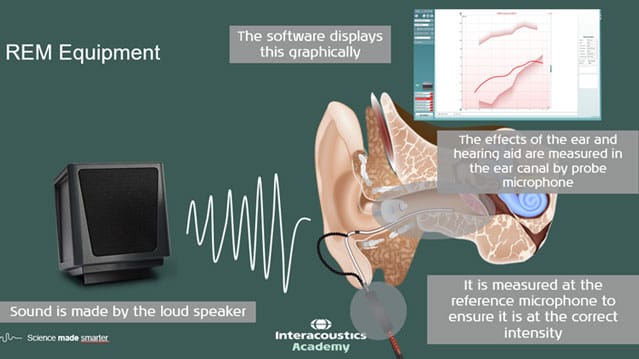
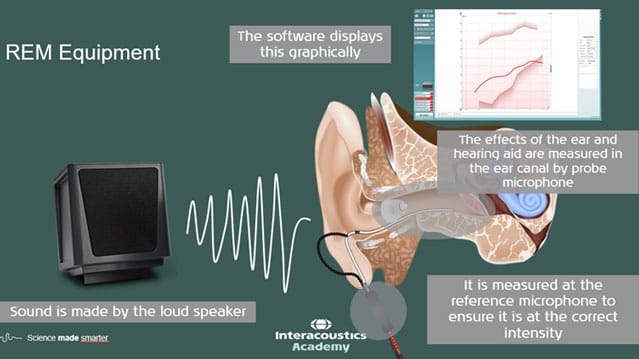
Don’t simply tolerate poor performance or discomfort. Contact your audiologist to discuss temporary adjustments. In some cases, different settings or venting modifications can improve comfort and function until the blockage resolves. This is another area where Real Ear Measurement proves valuable—it allows precise reprogramming based on your current ear canal characteristics rather than guesswork.
Looking Forward: Prevention and Monitoring
For people prone to allergies and hearing issues, proactive management reduces the frequency and severity of blocked ear episodes. Working with an allergist to identify specific triggers enables targeted avoidance strategies. Staying current with allergy medications during high-risk seasons prevents problems before they start rather than reacting after symptoms emerge.
Maintaining good overall health supports Eustachian tube function. Adequate hydration keeps mucus at optimal consistency for drainage. Avoiding smoking and second-hand smoke prevents chronic irritation of the respiratory passages. Regular handwashing reduces the frequency of viral infections.
If you’ve experienced hearing changes with blockage, even if resolved, consider establishing a relationship with an audiologist for periodic monitoring. Baseline testing provides a comparison point if future problems arise and allows early detection of any gradual changes that might otherwise go unnoticed.
Important Medical Disclaimer
This article provides general information about blocked ears, allergies, and hearing for educational purposes only. It is not intended as medical advice and should not replace consultation with qualified healthcare professionals. Everyone’s situation is unique, and what works as self-care for one person might be inappropriate for another based on individual health history and circumstances.
If you’re experiencing blocked ears with concerning features—such as severe pain, discharge, sudden hearing loss, dizziness, or symptoms persisting beyond two weeks—seek professional assessment rather than relying solely on self-care strategies. When in doubt, it’s always safer to have symptoms evaluated than to assume they’ll resolve on their own.
Final Thoughts
Blocked ears occupy that uncertain middle ground in health concerns—usually minor and self-limiting, occasionally significant and requiring intervention. By understanding standard patterns, practising safe self-care, recognising warning signs, and knowing when to seek professional help, you can navigate blocked-ear episodes confidently while protecting your long-term hearing health.
The connection between allergies and hearing is more significant than many people realise, and seasonal factors play a substantial role in ear health. Whether you’re managing your own blocked ears or concerned about a family member, the combination of informed self-care and timely professional assessment when needed represents the most effective approach.
At The Audiology Place, we maintain an independent, brand-agnostic stance focused on your individual hearing health needs. Comprehensive diagnostic testing, including tympanometry and Real Ear Measurement where relevant, ensures that recommendations are tailored specifically to your situation rather than a one-size-fits-all approach. We’re here to support you whether you need baseline testing, monitoring for recurrent issues, or assessment of hearing changes after blocked-ear episodes.
Your hearing connects you to the people and experiences that matter most. Taking blocked ears seriously enough to seek help when needed—but not so seriously that normal, temporary blockage causes undue anxiety—strikes the right balance for long-term auditory health.
References
Ciprandi, G., Torretta, S., Marseglia, G. L., Licari, A., Chiappini, E., Benazzo, M., … & Marchisio, P. (2020). Allergy and otitis media in clinical practice. Current Allergy and Asthma Reports, 20(8), 33.
Gyawali, B. R., Kharel, S., Giri, S., Ghimire, A., & Prabhu, P. (2024). Impact of otitis media with effusion in early age on auditory processing abilities in children: a systematic review and meta-analysis. Ear, Nose & Throat Journal, 01455613241241868.
Karabulut, H., Acar, B., KARADAG, A. S., BAYSAL, S., & KARASEN, R. M. (2011). Investigation of hearing in patients with allergic rhinitis.
Khavarghazalani, B., Emadi, M., Heidari, A., Nahrani, M. H., & Amini, S. (2025). Neurobiological insights into Central Auditory Processing Dysfunction Following Early-Life Otitis Media. Brain Research Bulletin, 111593.
Nittrouer, S., & Lowenstein, J. H. (2024). Early otitis media puts children at risk for later auditory and language deficits. International Journal of Pediatric Otorhinolaryngology, 176, 111801.
Ramos, B. D. (2023). Early in Life Otitis Media and Its Impact in Hearing, Speech Development, and Central Auditory Processing. In Textbook of Otitis Media: The Basics and Beyond (pp. 253-265). Cham: Springer International Publishing.
Sahni, D., Verma, P., Bhagat, S., & Sharma, V. (2022). Hearing assessment in patients of allergic rhinitis: a study on 200 subjects. Indian Journal of Otolaryngology and Head & Neck Surgery, 74(Suppl 1), 125-131.
Sataloff, R. T., Barna, A. J., & Roehm, P. C. (2024). Systemic causes of hearing loss. In Occupational Hearing Loss, Fourth Edition (pp. 312-354). CRC Press.
Yosef, M., Trau-Margalit, A., Harel-Arbeli, T., & Taitelbaum-Swead, R. (2025). How does otitis media with effusion history affect spatial auditory processing and listening effort?. European Archives of Oto-Rhino-Laryngology, 1-8.