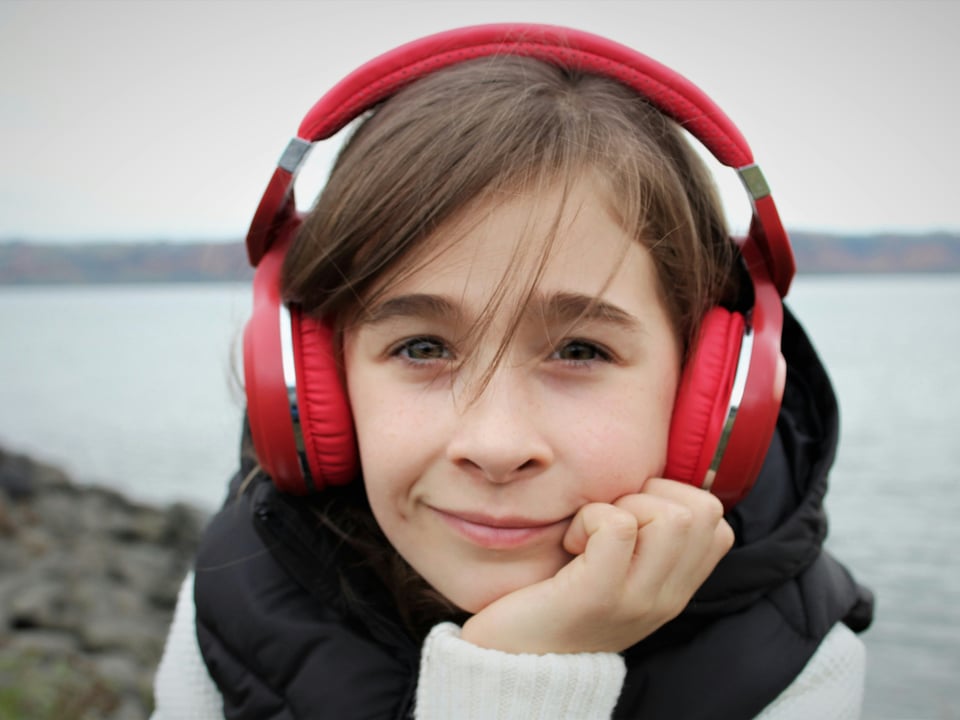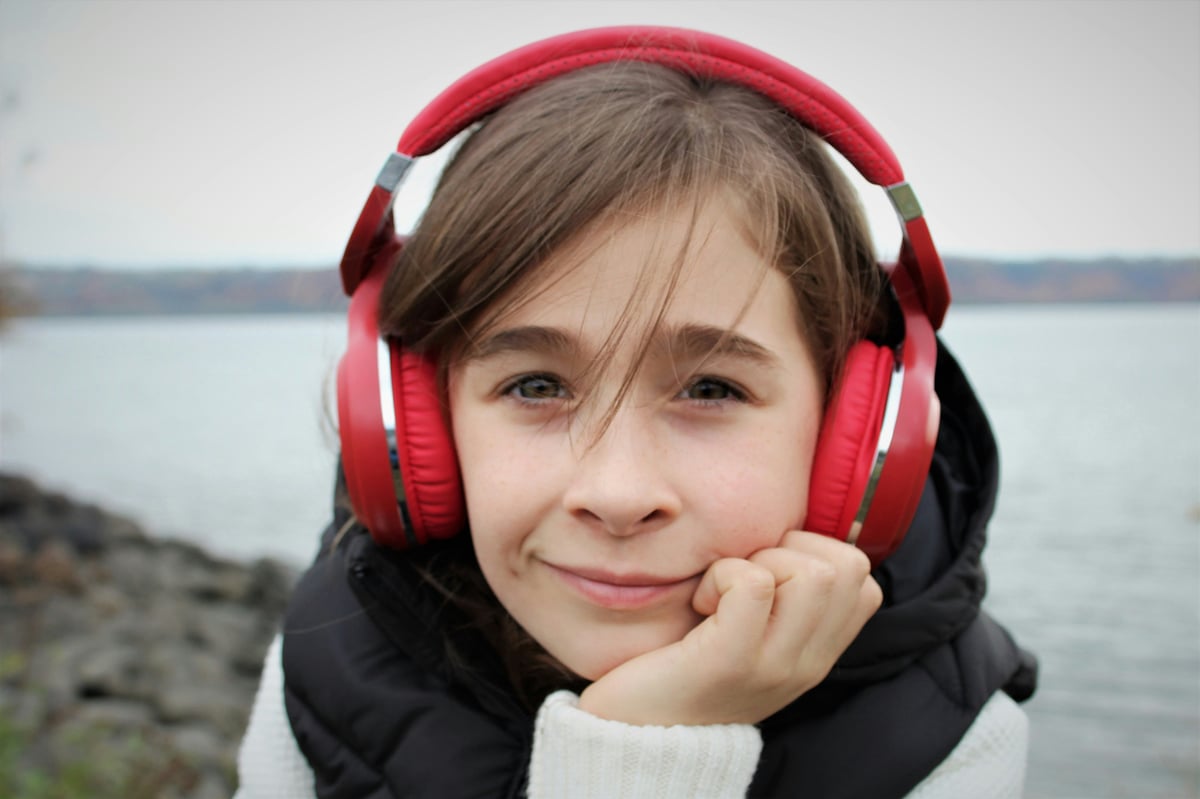

If you’ve ever watched a child or teenager wearing headphones, eyes glued to a screen, volume loud enough that you can hear the beat from across the room, you’ve likely wondered whether their hearing is at risk. The short answer is yes, it can be. The good news is that a few practical adjustments can significantly reduce the risk of noise-induced hearing loss in young people.
Headphones, earbuds and personal devices are now central to learning, entertainment and socialising, and many families ask us about safe listening. Below is the science in brief, practical steps to protect your child’s hearing, and when to book a hearing check.
Understanding Decibels and Exposure Time
Sound is measured in decibels (dB), and the risk to hearing depends on both how loud a sound is and how long someone is exposed to it. The World Health Organization’s safe listening standard for personal audio devices sets a weekly sound allowance equivalent to 80 dB for 40 hours a week for adults, and a more cautious 75 dB for 40 hours a week for children and sensitive listeners. To put those levels in perspective (see our decibel chart for more):
- Normal conversation: approximately 60 dB
- A typical classroom: 50–70 dB
- Headphones at maximum volume: can exceed 100 dB on some devices
- A rock concert: often 100 dB or more
The key principle is simple: the louder the sound, the shorter the safe exposure time. The table below uses the adult workplace benchmark of 85 dB for eight hours, where every 3 dB increase halves the safe time. Children should stay well inside these limits. If your teenager turns their music up to maximum for several hours a day, they are at real risk of permanent hearing damage, and it often goes unnoticed until it’s too late.
| Sound Level (dB) | Safe Daily Exposure Time |
|---|---|
| 85 dB | 8 hours |
| 88 dB | 4 hours |
| 91 dB | 2 hours |
| 94 dB | 1 hour |
| 97 dB | 30 minutes |
| 100 dB | 15 minutes |
| 103 dB | About 7.5 minutes |
Noise-induced hearing loss is permanent and typically affects the high frequencies first: the very frequencies essential for understanding speech in noisy environments like classrooms, cafes, or parties. Because the loss is gradual, children and teens rarely notice it themselves.
Setting Volume Limits on Devices
Most smartphones, tablets, and music players now include built-in volume limiters, and these are one of the most effective tools you have as a parent or carer. We strongly recommend using them.
For iOS devices (iPhone, iPad)
- Go to Settings > Sounds & Haptics > Headphone Safety (menu names can change between software versions)
- Turn on the option to reduce loud audio
- Set the maximum level as low as is comfortable; for children, 75 to 80 dB is a sensible target
- Screen Time restrictions can stop the setting being changed
For Android devices
- The process varies by manufacturer, but generally you can find it under Settings > Sounds and Vibration > Volume or Media Volume Limiter
- Some devices will prompt a warning when volume exceeds safe levels
For dedicated music players and laptops
- Check parental control or accessibility settings for volume caps
- Many school-issued devices can have limits set remotely by IT administrators: speak to your child’s school if this option is available
It’s worth having a conversation with your child or teen about why these limits are in place. Framing it as protecting something valuable, their ability to enjoy music, hear friends clearly, and perform well academically, can be more effective than simply imposing rules.
School and Library Listening Guidance
Schools and libraries increasingly provide headphones or earbuds for use during lessons, testing, or independent learning. While this is convenient, shared devices and unregulated volume settings can pose risks.
If your child uses headphones regularly at school, consider:
- Providing personal, over-ear headphones with a known volume limit rather than relying on shared earbuds
- Choosing noise-cancelling or noise-isolating headphones, which allow children to hear content clearly at lower volumes by reducing background noise
- Speaking with teachers about volume guidelines during device-based learning activities
- Checking whether the school has a safe listening policy in place and, if not, advocating for one
If your school doesn’t yet have clear guidance, the World Health Organization’s Make Listening Safe initiative provides free resources that educators can use.
Recognising the Red Flags
Children and teens won’t always tell you if they’re having trouble hearing, sometimes because they don’t realise it themselves, and sometimes because they’re reluctant to seem different from their peers. Watch for these warning signs:
- Frequently asking “What?” or needing instructions repeated
- Turning up the TV or device volume higher than others in the household
- Difficulty hearing in noisy environments like the playground or school canteen
- Complaining of ringing or buzzing in the ears (tinnitus), even temporarily
- Withdrawing from group conversations or social settings
- A drop in academic performance, particularly in subjects requiring listening comprehension
If you notice any of these signs, it’s time to schedule a comprehensive hearing assessment.
Hearing Checks: When and What to Expect
A baseline hearing assessment is worthwhile for any child, ideally before they start using personal listening devices regularly, which is often around age 5 or 6. After that, follow-up checks depend on risk factors. As a general guide:
Recommended schedule
- Low-risk children: Every 2–3 years, or as part of routine health checks
- Children who use headphones daily: Annually
- Teens who attend concerts, play in bands, or use power tools: Annually, or sooner if they notice tinnitus or muffled hearing
- Any child showing signs of hearing difficulty: Immediately
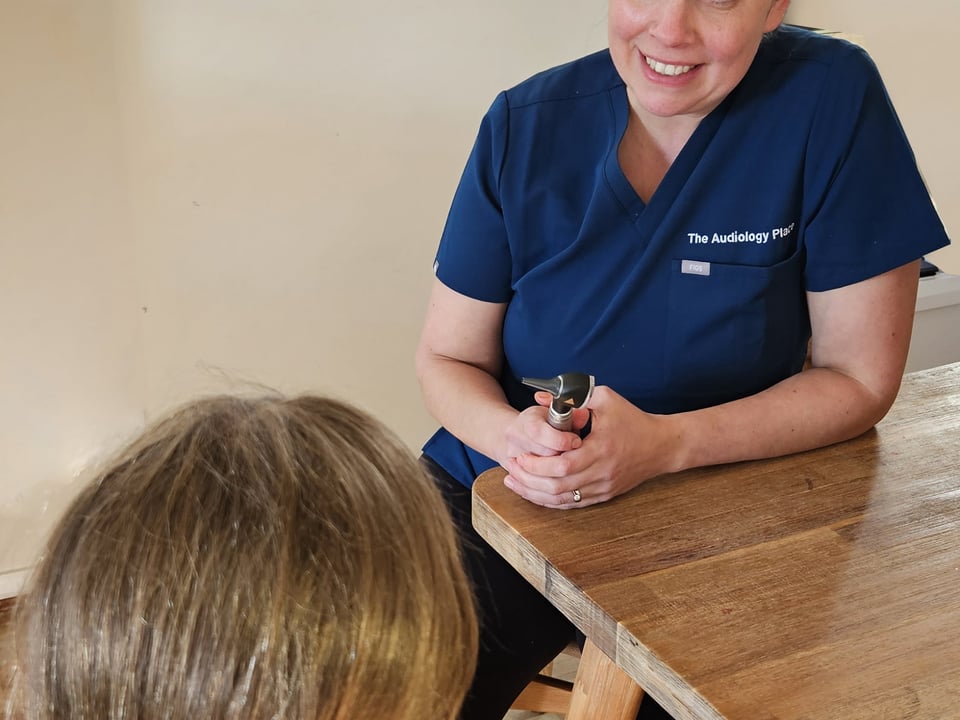
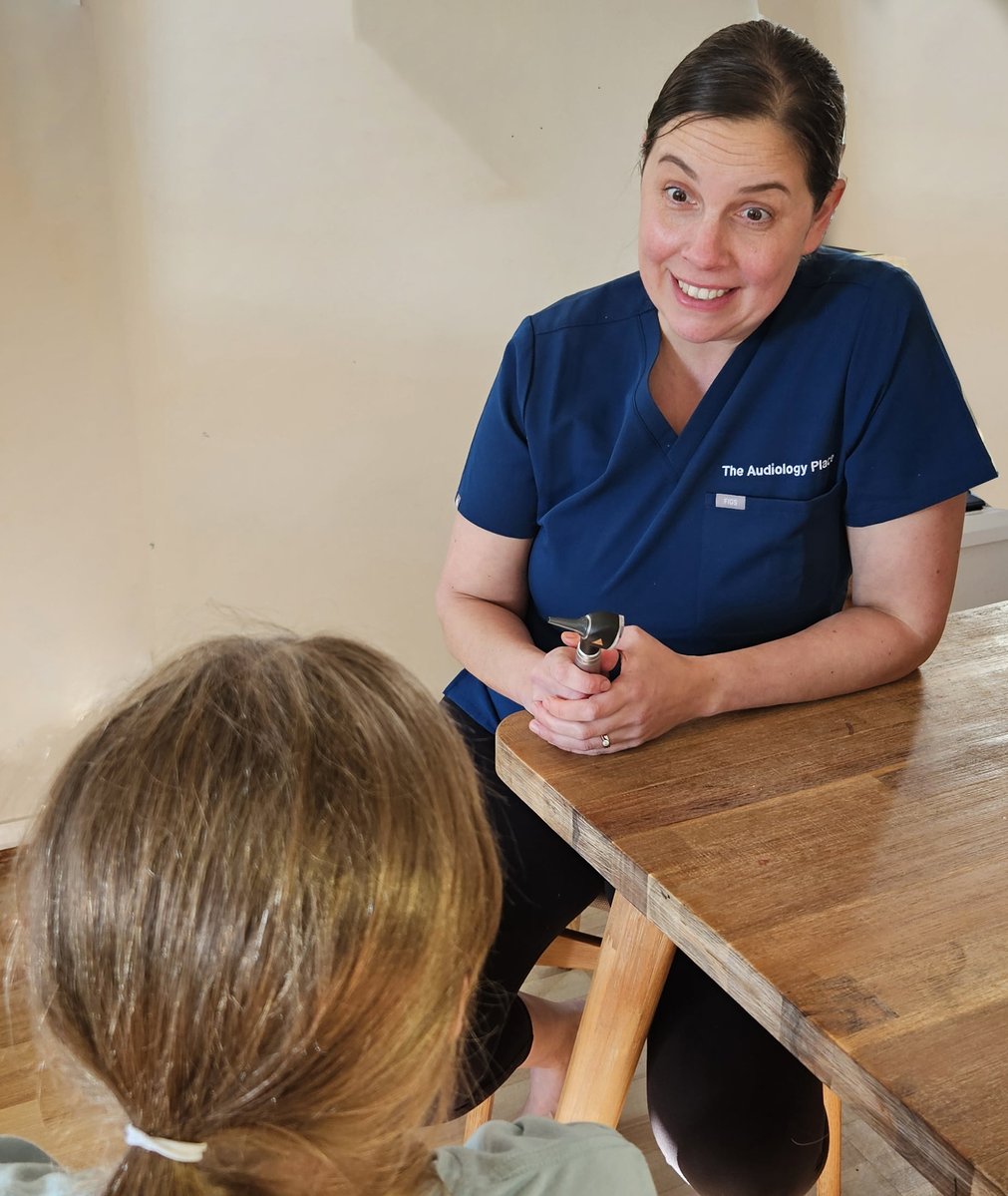
At The Audiology Place, a children’s hearing assessment for a school-aged child typically includes:
- Pure-tone audiometry to measure hearing thresholds across frequencies
- Tympanometry to assess middle ear function and rule out fluid or infection
- Speech-in-noise testing to evaluate real-world listening ability, which can reveal difficulties a standard audiogram misses
These assessments are non-invasive, and we test children from six months of age using age-appropriate techniques. Importantly, they establish a baseline, so any future changes can be detected early.
Practical Steps You Can Take Today
Protecting your child’s hearing doesn’t require a complete overhaul of their lifestyle. Small, consistent changes can have a significant impact:
- Set volume limits on all personal devices today
- Encourage the 60/60 rule: listen at no more than 60% volume for no more than 60 minutes at a time, followed by a break
- Invest in quality headphones with good passive noise isolation, so lower volumes are still clear and enjoyable
- Model good habits yourself: children mimic what they see
- Schedule a baseline hearing test if your child hasn’t had one recently
Independent, Evidence-Based Care
The Audiology Place is an independent, family-run clinic in Epping and Forestville, and our recommendations are guided by your child’s hearing health. Whether you’re seeking a baseline assessment, follow-up care, or guidance on assistive listening devices, our goal is to provide clear, transparent, and practical support.
If you’d like to book a hearing check for your child or teenager, or if you have questions about safe listening practices, please don’t hesitate to get in touch. Prevention is far easier than managing hearing loss down the track.