
Workplace hearing tests
The NSW Government has approved the commencement of Clause 58 – Audiometric Testing under the Work Health and Safety (WHS) Regulation 2017 from 1 January 2024.
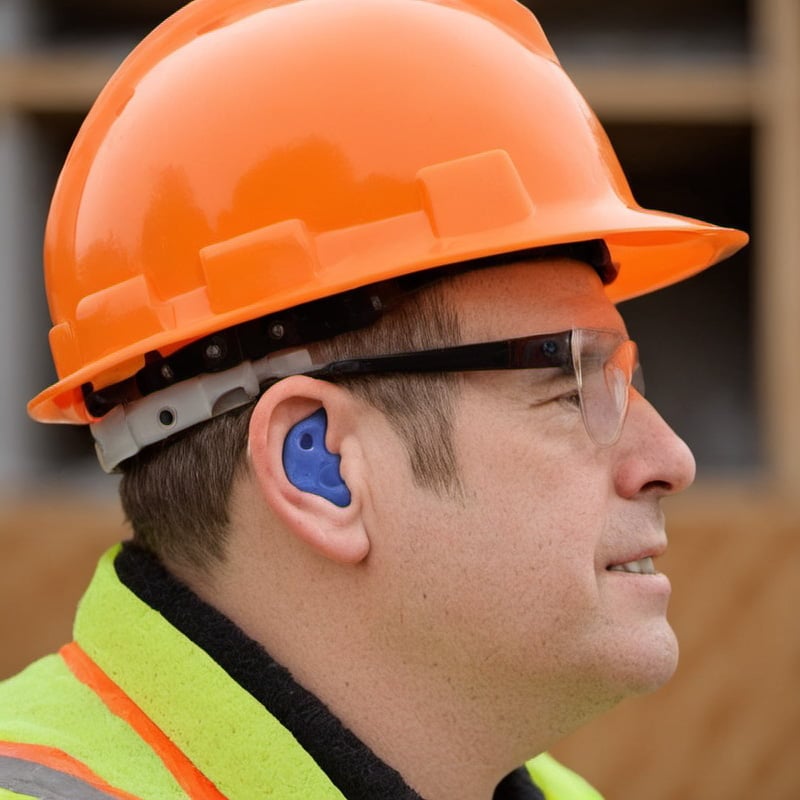
To help prevent hearing loss in the workplace, employers must provide hearing tests (audiometric tests) to workers who frequently use hearing protection to control noise that exceeds the exposure standard.
Within 3 months of starting their employment (baseline test), and a follow-up test at least every 2 years.
Should a patient require a pre-employment hearing test or ongoing workplace hearing tests, The Audiology Place is fully equipped to provide the required assessments. Hearing tests are important firstly to provide a baseline audiogram for employees and the commencement of employment in a noisy workplace, and then to monitor their hearing each year to ensure the company’s noise management plan is effective. Hearing is an important aspect of some workplaces, ensuring employees can perform their tasks accurately and safely. Not just for themselves, but also their co-workers and/or customers.
Independent Audiologist
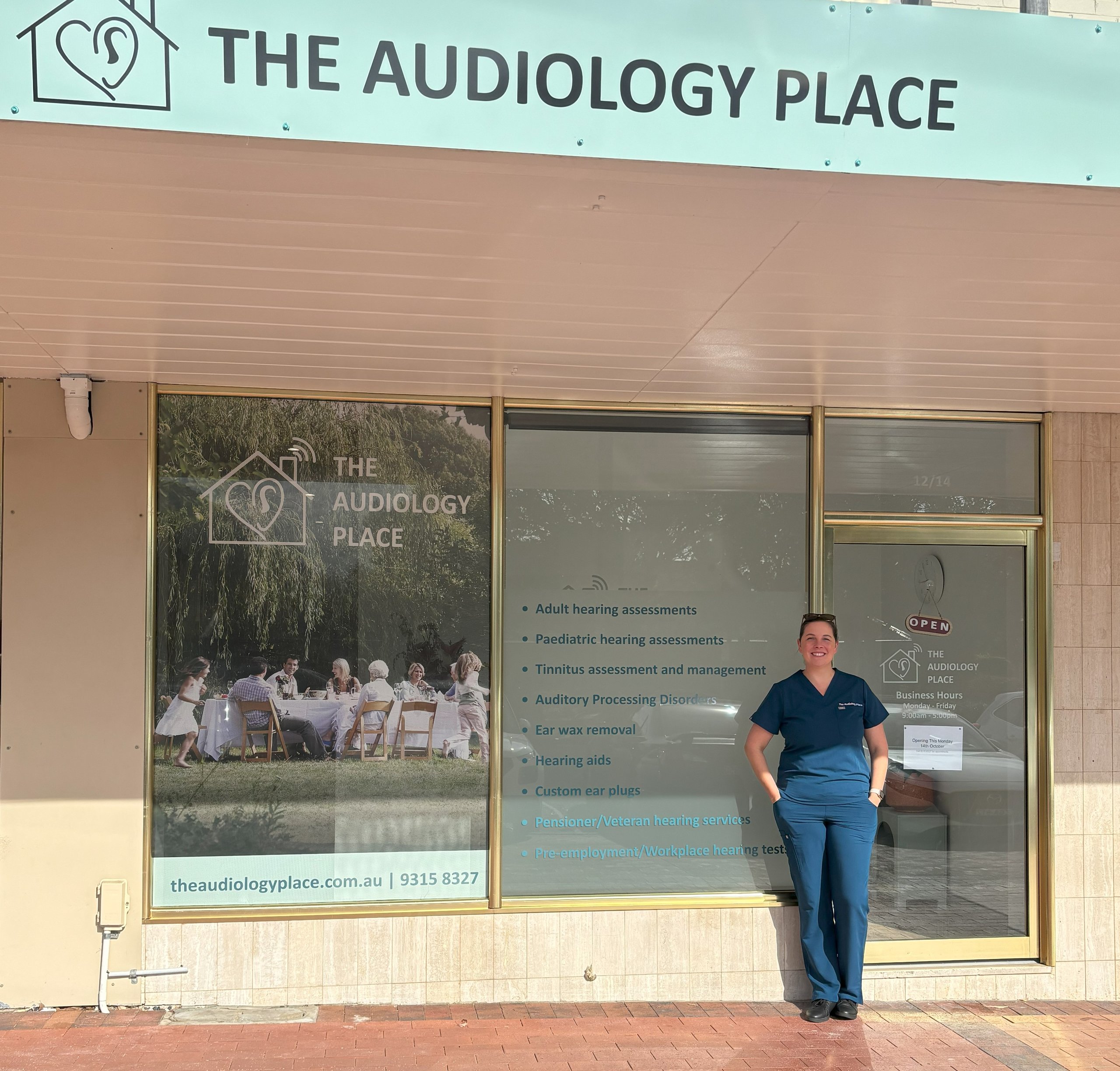
We are completely independent, which means you can see our Audiologist and know that you are getting the best assessment of hearing for your workplace.
Comprehensive Hearing Monitoring Services
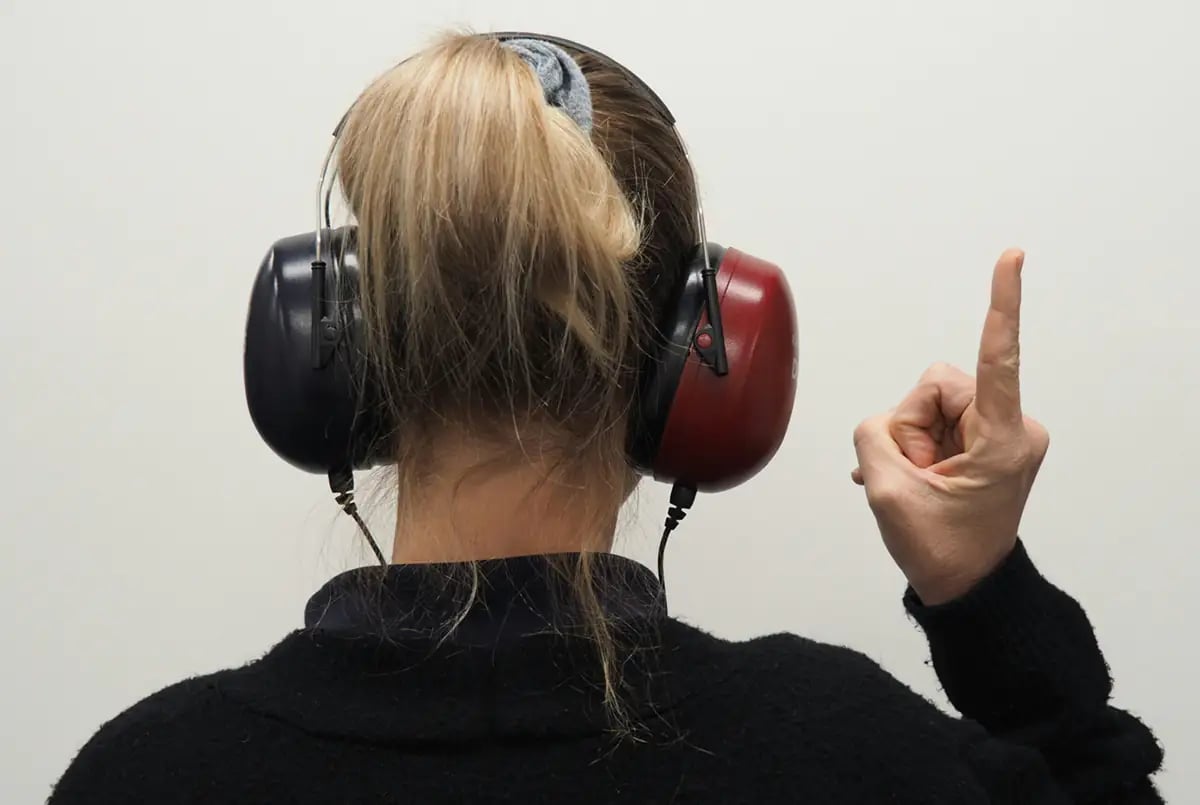
A full hearing test is included, including some complext testing such as OAEs and extended high frequencies.
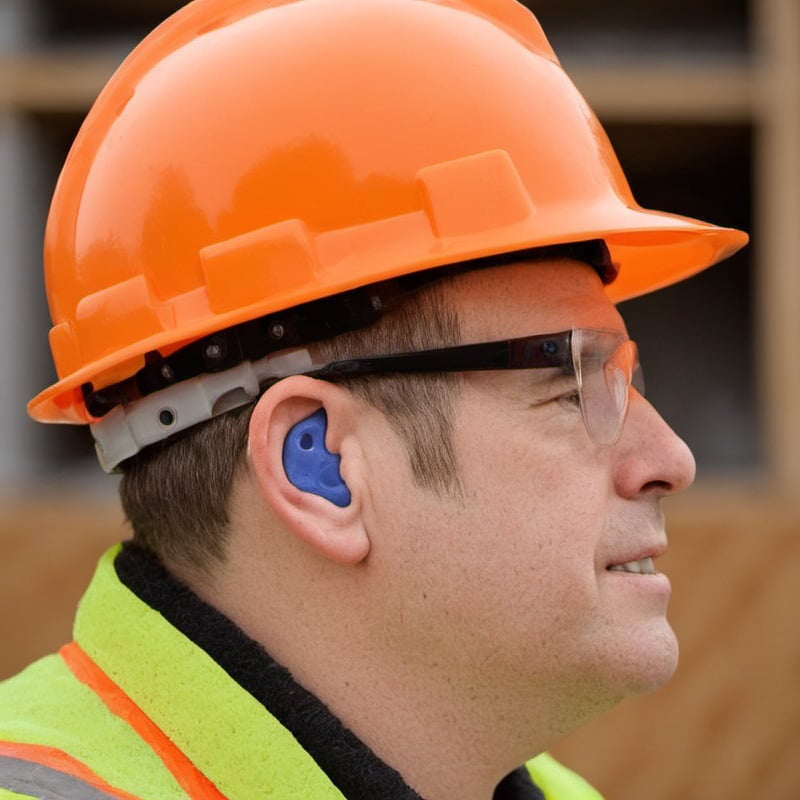
Registered Work Health and Safety Provider
As a certified provider for SIRA, iCare, and WHS NSW, we can assist with workplace hearing evaluations and guide businesses through compensation claims processes if needed.
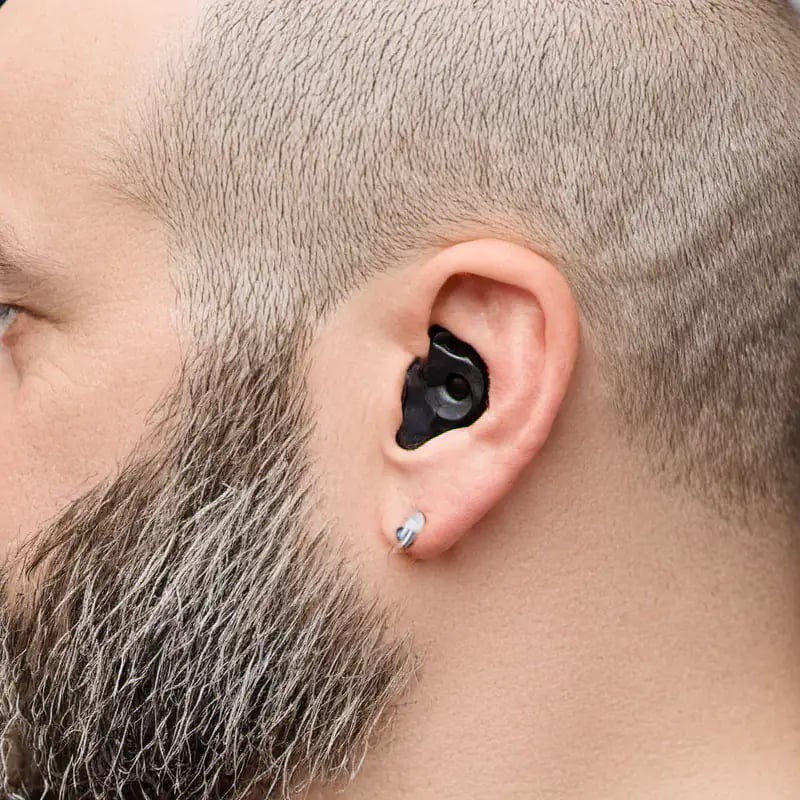
Support for Compliance and Risk Mitigation
Regular staff hearing checks help businesses stay compliant with occupational health regulations while reducing the risk of workplace-related hearing loss claims.

Proactive Prevention of Hearing Loss
Regular hearing assessments at The Audiology Place help detect early signs of noise-induced hearing loss, including subtle changes like speech-in-noise difficulties or tinnitus.

Expert Care Backed by Over 20 Years of Experience
Drawing on over two decades of experience in audiology, including specialised work in noise-induced hearing loss, Dr. Steers ensures precise assessments and tailored advice for employees and employers alike.
Working in a Noisy Environment? Evaluate Your Hearing with The Audiology Place
Noise exposure in the workplace can significantly impact your hearing, but noise-related hearing loss is largely preventable. Jobs involving loud machinery or consistent high-volume noise can cause cumulative damage over time. This means both the intensity of the noise and the duration of your exposure matter, alongside the effectiveness of your hearing protection.
Many workplaces require baseline hearing tests for employees working in noisy environments, as well as periodic monitoring throughout employment and upon leaving. These tests help identify any changes in hearing and ensure timely intervention to prevent further damage.
Why Monitor Hearing in Noisy Workplaces?
Regular hearing tests are vital to ensure your hearing protection is effective. If noise-induced hearing loss is detected, adjustments can be made—such as improving the fit of your hearing protection or upgrading to stronger options. Monitoring also provides valuable documentation if you need to file a compensation claim for workplace-related hearing loss.
Support for Employers
Are you an employer concerned about your staff’s hearing? The Audiology Place offers occupational noise management services, including workplace hearing tests and expert advice on the best hearing protection for your team. Protecting your employees’ hearing isn’t just about compliance—it’s about ensuring their long-term health and safety.
Clause 58 of the NSW WHS Regulation makes audiometric testing mandatory for any worker who is frequently required to wear hearing protection because their noise exposure exceeds the standard. In practice, that captures a lot of everyday roles—plant rooms, fabrication floors, breweries and canning lines, bus and fleet workshops, council depots, asphalt and road crews, and waste/resource recovery sites. The rule is clear on timing: a baseline test within 3 months of starting the noisy role, then repeat testing at least every 2 years. For employers, that means building hearing tests into onboarding, maintaining a live register, and acting on any threshold shifts—not just filing a report.
For teams searching how to comply—queries like “Clause 58 hearing test,” “baseline within 3 months,” or “AS/NZS 1269.4 audiometry”—what they really need is a simple, reliable workflow. At The Audiology Place in Forestville, we run industrial audiometry to AS/NZS 1269.4 in our quiet suite or onsite, deliver secure digital reports that slot into your WHS files, and set automated reminders so no one falls out of cycle. We can also help you map which roles are “in scope,” brief supervisors on correct PPE use (so your testing actually prevents loss), and provide clear next steps whenever a result needs follow-up.