If you’re stuck in a cycle of ear infections that clear up with antibiotics only to return weeks or months later, the problem usually isn’t the infection itself: it’s whatever’s stopping your ear from draining properly in the first place. Recurring ear infections in adults typically point to an underlying mechanical or immune issue that needs to be identified and managed, not just another round of amoxicillin.
For people who’ve been through multiple GP visits and antibiotic courses without resolution, the pattern is familiar: the infection is the symptom, not the cause. Understanding why your ears keep getting infected requires looking at the anatomy, your health history, and sometimes your habits around earphones or hearing aids.
What Actually Causes Chronic Ear Infections in Adults?
Eustachian Tube Dysfunction: The Most Common Culprit
The Eustachian tube connects your middle ear to the back of your nose and throat. Its job is to equalise pressure and drain fluid. When it doesn’t work properly (because of inflammation, structural narrowing or poor muscle function), fluid can accumulate in the middle ear space. That stagnant fluid becomes a breeding ground for bacteria.
Eustachian tube dysfunction (ETD) is more common than most people realise, and it doesn’t always cause obvious symptoms between infections. You might notice some crackling when you swallow, a blocked feeling, or mild hearing fluctuation, but many people have subclinical ETD that only becomes apparent when they develop their third ear infection in six months.
Poor Eustachian tube function is widely regarded as a key factor in recurrent and chronic otitis media (middle ear infection and inflammation) in adults.
What causes the Eustachian tube to malfunction varies. Chronic nasal congestion from allergies is a major contributor: persistent inflammation in the nasal passages extends to the Eustachian tube opening. Anatomical variations matter too: some people simply have narrower tubes or a flatter angle between the ear and nasopharynx, which makes drainage less efficient. Smoking damages the cilia that help move mucus along, and reflux has also been suggested as a contributor to inflammation around the Eustachian tube opening.
Underlying Allergies and Chronic Inflammation
Some people with recurrent ear problems turn out to have undiagnosed allergic rhinitis. The connection between allergies and ear infections isn’t always obvious because the symptoms manifest differently in adults than children.
Chronic low-grade inflammation from dust mite, pollen, or mould allergies keeps the entire upper respiratory tract swollen and congested. Even if you’re not sneezing or experiencing itchy eyes, that inflammation affects Eustachian tube function. The mucosa becomes boggy and hyperreactive, secretions become thicker and harder to clear, and the stage is set for bacterial overgrowth.
If your ear infections follow a seasonal pattern or worsen during high pollen counts, allergies may well be involved. But even year-round infections can have an allergic component: dust mites and indoor allergens don’t take holidays.
Structural Issues and Previous Damage
Perforated eardrums that haven’t healed properly, cholesteatoma (abnormal skin growth in the middle ear), or scarring from previous infections can all predispose you to ongoing problems. These structural issues create pockets where bacteria can hide and multiply, protected from antibiotics and your immune system.
If you’ve had grommets (ventilation tubes) inserted as a child, the tympanic membrane doesn’t always heal perfectly. Those tiny scars can create weak points or small perforations that allow bacteria to enter the middle ear from the ear canal. Similarly, if you’ve had multiple infections that caused the eardrum to perforate and heal repeatedly, the resulting scar tissue may not function as effectively as healthy membrane.
Immune Considerations
While less common than mechanical causes, immunodeficiency does account for some cases of chronic ear infections in adults. This doesn’t necessarily mean HIV or chemotherapy: subtle immune dysfunction from diabetes, autoimmune conditions, or even nutritional deficiencies can reduce your body’s ability to clear infections effectively.
If you’re getting not just ear infections but also frequent sinusitis, bronchitis, or skin infections, it’s worth discussing immune function with your GP. Basic screening includes full blood count, immunoglobulin levels, and possibly specific antibody responses to vaccinations.
Hearing Aid and Earbud Irritation
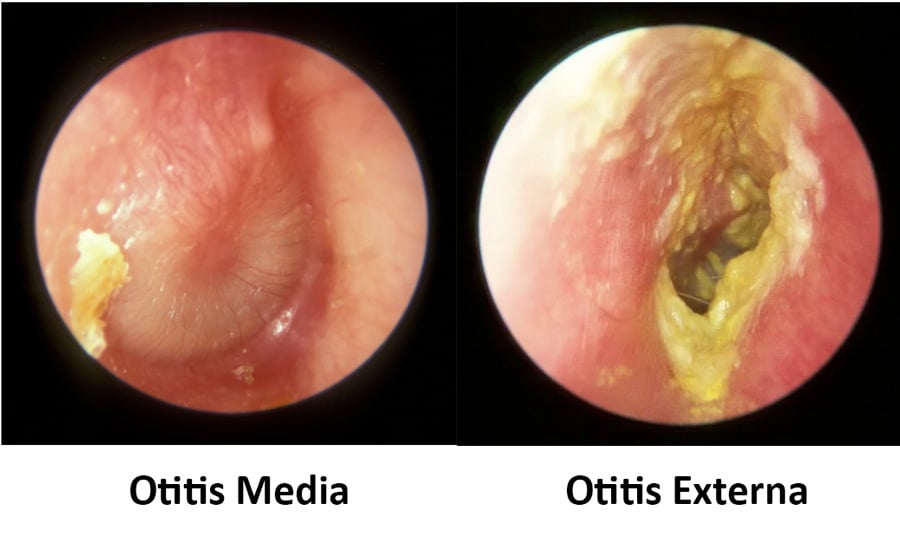
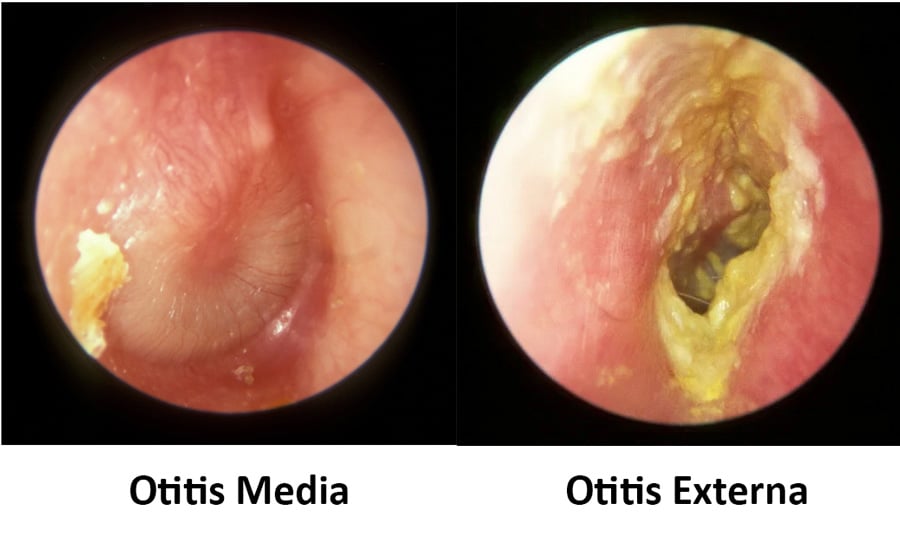
Hearing aids and earbuds don’t cause middle ear infections: the middle ear sits behind the eardrum in a normally sealed space. But they can contribute to external ear infections (otitis externa) and chronic irritation that predisposes you to problems.
Moisture trapped by occlusive hearing aid moulds or silicone earbud tips creates a warm, humid environment perfect for bacterial and fungal growth. The physical irritation from poorly fitted devices causes micro-abrasions in the ear canal skin, providing entry points for infection. If you wear hearing aids or earbuds for extended periods and you’re getting frequent “ear infections,” there’s a reasonable chance you’re actually dealing with external canal issues, not middle ear infections.
The distinction matters because the management is completely different. A presumed middle ear infection treated with oral antibiotics sometimes turns out to be otitis externa, which usually needs ear drops, ear canal cleaning and attention to device fit.
When to Push for ENT Investigation
Not every recurrent ear infection needs specialist investigation, but there are clear thresholds where continuing to treat symptoms without identifying the underlying cause becomes poor medicine.
Talk to your GP about an ENT referral if you’ve had:
- Three or more confirmed ear infections in six months
- Infections that aren’t fully resolving between episodes
- Persistent hearing loss that doesn’t return to baseline after treatment
- Ear infections accompanied by dizziness or balance problems
- Any infection that doesn’t respond to appropriate treatment within two to three days
- Discharge from the ear, particularly if it’s persistent or foul-smelling
Some symptoms need urgent medical care the same day rather than a routine referral: swelling, redness or tenderness behind the ear, a severe headache, high fever, weakness of the face, confusion, severe dizziness, or a sudden drop in hearing. Go to your GP or an emergency department straight away if any of these occur.
Chronic or recurrent otitis media in adults is generally investigated to exclude conditions such as cholesteatoma, structural problems that may need surgery and, rarely, a growth at the back of the nose (an important check in an adult who develops fluid behind one eardrum for no obvious reason).
Diagnostic procedures might include nasal endoscopy to visualise the Eustachian tube opening, CT scanning if there’s concern about mastoid involvement or cholesteatoma, and sometimes specific tests of Eustachian tube function.
The Audiology Role: Monitoring Hearing Impact
Repeated ear infections can cause permanent hearing damage even if each individual infection resolves. The inflammatory process can scar the delicate structures of the middle ear: the ossicles can become fixed, and the eardrum can develop tympanosclerosis (calcium-like deposits and scarring).
We recommend a baseline hearing test for anyone with recurrent ear infections. It’s basic monitoring of an ear that keeps being inflamed. A pure tone audiogram and tympanometry done when you’re infection-free establishes what your hearing should be. Subsequent testing after infections shows whether you’re returning to baseline or gradually accumulating damage.
Tympanometry is particularly useful because it objectively measures middle ear function. A normal Type A tympanogram shows good eardrum mobility and normal middle ear pressure. A flat Type B tracing indicates fluid in the middle ear or a perforation. Type C suggests negative pressure from Eustachian tube dysfunction. These measurements tell us things that otoscopy alone can miss.
If your hearing isn’t returning to baseline between infections, that’s valuable information. It might indicate persistent middle ear fluid (effusion), early ossicular damage, or ongoing inflammation that needs further management. It’s not unusual for someone who feels recovered (no pain, no fever) to still have a flat Type B tympanogram and a conductive hearing loss. That’s not resolution; that’s a middle ear that needs medical review.
Speech-in-noise testing can pick up subtle hearing difficulties that pure tone testing misses, particularly relevant for people whose infections have caused mild high-frequency hearing loss that significantly impacts understanding in background noise.
Practical Prevention Strategies
Prevention requires addressing the underlying cause, not just avoiding water in your ears or taking probiotics (neither of which has strong evidence for preventing middle ear infections in adults, despite what wellness websites claim).
For Eustachian tube dysfunction: Nasal steroid sprays can help when allergic rhinitis or nasal inflammation is driving the problem, although evidence for their effect on the Eustachian tube itself is mixed. Technique matters (aim toward the outer corner of the eye on the same side, not straight back), and they usually need several weeks of regular use. Non-sedating antihistamines may help if allergies are contributing. Ask your GP or pharmacist which options suit you.
The Valsalva manoeuvre (gently blowing with your nose pinched) can temporarily open the Eustachian tube, but it needs to be gentle, because forceful attempts can hurt the ear. Better is the Toynbee manoeuvre (swallowing with your nose pinched) or simply frequent swallowing and yawning, which activate the muscles that open the Eustachian tube.
For allergy management: Proper diagnosis is essential. Vague “try antihistamines and see if they help” approaches waste time and money. Skin prick testing or specific IgE blood testing, arranged through your GP or an allergist, identifies actual allergens so you can implement meaningful avoidance strategies or consider immunotherapy if appropriate.
For hearing aid and earbud users: Ensure devices fit properly without creating excessive occlusion. Vented hearing aid moulds allow air circulation. Clean devices daily with appropriate solutions, not water, not saliva, not whatever’s handy. Remove devices for a few hours daily to allow the ear canal to dry. If you’re prone to external ear infections, discuss with your audiologist whether you’re a candidate for more open fittings or alternative device styles.
Moisture management: If you swim frequently, custom swim plugs made from ear impressions can help, but they’re more relevant for external ear infections than middle ear problems. An intact eardrum protects the middle ear from water; if you have a perforation or grommets, ask your doctor about water precautions.
What Doesn’t Work (Despite What You’ve Read)
Garlic oil, tea tree oil and other naturopathic ear drops have no good evidence for preventing or treating middle ear infections. Don’t put anything into an ear that might have a perforated eardrum without medical advice.
Oral probiotics for preventing ear infections have weak and inconsistent evidence in children and virtually none in adults. The theoretical mechanism, altering nasopharyngeal flora to reduce pathogenic bacteria, hasn’t translated to clinical benefit in quality studies.
Avoiding dairy based on the theory that it increases mucus production is folklore, not physiology. If you have a genuine cow’s milk protein allergy, that’s different, but that’s diagnosable and uncommon in adults.
The Bottom Line
Recurring ear infections in adults are rarely just bad luck. There’s usually an identifiable reason: most commonly Eustachian tube dysfunction from allergies, anatomical factors, or chronic inflammation. Breaking the cycle requires identifying and treating the underlying cause, not just reflexively reaching for antibiotics every few months.
Get proper assessment including audiometry and tympanometry to establish your baseline hearing and middle ear function. If you’re meeting the threshold criteria above, push for ENT referral: GPs are excellent at managing acute infections but recurrent disease needs specialist investigation. And understand that “prevention” means addressing the mechanics and inflammation that predispose you to infection, not folklore remedies that sound plausible but don’t actually work.
The goal isn’t just to reduce infection frequency: it’s to protect your hearing long-term. Middle ears aren’t designed for repeated inflammation, and repeated infections can cause permanent damage. That makes monitoring and proper underlying treatment not optional extras, but essential components of appropriate care.