As we move into 2025, the debate between rechargeable and disposable battery-powered hearing aids continues to evolve with the advancement of technology. At The Audiology Place in Forestville, Sydney’s Northern Beaches, we frequently help patients navigate this important decision. This comprehensive guide will help you understand the key differences, advantages, and considerations for both options in 2025.
The Rise of Rechargeable Technology
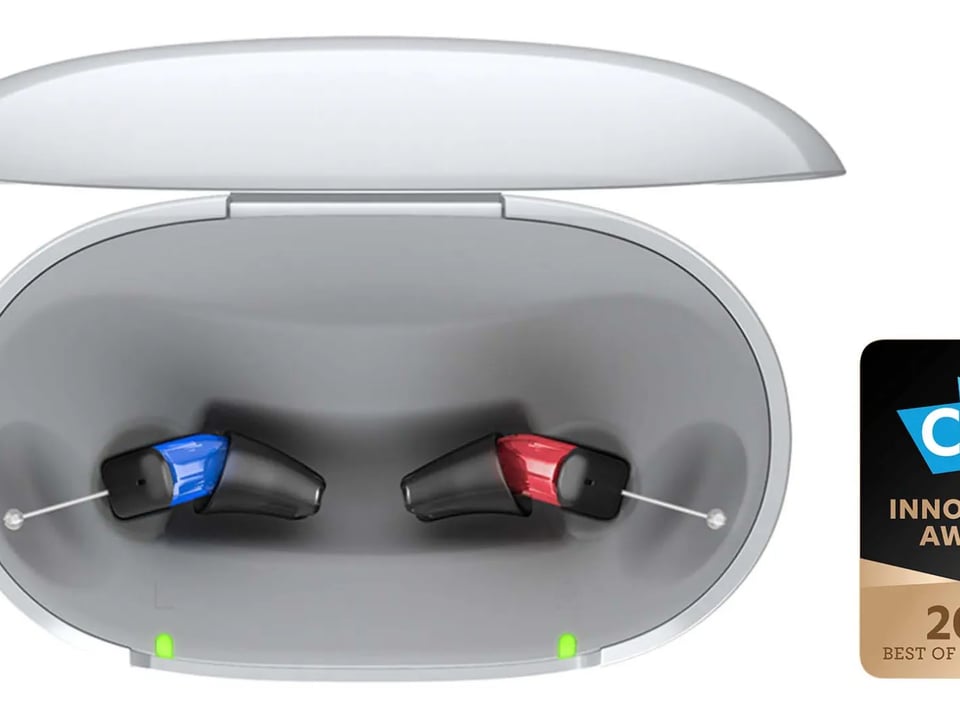
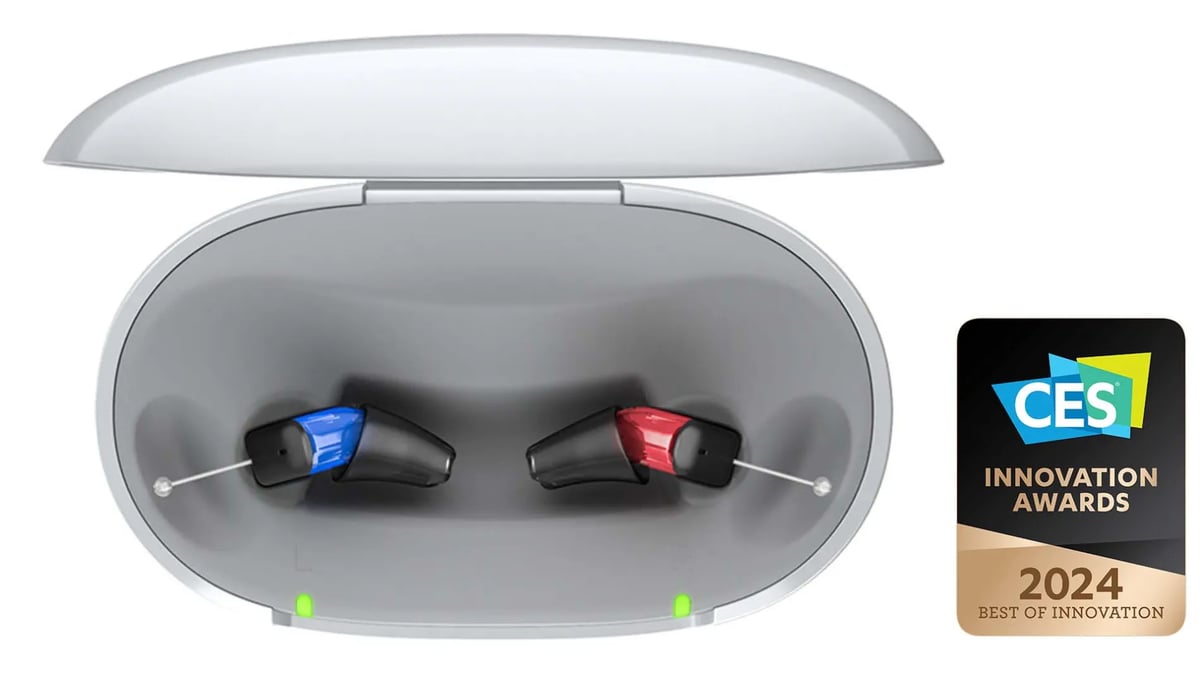
Rechargeable hearing aids have undergone significant improvements in recent years, with lithium-ion battery technology leading the charge. Modern rechargeable systems can now provide 18-24 hours of continuous use on a single charge, including streaming capabilities. This advancement has addressed one of the primary concerns users had about earlier rechargeable models—battery life anxiety.
The convenience factor cannot be overstated. Simply placing your hearing aids in their charging case overnight eliminates the need to fumble with tiny batteries or worry about running out of power unexpectedly. Many 2025 models feature quick-charge capabilities, providing several hours of use from just a 30-minute charge session.
From an environmental perspective, rechargeable hearing aids significantly reduce waste. A single pair can eliminate the need for approximately 100-150 disposable batteries annually, making them an increasingly attractive option for environmentally conscious users.
Traditional Disposable Batteries: Still Relevant
Despite technological advances, disposable battery hearing aids maintain several compelling advantages. Zinc-air batteries, the standard for hearing aids, offer consistent power output throughout their lifecycle and are readily available worldwide. This accessibility becomes particularly valuable for travelers or those living in remote areas where charging infrastructure might be limited.
The replacement process, while requiring some dexterity, provides immediate full power restoration. There’s no waiting for charging cycles or concern about degrading battery capacity over time. For users who prioritize simplicity and immediate power solutions, disposable batteries remain highly practical.
Cost considerations also favor disposable batteries initially. While rechargeable hearing aids typically cost more upfront, the long-term economics can vary depending on usage patterns and local battery prices.
2025 Technology Improvements
This year has brought notable enhancements to both systems. Rechargeable models now feature improved moisture resistance and more robust charging contacts, addressing durability concerns. Smart charging cases can now provide multiple full charges on the go, extending usage for extended trips without access to power outlets.
Disposable battery technology hasn’t stagnated either. New zinc-air formulations offer longer life and more consistent power delivery, while improved packaging and handling have made battery changes easier for users with limited dexterity.
Choosing the Right Option for Your Lifestyle
Your daily routine should guide your decision. Active professionals who rely heavily on streaming features and prefer minimal maintenance often gravitate toward rechargeable options. The seamless integration with daily charging habits—similar to smartphones—appeals to tech-savvy users.
Conversely, individuals who travel frequently, live in areas with unreliable power, or prefer traditional approaches may find disposable batteries more suitable. Users with arthritis or vision limitations might find the larger battery doors and familiar replacement process of disposable systems easier to manage.
Rechargeable Hearing Aids in 2025
Battery Life and Charging
– Latest lithium-ion technology offering 24-30 hours of use per charge
– Quick charging capabilities (30 minutes for 8 hours of use)
– Expected battery lifespan of 4-5 years
– Simplified charging process with magnetic docking stations
Advantages:
– Environmentally friendly
– Cost-effective long-term
– Easier handling for those with dexterity issues
– No regular battery purchases needed
– Enhanced moisture resistance
Limitations:
– Higher initial cost
– Dependent on charging routine
– May require backup power solution
– Limited charging options while traveling
Disposable Battery Hearing Aids in 2025
Battery Life and Maintenance
– Traditional zinc-air batteries lasting 5-14 days
– Various size options (10, 312, 13, 675)
– No charging time required
– Immediate power with battery replacement
Advantages:
– Lower upfront cost
– No charging dependency
– Easy battery replacement anywhere
– Backup batteries readily available
– Suitable for occasional users
Limitations:
– Ongoing battery costs
– Environmental impact
– More frequent maintenance
– Potential for moisture damage
Technological Features Comparison
Bluetooth Connectivity
– Both types support advanced Bluetooth capabilities
– Rechargeable models often include more sophisticated streaming features
– Similar smartphone compatibility
Sound Quality and Processing
– Equivalent sound processing capabilities
– Both support advanced noise reduction
– Similar speech enhancement technologies
Water Resistance
– Rechargeable models typically offer better waterproofing
– Advanced moisture protection in newer models
– Both types suitable for daily activities
Cost Analysis
Rechargeable:
– Higher initial investment ($2,000-$4,000)
– Minimal ongoing costs
– Battery replacement every 4-5 years ($150-$200)
– Better long-term value
Disposable:
– Lower initial cost ($1,800-$3,500)
– Annual battery costs ($80-$100)
– Potential savings in first 2-3 years
– Higher long-term expenses
Making Your Decision
At The Audiology Place, we help patients consider several factors:
Lifestyle Considerations:
– Daily routine and charging habits
– Travel frequency
– Physical dexterity
– Environmental concerns
– Budget constraints
The choice between rechargeable vs disposable hearing aids in 2025 depends on individual needs, lifestyle, and preferences. At The Audiology Place, our independent status allows us to provide unbiased recommendations across all major hearing aid brands. With our soundproof consultation rooms and personalised care approach, we help patients make informed decisions that best suit their hearing needs.
Whether you choose rechargeable or disposable, our team, led by Dr. Signe Steers, provides comprehensive support, from initial consultation through long-term maintenance. Visit our