

For many people living with tinnitus — the perception of ringing, buzzing, or hissing in the ears — the most pressing question is: will hearing aids make it go away? The answer is a little more nuanced than a simple yes or no. Hearing aids are not a “cure” for tinnitus, but they can provide significant relief, reduce its intrusiveness, and improve quality of life. Modern devices don’t just amplify sound; they also integrate sophisticated tinnitus management features that can help retrain the brain and make tinnitus less noticeable.
Understanding Tinnitus
Tinnitus is not a disease in itself, but rather a symptom indicating that something is happening within the auditory system. For many, it arises alongside hearing loss. When the brain receives less external sound, it sometimes generates its own “phantom” noises. This is why tinnitus is so often linked to age-related hearing loss, noise damage, or inner ear changes.
Because tinnitus has no single cause or cure, treatment focuses on management — reducing its intensity, masking it with other sounds, or helping the brain adapt so that it no longer dominates attention. Hearing aids have become a cornerstone of this approach.
How Hearing Aids Help with Tinnitus
Hearing aids assist in two main ways:
- Amplification of external sound
By restoring access to speech and environmental noises, hearing aids make tinnitus less prominent. Every day sounds “fill in the gaps” and helps mask the internal ringing. - Built-in sound therapy programs
Many reputable hearing aids now include tinnitus-specific technology. These programs generate therapeutic sounds — from white noise to soothing tones — that reduce the contrast between tinnitus and silence.
In short, while hearing aids don’t eliminate tinnitus at the source, they reduce its impact, making it easier to cope and less distressing over time.
Hearing Aids with Tinnitus Features
Several major brands have developed dedicated tinnitus programs within their devices:
- Widex – Zen Therapy
One of the most researched tinnitus programs, Zen Therapy combines amplification, counselling, stress reduction, and unique “fractal tones.” These tones are musical, chime-like, and never exactly repeat — helping relaxation and long-term habituation. - Starkey – Multiflex Tinnitus Technology
Found in models like the Starkey Edge AI, this system creates customisable sound stimuli tailored to your tinnitus. It can be fine-tuned by your audiologist and is supported by the Starkey Relax app for home use. - Oticon – Tinnitus SoundSupport
Oticon devices such as the Oticon Intent offer a library of relief sounds, including ocean-like noises and broadband white noise. Users can adjust these sounds via an app or directly on their hearing aids. - ReSound – Tinnitus Sound Generator
Available on several ReSound models, this program offers broadband masking sounds, natural noise options such as ocean waves, and can be controlled via a smartphone. - Signia – Notch Therapy and Sound Enrichment
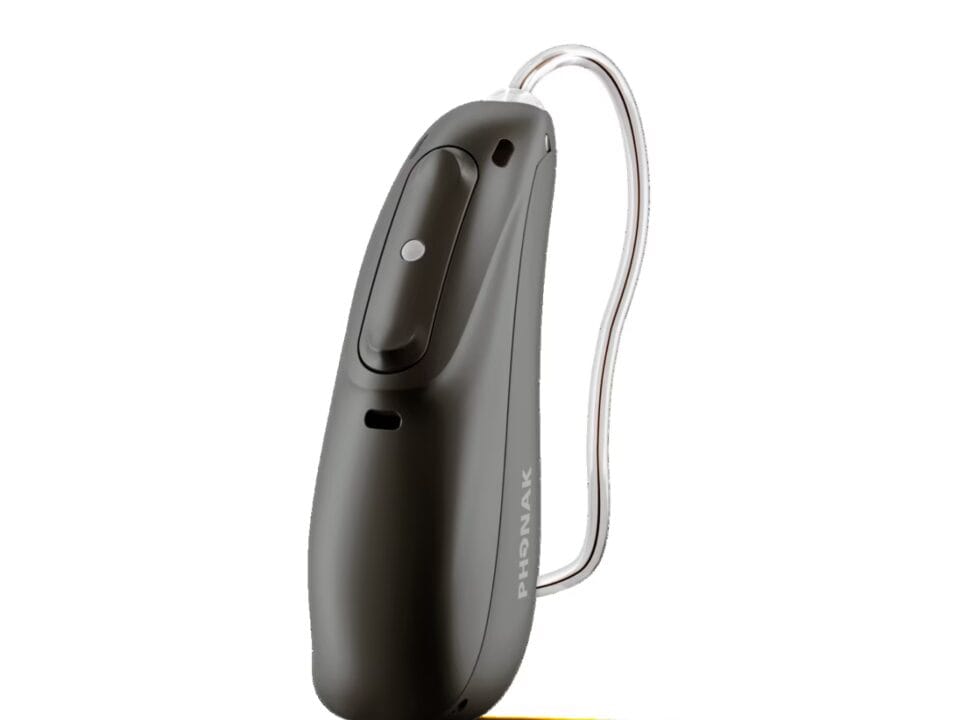
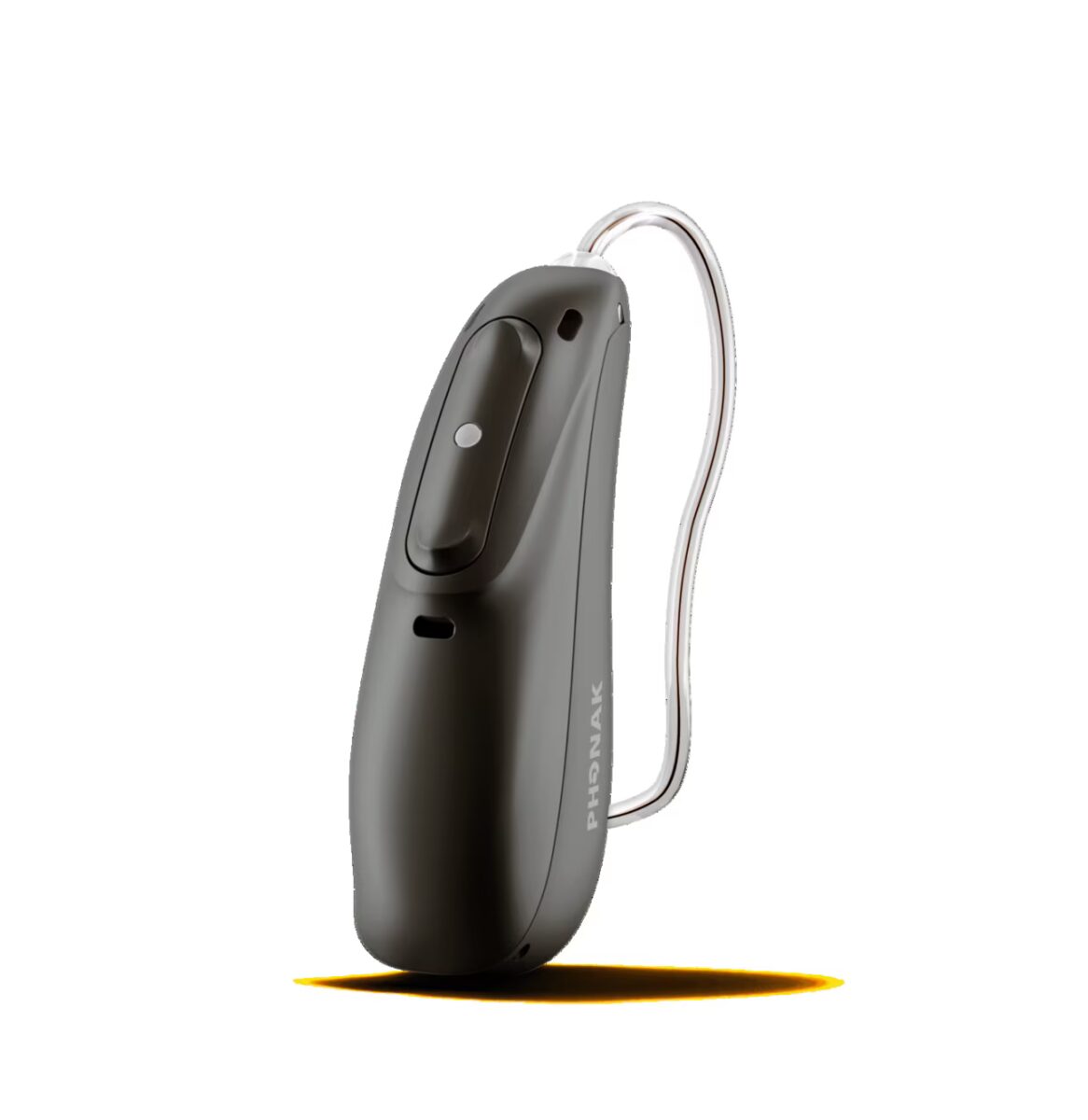
Signia offers static noise, ocean wave therapy, and a unique “Notch Therapy” that reduces the perception of tonal tinnitus over time. - Phonak – Broadband Noise Options
Phonak devices include masking noise programs that can be adjusted to fit your hearing loss and tinnitus profile.
These features are most effective when programmed collaboratively with your audiologist, ensuring that the therapy sound is set at the right level and tailored to your tinnitus experience.
Sound Therapy: White Noise vs. Fractal Tones
One of the most common questions patients ask is whether white noise or more musical sounds are better for tinnitus relief.
- White noise is a consistent, broad-spectrum sound that blends with tinnitus, providing immediate masking of the sound. It works well in quiet environments where tinnitus would otherwise stand out. However, long-term benefits may be limited because the brain can habituate to the uniform sound.
- Fractal tones (like those used in Widex Zen Therapy) are harmonic, unpredictable, and musical. They resemble wind chimes and are designed to be pleasant and non-repetitive, keeping the brain engaged without annoyance. Research shows fractal tones can improve concentration, sleep, and overall quality of life in tinnitus patients.
The best option depends on the individual. Some prefer the instant relief of white noise, while others find fractal tones more soothing and sustainable for daily listening.
What the Research Says
Clinical studies have found that:
- Hearing aids with tinnitus programs have been shown to significantly reduce scores on the Tinnitus Handicap Inventory (THI), a measure of how disruptive tinnitus is in daily life.
- Widex Zen Therapy, in particular, has shown improvements of around 20 points on the THI after 6 months, reflecting better concentration, improved sleep, and reduced annoyance.
- White noise often provides strong, immediate relief, as measured by reduced annoyance on a Visual Analog Scale (VAS), but the improvements are not always as long-lasting as those with fractal tones.
The takeaway: hearing aids can’t erase tinnitus, but they can make it far less intrusive and improve daily functioning.
Adjusting to Tinnitus Relief with Hearing Aids
Relief is rarely instant. Just as it takes time to adjust to amplified sounds, it takes time for the brain to adapt to new tinnitus management strategies. Most patients notice meaningful improvement within a few weeks, with continued benefits as their brain learns to “tune out” the tinnitus.
Ongoing support from your audiologist is essential. Fine-tuning device settings, counselling, and complementary therapies (like relaxation exercises or mindfulness) all contribute to better outcomes.
Frequently Asked Questions
Will hearing aids completely cure tinnitus?
No, but they can reduce how much you notice it and improve the quality of life.
Do I need special hearing aids for tinnitus?
Not always. Even standard hearing aids, which amplify sound, can be helpful. But models with dedicated tinnitus features may provide more targeted relief.
How long will it take to notice improvement?
Most people experience relief within weeks, but the best results are achieved with consistent use and follow-up care.
Can I try these programs before making a commitment?
Yes. Many clinics, including ours, offer trial periods that allow you to test different sound therapies and determine what works best for you.
References
Altissimi, G., Musacchio, A., Pace, A., Greco, A., Magliulo, G., Iagnocco, G., … & Ralli, M. (2024). Sound therapy in patients with tinnitus: traditional sound generators vs. mobile apps. European Review for Medical and Pharmacological Sciences, 28(11), 3781-3786.
Danesh, A. A., King, A., & Eshraghi, A. A. (2024). Assessment and Management of Tinnitus and Hyperacusis. In OVERCOMING HEARING LOSS: From Drug Therapy to Cochlear Implant Surgery: Latest Advancements in the Management of Hearing Loss (pp. 99-123).
Kam, A. C. S. (2024). Efficacy of amplification for tinnitus relief in people with mild hearing loss. Journal of Speech, Language, and Hearing Research, 67(2), 606-617.
Lelic, D., Caporali, S., Parker, D., Nielsen, J., & Balling, L. W. (2024). Impact of a combination sound therapy on tinnitus distress: an exploratory one-year longitudinal study. Frontiers in Audiology and Otology, 2, 1322596.
Waechter, S., Timmer, B. H., Olovsson, M., Pettersson, P., Frawley, L., Ibertsson, T., … & Jönsson, A. (2025). Conventional hearing aid amplification, notch therapy, or increased gain at tinnitus pitch: a randomised controlled multicentre study. International Journal of Audiology, 1-24.