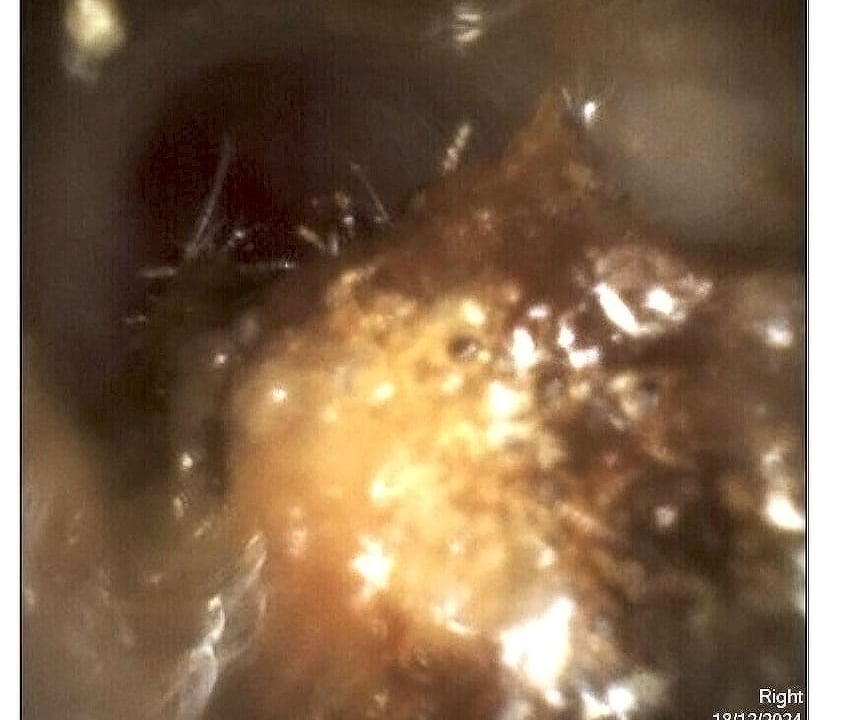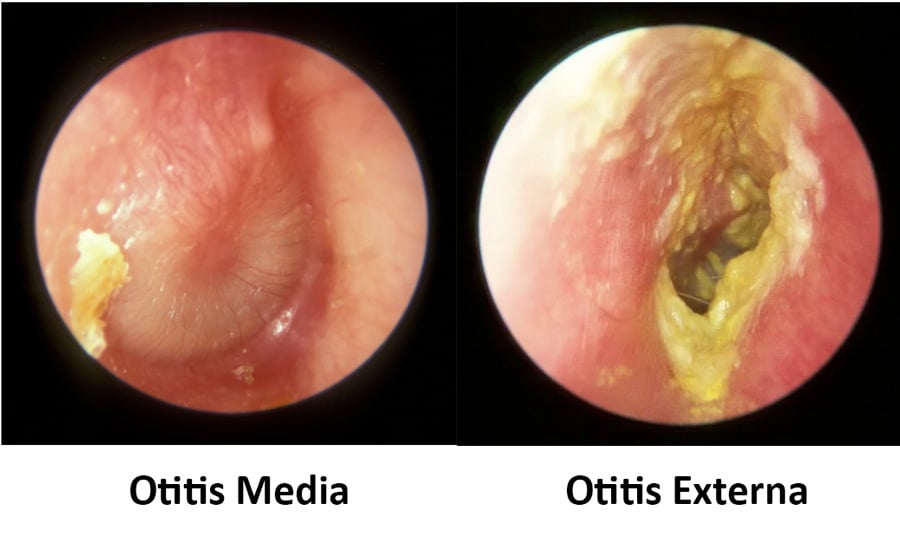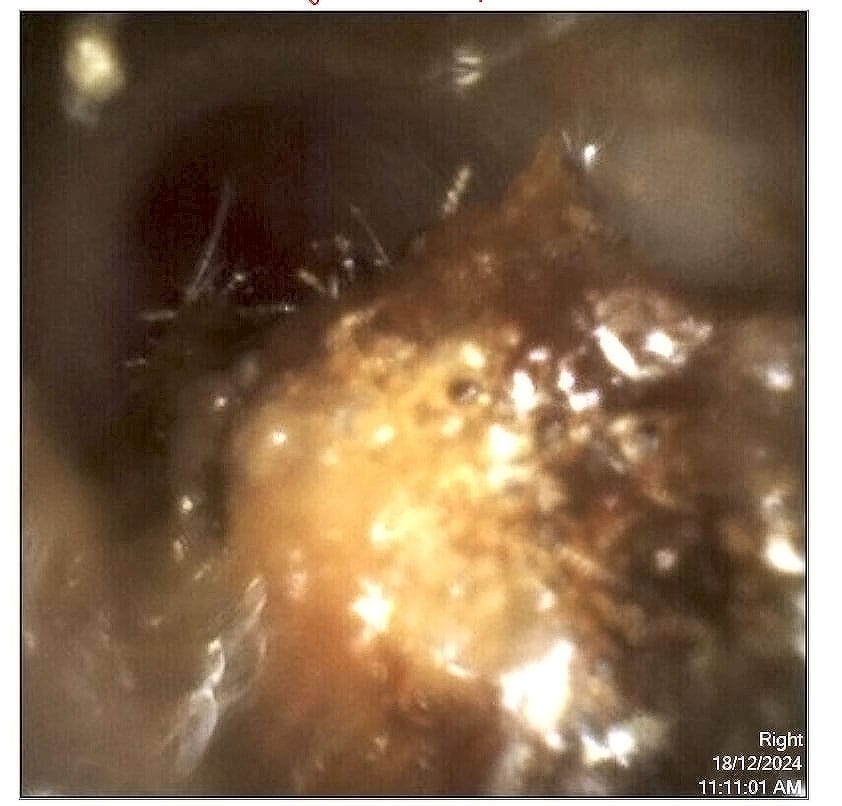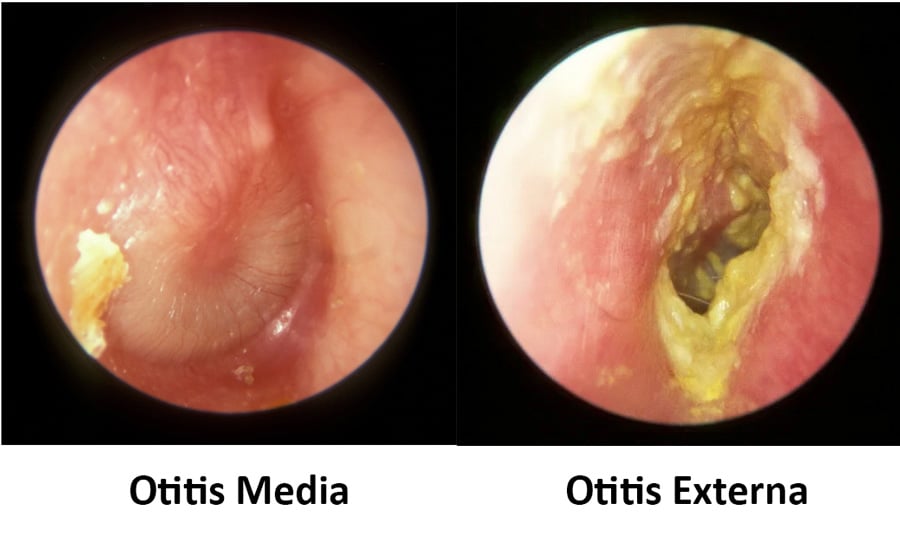

It’s a question audiologists hear regularly: “How often should I be getting my ears cleaned?” The answer might surprise you: for most people, it’s never. But ear wax management is highly individual, and what’s true for your colleague or family member may not apply to you.
How often you need professional ear cleaning depends on your ear anatomy, lifestyle and overall ear health. Here is how to work out what schedule, if any, is right for you.
The Truth About Ear Wax: When Less Intervention Is More
First, ear wax (cerumen) is not a sign of poor hygiene. It’s a natural, protective substance produced by glands in your ear canal that serves several important functions. Cerumen traps dust and debris, has antimicrobial properties that protect against infection, and keeps the delicate skin of your ear canal lubricated and healthy.
In most cases, your ears are self-cleaning. The skin of your ear canal grows in a unique conveyor-belt fashion, slowly migrating outward from your eardrum towards the opening of your ear. This natural process carries excess wax and trapped debris out of your ear, where it typically falls away unnoticed during daily activities like chewing and talking.
The American Academy of Otolaryngology–Head and Neck Surgery’s clinical practice guideline on earwax recommends treating wax when it causes symptoms or prevents a needed examination, rather than routinely cleaning ears that have no problems.
When Professional Ear Cleaning Becomes Necessary
Whilst many people never need professional ear cleaning, certain circumstances create a legitimate need for regular intervention. Understanding which category you fall into can help you make informed decisions about your ear care.
If You’re a Regular Wax Producer
Some individuals naturally produce more cerumen than others or have wax with a drier, more stubborn consistency that doesn’t migrate outward efficiently. If you’ve had multiple episodes of symptomatic wax build-up requiring professional removal, you’re likely someone who will benefit from preventative cleaning.
Recommended frequency: Every 6 to 12 months, though this should be tailored to your individual pattern of accumulation.
The key is finding the sweet spot: frequent enough to prevent impaction and symptoms, but not so often that you’re disrupting your ear’s natural ecosystem. Your audiologist can help you identify this interval by tracking how quickly wax accumulates between appointments.
If You Wear Hearing Aids or Other Ear Devices
Hearing aid wearers face a unique challenge. The presence of a device in your ear canal can interfere with the natural migration of wax, essentially creating a physical barrier that pushes cerumen deeper into the canal rather than allowing it to work its way out. A device in the ear may also stimulate extra wax production in some people.
Recommended frequency: Every 3 to 6 months for most hearing aid users.
This regular cleaning schedule serves a dual purpose: it maintains your ear health and ensures your hearing aids function optimally. Even a small amount of wax in your ear canal or on your hearing aid receiver can significantly impact sound quality and device performance. At The Audiology Place, we can often check and clear ears during hearing aid maintenance visits.
Musicians using in-ear monitors, individuals who wear earplugs regularly for work, and those using custom ear moulds for swimming or noise protection fall into this category as well.
If You Have Anatomical or Medical Factors
Certain physical characteristics and medical conditions increase the likelihood of problematic wax accumulation:
- Narrow or unusually shaped ear canals that don’t allow wax to migrate outward effectively
- Excessive hair growth in the ear canal, more common as we age, which can trap cerumen
- Skin conditions such as eczema or psoriasis affecting the ear canal, which can alter wax consistency
- Previous ear surgery that may have changed your ear canal anatomy
- Bony growths (exostoses, often called surfer’s ear, or osteomas) that create pockets where wax accumulates
If you have any of these conditions, your audiologist may recommend professional cleaning every 3 to 6 months, or as symptoms dictate. The specific interval should be determined through discussion with your hearing healthcare provider, based on your individual presentation and history.
The Paradox of Over-Cleaning: When More Harm Than Good
More cleaning is not always better. Wax protects the ear canal, and stripping it away leaves the skin dry and itchy.
Overly frequent or aggressive cleaning can also irritate the delicate skin of your ear canal, potentially leading to inflammation, infection, or even minor trauma. This is why cotton buds remain a persistent problem despite decades of warnings (see what’s safe at home). They not only push wax deeper but can also cause microscopic injuries that make your ears more vulnerable to infection.
The clinical principle here is simple: intervene when necessary, but respect your body’s natural processes when they’re working well.
Self-Assessment: Do You Actually Need Professional Ear Cleaning?
Before booking an appointment for ear cleaning, consider whether you have any of these signs:
Signs you may benefit from professional ear cleaning
- Sensation of fullness or blockage in one or both ears
- Decreased hearing, particularly if it’s gradual or fluctuating
- Tinnitus (ringing in the ears) that’s new or worsening
- Discomfort or pain in the ear canal
- Itching deep in the ear canal that doesn’t resolve
- Difficulty with hearing aid performance despite the device being in good working order
- Dizziness or balance issues (though these require comprehensive assessment, as they’re rarely caused by wax alone)
When to skip professional cleaning
- You have no symptoms and no history of problematic wax accumulation
- You’re simply following a self-imposed “hygiene” schedule without clinical indication
- You can see what you think is wax at the opening of your ear (this is normal and part of the natural cleaning process)
- Someone has suggested you “should” get your ears cleaned as routine maintenance without assessing your individual needs
What to Expect from Professional Ear Cleaning
Professional ear wax removal has evolved considerably. At The Audiology Place, our preferred method is microsuction, which uses gentle suction under magnified view to remove wax safely and comfortably.
Microsuction offers several advantages over older techniques such as syringing or irrigation. It can usually be used for people with a perforated eardrum or previous ear surgery, gives a clear view throughout, and avoids putting water into the ear canal.
During a professional ear cleaning appointment, your audiologist will first examine your ears. This visual assessment helps determine whether cleaning is actually necessary and identifies any other issues that might need attention. The removal process itself typically takes just minutes and is generally painless, though you may hear some noise from the suction equipment.
At our Epping and Forestville clinics, microsuction ear wax removal costs $160 for both ears and you don’t need a GP referral. If you call before 2pm, we may be able to see you the same day.
Creating Your Personal Ear Care Schedule
Rather than following arbitrary timelines, base your ear cleaning schedule on your own needs and history:
For first-time concerns: Book an initial assessment with an audiologist who can examine your ears, remove any existing wax if necessary, and provide guidance on whether you’re likely to need ongoing management.
For ongoing management: After your first professional cleaning, discuss with your audiologist how quickly wax tends to accumulate for you. They may suggest a follow-up in three to six months to assess the rate of accumulation, then adjust your schedule accordingly.
For monitoring: Keep a simple record of when you notice symptoms. If you can identify a pattern (for instance, you develop fullness or reduced hearing every eight months), you can schedule preventative cleaning just before symptoms typically emerge.
For hearing aid wearers: Coordinate ear cleaning with your regular hearing aid maintenance appointments. This typically means scheduling ear examinations every three to six months, with cleaning performed as needed.
The Bottom Line: Individualised Care Over Universal Rules
The question of how often you should get your ears professionally cleaned doesn’t have a one-size-fits-all answer. For many people, the answer is never: their ears look after themselves. For others, particularly those wearing hearing devices or with anatomical considerations, regular professional cleaning becomes an important part of maintaining ear health and optimal hearing.
The key is to base your decisions on clinical need rather than assumptions about what “should” be done. Work with a qualified audiologist who can assess your individual circumstances, provide evidence-based recommendations, and adjust your care schedule based on your response over time.
If you’re experiencing symptoms of wax build-up or simply unsure whether your ears need professional attention, an initial assessment can provide clarity and establish whether ongoing management would benefit you. Good ear care means working with your body’s natural processes, stepping in when needed, and resisting the urge to over-manage something that may be working perfectly well on its own.