
If you’ve ever tried to pull on a face mask only to dislodge your hearing aid, or struggled to fit a bicycle helmet over both spectacles and behind-the-ear devices, you’re not alone. For the many Australians who wear hearing aids alongside glasses, masks, or protective headgear, the daily juggle can feel like an engineering puzzle. The good news? With a few evidence-based adjustments and some clinic-tested techniques, you can wear all your essential gear comfortably and safely, without compromising your hearing health or spending your morning wrestling with straps.
Why the Problem Exists: Understanding the Anatomy of Interference
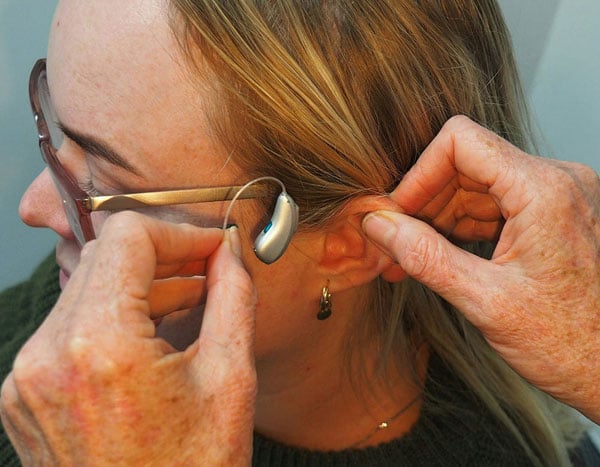
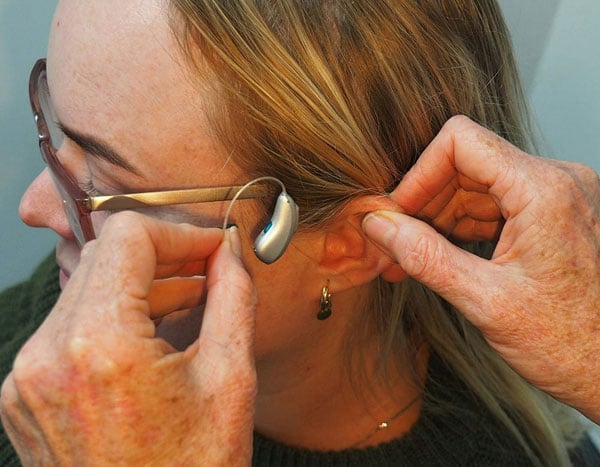
Behind-the-ear (BTE) and receiver-in-canal (RIC) hearing aids rest on the back of the pinna and drape a thin tube or wire into the ear canal. That same piece of real estate, the back of your ear and the temporal bone, is also where spectacle arms sit, mask elastic loops, and helmet straps anchor. When multiple devices compete for the same narrow corridor of skin, you get:
- Pressure points that cause discomfort or headaches
- Displacement of hearing aids, reducing audibility and increasing feedback (whistling)
- Occlusion or blockage of the ear canal when devices shift inward
- Increased risk of dropping and damaging expensive technology during removal
The COVID-19 pandemic heightened awareness of these issues, with many hearing aid users reporting that elastic ear-loop masks regularly pulled devices out or caused feedback during donning and doffing.
Practical Solutions for Hearing Aids and Glasses
Spectacles and hearing aids are the most common pairing, and fortunately, some of the simplest interventions make the biggest difference.
Temple-Arm Spacing and Order of Donning
The order you put things on matters. Many people find it easiest to put their glasses on first, then tuck the hearing aid behind the ear between the temple arm and the head; others prefer to fit the hearing aids first and slide the glasses on carefully over them. Try both, and check that the temple arm isn’t pressing on the microphone openings or pushing the hearing aid out of position. Your audiologist can watch you do it and suggest the best routine for your ears and frames.
If your glasses have thick or wide temple arms, ask your optometrist about thinner, lightweight frames. Thinner temples, such as titanium or memory-metal designs, take up less room behind the ear. Some patients find that adjusting the temple curve, so the arm follows the contour of the head more closely, reduces competition for space.
Custom Shells and Thin-Tube Options
If you consistently experience discomfort or feedback with BTE or RIC devices, discuss alternative form factors with your audiologist:
- Custom in-the-ear (ITE) or completely-in-canal (CIC) devices sit entirely within the concha or ear canal, leaving the back of the ear free for glasses and masks. Not everyone is a candidate (your degree of hearing loss, ear canal anatomy and dexterity all play a role), but for suitable patients, custom in-ear devices can remove the behind-the-ear “traffic jam” altogether.
- Thin-tube or slim-tube BTE fittings reduce the physical footprint on the pinna. Modern slim tubes are remarkably discreet and often more comfortable under glasses.
Your audiologist will assess your audiogram, perform real-ear measurement (REM) to verify that the chosen device meets prescriptive targets, and discuss cosmetic and lifestyle trade-offs during your fitting appointment.
Masks With Hearing Aids: Routing and Retention Strategies
Face masks are still part of daily life for many people, particularly in healthcare, and elastic ear loops remain standard on disposable surgical and cloth masks. Here’s how to minimise hassle and maximise safety.
Strap Routing: Behind the Head, Not Around the Ears
The single most effective intervention is switching to masks with ties or adjustable head straps that anchor behind the head or at the crown, bypassing the ears entirely. Many medical-grade and cloth masks now offer this design, and the comfort improvement is immediate.
If you prefer or are required to use ear-loop masks, consider:
- Mask extenders or ear savers: These plastic or fabric clips hold the mask elastics together behind your head, routing tension away from your ears. They’re inexpensive, widely available, and reduce both pressure and the risk of dislodging hearing aids.
- Button headbands: Stretchy headbands with buttons sewn on either side let you hook mask loops onto the buttons instead of your ears. These are popular among healthcare workers and people who wear masks for extended periods.
Donning and Doffing Technique
When putting on or removing an ear-loop mask:
- Tilt your head slightly forward so gravity helps keep your hearing aids in place.
- Use both hands: one to hold the mask elastic, the other to stabilise your hearing aid.
- Remove the mask slowly, lifting the loop forward and up rather than pulling straight back.
A quick clinic tip: practice this a few times in front of a mirror or with your audiologist during a follow-up visit. Muscle memory makes a real difference.
Helmet Hearing Aid Tips: Cyclists, Motorcyclists, and Tradies
Helmets, whether for cycling, motorcycling, or worksite safety, add another layer of complexity. Hard shells, chin straps, and internal padding all interact with hearing aids and glasses.
Retention Clips and Secure Placement
Before donning a helmet:
- Check that your hearing aids are seated securely and that retention wires or clips (if your device has them) are fastened.
- Route the hearing aid tube or wire so it sits under the helmet’s inner padding, not pinched between hard shell and skin.
- Adjust chin straps so they sit below the hearing aid, along the jawline. Most modern helmets have adjustable Y-strap systems that allow fine-tuning.
Consider Over-Ear or In-Ear Options
Some motorcyclists and frequent helmet users find custom in-ear hearing aids more comfortable under a helmet than behind-the-ear styles. For noisy workplaces, ask your audiologist about options that protect your hearing while still letting you hear what you need to, such as custom ear plugs with filters.
If you ride frequently or work in noisy environments, mention this during your hearing aid consultation so your audiologist can tailor recommendations and verify performance using speech-in-noise testing.
In-Clinic Fitting Tweaks: When to Book a Follow-Up
Even small adjustments to your hearing aids’ physical fit or software settings can resolve comfort and performance issues. Schedule a review appointment if you experience:
- Persistent feedback (whistling), especially when wearing glasses or a mask
- Sore spots or skin irritation behind your ear
- Difficulty keeping devices in place
- Reduced audibility when wearing a helmet
Your audiologist can:
- Adjust the retention strength of thin tubes or custom moulds
- Modify the length or curve of the hearing aid tube or wire
- Re-verify the fitting using real-ear measurement (REM) to ensure prescribed gain is still being delivered, even with physical adjustments
- Reassess your candidacy for alternative devices (e.g. moving from RIC to custom ITE)
Real-ear measurement is considered the gold standard for hearing aid verification. It objectively measures sound levels inside your ear canal, accounting for individual anatomy, and ensures your devices are delivering appropriate amplification. If your audiologist suggests REM during a fitting tweak, it’s a sign they’re prioritising evidence-based care.
Practical Checklist: Your At-Home and On-the-Go Toolkit
Keep these items handy for day-to-day comfort:
- Mask extenders or ear savers (pack spares in your bag, car, or helmet case)
- Thin, lightweight spectacle frames with adjustable temple arms
- Behind-the-head masks or mask ties for extended wear
- Retention clips or lanyards for hearing aids (available from most hearing clinics)
- Soft microfibre cloth to clean devices and glasses simultaneously
- Mirror for practicing donning/doffing technique
Trust, Transparency, and Your Ongoing Care
At The Audiology Place and clinics like it across Australia, audiologists see these practical challenges every day. The strategies outlined here come from everyday clinical practice, and they apply whichever brand of hearing aid you wear.
If a solution doesn’t feel right, or if you’re weighing cosmetic concerns against hearing performance, have an honest conversation with your audiologist. Hearing aids are a long-term investment in your quality of life, and your comfort matters just as much as your audiogram.
Remember: discomfort, feedback, and poor retention are not inevitable. They’re solvable problems, often with quick, low-cost fixes. Don’t settle for daily frustration: book a review, bring your glasses and masks to your appointment, and work through the options together.
Next steps: If you haven’t had a fitting review in the past 12 months, or if your lifestyle has changed (new job, new hobbies, new eyewear), now is an excellent time to check in. Your hearing and your comfort deserve it.