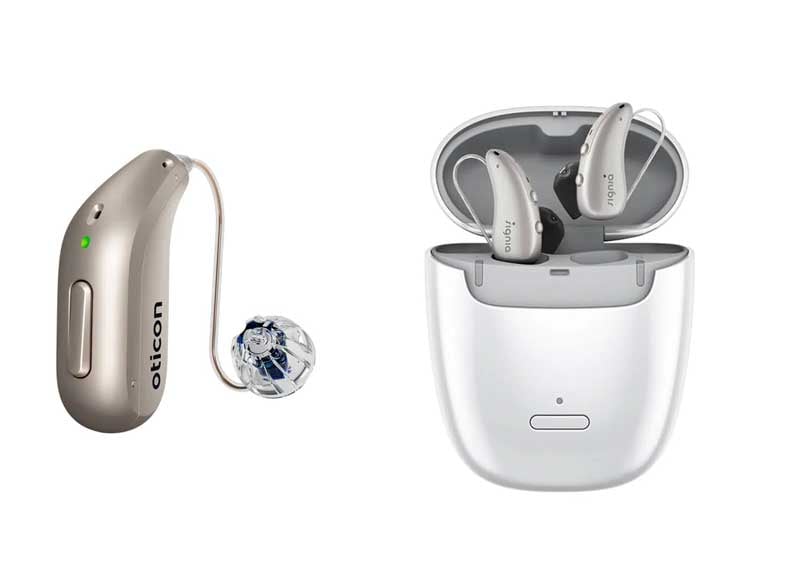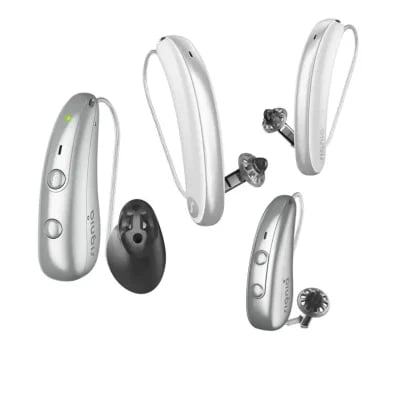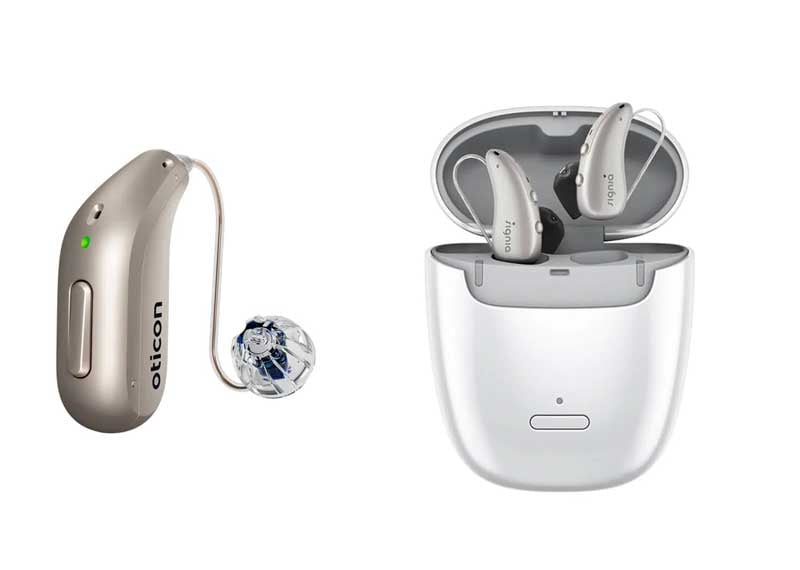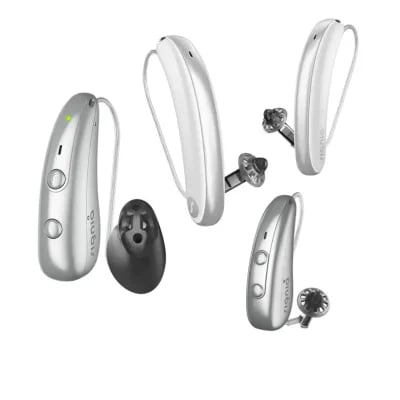

No, you shouldn’t swim with your hearing aids in. While modern hearing aids are water *resistant* – typically rated IP68, meaning they’ll survive sweat, rain, and the occasional splash – they’re not designed for submersion. That IP68 rating means protection against dust and brief immersion in shallow fresh water under controlled conditions, not chlorinated pools, ocean salt, or the pressure changes that come with diving under. If you want to hear while swimming, you’re looking at a different solution entirely, and it won’t be the devices sitting in your bathroom cabinet right now.
I’ve seen what happens when patients test this guidance. The hearing aid might work when you fish it out of the pool. It might even work for a few days. Then the microphone ports clog, the receiver starts cutting out, and you’re looking at a repair bill that often approaches half the cost of the device itself. Water resistance is damage control for real life, not a green light for aquatic activities.
What Water Resistance Actually Means in Hearing Aids
The IP rating system (Ingress Protection) tells you what a device can handle. Most modern hearing aids sit at IP67 or IP68. The first number (6) means complete dust protection. The second number indicates water resistance: 7 means submersion up to one metre for 30 minutes in fresh water under laboratory conditions; 8 extends that slightly deeper or longer. These tests happen in controlled environments with clean, still, room-temperature fresh water. Your local pool or Bondi Beach is neither clean nor still, and the chemicals or salt change everything.
Manufacturers test for scenarios like getting caught in rain, sweating through a Sydney summer, or forgetting to remove your aids before a quick shower. They don’t test for swimming laps, diving, or floating in the ocean for an hour. The seals around battery doors and charging ports are designed to handle moisture vapour and brief exposure, not sustained pressure or repeated wet-dry cycles with chemically treated or saline water.
I’ve fitted hearing aids for more than fifteen years, and the IP rating has improved remarkably in that time. A decade ago, a patient who gardened in humid weather or worked outdoors needed to think carefully about moisture damage. Now, those scenarios rarely cause problems. But that increased durability has created a false sense of security around actual water activities. Water resistance isn’t waterproofing, and the distinction matters when you’re talking about devices that cost between $2,500 and $4,000 each.
Why Swimming Specifically Is the Problem
Chlorine and salt are corrosive. The microphone ports on a hearing aid are measured in fractions of a millimetre – they have to be, to pick up the frequency range of human speech. When pool chemicals or ocean salt get into those ports, they don’t just evaporate cleanly. They leave residue. That residue builds up, blocks sound, and damages the delicate components behind the ports. Freshwater isn’t much better; it carries its own contaminants and minerals that cause similar problems.
Then there’s pressure. Even a shallow dive creates pressure changes that can force water past seals designed only to resist surface moisture. The receiver – the speaker that sits in your ear canal – is particularly vulnerable. It’s protected by a wax guard and thin membrane, not a watertight seal. Water pushed through during swimming can damage the receiver outright or create an environment where corrosion develops over the following days.
Temperature cycling accelerates the problem. You go from air-conditioned car to hot pool deck to cool water and back again. Each temperature change creates condensation inside the device. Modern hearing aids have internal nano-coating on the circuit boards to resist moisture, but that coating is a last line of defence, not a solution for repeated wet exposure.
What About “Waterproof” Hearing Aids?
They essentially don’t exist in the consumer market, at least not in the way most people mean when they ask. There have been a few custom devices marketed for water sports over the years, built with completely sealed cases and specialised components. They’re rare, expensive – often double the cost of premium conventional aids – and limited in functionality. You’re not getting Bluetooth streaming or sophisticated noise management in a fully sealed device. The engineering compromises required to make something truly waterproof conflict with the features most people actually need from hearing aids in daily life.
Some manufacturers have released “aqua-rated” versions of their devices, usually meaning enhanced IP68 ratings with additional sealing. These withstand wet conditions better than standard models, but even the marketing materials specify they’re for water sports *exposure*, not submersion. If you’re kayaking and might get splashed, they’re reassuring. If you’re swimming laps, they’re still the wrong tool.
The practical reality is that if you need to hear while swimming, you’re looking at purpose-built solutions like bone conduction swimming headphones (which have nothing to do with hearing aid technology) or custom swim moulds with specialised waterproof electronics. I’ve arranged the latter for exactly two patients in fifteen years: one competitive swimmer with moderate hearing loss, one dive instructor. Both required custom manufacturing from specialist suppliers, neither could be fit through standard channels, and both cost more than most people would consider reasonable for a single-purpose device.
Managing Water Exposure: What Actually Works
Remove your hearing aids before swimming. Full stop. That’s the only reliable approach. Get a small waterproof case – the kind kayakers use for phones works perfectly – and establish a routine. Aids come out, aids go in the case, case goes in your bag. The patients I see with water damage are almost always the ones who got casual about this step.
If you’re swimming regularly and need to hear on the pool deck or beach before and after, timing matters. Don’t put your hearing aids in immediately after swimming while your ears are still wet. Water trapped in the ear canal creates a humid environment inside the hearing aid and increases the risk of feedback and discomfort. Dry your ears properly first. If you swim in the morning and that’s when you most need your hearing aids, consider whether you can manage the pool routine without them and put them in afterward, or invest in a small portable dehumidifier to dry them quickly if you need to put them in sooner.
Speaking of dehumidifiers: if you swim regularly, use one. The UV dehumidifiers that combine drying with sanitising are worth the $80-150 investment. Put your aids in the dehumidifier every night, especially in summer or if you’re someone who sweats heavily. This manages the moisture exposure that accumulates from humidity, sweat, and any incidental water contact throughout the day. It won’t save your aids if you swim with them in, but it dramatically reduces moisture-related problems from everything else.
Rain and Showers: Where You Can Relax Slightly
Brief rain exposure is fine. If you’re caught in a shower walking between the car and the shops, your IP68-rated hearing aids will be perfectly happy. I’ve had patients panic about getting caught in unexpected rain – there’s no need. Shake off the obvious water when you get inside, maybe wipe the devices with a dry cloth, and continue your day.
Showering is more nuanced. Can your hearing aids survive a quick shower if you forget to take them out? Usually, yes. Should you routinely wear them in the shower? No. The sustained humidity, soap residue, and shampoo create exactly the kind of environment that degrades seals and clogs ports over time. Some patients like to wear their aids in the shower because they need to hear if someone’s calling them or for safety reasons. If that’s you, consider whether a visual alert system or vibrating alarm might solve the underlying problem without exposing your devices to daily moisture.
The moisture from showering isn’t usually the catastrophic event that swimming is. It’s cumulative. Each shower adds a bit more stress to the seals, a bit more residue in the ports, a bit more opportunity for corrosion. Over months and years, patients who routinely shower with their aids tend to need more frequent repairs and earlier replacements.
What to Do If Your Hearing Aids Get Wet
If you accidentally swim with your hearing aids or drop them in water, remove them immediately. Don’t turn them on or try to test whether they still work – powering on wet electronics can cause short circuits that wouldn’t happen if the device dried out first. Open the battery door (for battery-powered aids) or remove them from the charger completely. Don’t use a hair dryer or other heat source; you’ll damage the plastic and internal components. Don’t put them in rice; it doesn’t work despite internet folklore, and you’ll end up with rice dust in the ports.
Pat them dry with a soft cloth and place them in a proper hearing aid dehumidifier or, failing that, a sealed container with commercial desiccant packets. Leave them for at least 24 hours, preferably 48. Then, and only then, try to power them on. If they don’t work or sound distorted, bring them in. Sometimes we can clean and dry them sufficiently if you act quickly. Sometimes the damage is already done. Either way, waiting days to see if they “fix themselves” only makes the problem worse.
The Real Question: Hearing While Swimming
Most people asking about hearing aids and swimming aren’t actually asking whether their current devices can get wet. They’re asking how to hear while swimming, whether that’s to follow aqua aerobics instruction, chat with lap-lane neighbours, or keep track of kids at the pool. That’s a different problem requiring different solutions.
For aqua aerobics or pool-based classes, talk to the instructor about visibility and positioning so you can see their demonstrations clearly. Many instructors will work with you on visual cues if they know you need them. For social swimming, the reality is that almost no one hears well in a pool environment anyway – between water in ears, background noise, and echoes, conversation is difficult even for people with perfect hearing. If you’re supervising children, you’re likely relying more on vision than hearing anyway, and proper positioning matters more than audio input.
If you genuinely need waterproof hearing solutions for specific activities – you’re a swimming instructor, competitive swimmer, or water sports enthusiast for whom this is a regular requirement – that’s a conversation worth having in person. We can discuss custom solutions, bone conduction options, or alternative communication strategies depending on your specific situation and degree of hearing loss. Those solutions exist, but they’re specialised enough that they need individual assessment rather than off-the-shelf recommendations.