Which hearing changes are expected in your 50s, which red flags need urgent assessment, and why a baseline hearing test in this decade is worth having.
How outer hair cells and the motor protein prestin amplify sound inside the cochlea, why their loss blurs clarity, and what otoacoustic emissions tests show.
Why you can pass a hearing test yet struggle in noise: cochlear synaptopathy, what the research does and does not show, and the tests and strategies that help.
Age-by-age signs of hearing loss from birth to three, which children are at higher risk, and what to do next if you are worried about your child's hearing.
How your brain uses interaural time and level differences to locate sound, the three binaural advantages, and when two hearing aids make sense over one.
Why older listeners with near-normal audiograms struggle in noise: temporal fine structure, phase locking, what clinics can measure and what hearing aids do.
Schuknecht's four types of age-related hearing loss (strial, sensory, neural and mechanical), what each does to an audiogram and what it means for hearing aids.
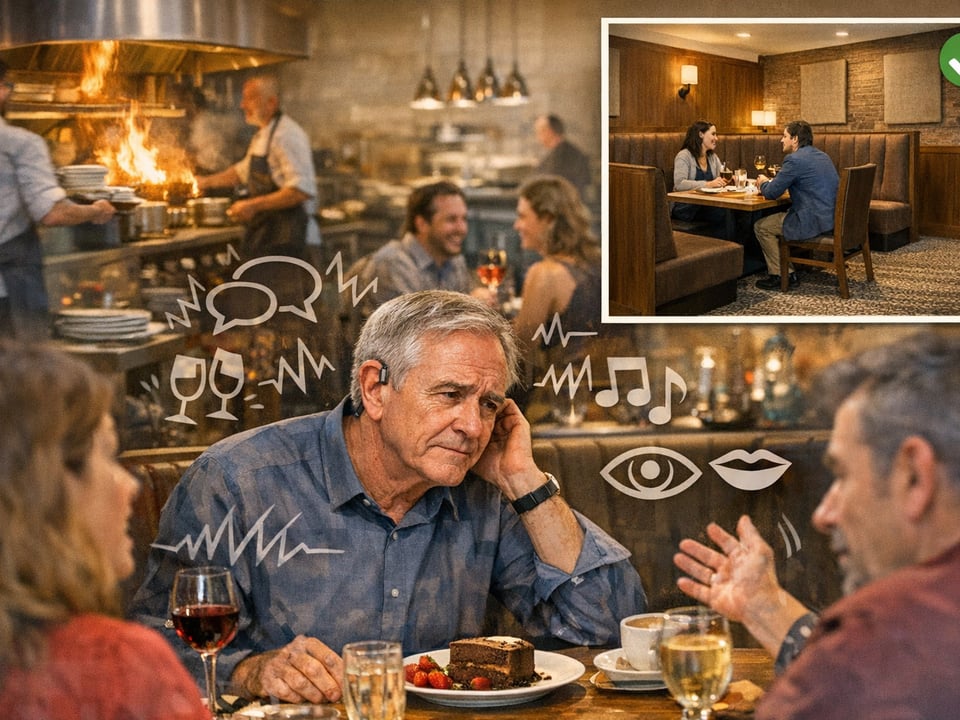
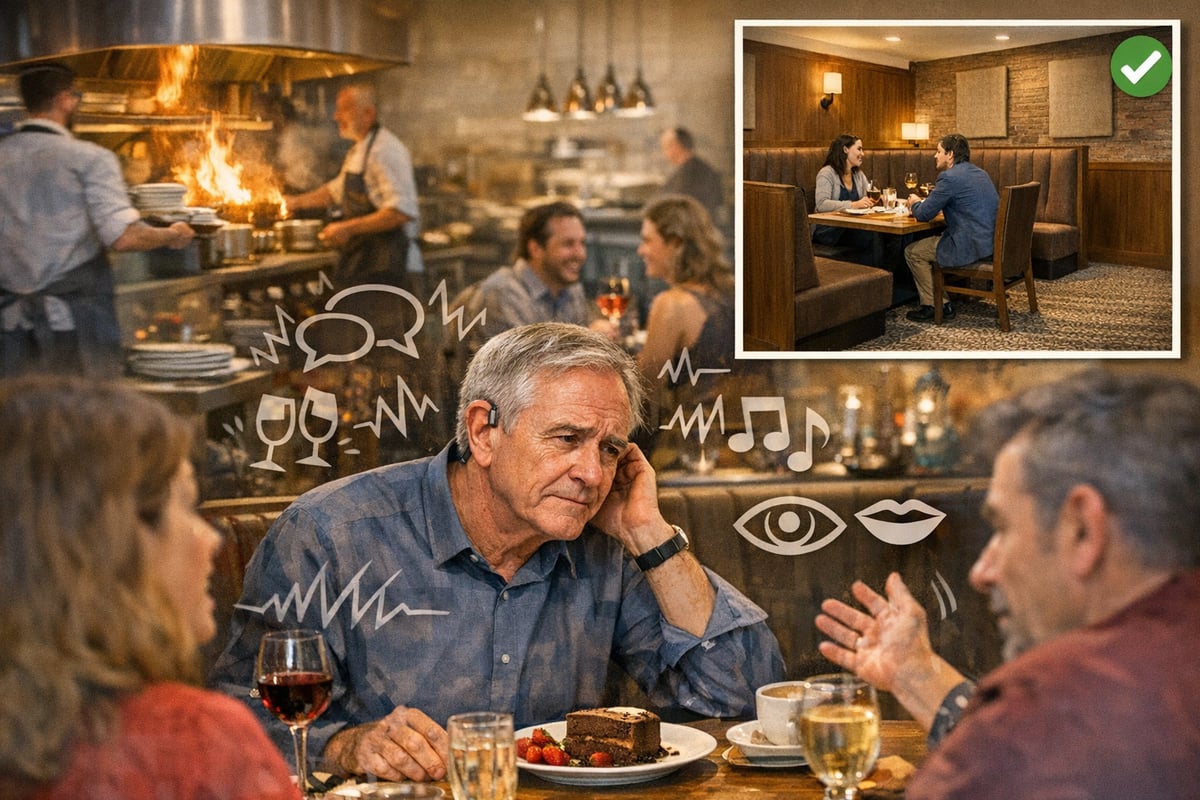
If you can pass a hearing test but still can’t follow conversation in restaurants, you’re not imagining it, and you’re definitely not alone. The mismatch between […]