At The Audiology Place, we are passionate about helping people safeguard their hearing at every stage of life. One of the most common—and preventable—causes of hearing loss is exposure to loud noise. But what exactly makes a sound “too loud,” and how can you tell when it becomes a threat to your hearing health?
Let’s break down how sound is measured, explore examples from everyday life, and explain why loud noise can do long-term damage, often without us even realising it.
—
What Are Decibels?
Sound is measured in units called decibels (dB). But decibels don’t work like normal numbers. The decibel scale is logarithmic, meaning that every 10 dB increase represents a tenfold increase in sound intensity. For example:
- · 20 dB is 10 times louder than 10 dB.
- · 30 dB is 100 times louder than 10 dB.
This is why even seemingly small increases in dB can have a big impact on your ears.
How Loud Is Too Loud?
As a general guideline:
- · Sounds under 85 dB are considered safe for most people.
- · Sounds over 85 dB, especially with prolonged exposure, can cause noise-induced hearing loss (NIHL).
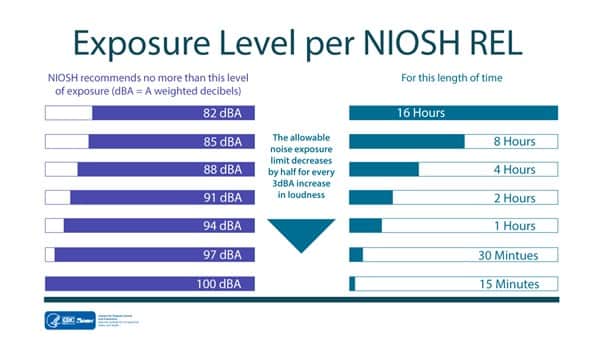
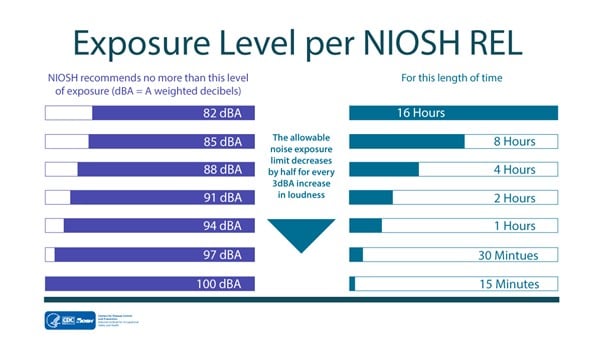
The louder the noise, the less time it takes to cause damage. Here’s a quick guide based on recommendations from the National Institute for Occupational Safety and Health (NIOSH):
Decibel Level Maximum Safe Exposure Time
- 85 dB 8 hours
- 91 dB 2 hours
- 100 dB 15 minutes
- 110 dB 1 minute
- 120+ dB Immediate damage possible
Everyday Sound Examples
Here’s where decibels show up in real life. The list below helps you assess your risk in daily environments:
- Safe Sounds (Under 85 dB)
- · 10 dB – Normal breathing
- · 30 dB – Whisper
- · 50 dB – Moderate rainfall, refrigerator hum
- · 60 dB – Normal conversation, electric toothbrush
- · 70–80 dB – Vacuum cleaner, dishwasher, busy café
- Risky Sounds (85 dB and Over)
- · 85 dB – Blender, heavy traffic
- · 90 dB – Lawnmower, shouted conversation
- · 100 dB – Rock concert, motorbike
- · 110 dB – Power saw, leaf blower, nightclub
- · 120 dB – Ambulance siren, chainsaw
- · 140+ dB – Jet engine, fireworks, gunshots
Even one second of exposure to sounds above 140 dB can cause permanent hearing damage.
How Loud Sounds Damage Hearing
Inside your inner ear are delicate hair cells that respond to sound vibrations. These cells:
- · Convert sound waves into electrical signals your brain can understand.
- · Do not regenerate once damaged.
Loud noise can damage or destroy these cells, especially after repeated exposure, leading to irreversible hearing loss. And because hearing loss from noise exposure usually happens gradually, many people don’t notice it until it’s too late.
Tips to Protect Your Hearing
You don’t need to give up the things you love. Whether it’s attending a concert or using power tools, there are simple ways to enjoy life while protecting your ears.
1. Wear Protection
- · Use earplugs or earmuffs in noisy environments (concerts, construction sites, mowing the lawn).
- · Keep ear protection in your bag or car so you’re always prepared.
2. Control the Volume
- · Turn down the volume when using headphones.
- · Follow the “60/60 rule”: Listen at no more than 60% volume for no more than 60 minutes at a time.
- · Many smartphones now include volume limit settings—use them.
3. Take Listening Breaks
- · If you’re in a loud space, step outside for 5–10 minutes to give your ears a rest.
4. Keep Your Distance
- · The farther you are from the sound source, the lower the intensity.
- · At concerts or events, stand away from speakers.
5. Get Your Hearing Tested
- · Even without symptoms, regular hearing checks are a smart way to detect early signs of damage.
- · At The Audiology Place, we provide comprehensive hearing assessments for all ages.
Sound is all around us, and so is the risk of noise-induced hearing loss. However, the good news is that it’s entirely preventable. By understanding decibel levels, managing your exposure, and using protection when needed, you can preserve your hearing for life.
If you’re unsure whether you’ve been exposed to harmful levels of noise or want to keep track of your hearing health, we’re here to help. Book an appointment today with Dr. Signe Steers at The Audiology Place in Forestville and take the first step toward lifelong hearing wellness.
References
Gopal, K. V., Champlin, S., & Phillips, B. (2019). Assessment of Safe Listening Intentional Behavior Toward Personal Listening Devices in Young Adults. International Journal of Environmental Research and Public Health, 16(17), 3180. https://doi.org/10.3390/ijerph16173180
Natarajan, N., Batts, S., & Stankovic, K. M. (2023). Noise-Induced Hearing Loss. Journal of Clinical Medicine, 12(6), 2347. https://doi.org/10.3390/jcm12062347