
If your child constantly asks “What?” despite passing a hearing test, struggles to follow instructions in noisy classrooms, or seems easily distracted during conversations, you might be wondering whether something more than inattention is at play. Auditory Processing Disorder (APD) is a condition that affects how the brain processes sounds—not how well the ear hears them—and it often goes unrecognised until children begin struggling academically or socially.
Understanding APD, how it’s diagnosed, and what support is available can be transformative for families navigating these challenges. This article walks you through the signs to watch for, the comprehensive assessment process, how APD differs from conditions like ADHD and autism, and practical strategies for supporting children both at school and at home.
*Please note: this article provides information for educational purposes and is not a substitute for individualised medical advice. If you have concerns about your child’s listening skills, consult a qualified audiologist or healthcare professional.*
What Is Auditory Processing Disorder?
Auditory Processing Disorder is a neurological condition where the brain has difficulty interpreting auditory information, even when hearing sensitivity is normal. Children with APD typically hear sounds clearly at the ear level—they pass standard hearing tests—but struggle when their brain needs to make sense of those sounds, particularly in challenging listening environments.
This difficulty often becomes most apparent in situations involving background noise, rapid speech, or complex verbal instructions. A child might hear that their teacher is speaking but can’t quite separate the words from the hum of the air conditioner, shuffling papers, or classmates whispering. Over time, this constant effortful listening can lead to fatigue, frustration, and falling behind academically.
APD is not a hearing loss in the traditional sense, nor is it an attention problem, a language disorder, or a learning disability—though it can co-exist with any of these conditions. It’s specifically a deficit in the neural processing of auditory information.
Recognising the Signs: Parent and Teacher Checklists
Parent Checklist: Signs Your Child May Have APD
– Frequently asks “What?” or “Huh?” even in quiet settings
– Struggles to follow multi-step directions, especially when given verbally
– Finds it difficult to listen in noisy environments (restaurants, shopping centres, playgrounds)
– Has trouble distinguishing between similar-sounding words (e.g., “cat” vs “cap”)
– Easily distracted by background sounds others might ignore
– Takes longer to respond when spoken to, as if processing time is needed
– Difficulty with phonics, reading, or spelling despite normal intelligence
– Appears to hear better on some days than others
– Tires easily after school or extended listening activities
– Prefers visual information over verbal instructions
Teacher Checklist: Classroom Red Flags
– Student performs inconsistently, particularly during verbal lessons
– Requires frequent repetition of instructions that peers understood
– Difficulty taking notes from verbal lectures
– Struggles during group discussions or activities with background noise
– Better performance on written tests than oral assessments
– Appears inattentive but engages well with visual materials
– Difficulty with auditory memory tasks (remembering lists, sequences)
– Trouble with rhyming, sound blending, or phonological awareness activities
– Easily overwhelmed in busy classroom environments
– Academic performance doesn’t match apparent ability level
If several items on either checklist resonate with your experience, an APD assessment may be warranted.
Who Should Be Tested and When?
APD assessment is typically recommended for children aged seven years and older, as the auditory system continues maturing through early childhood and reliable testing protocols are better established for this age group. However, younger children showing significant difficulties may benefit from monitoring and early intervention strategies while awaiting formal assessment.
Candidates for APD testing include children who:
– Have passed standard hearing tests but continue to show listening difficulties
– Struggle academically despite appropriate cognitive ability and educational support
– Have been diagnosed with or are being evaluated for ADHD, autism spectrum disorder, dyslexia, or language disorders, as APD can co-occur with these conditions
– Experience persistent speech and language delays that haven’t fully resolved with therapy
– Have a history of recurrent ear infections (otitis media) during critical language development years
It’s important to rule out or address any middle ear problems, hearing loss, or significant language disorders before pursuing APD-specific testing, as these conditions can mimic or contribute to auditory processing difficulties.
The APD Assessment: What to Expect
A comprehensive APD evaluation is quite different from a standard hearing test. While a typical hearing screening checks whether sounds of various frequencies reach the ear at appropriate volumes, APD testing examines how the brain processes, interprets, and uses that auditory information.
At a specialist audiology clinic like The Audiology Place on the Northern Beaches, an APD assessment battery typically includes several components:
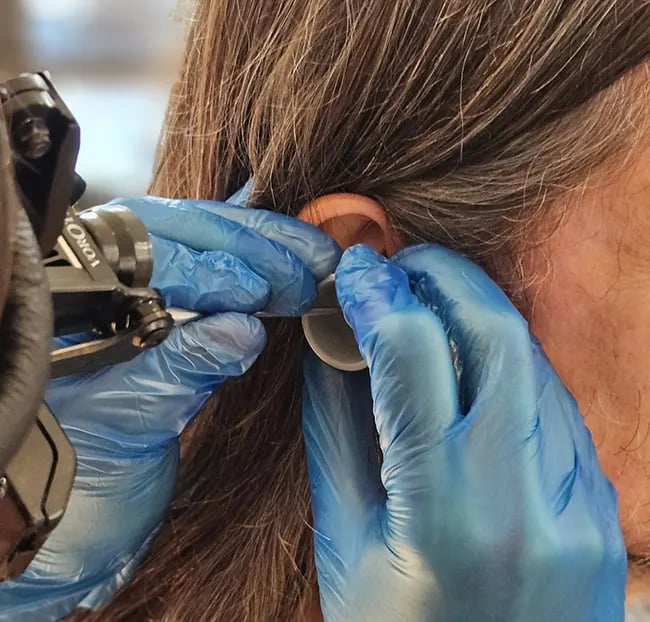
**Comprehensive audiological evaluation:** This establishes baseline hearing sensitivity through pure-tone audiometry and ensures there’s no hearing loss or middle ear dysfunction that might confound APD testing. Tympanometry checks middle ear function, and otoacoustic emissions may be measured to assess outer hair cell function in the cochlea.
**Speech-in-noise testing:** These tasks measure how well a child understands speech when background noise is present—a core deficit area in APD. The LiSN-S (Listening in Spatialized Noise-Sentences) test is commonly used in Australian clinics and assesses a child’s ability to understand speech in competing noise, testing both spatial processing advantage and the ability to process two different speech streams.
**Dichotic listening tests:** Different auditory information is presented simultaneously to each ear, requiring the brain to process competing messages. This assesses interhemispheric transfer and auditory attention skills.
**Temporal processing tasks:** These evaluate the brain’s ability to process the timing and sequencing of sounds—critical for understanding rapid speech and distinguishing between similar phonemes.
**Auditory pattern and discrimination tests:** Children listen to patterns of sounds or subtle differences between similar sounds to assess how well the auditory cortex distinguishes acoustic details.
**Auditory memory and sequencing tasks:** These measure how well auditory information is retained and recalled in sequence.
The entire assessment typically takes 1.5 to 2 hours and may be conducted over multiple sessions to avoid listener fatigue, which can significantly impact results. The audiologist will take care to ensure the testing environment is optimal and that the child understands each task.
Importantly, interpretation of APD testing should never occur in isolation. A thorough case history, educational history, observation of the child, and often collaboration with other professionals (speech pathologists, psychologists, occupational therapists) provide essential context for understanding test results.
APD vs ADHD vs ASD: Understanding the Differences
One of the most challenging aspects of APD is that its symptoms can look remarkably similar to other neurodevelopmental conditions, particularly Attention Deficit Hyperactivity Disorder (ADHD) and Autism Spectrum Disorder (ASD). It’s not uncommon for children to be misdiagnosed or for APD to co-exist with these conditions, making differential diagnosis crucial.
APD and ADHD both involve difficulties with attention and following instructions. However, ADHD is characterised by pervasive attention difficulties across both auditory and visual modalities, impulsivity, and often hyperactivity. A child with ADHD will struggle to focus on written instructions, visual tasks, and physical activities—not just listening. A child with APD specifically struggles when information is presented verbally, particularly in degraded listening conditions, but may perform well with visual supports.
That said, research suggests significant overlap: children with ADHD may perform more poorly on auditory processing tasks, and the effortful listening required by APD can deplete cognitive resources that would otherwise support attention. Some children genuinely have both conditions.
APD and ASD can also present similarly, as many autistic children have difficulty processing auditory information, particularly in understanding speech in noise and filtering out background sounds. However, autism involves broader challenges with social communication, reciprocal interaction, restricted interests, and sensory processing across multiple domains—not just auditory. An autistic child might struggle to understand the social intent behind speech, use unusual prosody, or have difficulty with abstract language concepts, whereas a child with APD primarily struggles with the acoustic processing of the auditory signal itself.
Again, co-occurrence is possible. Some autistic children also have APD, and disentangling which difficulties stem from which condition requires careful, multidisciplinary assessment.
The importance of comprehensive evaluation cannot be overstated. If your child is being assessed for APD, it’s often valuable to also consult with a psychologist who can evaluate attention, executive function, and social-emotional development. Speech pathologists assess language comprehension and expression beyond just auditory processing. This team approach ensures that support strategies address the full picture of your child’s needs rather than focusing too narrowly on one aspect.
Effective Classroom Support and Accommodations
Once APD is diagnosed, the next critical step is implementing practical accommodations that support learning. The goal is not to lower expectations but to level the playing field by reducing unnecessary auditory barriers.
Environmental modifications form the foundation of classroom support:
Preferential seating near the teacher and away from noise sources (air conditioners, windows, high-traffic areas) significantly improves the signal-to-noise ratio for a child with APD. Reducing background noise through acoustic treatments, closing doors during instruction, and using carpeting or tennis balls on chair legs can all help. Simply being aware that noisy environments are genuinely more difficult for these children—not a matter of “trying harder”—can shift teacher expectations and responses.
Instructional strategies should include:
– Gaining the child’s attention before giving instructions (using their name, making eye contact)
– Speaking slightly slower and with clear enunciation, particularly for key information
– Pausing between instructions to allow processing time
– Breaking multi-step directions into smaller chunks
– Rephrasing rather than simply repeating when the child doesn’t understand
– Providing both verbal and written instructions
– Using visual supports: written notes on the board, graphic organisers, diagrams, demonstrations
– Checking for understanding by asking the child to repeat or paraphrase instructions
– Minimising auditory distractions during key learning times
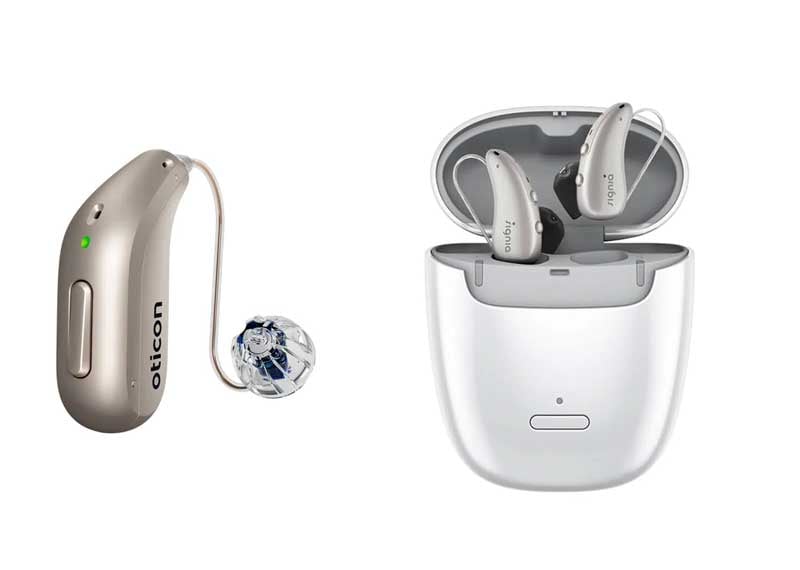
Assistive technology can be transformative for children with APD, particularly remote microphone systems (also called FM or DM systems). These devices consist of a small microphone worn by the teacher that wirelessly transmits their voice directly to the child’s ears via discrete receivers or hearing aids. This dramatically improves the signal-to-noise ratio by delivering the teacher’s voice 10-15 dB louder than background noise, regardless of room acoustics or the child’s distance from the teacher.
Modern remote microphone systems are discreet, reliable, and effective. Research consistently demonstrates significant improvement in speech understanding, academic performance, and listening effort when these devices are used in classroom settings. On the Northern Beaches, audiologists can assess candidacy for these systems and provide training for both children and educators on their use.
Academic accommodations may include:
– Extended time for processing verbal information during tests
– Preferential seating during assemblies or group activities
– Access to notes or lesson outlines before class
– Opportunity to audio-record lessons for review
– Alternative assessment methods when appropriate (written rather than oral tests)
– A “listening buddy” to help verify instructions
– Scheduled breaks during extended listening activities to reduce fatigue
– Pre-teaching of new vocabulary or concepts to reduce processing load
An Individual Education Plan (IEP) or equivalent documentation should outline these accommodations formally, ensuring consistency across teachers and years.
Therapeutic Intervention and Technology
Beyond accommodations, specific auditory training programs may strengthen processing skills over time. While evidence is still evolving, some children benefit from computer-based auditory training that provides intensive, targeted practice with challenging listening tasks in a structured, progressive format.
Speech pathology intervention often complements APD management by building language skills, strengthening auditory memory, teaching phonological awareness, and developing metacognitive listening strategies—helping children recognise when they’ve misunderstood and advocating for clarification.
Verification of any amplification or assistive listening devices is essential. Real Ear Measurement (REM) is the gold standard for verifying that hearing aids or personal amplifiers are providing the intended benefit. While children with APD typically don’t require traditional hearing aids, if personal amplification is considered, proper verification ensures the device provides appropriate gain without over-amplification that could cause additional distortion.
Collaborating With GPs, Psychologists, and Other Professionals
Effective APD management requires a team approach. Your GP plays a central role in coordinating care, providing referrals to specialists, ruling out medical contributors (like persistent middle ear issues), and monitoring your child’s overall development.
If attention or behavioural concerns are present, consultation with a psychologist or paediatrician with expertise in neurodevelopmental conditions helps differentiate APD from or identify co-occurring ADHD, autism, anxiety, or learning disabilities. Psychological assessment can also identify cognitive strengths and weaknesses that inform educational planning.
Occupational therapists may address sensory processing concerns that often accompany APD, while speech pathologists work on language development, phonological processing, and compensatory strategies.
Maintaining open communication between all professionals ensures a cohesive support plan and prevents contradictory or redundant interventions. Sharing assessment reports and progress updates creates a complete picture of your child’s needs and progress.
Next Steps: Getting Support for Your Child
If you recognise signs of APD in your child, the first step is consulting an audiologist who specialises in paediatric auditory processing assessment. On the Northern Beaches, The Audiology Place offers comprehensive APD evaluations using evidence-based test batteries including the LiSN-S and other validated measures appropriate for Australian children.
The assessment process begins with a thorough case history and standard hearing evaluation to rule out peripheral hearing loss or middle ear dysfunction. From there, the diagnostic test battery is tailored to your child’s age, attention span, and specific concerns.
Following assessment, you’ll receive a detailed report explaining test results in plain English, along with specific, individualised recommendations for home, school, and any additional professional support needed. Where appropriate, the audiologist will facilitate connection with school learning support teams, provide documentation for accommodations, and offer training on any recommended assistive technology.
Regular follow-up ensures that strategies remain effective as your child matures and faces new academic demands. APD doesn’t necessarily “go away,” but with appropriate support, children develop compensatory strategies and often thrive academically and socially.
Building Understanding and Advocacy
Perhaps the most powerful tool for supporting a child with APD is understanding. When parents, teachers, and the children themselves understand that listening difficulties are real, neurologically based, and not a matter of laziness or defiance, frustration transforms into problem-solving.
Children with APD are often working much harder than their peers to access the same information. Recognising this effort, celebrating their strengths (many have excellent visual and hands-on learning abilities), and implementing thoughtful supports allows them to demonstrate their true capabilities.
If your child is struggling with listening, particularly in noise, following verbal instructions, or academic performance despite normal hearing and intelligence, trust your instincts. An APD assessment may provide the answers and pathway to support that transforms their educational experience.