If you’re experiencing crackling, popping, or rustling sounds in your ear, you’re not alone. At The Audiology Place, we see many patients across Sydney who are concerned about these unusual ear sounds. While ear crackling can be annoying – especially when you’re trying to sleep or concentrate at work – the good news is that it’s often temporary and treatable.
Whether you’ve noticed these sounds after a recent flight, during allergy season, or seemingly out of nowhere, understanding what’s happening in your ear is the first step toward finding relief. In this comprehensive guide, we’ll explain the common causes of ear crackling, when to worry, and how our advanced diagnostic tools can pinpoint exactly what’s causing it.
Understanding Ear Crackling: What You’re Actually Hearing
Before diving into causes, it’s helpful to understand what these sounds actually represent. Your ear is a complex system with multiple moving parts, and crackling sounds can originate from different areas within this system.
How Patients Describe Ear Crackling
In our clinical experience at The Audiology Place, patients describe their ear crackling in various ways:
- Rice Bubbles effect: Like the cereal crackling in milk, or the sound of crumpling cellophane
- Soft popping or clicking: Especially noticeable when swallowing, yawning, or chewing
- Bubbling sensation: Sometimes described as movement or fluid sounds within the ear
- Pressure changes: Often accompanied by a feeling of fullness or that “underwater” sensation
Many patients tell us they notice these sounds more acutely at night when background noise is minimal, or during altitude changes such as driving through the Blue Mountains or flying in and out of Sydney Airport.
The Five Most Common Causes of Ear Crackling
1. Eustachian Tube Dysfunction (ETD): The Leading Culprit
Your Eustachian tubes are remarkable little passages that connect your middle ear to the back of your nose and throat. Think of them as pressure release valves that keep your ears comfortable and functioning properly. When these tubes don’t open and close as they should – often due to congestion, allergies, or inflammation – you experience what we call Eustachian Tube Dysfunction.
What’s happening inside your ear:
- The tubes struggle to equalise pressure between your middle ear and the outside world
- Normal fluid drainage from the middle ear is impaired
- The resulting pressure imbalance creates those characteristic crackling and popping sounds
Common triggers in Australia:
- Seasonal allergies (particularly during Sydney’s high pollen days)
- Sinus infections or head colds
- Rapid weather pressure changes
- Swimming in pools or at the beach
At The Audiology Place, we use advanced tympanometry testing to measure exactly how your Eustachian tubes are functioning. This painless test takes just minutes and provides immediate insights into whether ETD is behind your symptoms.
2. Earwax Build-Up: A Simple but Often Overlooked Cause
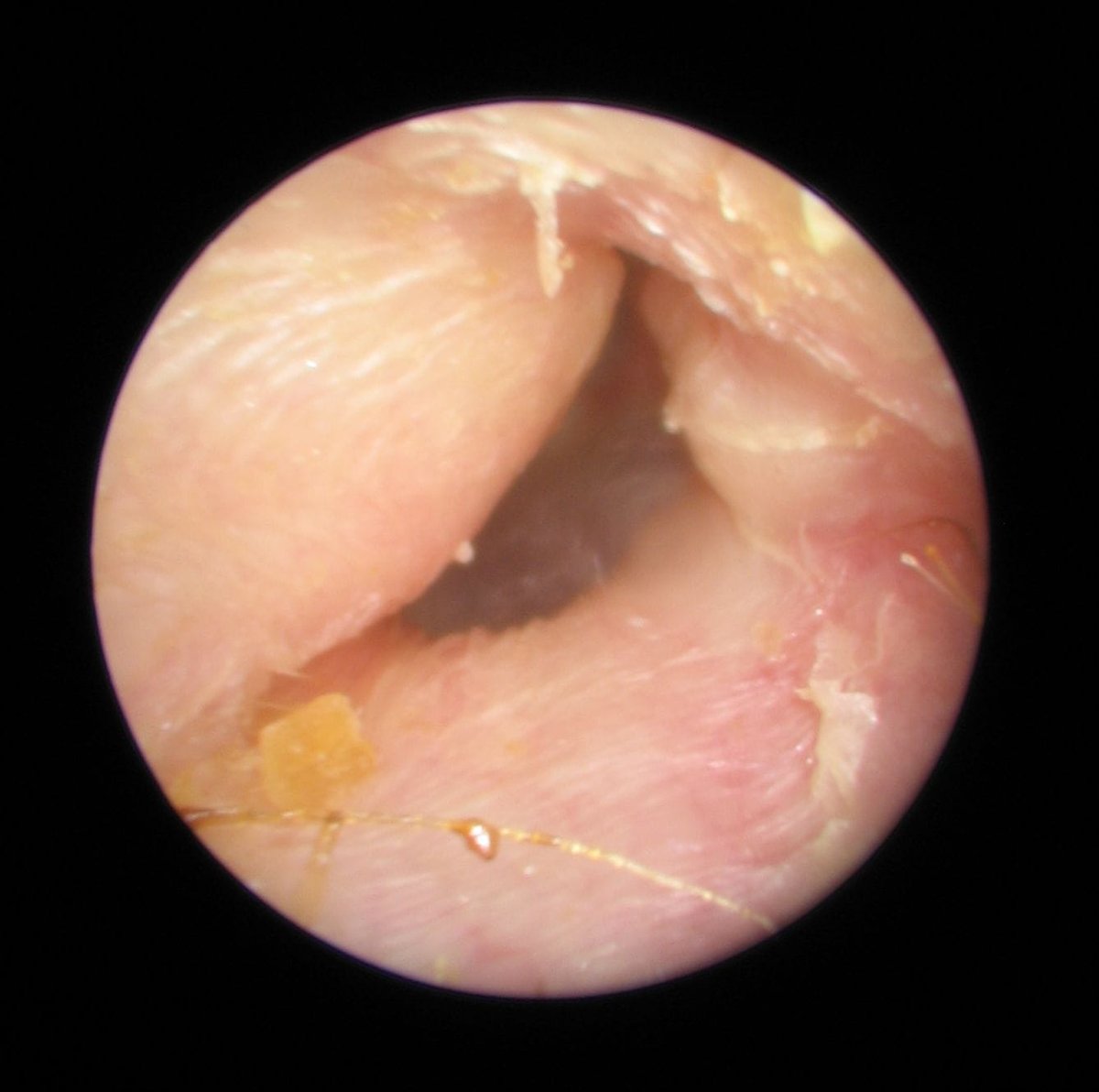
Earwax (cerumen) is your ear’s natural defence system, protecting the delicate ear canal from dust, debris, and infection. However, when wax accumulates excessively or becomes impacted against the eardrum, it can create surprising acoustic effects.
Why does earwax cause crackling?
- Hardened wax can rub against the eardrum when you move your jaw
- Partial blockages create echo chambers that amplify internal sounds
- Trapped air bubbles in the wax can pop and shift
Important safety note: We cannot stress this enough – please avoid using cotton buds or other objects to remove earwax yourself. This typically pushes wax deeper into the canal and can damage your eardrum. Our clinic offers safe, professional earwax removal using microsuction technology, which is the gold standard for wax removal in Australia.
3. Middle Ear Fluid: When Your Ear’s Drainage System Backs Up
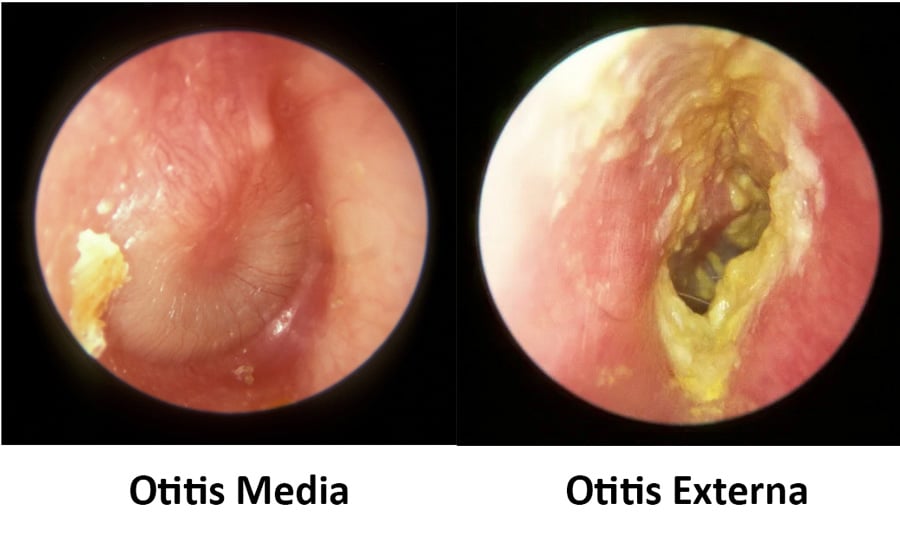
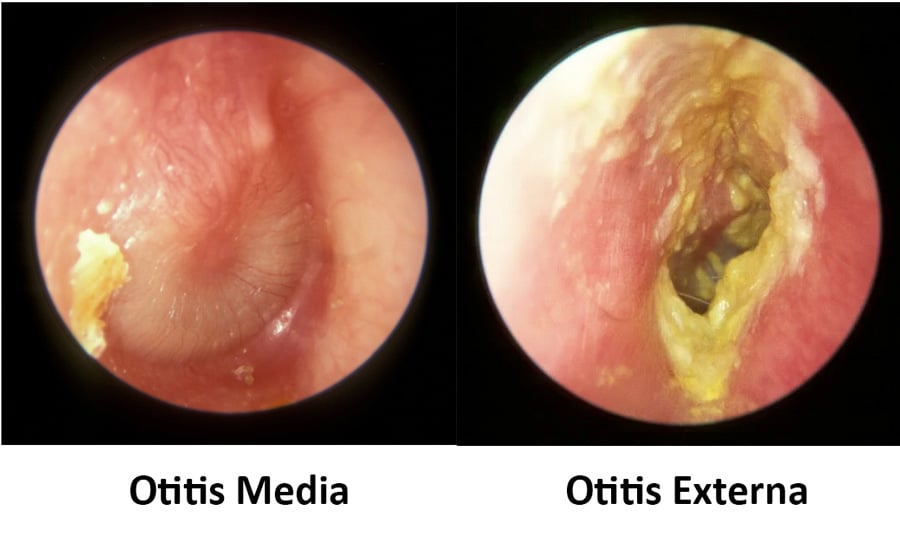
Fluid accumulation behind the eardrum (otitis media with effusion) is particularly common after upper respiratory infections or during allergy season. Unlike an ear infection, this condition typically isn’t painful, but it can significantly affect your hearing and comfort.
The mechanism behind fluid-related crackling: When fluid collects in the middle ear space, it creates an environment where:
- Air bubbles move through the fluid, creating crackling sounds
- The eardrum’s normal vibration is dampened, causing a muffled sensation
- Pressure changes become more noticeable and uncomfortable
Dr. Signe Steers and our team use otoscopy and acoustic reflex testing to visualise and assess any fluid presence. These diagnostic tools help us distinguish fluid accumulation from other conditions that may present similarly.
4. TMJ Disorders: When Your Jaw Affects Your Ear
The temporomandibular joint (TMJ) – your jaw’s hinge – sits remarkably close to your ear canal. In fact, they share some of the same nerve pathways, which is why jaw problems can masquerade as ear issues.
Distinguishing TMJ-related crackling:
- The sound often correlates with jaw movement
- You may experience jaw pain, stiffness, or locking
- Symptoms might worsen with stress (from teeth grinding)
- Morning symptoms are common after nighttime bruxism
Our comprehensive assessment includes screening for TMJ involvement, and we maintain strong referral relationships with dental specialists and physiotherapists across Sydney for cases requiring multidisciplinary care.
5. Pressure and Altitude Changes: Your Ears Under Stress
Living in Sydney, many of us regularly experience pressure changes – whether flying for business or leisure, diving at Clovelly or Shelly Beach, or driving through varying elevations. These pressure variations challenge your ear’s equalisation mechanisms.
What’s happening during pressure changes:
- Your Eustachian tubes work overtime trying to balance pressure
- The eardrum flexes inward or outward, creating popping sensations
- If tubes are already compromised (by allergies or congestion), symptoms intensify
While occasional pressure-related crackling is normal, persistent symptoms after pressure exposure warrant investigation, as they might indicate underlying Eustachian tube dysfunction.
Red Flags: When Ear Crackling Requires Immediate Attention
While we’ve emphasised that ear crackling is often benign, certain accompanying symptoms demand prompt professional assessment:
Seek immediate care if you experience:
- Sudden hearing loss (especially in one ear)
- Severe or persistent ear pain
- Vertigo or significant dizziness
- Discharge from the ear (clear, cloudy, or bloody)
- Fever accompanying ear symptoms
- Persistent tinnitus (ringing, buzzing, or hissing)
Schedule an assessment if you notice:
- Symptoms persisting longer than a week
- Progressive worsening despite home management
- Crackling affecting your work performance or sleep quality
- Unilateral symptoms (one ear only)
- Any impact on your daily activities or quality of life
Professional Assessment: What to Expect at The Audiology Place
When you visit our clinic for ear crackling concerns, you’re not just getting a basic ear check. Our comprehensive assessment protocol, refined through years of clinical experience, ensures we identify the exact cause of your symptoms.
Your Assessment Journey:
1. Detailed Clinical History We begin with a thorough discussion about your symptoms, including onset, triggers, associated factors, and impact on your daily life. This conversation often provides crucial diagnostic clues.
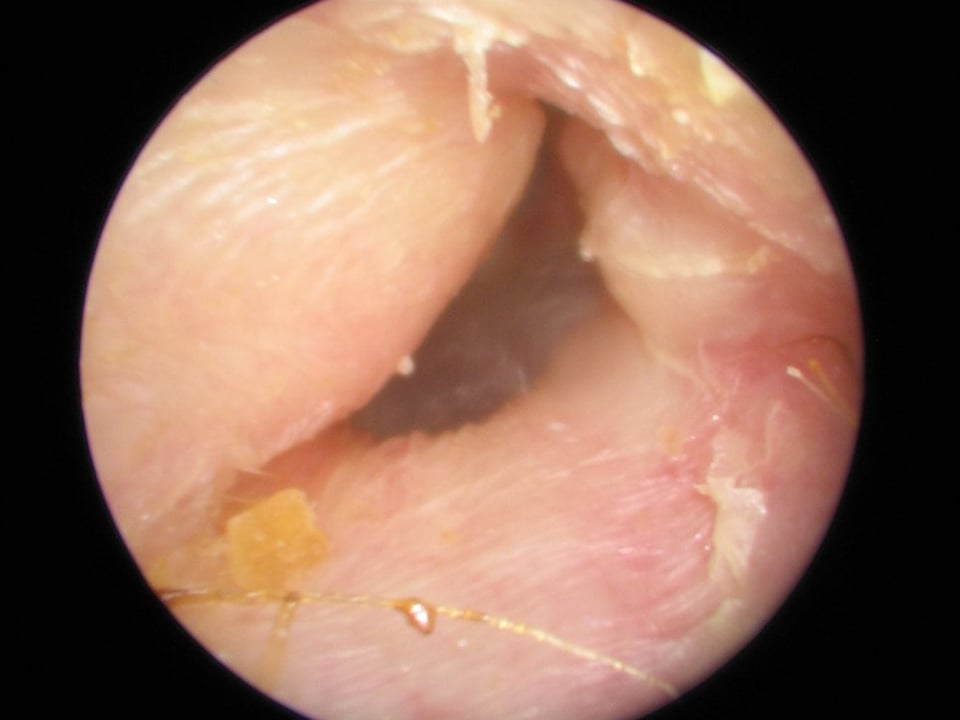
2. Otoscopic Examination Using high-resolution video otoscopy, we examine your ear canal and eardrum in detail. This technology allows us to show you exactly what we’re seeing on a screen – many patients find this educational and reassuring.
3. Tympanometry Testing This quick, painless test measures how your eardrum moves and assesses middle ear function. It’s particularly valuable for detecting fluid, Eustachian tube dysfunction, or eardrum perforations.
4. Comprehensive Hearing Assessment Our audiometry testing determines whether the crackling has affected your hearing and helps localise the problem to the outer, middle, or inner ear.
5. Additional Specialised Testing (if indicated) Depending on initial findings, we might recommend:
- Acoustic reflex testing
- Otoacoustic emissions (OAEs) to assess inner ear function
- Extended high-frequency audiometry for subtle hearing changes
Evidence-Based Management Strategies
For Mild Symptoms: Conservative Home Management
If your assessment reveals no serious underlying issues, these evidence-based strategies can provide relief:
Eustachian Tube Exercises:
- Gentle yawning and swallowing exercises
- Chewing sugar-free gum to promote tube opening
- The modified Valsalva manoeuvre (only as directed by your audiologist)
Environmental Modifications:
- Using a humidifier during Sydney’s dry winter months
- Managing allergies proactively with your GP’s guidance
- Staying well-hydrated to thin mucous secretions
Lifestyle Adjustments:
- Avoiding sudden pressure changes when possible
- Using proper ear protection when swimming
- Managing stress if TMJ involvement is suspected
Professional Interventions at The Audiology Place
Microsuction Earwax Removal: Our gentle, precise microsuction technique safely removes earwax under direct visualisation, providing immediate relief for wax-related symptoms.
Eustachian Tube Dysfunction Management: We provide tailored exercise programs and, when necessary, coordinate with ENT specialists for medical management.
Ongoing Monitoring: For chronic conditions, we establish monitoring schedules to track changes and adjust management strategies.
Prevention: Protecting Your Ear Health Long-Term
At The Audiology Place, we believe in empowering our patients with knowledge to prevent future ear problems:
- Regular hearing health checks (especially if you work in noisy environments)
- Proper ear protection in loud settings or when swimming
- Avoiding cotton buds and other ear-cleaning implements
- Managing allergies and sinus issues proactively
- Maintaining good general health to support immune function
When Professional Care Makes the Difference
Ear crackling might seem like a minor annoyance, but it can significantly impact your quality of life. Whether it’s affecting your sleep, concentration at work, or enjoyment of social situations, you don’t have to simply “live with it.”
Our team at The Audiology Place combines advanced diagnostic technology with years of clinical expertise to provide accurate diagnoses and effective treatment plans. We’re particularly experienced in managing complex cases where multiple factors contribute to symptoms.
Take Action Today
If you’re experiencing persistent ear crackling or any concerning ear symptoms, don’t wait for them to resolve on their own. Early assessment often leads to simpler solutions and prevents progression to more complex conditions.
Book your comprehensive ear health assessment at The Audiology Place today:
- Call us: Ring our friendly team to discuss your symptoms and book an appointment
- Online booking: Visit our website for convenient 24/7 appointment scheduling
- Location: We’re conveniently located in Sydney’s Inner West, with easy parking and public transport access
Remember, your ears are intricate instruments that deserve professional care. Whether your crackling is due to something as simple as earwax or requires more complex management, we’re here to help you find relief and protect your hearing health for years to come.