

An in-depth look at cerumen: composition, function, types, myths, and why you should probably stop using cotton buds.
Ear wax – scientifically known as cerumen – often gets a bad rap. It’s sticky, it’s a little gross, and people tend to think it’s a sign of poor hygiene. But ear wax is actually one of the body’s most underappreciated protectors. Produced naturally by glands in your ear canal, ear wax is essential to maintaining healthy ears and optimal hearing. In this article, we’ll explore the composition of ear wax, why we make it, how it can become a problem, and the safest ways to manage it. If you’ve ever wondered why your ears produce wax, why some wax smells, or why cotton buds are not the answer – read on.
What Is Ear Wax Made Of?
Ear wax is a mixture of secretions from sebaceous (oil) and ceruminous (sweat) glands located in the skin of the outer ear canal, combined with dead skin cells, hair, and environmental debris. Chemically, it includes:
- Long-chain fatty acids
- Cholesterol
- Squalene
- Alcohols
- Keratin
- Lysozymes (enzymes that help fight infection)
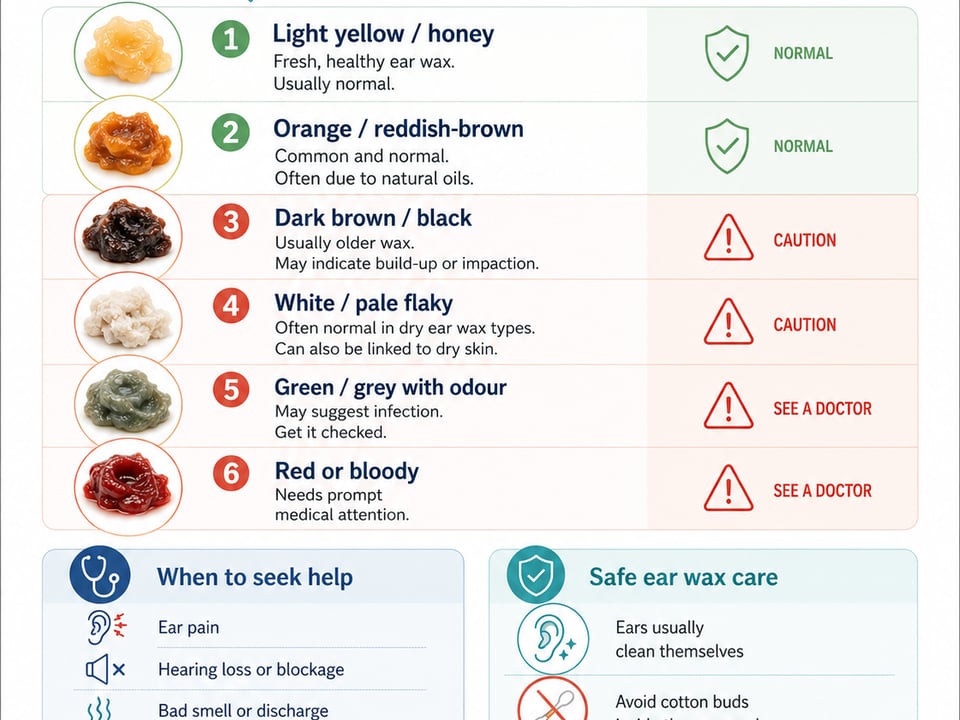
It can be soft or hard, wet or dry, yellow or dark brown. The consistency and colour can change based on your age, ethnicity, diet, and even stress levels.
Why Do We Make Ear Wax?
Despite its reputation, ear wax is your ear’s first line of defence. It:
- Protects the skin of the ear canal
- Repels water to prevent bacterial and fungal growth
- Traps dirt, dust, and foreign particles
- Inhibits bacterial infections with antimicrobial properties
In essence, ear wax is the body’s natural ear cleaner. As jaw movements (talking, chewing) occur, old wax is slowly pushed out of the ear canal, taking trapped debris with it.
The Evolutionary Role of Ear Wax
From an evolutionary standpoint, ear wax likely developed as a multi-functional protector. Ancient humans living in dusty or insect-heavy environments needed a barrier against external threats. The slightly acidic pH and antimicrobial properties of cerumen helped prevent ear infections – vital for survival before modern medicine.
Fun fact: ear wax types have even been linked to genetics. East Asians tend to have dry, flaky ear wax, while those of African or European descent more often have moist, sticky wax. This genetic difference may have evolved as a climate adaptation.
Why Does Wax Get Stuck?
Sometimes, ear wax doesn’t exit the ear canal as it should. This can happen due to:
Overproduction of wax
- Narrow or hairy ear canals
- Use of hearing aids, earplugs, or earbuds
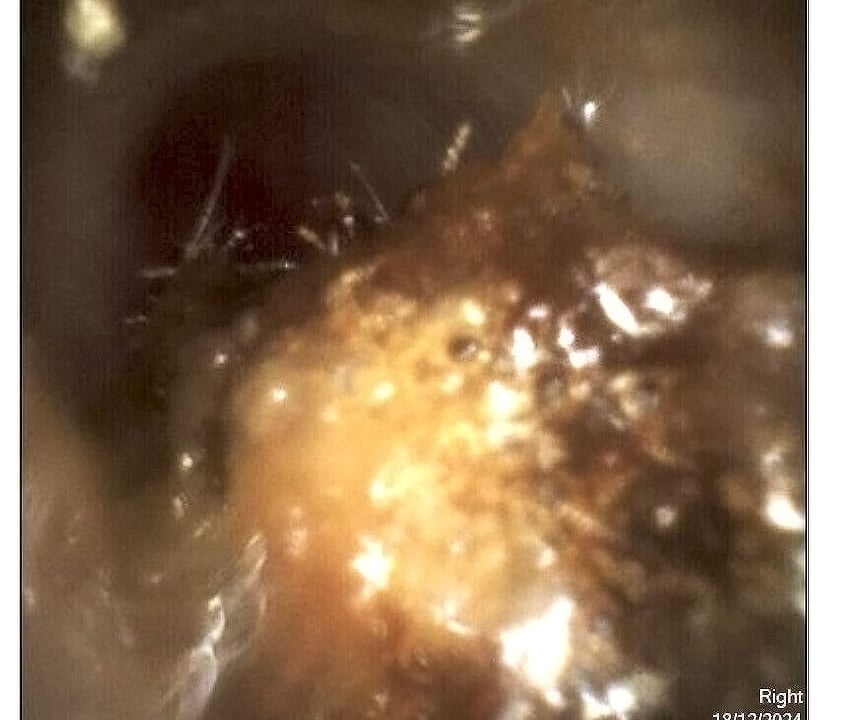
- Pushing wax deeper with cotton buds or fingers
When wax becomes impacted, it can cause symptoms such as:
- Temporary hearing loss
- A blocked or “full” sensation in the ear
- Ringing (tinnitus)
- Earache
- Dizziness or cough (due to shared nerve pathways)
Types of Ear Wax
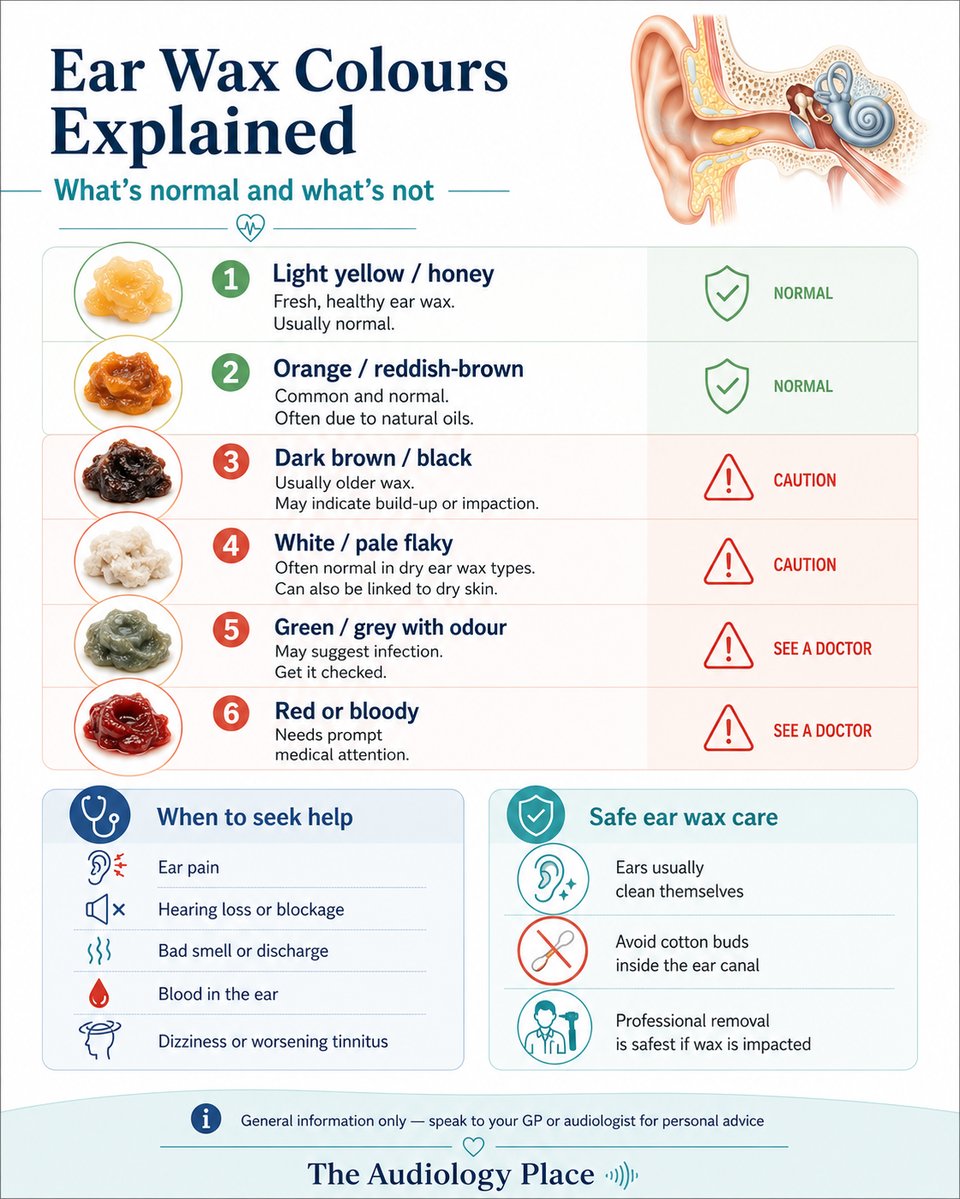
Ear wax comes in various forms:
- Wet ear wax – sticky and golden to brown, more common in humid climates.
- Dry ear wax – greyish and flaky, common in dry climates and among East Asian populations.
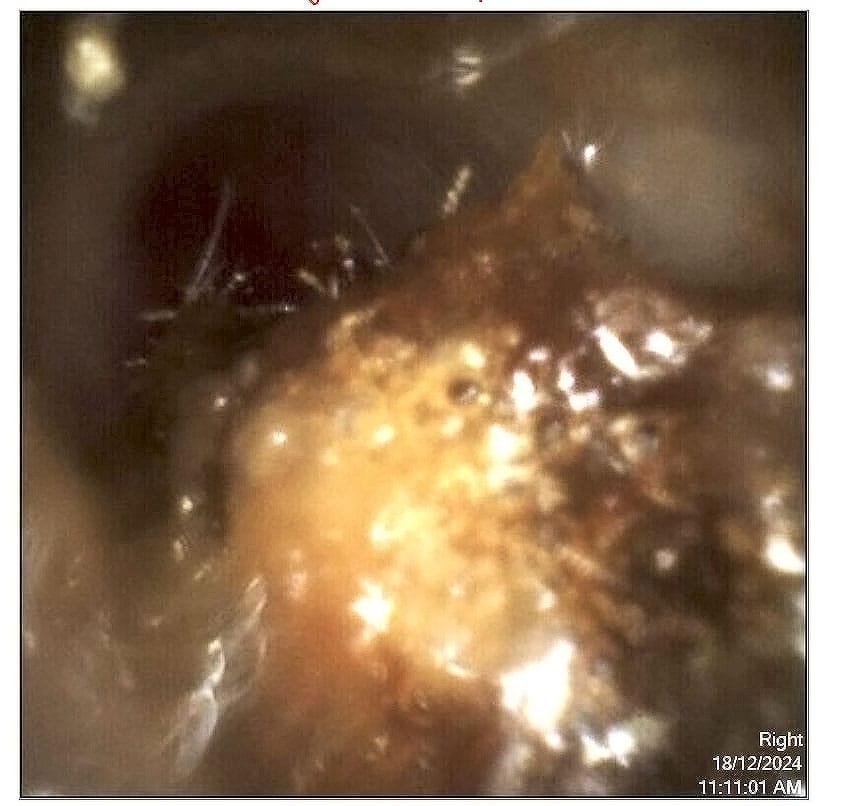
- Dark or black wax – often older, oxidised wax; can indicate buildup.
- Green or smelly wax – could indicate infection.
If your wax has a strong or foul smell, it may be breaking down bacteria or fungal material—or it could signal an ear infection and should be checked by a professional.
Why You Should Avoid Cotton Buds
One of the most common causes of impacted ear wax is the improper use of cotton buds (Q-tips). While it may feel satisfying to “clean” your ears this way, cotton buds often do more harm than good by:
- Pushing wax deeper into the canal
- Causing abrasions or ruptures
- Introducing bacteria
The ears are self-cleaning. In most cases, gentle cleaning of the outer ear with a damp cloth is all that’s needed. Leave the inner ear to nature—or a trained audiologist if necessary.
Hearing Aids and Wax Build-Up
Hearing aids and in-ear devices can disrupt the natural movement of ear wax out of the canal. The constant presence of these devices:
- Blocks wax from exiting
- Stimulates glands to produce more wax
- Increases risk of blockages or infections
If you wear hearing aids, regular ear checks with an independent audiologist like those at The Audiology Place are important to prevent build-up and ensure optimal device performance.
Managing and Removing Ear Wax Safely
If you suspect a wax blockage, avoid home remedies like ear candling (which is ineffective and dangerous). Instead:
- Use wax-softening drops (like olive oil, hydrogen peroxide, or saline) as directed
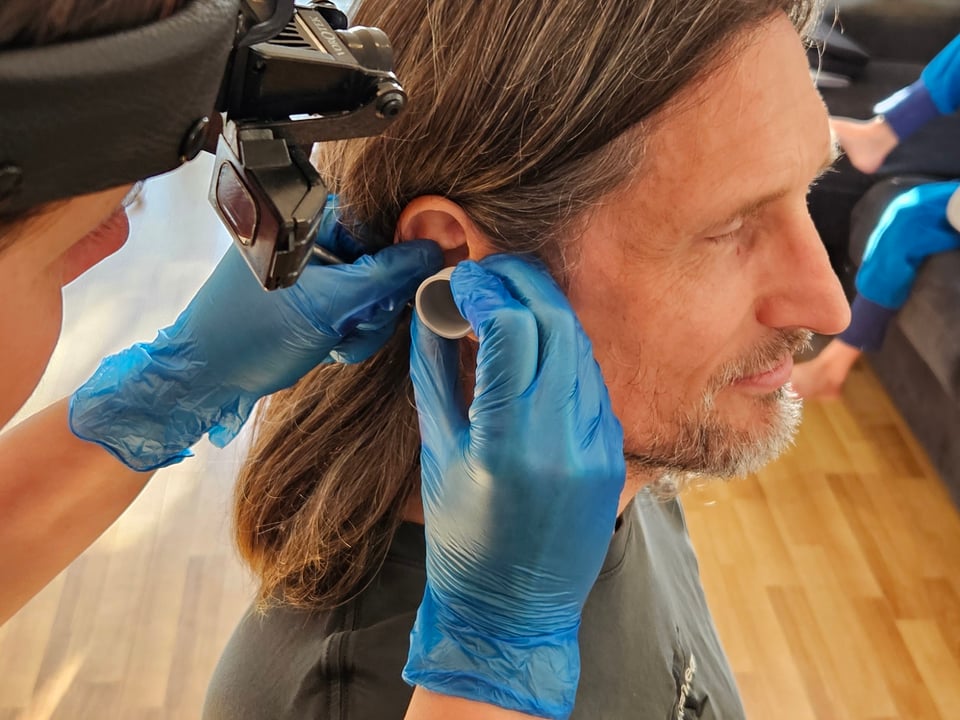
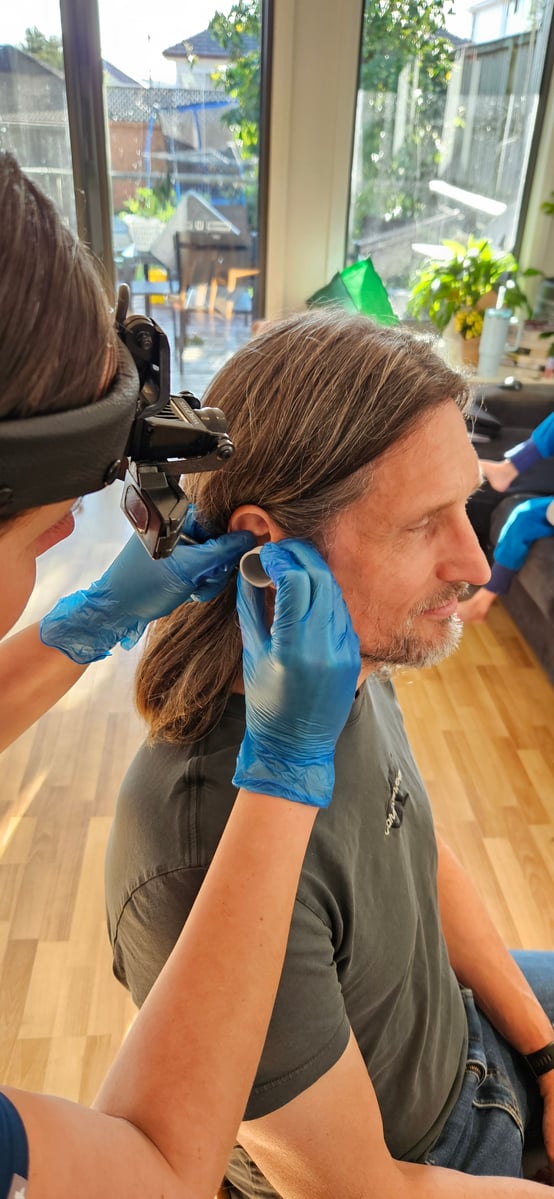
- Visit an audiologist for micro-suction or manual removal
In some cases, irrigation by a GP or specialist may be recommended
Do not attempt removal if you have:
- A perforated eardrum
- Ear tubes (grommets)
- A history of chronic ear infections
Final Thoughts: When to Seek Help
Ear wax plays a crucial role in your hearing health. But if you’re experiencing symptoms like hearing loss, discomfort, or a feeling of fullness, it might be time to have your ears professionally examined.
At The Audiology Place, we specialise in safe, evidence-based ear wax removal, especially for those using hearing aids, and those prone to build-up. Whether you’re a child, adult, or older adult, keeping your ears healthy begins with understanding and respecting the humble role of ear wax.