

Most tinnitus can’t be cured, but it can be managed effectively enough that it stops dominating your life.** The treatments that work best are hearing aids when hearing loss is present, sound therapy to reduce contrast, and cognitive behavioural therapy to change how your brain responds to the sound. Everything else sits somewhere on a spectrum from “modest evidence” to “expensive placebo.”
After two decades fitting hearing aids and running tinnitus assessments, I’ve seen patients spend thousands on supplements, acupuncture, and gadgets advertised on Facebook before they address the one thing that might actually help: the 40dB notch at 4000Hz they didn’t know they had. Let’s talk about what the evidence actually supports, what shows promise, and what you can safely ignore.
Why Most Tinnitus Treatment Starts With a Hearing Test
The single most effective intervention for tinnitus isn’t a tinnitus treatment at all—it’s treating the hearing loss that’s often driving it. A 2020 Cochrane review found that hearing aids reduce tinnitus severity in people with both tinnitus and hearing loss, and the effect isn’t small. When your brain stops straining to hear everyday sound, the phantom noise often becomes less intrusive.
We run a standard diagnostic battery for every tinnitus patient: pure tone audiometry across 250Hz to 8000Hz (sometimes extending to 12500Hz for high-frequency tinnitus), tympanometry to rule out middle ear pathology, and speech-in-noise testing because someone can have a “normal” audiogram and still struggle in background noise. That struggle creates cognitive load, and cognitive load makes tinnitus worse.
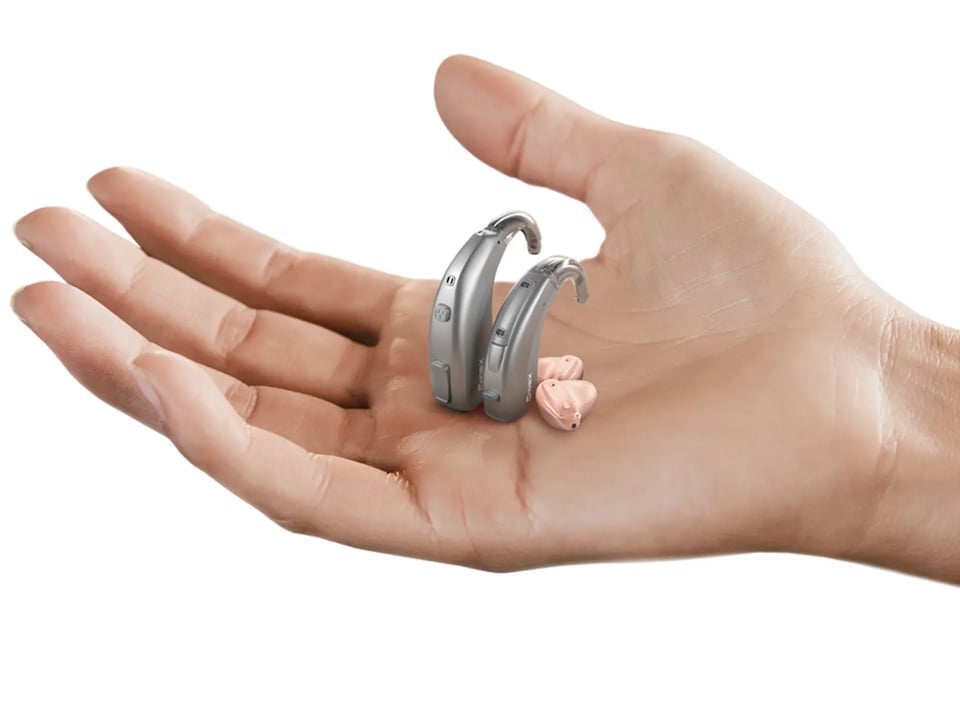
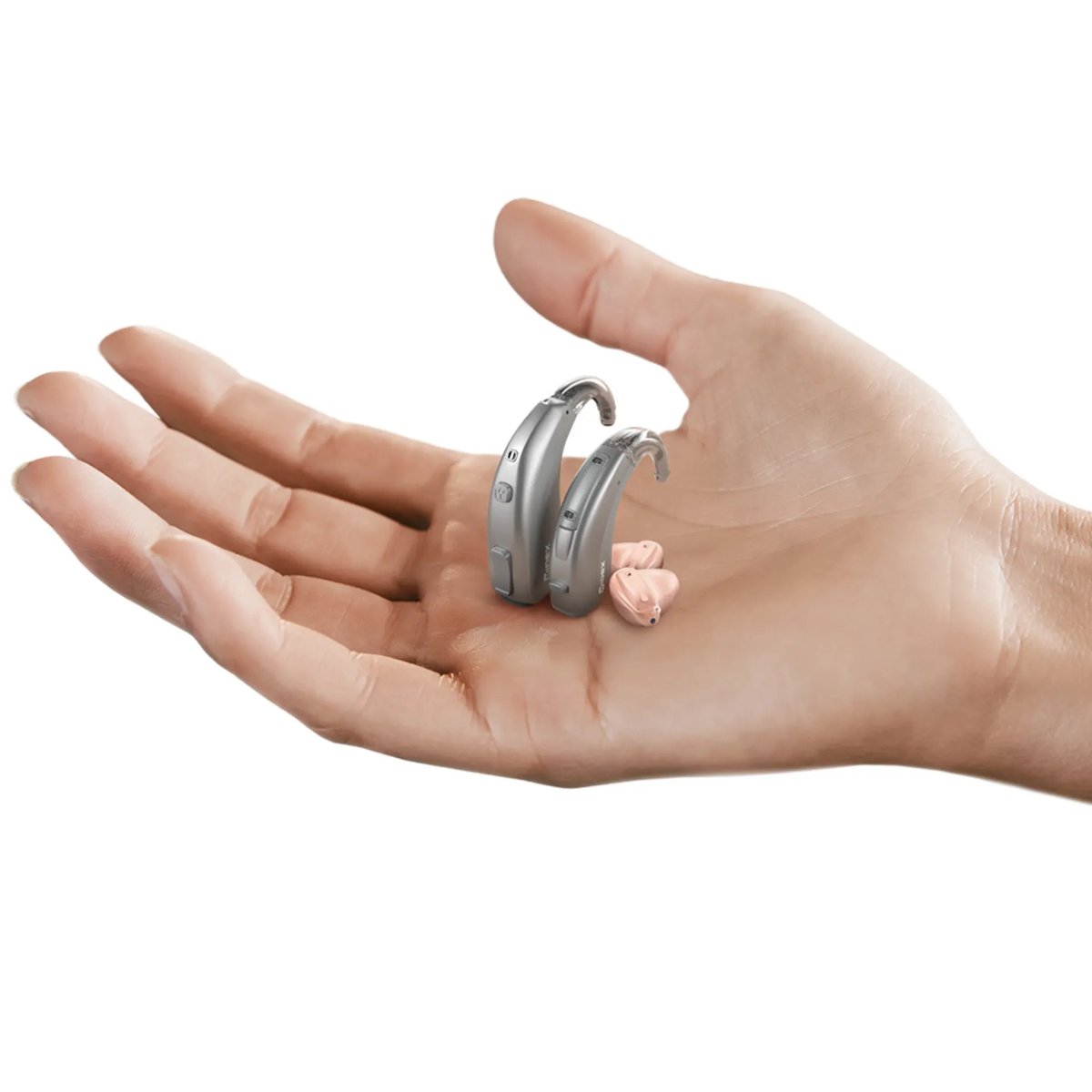
If there’s measurable hearing loss—even mild loss starting at 25-30dB in the high frequencies—hearing aids are the first-line treatment. Not maskers. Not apps. Amplification. You’re giving the auditory cortex real input again, which reduces the contrast between tinnitus and environmental sound. Most patients report improvement within the first month of consistent wear.
The catch: hearing aids only help tinnitus if you actually have hearing loss. If your audiogram is flat at 10dB across all frequencies, we’re looking at other options.
Sound Therapy That Isn’t Just “Download an App”
Sound therapy works on a simple principle: tinnitus is more noticeable in quiet, so reducing quiet reduces noticeability. But there’s a right way and a wrong way to do this.
Environmental sound enrichment means keeping low-level background sound in your environment—a fan, open window, radio set to talk rather than music. The goal isn’t to mask the tinnitus completely; it’s to reduce the contrast. Masking sounds paradoxically make some people focus more on their tinnitus because they’re constantly comparing the two. Partial masking or mixing the sound just below the tinnitus level tends to work better.
Bedside sound generators are useful for sleep specifically, and there’s reasonable evidence for them. White noise, pink noise, or nature sounds at a volume just audible—not loud enough to annoy a partner. Some patients do well with pillow speakers. Medicare doesn’t cover these, but you’re looking at $60 to $300 depending on the device, which is substantially less than most of the nonsense being sold online.
In-ear sound generators are different—these are worn during the day, often in combination with hearing aids if there’s hearing loss. They’re part of structured programs like Tinnitus Retraining Therapy, not something you just switch on and hope for improvement.
Tinnitus Retraining Therapy: Oversold But Not Useless
Tinnitus Retraining Therapy (TRT) has been around since the 1990s and continues to have a devoted following, though the evidence is mixed. It combines sound therapy with directive counselling based on the neurophysiological model of tinnitus—essentially, you’re training your brain to reclassify the tinnitus as an unimportant signal, the same way you tune out traffic noise or the hum of a fridge.
The Cochrane review on TRT found insufficient high-quality evidence to support it over other interventions, but that doesn’t mean it doesn’t help some people. In practice, I’ve seen it work for patients who are highly anxious about their tinnitus and need structured reassurance that the sound isn’t dangerous. The counselling component matters more than the sound generators for these patients.
Full TRT protocols run 12 to 18 months with regular appointments. It’s time-intensive and requires motivated patients. If someone just wants a quick fix, TRT will frustrate them. If they’re prepared to commit, it’s worth trying, particularly if CBT isn’t accessible.
Cognitive Behavioural Therapy: The Strongest Evidence Base
If I could only recommend one intervention for tinnitus without hearing loss, it would be CBT. A 2020 Cochrane review—the gold standard for evidence—found that CBT has a significant positive effect on quality of life for tinnitus patients. It doesn’t make the sound quieter, but it reduces distress, improves sleep, and helps break the anxiety-tinnitus feedback loop.
CBT for tinnitus is specific. You’re not just talking about feelings. You’re identifying thought patterns (“this sound means something is wrong with my brain”), testing them against evidence, and developing behavioral strategies to reduce hypervigilance. There are now internet-based CBT programs with good evidence behind them, which matters if you’re regional or can’t access a psychologist experienced with tinnitus.
The challenge in Australia is access. Not every psychologist is trained in tinnitus-specific CBT, and Medicare rebates cover only a limited number of sessions under a Mental Health Care Plan. You’re looking at out-of-pocket costs unless you’re lucky with your provider. Still, the evidence is strong enough that it should be offered to every tinnitus patient who’s distressed.
What About Supplements, Acupuncture, and “Tinnitus Miracle Cures”?
I’ll keep this short: there is no consistent evidence that supplements reduce tinnitus. Not ginkgo biloba, not zinc, not magnesium, not B12 unless you have a documented deficiency. The Cochrane review on ginkgo for tinnitus found no benefit. The review on zinc found no benefit. If you’re deficient in something, treating that deficiency might help, but supplementing beyond normal levels does nothing.
Acupuncture has been studied repeatedly. The evidence shows no effect beyond placebo. Same with cranial sacral therapy, chiropractic neck adjustments (unless you have genuine cervical pathology contributing to somatic tinnitus), and most things advertised with the word “natural.”
I’m not saying placebo effects are worthless—if something makes you feel better and isn’t harmful or expensive, fine. But when patients are spending $150 a month on supplements instead of $80 on a white noise generator or seeing a CBT psychologist, that’s a problem.
Emerging Treatments: Lenire and Neuromodulation
Lenire is a bimodal neuromodulation device that combines sound with tongue stimulation. The theory is that pairing auditory input with somatosensory input helps retrain the brain’s response to tinnitus. The published studies show modest improvement in a subset of users, and it’s now available in Australia through specific providers.
The honest assessment: it’s promising, not proven. It costs around $3,000, it’s not covered by Medicare or most private health funds, and it doesn’t work for everyone. Some of my patients have tried it with good results; others saw no change. If you’ve exhausted first-line treatments and have the budget, it’s worth discussing. If you haven’t yet tried hearing aids or CBT, start there.
The Management Philosophy: Habituation, Not Cure
Here’s what I tell patients on day one: we’re not aiming to make the sound disappear. We’re aiming to make it irrelevant. Habituation is the goal—the point where your tinnitus is like the feeling of your shirt on your shoulders. Present, but not demanding attention.
This takes time. Most patients see meaningful improvement within three to six months of starting treatment, but that’s improvement in distress and noticeability, not volume. Some people do report their tinnitus getting quieter, particularly with hearing aids, but that’s not the metric we chase.
The treatments that work—hearing aids, sound therapy, CBT—require consistency. Wearing hearing aids two hours a day won’t help. Running a sound generator only when the tinnitus is “bad” won’t help. Doing two CBT sessions and stopping won’t help. This is chronic condition management, not an infection you treat with a one-week course of antibiotics.
What You Can Do Starting Tomorrow
Book a full diagnostic hearing assessment. Not a free screening at a hearing aid shop. A full assessment with pure tone audiometry, tympanometry, and speech testing. You need to know if hearing loss is part of the picture.
Address sleep and stress. Tinnitus gets worse when you’re exhausted and anxious, and poor sleep makes you both. This isn’t vague wellness advice—there’s a direct physiological link. Sleep hygiene, stress management, and reducing caffeine and alcohol all have measurable effects on tinnitus perception.
Stop googling “tinnitus cure.” You’ll find supplements, magnets, laser therapy, and desperation. None of it is supported by evidence, and the searching itself increases anxiety, which worsens tinnitus. If you need information, go to the British Tinnitus Association or Tinnitus Australia. Both have treatment guidelines based on actual research.
If you’re in Sydney and want a proper tinnitus assessment, we can usually schedule within a week or two. We’ll run the diagnostics, talk through what the evidence actually supports for your specific situation, and build a management plan that doesn’t involve miracle cures or false hope—just the interventions that have the best chance of making this manageable.
Because manageable is the realistic goal. And for most people, it’s enough.