
The past five years have reshaped how Australians access healthcare, and audiology is no exception. Remote hearing aid tuning has moved from experimental novelty to mainstream option, particularly for patients in regional areas or those with mobility constraints. Yet despite the convenience of virtual hearing aid appointments, questions remain: what can truly be achieved from your lounge room, and when is a face-to-face visit non-negotiable?
What Can Be Done Remotely?
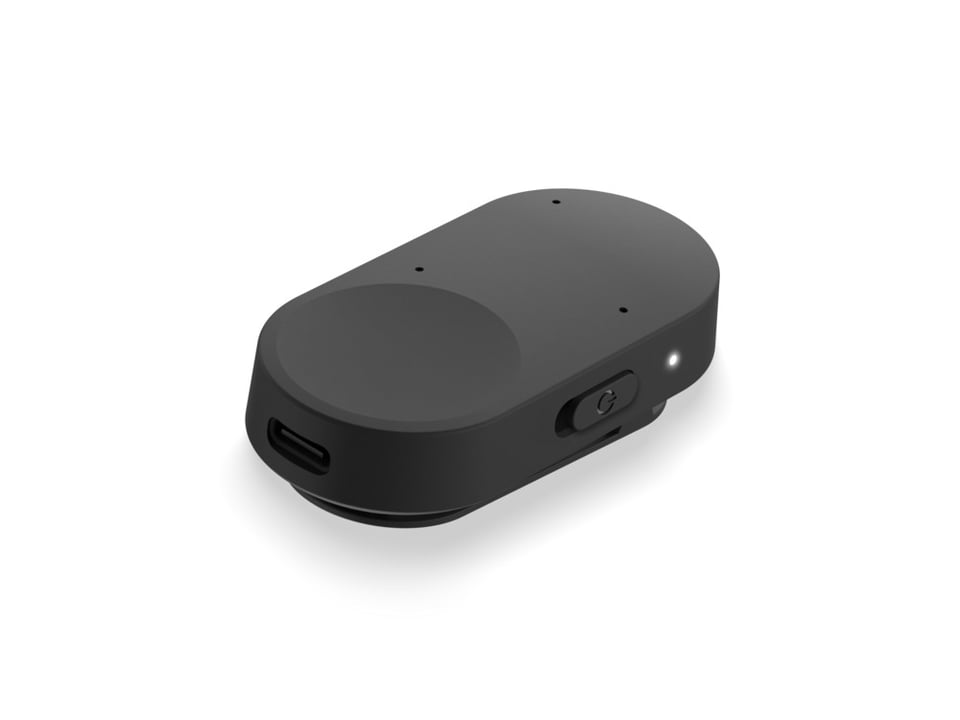
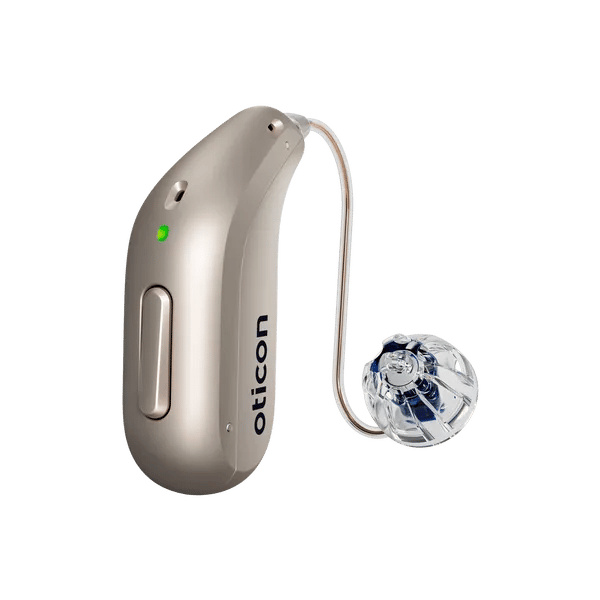
Remote hearing aid tuning typically relies on manufacturer-specific teleaudiology platforms that allow your audiologist to adjust device settings whilst you’re at home. You’ll need a compatible smartphone or tablet, a stable internet connection, and hearing aids with wireless streaming capability. Once connected via a secure app, your clinician can modify:
Gain and frequency response: fine-tuning amplification across the speech spectrum based on your feedback about clarity or comfort in specific environments.
Compression ratios and time constants: adjusting how quickly the aid responds to changes in loudness, which can improve comfort in fluctuating noise.
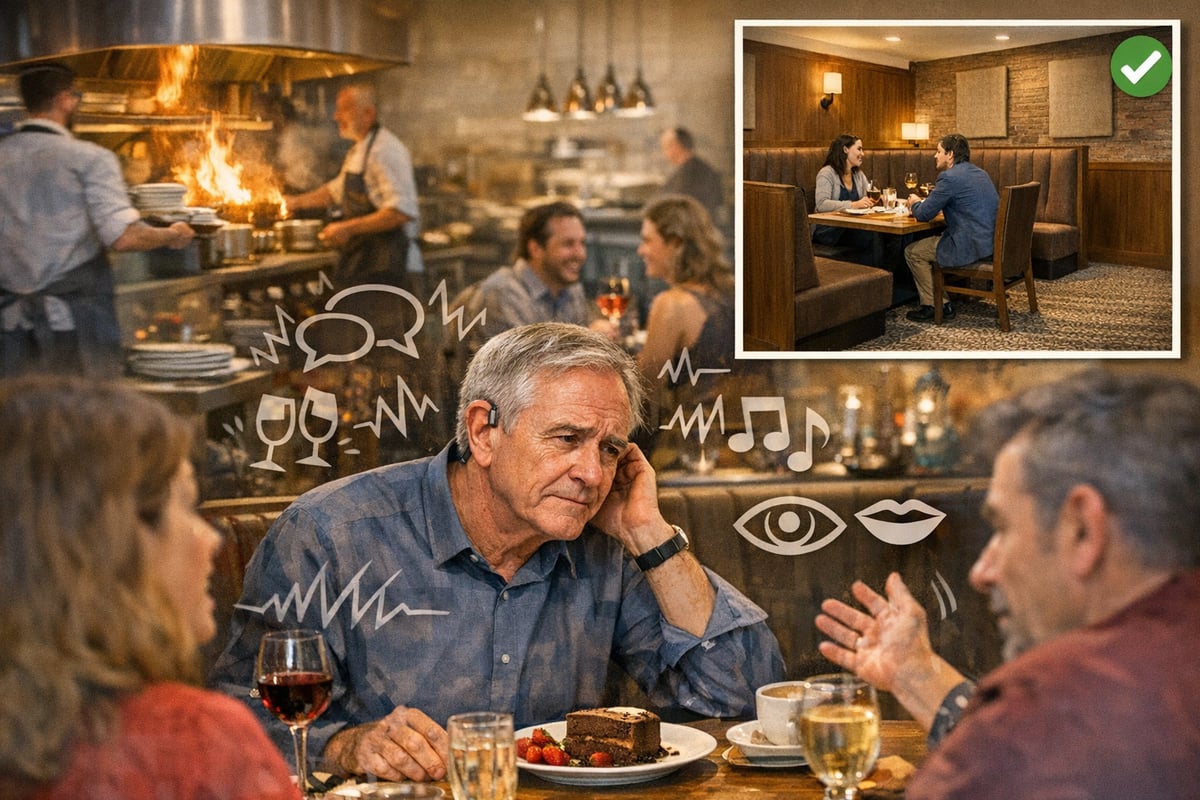
Noise-reduction and directionality settings: tweaking microphone patterns and background-noise algorithms to suit your most challenging listening situations, whether that’s a café, boardroom or family dinner.
Program customisation: renaming programs, adjusting streaming volumes, or creating environment-specific profiles for television, music or telephone use.
Accessory pairing and troubleshooting: resolving connectivity issues with remote microphones, TV streamers or smartphone apps.
What makes these adjustments effective is real-time, two-way communication. Your audiologist can ask you to trial a change, observe your reaction, and iterate immediately: much as they would in the clinic chair. For patients who have already undergone comprehensive diagnostic assessment and Real Ear Measurement (REM) verification, remote fine-tuning offers a remarkably efficient way to address evolving preferences or new listening challenges without the time and travel burden of an in-person appointment.
The Limitations: Where Teleaudiology Falls Short
Despite its strengths, remote hearing aid tuning cannot replace foundational diagnostic work. Audiologists rely on a suite of objective measures that simply cannot be conducted through a screen.
Real Ear Measurement (REM) remains the gold standard for verifying that amplification matches your prescription and compensates accurately for your unique ear canal acoustics. REM requires a probe microphone placed millimetres from your eardrum whilst the hearing aid is in situ: a procedure that demands physical presence. Without REM, even the most sophisticated remote adjustments are educated guesses rather than verified outcomes. Studies have found that fittings which aren’t checked with REM often fall short of the prescribed targets, which can mean soft speech is less audible than it should be.
Otoscopy and ear health checks are equally impossible to replicate remotely. Impacted wax, middle-ear fluid, perforations or dermatological conditions can all masquerade as hearing loss or amplification problems. A virtual hearing aid appointment cannot diagnose a blocked canal, nor can it clear one. Attempting remote adjustments when the underlying issue is medical rather than audiological wastes time and risks delaying necessary treatment.
Speech-in-noise testing and aided verification also require controlled acoustic environments and calibrated equipment. Whilst some apps offer rough estimates of speech perception, they cannot replicate the precision of standardised speech tests run in a sound booth with calibrated equipment. These assessments inform not only initial fitting but also whether further investigation, such as auditory processing evaluation or referral to an ear, nose and throat specialist, is warranted.
Finally, physical fit and comfort cannot be fully assessed remotely. Poorly fitted domes or moulds cause feedback, discomfort and acoustic leakage. An audiologist examining your ear can spot a dome that’s too small, a mould that’s too tight, or an insertion depth that’s compromising performance. These nuances are invisible over video.
When In-Clinic Care Is Essential
Certain clinical scenarios demand in-person assessment and cannot be safely or effectively managed via teleaudiology.
New fittings: Initial hearing aid fittings should always include comprehensive diagnostics: pure-tone and speech audiometry, tympanometry, otoscopy, and REM verification. These benchmarks ensure your devices are both safe and optimally programmed from day one.
Significant hearing changes: A sudden drop in hearing, new tinnitus, unilateral loss, or asymmetry between ears are red flags that require urgent face-to-face evaluation and possible onward referral.
Physical concerns: Ear pain, discharge, bleeding, persistent itching or any skin reaction around the ear warrants immediate otoscopic examination.
First-time users or complex cases: Patients new to amplification benefit immensely from hands-on training: learning insertion and removal, cleaning and maintenance, and realistic expectation-setting. Those with dexterity challenges, cognitive considerations or multiple comorbidities usually need the closer support that in-person care provides.
Feedback or physical fit issues: Whistling, discomfort or aids that won’t stay in place usually indicate a dome or mould problem that must be examined and rectified in the clinic.
REM verification or re-verification: Any time your hearing changes, or if your aids have never been REM-verified, an in-clinic appointment is essential to confirm audibility and appropriate output.
Privacy, Connectivity and Practical Considerations
Remote tuning relies on internet connectivity, proprietary software and cloud-based data storage. Before agreeing to a virtual hearing aid appointment, consider:
- Data security: Ensure your audiologist uses platforms compliant with Australian Privacy Principles and that session data is encrypted.
- Internet reliability: Dropouts mid-session can be frustrating and inefficient. A stable broadband or mobile data connection is essential.
- Technical literacy: Some platforms are intuitive; others less so. Confirm you’ll receive setup support beforehand.
- Hearing aid compatibility: Not all devices support remote tuning. Check with your audiologist whether your model is enabled.
Most importantly, remote care should never feel coercive or like a cost-cutting substitute for comprehensive service. It works best as an adjunct: a convenient follow-up tool within a relationship anchored by thorough in-person assessment.
How We Approach Remote Care
At The Audiology Place, we see remote adjustment as one part of care rather than a standalone solution. The foundation is always an in-person diagnostic assessment and a hearing aid fitting verified with real-ear measurement, along with otoscopy, tympanometry and speech testing. That gives us a verified baseline and means medical issues are picked up early.
Once your devices are well fitted and your hearing is stable, small program tweaks and troubleshooting are the kind of work that can suit a remote session, depending on your hearing aids and your comfort with the technology. Hearing re-assessment, re-verification, ear health checks and physical maintenance still need regular face-to-face visits. If anything in a remote session suggests a hands-on check is needed, we’ll book you in. As an independent clinic that fits all major brands, our recommendations are driven by your clinical needs rather than any one manufacturer. For more on timing, see how often hearing aids should be adjusted.
Practical Steps: Making the Most of Teleaudiology
If you’re considering a virtual hearing aid appointment, these steps will maximise effectiveness and safety:
- Confirm your hearing aids are compatible with the platform your audiologist uses.
- Ensure you’ve had recent, comprehensive in-clinic testing, including REM, within the past 12 months.
- Prepare your environment: choose a quiet room, charge your devices, and have your smartphone or tablet ready.
- Write down specific concerns before the session: environmental challenges, program preferences, or intermittent issues.
- Ask questions: clarify what will be adjusted, why, and what the expected outcome is.
- Schedule a follow-up: whether virtual or in-person, ensure there’s a plan to review changes and confirm benefit.
If at any point you experience sudden hearing loss, pain, discharge or dizziness, bypass remote care and seek urgent in-person assessment.
The Bottom Line
Remote hearing aid tuning offers genuine convenience and efficiency, particularly for follow-up fine-tuning and program adjustments. However, it cannot, and should not, replace the foundational diagnostics, verification and hands-on care that underpin safe, effective hearing rehabilitation.
Good audiology practice recognises that virtual hearing aid appointments and in-clinic assessments are complementary, not competing. When blended thoughtfully, they deliver a model that respects your time, your autonomy and your right to evidence-based, transparent care.