

Restaurants rank among the most challenging listening environments for hearing aids. Background noise, competing conversations, clinking cutlery, and hard floors, bouncing sound in every direction. By the time dessert arrives, you’re exhausted. Maybe you’ve been nodding along for the past hour, catching fragments of conversation but missing most of what matters.
You’re not imagining it. Even people with normal hearing struggle in noisy restaurants. The difference is that modern hearing technology, combined with smart positioning and some deliberate practice, can close the gap more than you might expect.
This article covers what actually works: the technology, the strategies, and how to measure whether things are getting better.
Scout your venues. Some restaurants care about acoustics. Others don’t. Before booking somewhere new, check Google reviews for mentions of noise levels, or call ahead and ask whether they have booth seating, carpeted areas, or acoustic panels. Open kitchens look impressive but pour noise directly into the dining room. Closed kitchens keep that chaos contained. Soft furnishings absorb sound while hard surfaces bounce it around like a pinball. Booths with high backs create natural sound barriers between you and neighbouring tables. Once seated, position yourself so you can see everyone you’re dining with. You rely on visual cues more than you realise: lip movements, facial expressions, hand gestures. If someone’s face is in shadow or you’re craning sideways to see them, you’ve already lost ground before the conversation starts.
Understanding the Technology That Helps
Directional Microphones: Your First Line of Defence
Directional microphones prioritise sounds in front of you while turning down noise from behind and to the sides. Research shows they can improve the signal-to-noise ratio by 3-6 dB. That sounds modest until you realise it can mean the difference between catching your friend’s story and missing every second sentence.
Most current hearing aids automatically switch between omnidirectional and directional modes. In quiet rooms, they pick up sound from everywhere, giving you natural spatial awareness. When the environment gets noisy, they narrow their focus. Premium devices let you choose between narrow, medium, and wide patterns depending on whether you’re talking to one person directly opposite or following a conversation around a whole table.
There’s a catch. Directional microphones work best when the person you want to hear is in front of you and the noise comes from elsewhere. When a loud table sits directly behind your conversation partner, the technology has less to work with.
Beamforming: A Spotlight for Sound
Beamforming takes directional processing and makes it sharper. Using multiple microphones and sophisticated algorithms, it creates a narrow “beam” of sensitivity pointed at whoever you’re focused on, actively suppressing everything outside that beam.
If directional microphones work like a floodlight, beamforming works like a spotlight. Premium systems adapt as you turn your head, maintaining focus on whoever you’re facing. Some share information between your left and right hearing aids to create even more precise patterns.
Clinical studies show beamforming can add another 2-4 dB of improvement beyond standard directional microphones, though results vary considerably from person to person and restaurant to restaurant.
Real-Ear Measurement (REM) during your fitting verifies that the directional response delivers what it promises for your specific ears and hearing-aid fit. Without this verification, you’re guessing.
Other Features That Support Speech Understanding
Noise reduction algorithms analyse the acoustic environment and reduce amplification in frequency regions dominated by steady-state noise. Interestingly, they don’t typically improve speech understanding on formal tests. Users report reduced listening effort and greater comfort, which means you can sustain attention for longer periods. That matters across a two-hour dinner.
Frequency compression or lowering helps people with severe high-frequency hearing loss access important speech sounds like ‘s’, ‘sh’, and ‘f’. These quiet consonants are easily masked by background noise, so bringing them into an audible range becomes especially valuable in restaurants.
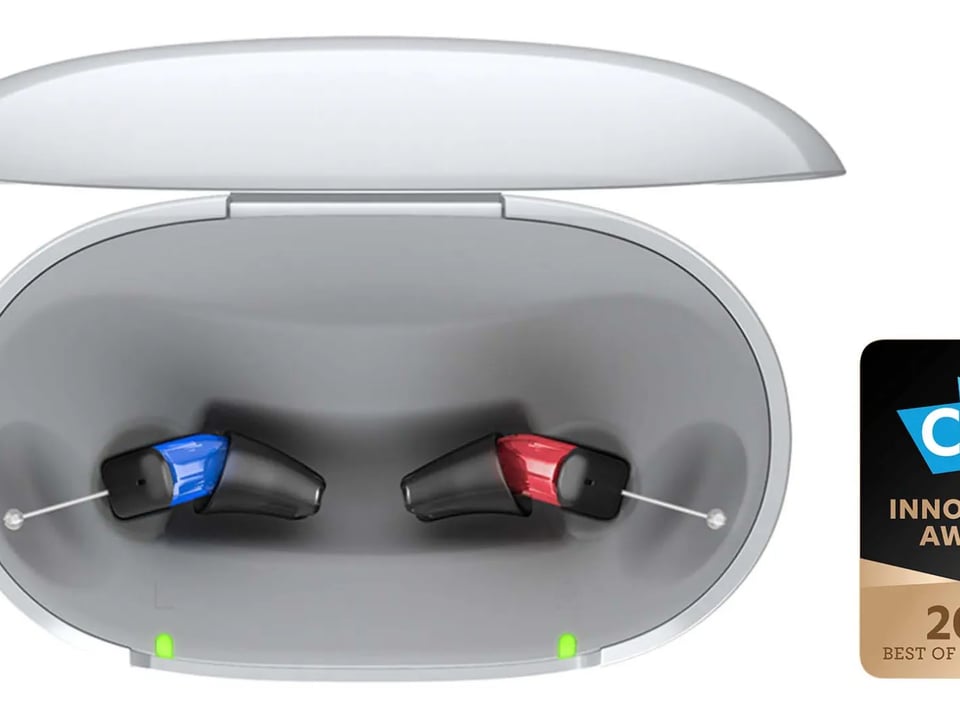
Wireless connectivity opens up options through streaming and remote microphone technology. Many hearing aids connect to smartphone apps offering specialised restaurant programs, or to discrete remote microphones that your dining companion can wear or place on the table. More on these shortly.
Positioning Yourself for Success
Technology can only do so much. Where you sit matters enormously.
Choose your seat with intention. Request booths or tables against walls rather than floating in the centre of the room. Sit with your back to the wall when possible. This positions most background noise behind you, where your directional microphones can suppress it most effectively.
Think about lighting. Many hearing aid users underestimate how much they rely on visual cues: lip reading, facial expressions, and gestures. Ask for a well-lit table and position yourself so you can see your companions’ faces without backlighting or shadows.
Consider the acoustics. Hard surfaces (tiles, glass, exposed concrete) create reverberation that degrades speech clarity. When booking, ask about quieter sections or rooms with carpet, curtains, or acoustic treatment. Some restaurants now offer designated quiet zones.
Get closer. Sound intensity decreases with distance according to the inverse-square law. A smaller table where you’re physically close to your dining companions gives you a better signal-to-noise ratio than sprawling around something the size of a conference room.
Using App Programs and Customisation
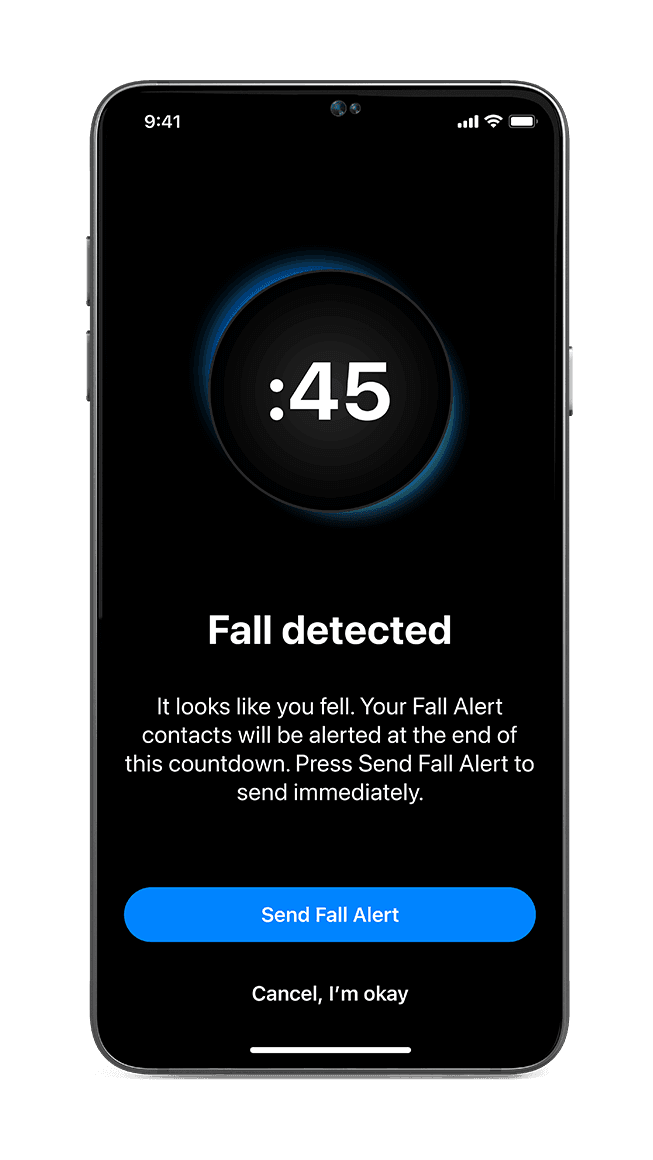
Most modern hearing aids come with smartphone apps that go well beyond simple volume control. You can create and save custom programs for specific environments, including your favourite restaurants.
Work with your audiologist to build a dedicated restaurant program if your devices don’t automatically optimise for noisy environments. This might emphasise directional mode, adjust noise reduction, or modify the frequency response to enhance speech frequencies.
Some manufacturers include machine learning that adapts based on your adjustments in different environments. The app gradually learns your preferences.
Experiment with “speech-in-loud-noise” programs in various restaurants. Save the configurations that work with names you’ll remember, so you can switch quickly when you arrive at a venue you’ve visited before.
Remote Microphone Technology
Remote microphones represent perhaps the single most effective technology for truly challenging restaurants. These small devices capture speech close to the speaker’s mouth and transmit it wirelessly to your hearing aids.
Placing a microphone 15-20 cm from the speaker’s mouth dramatically improves the signal-to-noise ratio before the sound ever reaches your hearing aids. Research consistently shows improvements of 10-15 dB or more. That’s substantially greater than what directional microphones or beamforming achieve on their own.
The trade-off is practical and social. Some users feel awkward asking dining companions to wear or position a device. Modern options are becoming more discrete, but it remains something to navigate. Remote microphones work brilliantly for one-to-one conversations and become less practical with larger groups unless you’re using multiple units.
Setting Realistic Expectations
Here’s the honest truth: even the most sophisticated technology cannot restore normal hearing or completely eliminate the challenges of acoustically hostile environments. Research shows that even individuals with normal hearing perform worse on speech understanding tasks in high levels of background noise. Hearing aids narrow the gap. They don’t close it entirely.
Your audiologist can conduct speech-in-noise testing (such as the QuickSIN or Words-in-Noise test) to establish baseline performance and set realistic targets. These objective measures help separate genuine improvement from wishful thinking.
In extremely noisy restaurants with sound levels exceeding 80-85 dBA, even people with excellent hearing struggle. Recognising when an environment simply isn’t conducive to conversation lets you adjust expectations or choose different venues for important conversations.
Developing a Practice Plan
Hearing in noise is partly a skill. Your auditory system needs time to adapt to amplified sound and learn to use what your hearing aids provide. Audiologists call this “auditory acclimatisation,” and research suggests it continues for several months after initial fitting.
Start easy and build up. Begin with quiet cafés during off-peak hours. Progress to busier venues as you adjust. This graduated exposure keeps your auditory system from becoming overwhelmed.
Practice focused listening. Deliberately attend to conversations in increasingly challenging environments. Notice which strategies (positioning, program selection, asking speakers to rephrase) prove most effective for you.
Keep a listening diary. Document specific environments, the hearing aid programs you used, positioning strategies you tried, and rate your success. This record helps identify patterns and gives your audiologist something concrete to work with.
Consider home-based auditory training. Programs like LACE or Angel Sound can improve speech-in-noise performance through structured practice. Ask your audiologist whether these might help.
Tracking Your Improvement
Subjective impressions can mislead you. Memory is unreliable, expectations shift, and placebo effects are real. Objective measures tell you whether interventions are genuinely improving performance.
Speech-in-noise testing conducted at regular intervals (initial fitting, three months, six months) provides data about your performance over time. Tests like the QuickSIN deliver a signal-to-noise ratio loss score, quantifying exactly how much more favourable listening conditions you need compared to someone with normal hearing.
Real-Ear Measurement verification confirms your hearing aids are delivering the prescribed amplification and that directional features are actually working. This removes guesswork from the fitting process.
Standardised questionnaires like the APHAB (Abbreviated Profile of Hearing Aid Benefit) or SSQ12 (Speech, Spatial and Qualities of Hearing) provide structured frameworks for assessing real-world performance across different listening situations, including restaurants.
Data logging in modern hearing aids reveals how much time you spend in different acoustic environments and which programs you actually use. This information guides adjustments and helps your audiologist understand what you’re dealing with day to day.
Working With Your Audiologist
Improving hearing in restaurants requires partnership. Come to follow-up appointments prepared with specific examples: venues where you struggled, situations where something worked unexpectedly well, questions about features you haven’t tried.
Your audiologist should conduct REM verification to ensure appropriate amplification and directional benefit. They should discuss realistic expectations for different environments and help you build a strategy that combines technology, positioning, and communication tactics.
Don’t hesitate to ask for real-world verification. Some audiologists conduct portable speech-in-noise testing in actual restaurants or simulate restaurant acoustics in the clinic. This contextualised assessment often reveals opportunities that standardised testing misses.
Important Disclaimer
This article provides general information about hearing aid technology and strategies for hearing in restaurants. It doesn’t constitute medical advice and doesn’t replace individualised assessment and recommendations from a qualified audiologist.
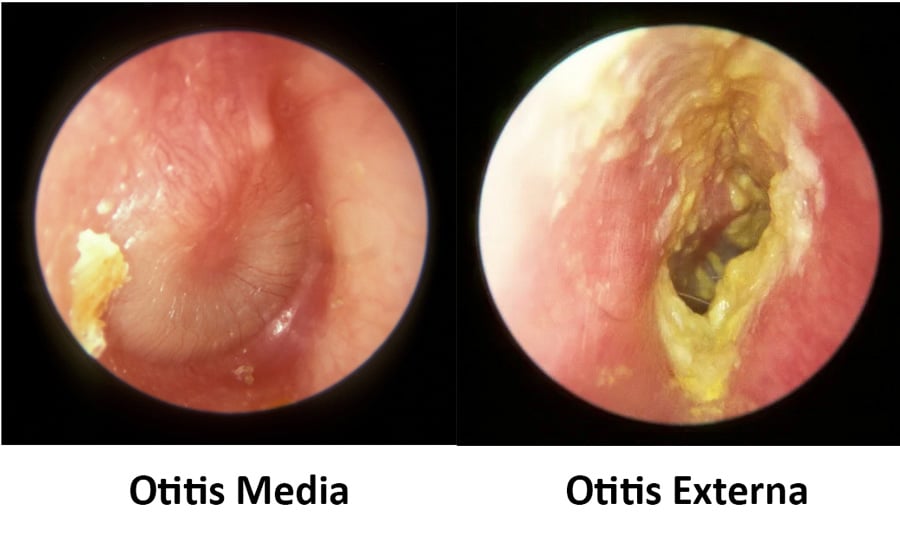
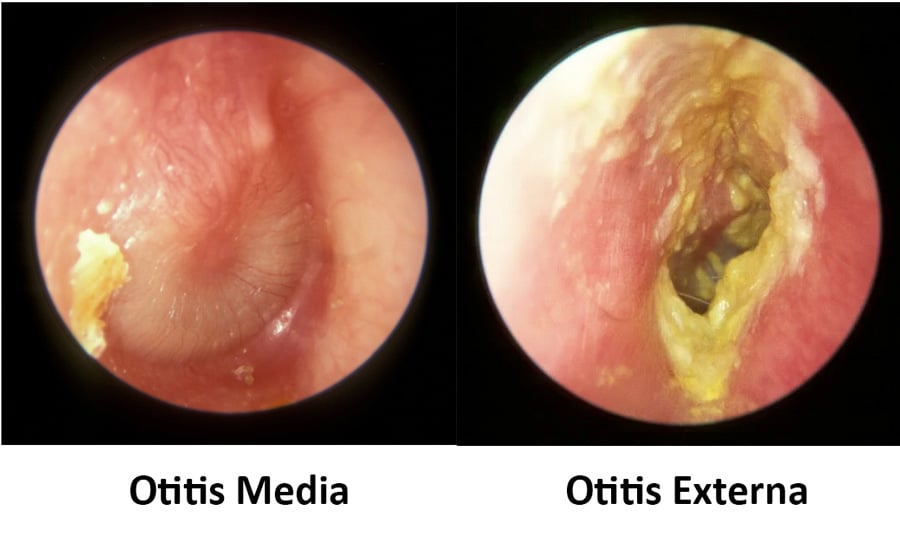
Hearing difficulties can result from various underlying conditions, some requiring medical intervention. If you’re experiencing sudden hearing changes, pain, discharge, or other concerning symptoms, consult an appropriate medical professional promptly.
The Path Forward
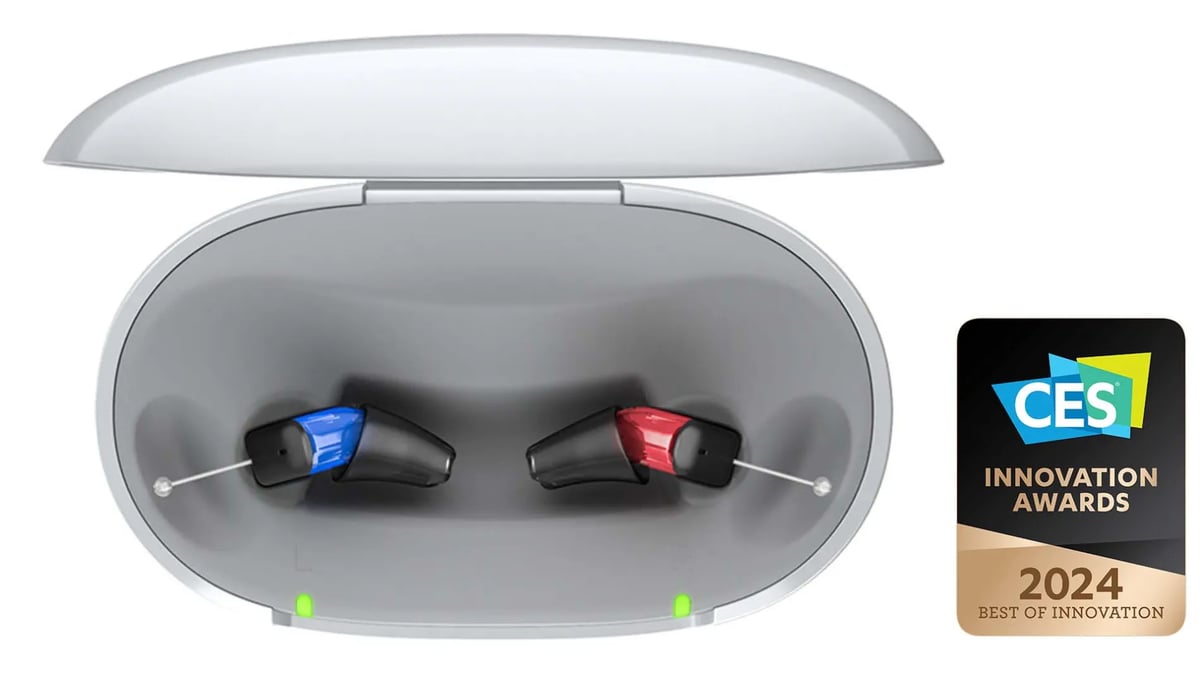
Hearing better in restaurants combines technology, strategic positioning, realistic expectations, and deliberate practice. Modern hearing aids offer directional microphones, beamforming, noise reduction, and wireless connectivity that genuinely improve speech understanding when properly fitted and verified.
Technology alone isn’t enough. Where you sit, how you position yourself, when you deploy remote microphones, and how you systematically practice challenging listening situations all contribute to your success. Working collaboratively with your audiologist, using objective measures, and maintaining realistic expectations creates the foundation for meaningful improvement.
The goal isn’t perfect hearing. Even normal-hearing individuals struggle in truly hostile acoustic environments. The goal is meaningful improvement that lets you engage more confidently in social dining situations, reducing listening fatigue and increasing your ability to participate in conversations that matter.
About The Audiology Place
The Audiology Place is an independent audiology clinic in Forestville on Sydney’s Northern Beaches. Led by Dr. Signe Steers, we provide hearing assessments, Real-Ear Measurement verification, and ongoing support without manufacturer affiliations or sales pressure. Our independence means recommendations based solely on what’s right for you.
To book an appointment or discuss your hearing concerns, contact us at (02) 9452 3899 or visit theaudiologyplace.com.au