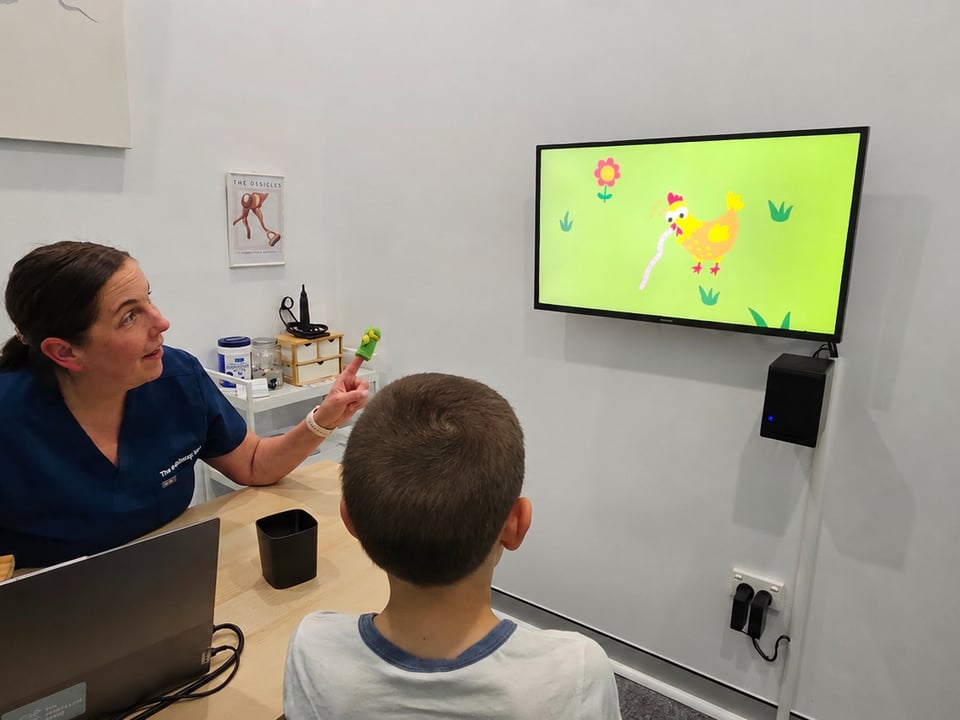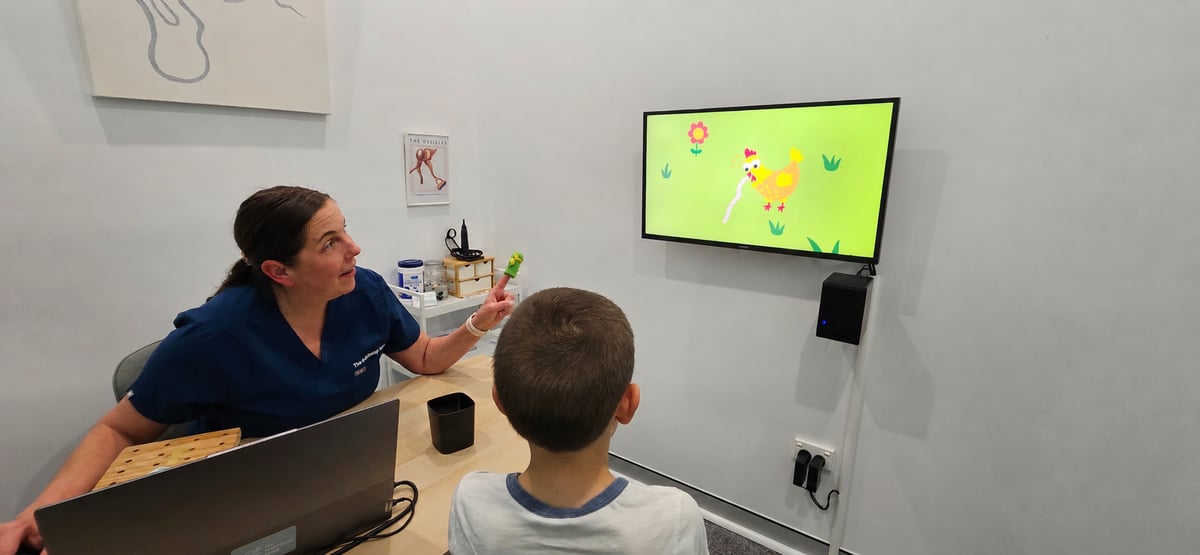

When assessing hearing in young children, traditional testing methods can pose significant challenges. At The Audiology Place, we’ve embraced play audiometry as our preferred approach for our youngest patients—a technique that turns what could be a clinical procedure into an engaging, game-like experience while delivering scientifically sound results.
What Is Play Audiometry?
Play audiometry (sometimes called conditioned play audiometry, or CPA) is a specialised hearing assessment technique designed for children aged approximately 2.5 to 7 years. Unlike traditional hearing tests that require patients to sit in a sound booth and raise their hand or press a button when they hear a tone, play audiometry incorporates age-appropriate play activities as the response method.
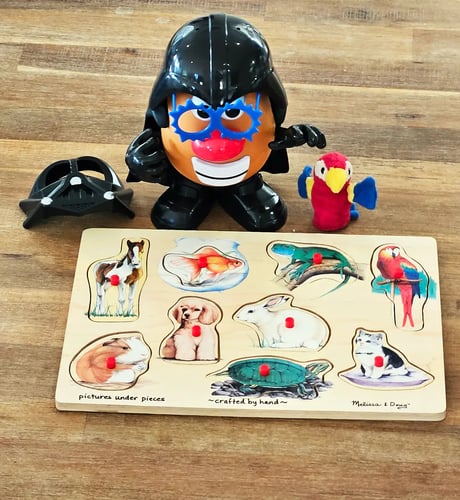
During a play audiometry session, children are taught to perform a simple action whenever they hear a sound. This might involve:
- Dropping a block in a bucket
- Putting a ring on a stake
- Placing a marble in a toy
- Adding a piece to a puzzle
- Feeding a toy animal
The child quickly learns that the sound is their cue to perform the fun activity, creating a natural, rewarding response cycle that maintains their interest and cooperation throughout the test.
Why Traditional Sound Booths Don’t Always Work for Children
Sound-treated booths have long been the standard environment for audiological testing, and while they’re excellent for controlling ambient noise, they come with several drawbacks when working with young children:
Intimidation Factor: Many children find sound booths frightening—they’re small, enclosed spaces that can trigger anxiety or claustrophobia, making it difficult to obtain reliable responses.
Separation Anxiety: Young children often become distressed when separated from parents, which is typically necessary in booth testing configurations.
Attention Limitations: Expecting a toddler or preschooler to sit still in a booth, wearing headphones, and maintaining focused attention is often unrealistic given their developmental stage.
Abstract Instructions: Traditional “raise your hand when you hear a beep” instructions are too abstract for many young children to understand and follow consistently.
These challenges don’t just make testing difficult—they can lead to incomplete or inaccurate results, necessitating repeat appointments or leaving potential hearing issues undetected.
The Scientific Validity of Play Audiometry
One of the most significant advantages of play audiometry is that it doesn’t sacrifice scientific validity for child-friendliness. In fact, for many young children, play-based techniques actually provide more reliable and comprehensive data than traditional methods.
Complete Frequency Testing: Play audiometry allows us to test the full range of frequencies necessary for a complete audiological assessment, from low tones to high pitches critical for speech perception.
Ear-Specific Results: Using special headphones or insert earphones, we can obtain ear-specific thresholds, allowing us to identify unilateral hearing loss or asymmetrical hearing issues.
Measurable Thresholds: Just as with adult testing, play audiometry produces quantifiable hearing thresholds measured in decibels (dB) across different frequencies, resulting in a standard audiogram that can be used for diagnosis and treatment planning.
Consistent with Standards: Our play audiometry techniques at The Audiology Place adhere to established audiological standards and protocols, ensuring the results are recognised by medical professionals and educational institutions.
Benefits Beyond the Booth: Why Play Audiometry Excels
At The Audiology Place, we’ve found numerous advantages to implementing play audiometry as our primary approach for young children:
Extended Testing Windows: Children typically remain engaged much longer during play-based activities than during traditional testing, enabling more comprehensive assessments in a single session.
Reduced Anxiety: By removing the intimidation of the sound booth and making the experience playful, we significantly decrease test anxiety, which can otherwise affect results.
Developmental Appropriateness: Play audiometry meets children at their developmental level, using their natural inclination toward play as a pathway to diagnostic information.
Observable Behaviours: The play-based format allows our audiologists to observe subtle responses and behaviours that might be missed in traditional testing, providing additional qualitative information about hearing function.
Family Involvement: Parents can often remain in the room during play audiometry, reducing separation anxiety and allowing them to observe firsthand how their child responds to different sounds.
Building Positive Associations: Perhaps most importantly, children who experience play audiometry typically develop positive associations with hearing healthcare, making future assessments and potential interventions much easier.
The Play Audiometry Process at The Audiology Place
When you bring your child to The Audiology Place for a play audiometry assessment, here’s what you can expect:
1. Welcoming Introduction: We begin by familiarising your child with our friendly environment and introducing them to the toys and games we’ll be using.
2. Conditioning Phase: The audiologist demonstrates the play activity and helps your child understand the connection between hearing a sound and performing the action. This typically starts with louder sounds to establish the pattern.
3. Threshold Testing: Once the child understands the game, we systematically present tones at various frequencies and intensities, carefully observing their responses to determine the softest sounds they can reliably detect.
4. Ear-Specific Assessment: Using appropriate headphones or earphones, we test each ear individually to identify any differences in hearing sensitivity.
5. Speech Recognition Testing: For many children, we can also assess how well they hear and discriminate speech sounds, providing crucial information about their functional hearing abilities.
6. Immediate Feedback: Following the assessment, we discuss the results with parents, explaining what we found and what it means for their child’s hearing health and development.
The entire process typically takes 30-45 minutes, though we always adapt to each child’s unique pace and attention span.
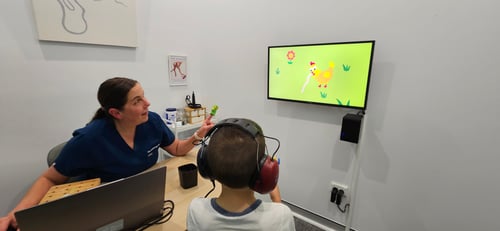
#Play Audiometry
Verifiable Results You Can Trust
Parents sometimes worry that a play-based approach might not be as “serious” or reliable as traditional testing methods. We want to assure you that play audiometry produces verifiable, trustworthy results for several reasons:
Calibrated Equipment: We use the same professionally calibrated audiological equipment used in adult testing, ensuring precise sound presentation.
Trained Observation: Our audiologists are specially trained in pediatric assessment techniques and can distinguish between random play behaviours and true responses to sound.
Repeated Measures: The game-like format allows for multiple presentations at each intensity level, providing confirmation of true thresholds through consistent responses.
Cross-Check Principle: We employ multiple assessment methods when possible to cross-check and verify findings, ensuring accuracy.
Documented Standards: Our procedures follow evidence-based protocols established by audiological governing bodies, ensuring the results meet professional standards.
When is Play Audiometry Most Appropriate
While play audiometry is our go-to approach for many children, it’s particularly valuable in these situations:
- Initial hearing assessments for toddlers and preschoolers
- Monitoring known hearing conditions in young children
- Pre-kindergarten hearing screenings
- Assessing children with developmental delays who may not respond to traditional testing
- Verification of hearing aid benefit in pediatric patients
- Evaluating children who have had unsuccessful traditional hearing tests
Embracing Child-Centred Hearing Care
At The Audiology Place, our commitment to play audiometry reflects our larger philosophy of child-centred care. We believe that by adapting our methods to meet children’s developmental needs—rather than expecting children to adapt to adult-oriented clinical procedures—we not only get better diagnostic information but also create positive foundations for lifelong hearing health.
Play audiometry transforms what could be a challenging clinical encounter into an opportunity for engagement, learning, and accurate assessment. The result? Children who leave our office looking forward to their next visit, and parents who have clear, reliable information about their child’s hearing abilities.
If you’re concerned about your child’s hearing or simply want to establish baseline hearing levels before they start school, contact The Audiology Place to schedule a play audiometry assessment. We’re committed to making hearing care accessible, accurate, and actually fun for our youngest patients.