
When parents first learn their child needs hearing aids, the journey ahead can feel overwhelming. Unlike adult amplification, children’s hearing aids must account for rapid physical growth, busy classroom environments, and the fact that a curious toddler or active school-aged child won’t always treat their devices gently. Understanding how paediatric hearing aids differ from adult models, and why features like FM/DM compatibility and tamper-proof designs matter, can help families and educators work together to support a child’s speech, language, and academic development.
Why Children’s Hearing Aids Are Different
Paediatric hearing aids are not simply smaller versions of adult devices. Children’s developmental needs, safety requirements and listening environments call for different features. A three-year-old learning speech sounds requires consistent, audible access to language throughout their waking hours, whilst a ten-year-old navigating classroom discussions needs technology that works seamlessly with their school’s audio system.
The stakes are high: studies show that even mild hearing loss can affect vocabulary, reading development, and classroom participation when left unmanaged. Children fitted early with appropriate amplification and supported by regular audiological follow-up typically achieve language milestones closer to their hearing peers, though outcomes vary based on degree of loss, age at fitting, family involvement, and educational support.
Accounting for Growth: Why Fit Changes Over Time
One of the most distinctive aspects of paediatric audiology is that children grow, and sometimes alarmingly fast. The physical dimensions of a child’s ear canal and pinna change significantly from infancy through adolescence, which directly affects how a hearing aid sits, seals, and delivers sound.
For children wearing behind-the-ear (BTE) hearing aids, the most common style for paediatric fittings, the custom earmould is the primary point of contact. As the ear grows, earmoulds that once fit snugly can become loose, causing feedback (that distinctive whistling sound) and reducing the effective amplification reaching the eardrum. Infants and toddlers may need new earmoulds every few months, while school-aged children need them less often as growth slows.
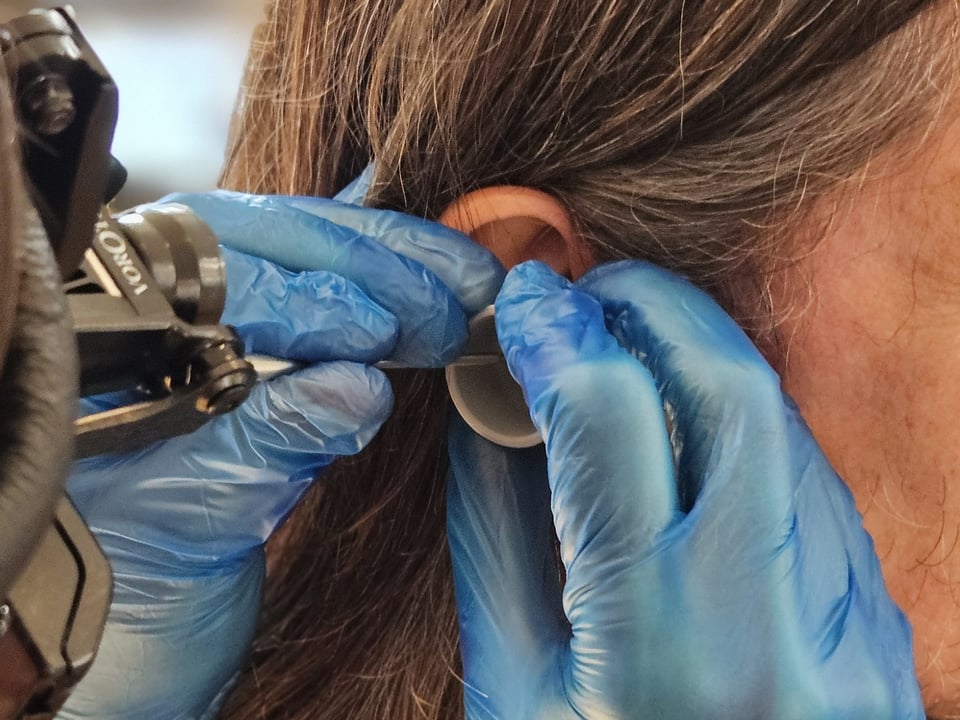
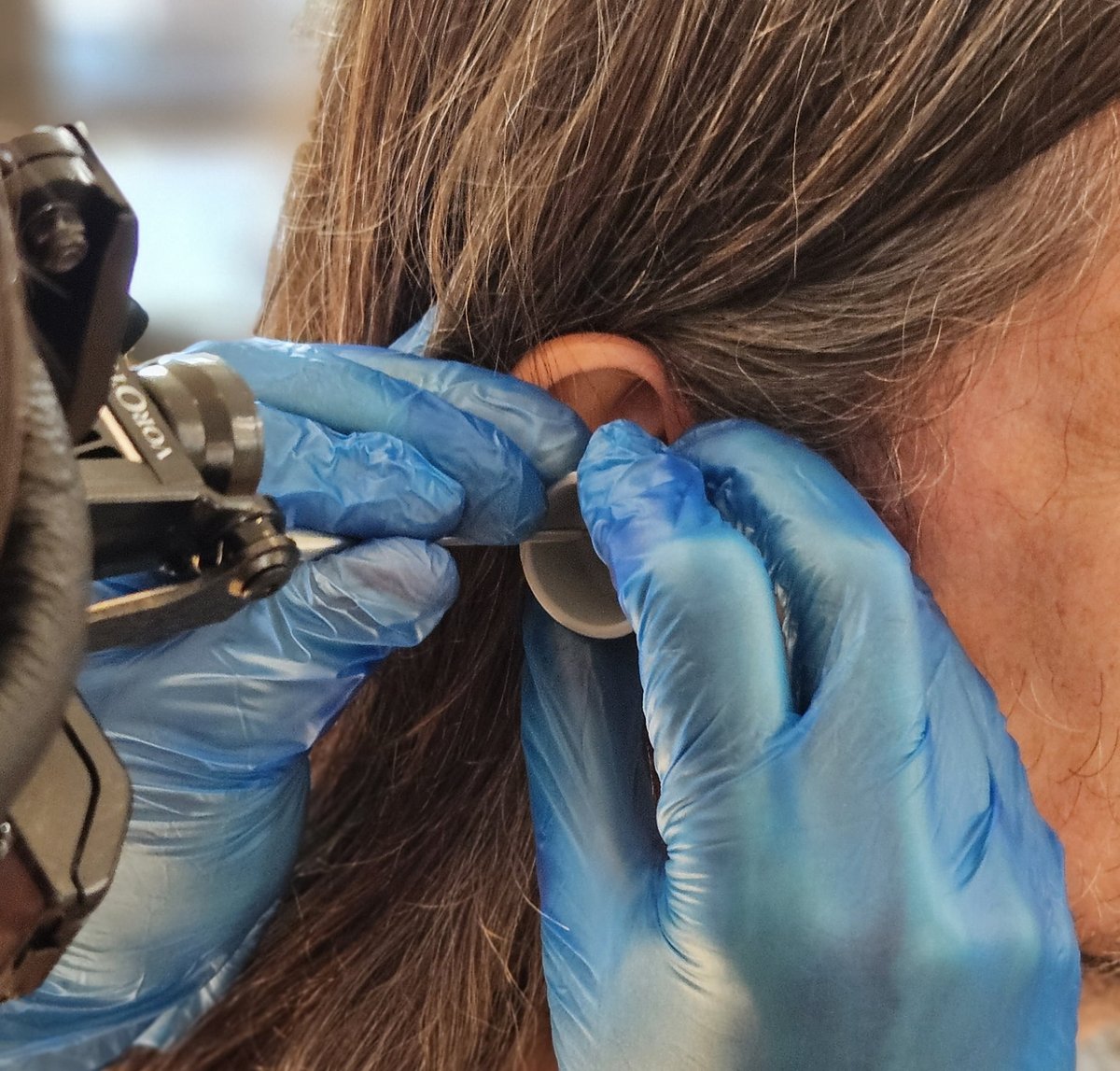
Audiologists verify hearing aid performance using real-ear measurement (REM), which uses a thin probe microphone in the ear canal to measure how much amplification is reaching the eardrum. For babies and young children this is often done by measuring the real-ear-to-coupler difference (RECD), a quick measurement that lets the audiologist account for a small ear canal. Because ear canal size and shape influence sound delivery, REM ensures the hearing aid prescription matches the child’s individual anatomy. This verification becomes especially critical after earmould remakes or when adjusting settings to account for changes in hearing thresholds, which can fluctuate in children with certain ototoxic medication exposures, progressive losses, or middle ear conditions.
Retention and Safety: Tamper-Proof Design Features
Active children lose hearing aids. They pull them off, drop them in sandpits, and leave them where pets or younger siblings can reach them. Paediatric hearing aids incorporate several design features to address these realities whilst prioritising safety.
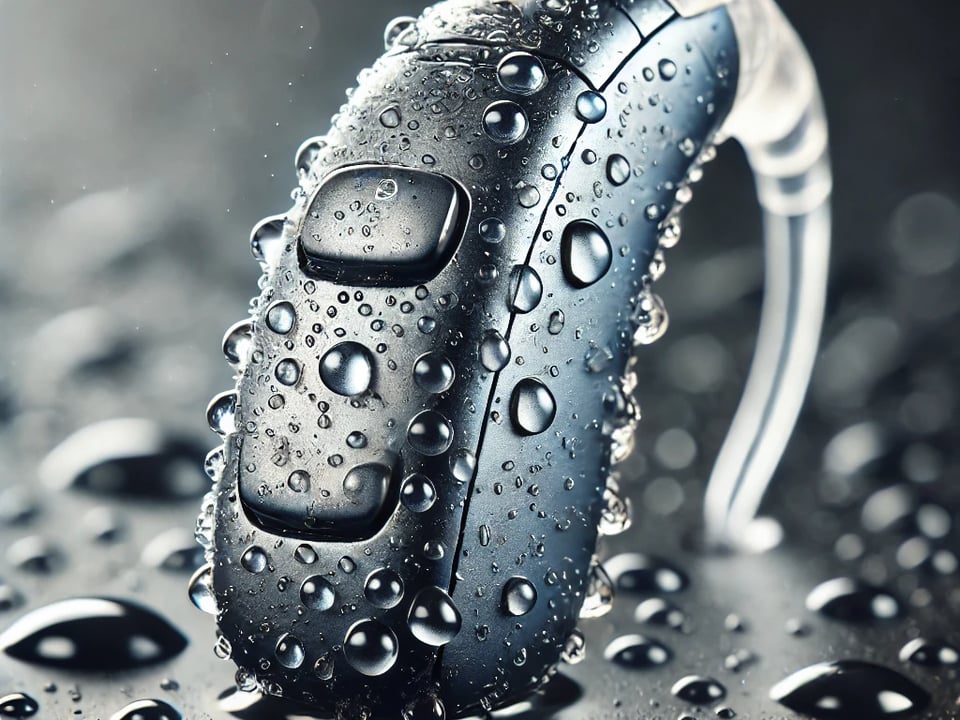
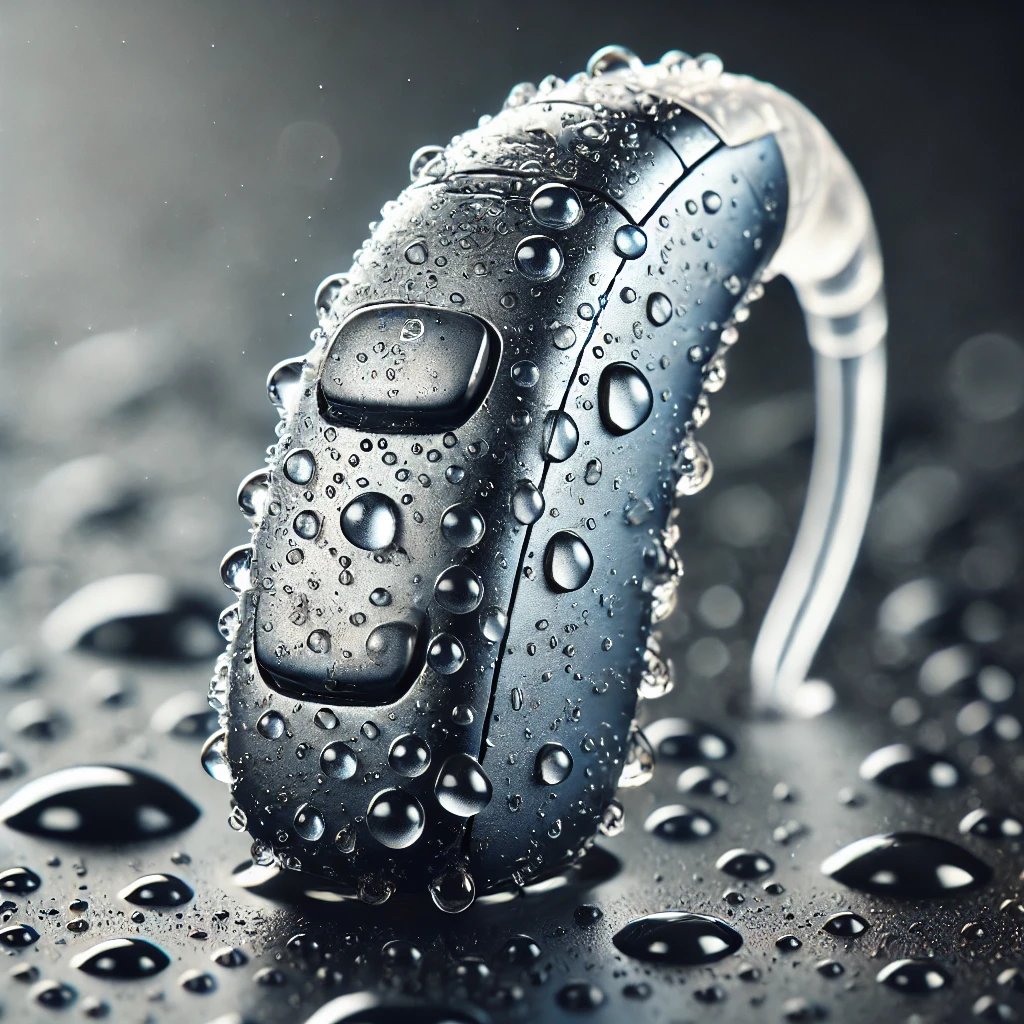
Tamper-proof battery doors prevent small fingers from accessing button batteries, which pose a serious ingestion hazard. Paediatric models typically offer a locking battery door, and many families choose rechargeable hearing aids that remove loose batteries altogether. Rechargeable models also reduce ongoing costs and environmental waste, though families need reliable access to electricity and should have backup plans for power outages or forgotten charging.
Retention accessories help keep hearing aids in place during physical activity. Options include:
- Soft silicone bands or clips that attach the hearing aid to clothing
- Toupee tape for securing earmoulds (particularly useful for infants)
- Sport locks and headbands for older children during athletics
- Behind-the-head retention systems that distribute weight differently
Visual indicators such as LED lights allow parents and teachers to confirm at a glance whether hearing aids are switched on and functioning, reducing the risk that a child spends hours with dead batteries or accidentally deactivated devices. Some manufacturers offer child-friendly colours and designs, helping younger children feel positive about wearing their devices, though evidence for improved compliance based solely on aesthetics remains limited.
FM and DM Systems: Bridging the Distance in Classrooms
Even well-fitted hearing aids struggle with one of the most challenging acoustic environments children encounter daily: the classroom. Background noise from air conditioning, shuffling papers, and peer conversations, combined with distance from the teacher, can reduce speech understanding significantly, even for children with mild hearing losses.
Frequency Modulated (FM) and Digital Modulation (DM) systems address this by transmitting the teacher’s voice directly to the child’s hearing aids via a wireless microphone. The teacher wears a small transmitter, and the child’s hearing aids receive the signal through compatible receivers, effectively placing the teacher’s voice “right in the child’s ear” regardless of where they’re sitting or which direction they’re facing.
FM/DM compatibility varies by hearing aid model and manufacturer, making this a crucial consideration during device selection for school-aged children. Families should discuss classroom listening needs with their audiologist before purchasing, particularly if their child’s school already uses a specific FM/DM system. Some receivers work across a range of hearing aids, while others are designed for specific models.
Research supports remote microphone systems for children with hearing loss at school, with better speech understanding in noise (see our guide to hearing aids at school). However, successful implementation requires training for teachers and regular equipment checks. A malfunctioning FM transmitter or dead battery can leave a child effectively isolated from classroom instruction without anyone necessarily noticing.
School-Based Support and Communication Protocols
Technology alone doesn’t ensure academic success. Effective school hearing support requires collaboration between audiologists, parents, teachers, and sometimes speech pathologists or itinerant teachers of the deaf.
Parents should expect to provide the school with information about their child’s hearing aids, including how to perform basic troubleshooting, battery specifications, and emergency contact details for their audiologist. Many audiologists provide written guides or conduct in-school visits to train staff, particularly when children first start school or change settings.
Teachers benefit from understanding that:
- Hearing aids amplify all sounds, not just speech, so classroom noise management matters
- Visual attention is crucial: calling a child’s name before giving instructions, facing the class when speaking
- Preferential seating (close to where the teacher usually speaks, with a clear view of faces, and sometimes to one side to favour the better ear) can improve access
- Fatigue is real; children with hearing loss often work harder to listen and may tire more quickly than peers
Regular parent-teacher communication helps identify problems early. If a child’s behaviour, participation, or academic performance changes, hearing aid malfunction or fit issues should be ruled out alongside other explanations.
Follow-Up Schedules and Outcome Tracking
Paediatric hearing aid management is not a “fit and forget” process. Young children are usually reviewed every few months, with appointments spreading out to around once a year as growth slows. Individual schedules vary based on:
- Age and rate of growth
- Type and stability of hearing loss
- Presence of middle ear conditions requiring medical monitoring
- Developmental progress and language milestones
- School performance and reported listening difficulties
During follow-up appointments, audiologists assess device function, clean components, check for physical damage, conduct listening checks, and may perform aided audiometry or speech perception testing to verify benefit. Real Ear Measurement should be repeated whenever significant programming changes occur or new earmoulds are fitted.
Outcome tracking has become increasingly important in paediatric audiology. Beyond traditional hearing tests, many clinics now use validated questionnaires such as the PEACH (Parents’ Evaluation of Aural/oral performance of CHildren) or TEACH (Teachers’ Evaluation of Aural/oral performance of CHildren) to assess real-world listening function. Speech perception in noise testing provides objective data about how well a child can understand speech in challenging conditions that mirror classroom environments. These measures help clinicians and families make informed decisions about technology upgrades, FM/DM implementation, or whether additional support services might be beneficial.
What Parents Should Expect at Audiology Appointments
A comprehensive paediatric hearing aid service includes systematic verification of device performance, counselling about realistic expectations, and transparent discussion of limitations. Not all audiologists work with children regularly, and families may wish to seek practitioners with specific paediatric training and experience, particularly for complex cases involving multiple disabilities or very young children.
During appointments, parents might observe:
- Behavioural or play-based hearing tests for younger children, transitioning to standard audiometry as children mature
- Real Ear Measurement with a thin probe tube placed alongside the earmould
- Listening checks using a stethoscope-like device
- Visual inspection of ear canals and earmould fit
- Programming adjustments based on parent and teacher reports
- Discussion of developmental milestones and any concerns about speech or language progress
Parents should feel free to ask about any aspect of their child’s hearing aid management, including costs, warranty, repairs and what to do in emergencies. In Australia, children and young people under 26 are eligible for government-funded hearing services, including hearing aids, through Hearing Australia; families who choose a private provider should ask how costs compare. Reputable clinics maintain transparency about their manufacturer relationships, funding arrangements, and whether they offer brand-agnostic advice or work within particular supply agreements.
The Bigger Picture: Supporting Development Through Sound
Paediatric hearing aids serve a simple goal: helping children access the language, learning, and social connection their hearing peers take for granted. Success depends on properly fitted and verified devices, yes, but also on consistent device use, family engagement, educator awareness, and regular professional support.
The field continues to evolve, with improvements in connectivity (many children’s hearing aids now stream directly from tablets and computers, supporting remote learning), artificial intelligence for environmental adaptation, and rechargeable battery technology. Yet the fundamentals remain unchanged: children’s hearing aids must accommodate growth, withstand daily wear and tear, integrate with educational technology, and be monitored systematically as part of comprehensive developmental support.
If your child has been prescribed hearing aids or you’re concerned about their hearing, seeking assessment from a qualified audiologist is the essential first step. It takes commitment, but with appropriate technology and support most children with hearing loss can develop the speech and language skills to do well at school and socially.
The Audiology Place is an independent clinic that works with all major hearing aid brands and verifies every fitting with real-ear measurement.