
When a family learns their child has a hearing loss, the road ahead can feel overwhelming, particularly when it comes to funding schemes like the National Disability Insurance Scheme (NDIS). Knowing what support is available, who qualifies and how to access it helps avoid months of confusion and delay.
This is a general overview. NDIS rules change from time to time, so check the details for your child with the NDIS or your early childhood partner.
Who Qualifies for NDIS Hearing Support?
The NDIS is designed to support Australians under 65 with a permanent and significant disability. For children with hearing loss, eligibility hinges on whether the hearing impairment substantially impacts their ability to participate in everyday activities, such as learning, communicating, or socialising, compared to peers without disability.
To qualify, a child must meet the NDIS access requirements, which include:
- Age: Under 65 when you apply
- Residency: Australian citizen, permanent resident, or holder of a Protected Special Category Visa
- Early intervention: Children can also meet the early intervention requirements, where support now is likely to reduce their future need for support. The NDIS early childhood approach is for children younger than 6 with developmental delay, or younger than 9 with disability
- Functional impact: The hearing loss must be permanent (or likely to be permanent) and create significant functional limitation in one or more areas of major life activity, such as communication, learning, or mobility
Hearing loss that qualifies is typically sensorineural, permanent conductive loss (after medical management has been explored), or mixed loss. Temporary hearing issues, such as glue ear that is expected to resolve with treatment, generally do not meet NDIS criteria unless there are other compounding factors.
Children with milder hearing loss may still qualify if there is documented evidence that the loss significantly affects communication, education, or social participation. This is where detailed audiological and functional assessments become critical.
Required Documentation and Evidence
Applying for NDIS support requires comprehensive evidence from qualified professionals. Families should be prepared to provide:
Audiological Reports
A full diagnostic hearing assessment conducted by a qualified audiologist is essential. This typically includes:
- Pure-tone audiometry (air and bone conduction thresholds)
- Tympanometry and middle ear analysis
- Otoacoustic emissions (OAE) or auditory brainstem response (ABR) testing in younger children or those unable to complete behavioural testing
- Speech discrimination testing where developmentally appropriate, including speech-in-noise assessments to demonstrate real-world listening challenges
These assessments establish the type, degree, and configuration of the hearing loss and must clearly indicate permanence or likelihood of permanence.
Medical and Specialist Reports
Reports from ear, nose and throat (ENT) specialists, paediatricians, or GPs help confirm diagnosis, rule out treatable causes, and support the permanency requirement. In some cases, genetic or imaging reports may also be relevant.
Functional Capacity Assessments
NDIS planners need to understand how the hearing loss affects daily life. Occupational therapists, speech pathologists, and teachers can provide evidence of communication difficulties, educational delays, or social participation barriers. Parents’ observations and reports from early childhood educators are also valuable.
Clear documentation that connects the hearing loss to functional impact strengthens the application considerably. It’s not enough to simply note the audiogram: evidence must demonstrate how the hearing loss limits the child’s ability to engage in age-appropriate activities.
The Role of Audiology in the NDIS Journey
Audiologists are central to both gaining access to the NDIS and ensuring effective use of funded supports. Their role includes:
Diagnosis and Assessment
Accurate diagnosis is the foundation of any NDIS hearing support plan. Audiologists conduct the testing needed to establish eligibility and ongoing monitoring to track changes in hearing or communication needs over time.
Hearing Device Prescription and Verification
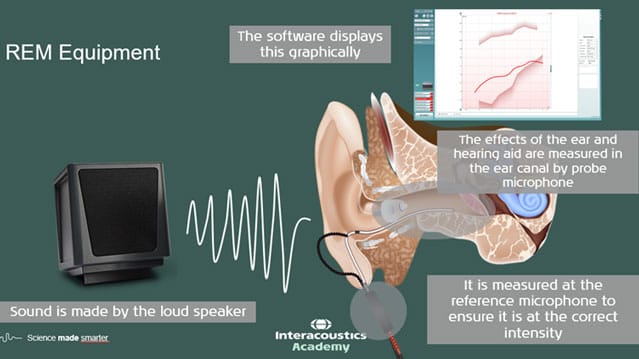
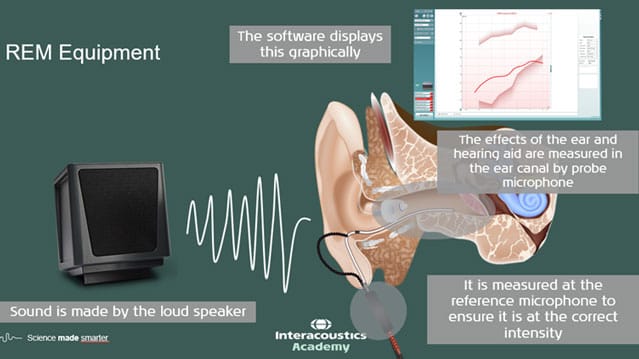
For children requiring hearing aids or other amplification devices, audiologists prescribe, fit, and fine-tune devices to match the child’s unique hearing profile. Real-ear measurement (REM) is the recommended verification method, checking that hearing aids deliver the correct amplification across frequencies in the child’s actual ear canal, not just according to manufacturer settings. This evidence-based approach maximises speech audibility and supports language development.
Ongoing Support and Follow-Up
Hearing needs change as children grow. Regular audiological follow-up ensures devices continue to meet the child’s needs, troubleshoots any issues, and updates recommendations as the child’s communication and educational demands evolve.
Collaboration with Multidisciplinary Teams
Audiologists often work alongside speech pathologists, occupational therapists, teachers, and early intervention specialists. This collaboration ensures hearing support is integrated into broader developmental and educational goals, rather than treated in isolation.
School and Therapy Links: A Team Approach
Hearing loss affects much more than audiology appointments: it touches every part of a child’s learning and social life. Effective NDIS plans recognise this and fund supports that bridge audiology, education, and therapy.
Early Intervention Services
For younger children, early intervention is critical. Children who receive timely hearing support and language therapy tend to achieve better communication, literacy and social outcomes. NDIS funding may cover speech pathology, auditory-verbal therapy or early intervention programs from providers such as The Shepherd Centre or NextSense. Hearing assessments and devices for children and young people under 26 are generally provided by Hearing Australia under the Community Service Obligations part of the Hearing Services Program, which is separate from the NDIS.
School-Based Support
Once children enter school, NDIS funding can support communication goals in educational settings. This may include:
- Assistive listening technology such as remote microphone systems or soundfield amplification to improve speech-in-noise understanding in classrooms
- Capacity-building for teachers around communication strategies, classroom acoustics, and inclusive education practices
- Therapy supports during or after school hours to target speech, language, literacy, or auditory skills
It’s important to note that education departments also have obligations to support students with disabilities. Families and NDIS planners should clarify which supports are funded by NDIS and which fall under state or territory education systems to avoid gaps or duplication.
Coordination Across Services
Early childhood partners (for younger children), local area coordinators and support coordinators can help families navigate complex service systems, link with community resources, and ensure all providers are working toward shared goals. This coordinated approach is especially valuable for families new to the disability sector or those managing multiple therapy appointments.
The Audiology Place (TAP) Support and Independence
Navigating the NDIS can feel like learning a new language. At The Audiology Place in Epping and Forestville, we aim to keep things clear and practical, with your child’s communication needs at the centre.
We provide children’s hearing assessments from six months of age, including REM verification for every paediatric hearing aid fitting. Our audiologists work collaboratively with your child’s other health and education providers, and we offer clear documentation to support NDIS applications and plan reviews.
As an independent clinic, our device recommendations are based on what best meets your child’s hearing and lifestyle needs.
Practical Steps for Families
If you’re considering or starting the NDIS process for your child’s hearing needs:
- Obtain a comprehensive hearing assessment from a qualified audiologist. Ensure the report clearly documents hearing thresholds, type and degree of loss, and permanence.
- Gather supporting evidence from ENT specialists, GPs, speech pathologists, and educators about how hearing loss affects your child’s daily life.
- Contact the NDIS via ndis.gov.au or 1800 800 110 to request an access form. For children under 9, you can also start with a local early childhood partner. If your child is seen by Hearing Australia after diagnosis, they can help you apply for NDIS access and, with your consent, send evidence of the hearing loss to the NDIA.
- Prepare for planning by documenting your child’s goals, current challenges, and supports already in place. Bring all reports and be ready to explain how hearing loss impacts communication, learning, and social participation.
- Review your plan carefully once approved. Ensure audiology, hearing devices, assistive technology, and therapy supports are included and adequately funded. If not, you can ask for your plan to be reviewed.
- Engage providers early and establish regular follow-up schedules. Consistent monitoring and timely adjustments are essential to maximise outcomes.
- Connect with peer support groups or advocacy organisations such as Aussie Deaf Kids, Deaf Children Australia or Deaf Australia for guidance and community.
Red Flags and When to Seek Further Advice
Families should be aware of potential red flags:
- Providers who do not use REM verification for hearing aid fittings: this is a core element of evidence-based paediatric audiology
- Lack of follow-up care or difficulty accessing your audiologist for troubleshooting and adjustments
- Pressure to choose specific brands or devices without clear, individualised justification
- Delays in accessing timely assessments or supports, which can critically affect early language development
If you encounter these issues, seek a second opinion or contact the NDIS Quality and Safeguards Commission for guidance.
Final Thoughts
Timely, high-quality hearing support can make a big difference for children with hearing loss. The NDIS provides a valuable funding pathway, but navigating it requires understanding, persistence, and the right professional partners.
By securing thorough assessments, engaging skilled audiologists who prioritise evidence-based care, and building strong links between audiology, therapy, and education, families give their child the best opportunity to thrive.
For further official guidance, visit ndis.gov.au or speak with your audiologist about how to start the access process.