
You know that moment when you step outside on a Sydney summer morning and the air just hits you? That thick, clingy humidity that makes your shirt stick to your back before you’ve even reached the car. Now imagine you’ve got a tiny computer sitting behind your ear, packed with microphones and processors and delicate electronics. Welcome to the reality of wearing hearing aids in Sydney.
This isn’t meant to scare you. Modern hearing aids are tougher than they look. But they weren’t designed to be waterproof, and Sydney’s climate can be brutal on electronics. The good news? A few simple habits will keep your devices working reliably for years. Let’s get into it.
Note: This is educational information, not medical advice. For recommendations specific to your hearing aids and hearing health, talk to your audiologist.
What Moisture Actually Does to Your Hearing Aids
Hearing aids have openings. They have to. The microphone needs to pick up sound, and the receiver needs to deliver it. Those openings are also entry points for moisture.
Humidity causes condensation. You walk from your air-conditioned house into the muggy outdoors, and moisture forms inside the device. Same principle as glasses fogging up, except this is happening inside an electronic device. On those days when Sydney’s humidity pushes past 70% or 80%, this becomes a daily problem.
Sweat is worse. It’s not just water. It contains salt and oils that can corrode components and gunk up the works. Behind-the-ear models sit right where sweat likes to collect. In-the-ear styles nestle in your ear canal, where warmth encourages even more moisture production.
Research shows that moisture-related failures account for a significant share of hearing aid repairs, especially in humid climates like ours. The encouraging part? Most of this damage is preventable with consistent care.
Daily Drying: The One Habit That Matters Most
If you take one thing from this article, let it be this: dry your hearing aids every night. Think of it like charging your phone. Non-negotiable.
Electronic dehumidifiers designed for hearing aids are the gold standard. They use gentle heat to evaporate moisture from inside the device. Most also have UV-C light, which kills bacteria and fungi that would otherwise thrive in the warm, moist environment of your ear canal. You put your hearing aids in at night, run the cycle, and by morning they’re dry and sanitised.
When choosing a dehumidifier, get one made specifically for hearing aids. Generic electronics dryers can overheat. Your audiologist can recommend models that are compatible with your devices.
If you want something cheaper, desiccant containers work too. These have silica gel beads that absorb moisture passively. They’re not as effective as the electronic versions, but they still help. Watch for the colour-change indicator that tells you when the desiccant is saturated and needs replacing.
The routine: each night, wipe your hearing aids down with a soft dry cloth, open the battery doors (or turn off rechargeable models), and place them in the dehumidifier. Do this every single night and you’ll dramatically reduce moisture problems.
How Waterproof Are Your Hearing Aids, Really?
Let’s clear something up right now: water-resistant and waterproof are not the same thing. Your hearing aids might survive a rain shower. That doesn’t mean they’re ready for a swim.
The best way to determine what your hearing aids can handle is their IP rating. IP stands for Ingress Protection. It’s a standardised system that tells you how well a device resists dust and water. You’ll see it written as “IP” followed by two numbers, like IP67 or IP68.
The first number (0 to 6) indicates dust protection. A 6 means completely dust-tight. The second number (0 to 9) indicates water protection. This is where it gets important for Sydney living.
Here’s what those second numbers actually mean in practice:
4 or 5: Water-resistant. Handles splashes. That’s it.
6: Can handle powerful water jets. Still not for swimming.
7: Can survive temporary immersion up to 1 metre for about 30 minutes. Think: dropped in the sink.
8: Can handle continuous immersion beyond 1 metre. This is the highest rating you’ll find on hearing aids.
Most premium hearing aids today carry an IP68 rating. That sounds impressive, and it is. But here’s the catch: those tests use clean, fresh water at room temperature. Real life exposes your devices to chlorinated pool water, salt spray, and sweat. Those are all more corrosive than clean water. An IP68 rating doesn’t mean you should shower with your hearing aids or take them for a dip at Manly.
To find your hearing aids’ IP rating, check the product sheet that came with them, look on the manufacturer’s website, or ask your audiologist. If you can’t find a rating, assume your devices require additional protection against moisture.
Common Hearing Aids and Their IP Ratings
| Model | IP Rating | What That Means |
| Phonak Audéo Infinio / Sphere | IP68 | Dust-tight, survives immersion to 1m |
| Starkey Edge AI / Omega AI | IP68+ | Enhanced testing, including salt and chlorine |
| Oticon Intent | IP68 | Dust-tight, survives immersion to 1m |
| ReSound Vivia | IP68 | Dust-tight, survives immersion to 1m |
| Signia Pure Charge&Go IX | IP68 | Dust-tight, survives immersion to 1m |
| Widex SmartRIC | IP68 | Dust-tight, survives immersion to 1m |
| Older or entry-level models | IP57 or lower | More vulnerable; extra care needed |
Note: IP ratings may vary by style (rechargeable vs. battery, BTE vs. custom). Always check your specific model. Ratings accurate as of early 2026.
Physical Protection: Sleeves, Coatings, and Covers
Beyond drying, you can use physical barriers to keep moisture away from your hearing aids.
Moisture-resistant sleeves (sometimes called sweat covers) fit over behind-the-ear hearing aids. Made from specialised fabrics, they let sound through while repelling water and sweat. These are worth considering if you’re active. Walking the Bondi to Coogee track in January? A sweat cover can be the difference between a working hearing aid and a dead one.
Many modern hearing aids are equipped with a nanocoating applied during manufacturing. This creates a water-repelling surface on internal and external components. The coating helps, but it’s not a magic bullet. It degrades over time with wear and exposure. Think of it as your first line of defence, not your only one.
Beach, Pool, and Water Activities
Sydney life means water. Beaches, pools, harbour swims. For hearing aid wearers, the rule is simple: take them out before you get in.
Yes, even with IP68-rated devices. Remember what we said about those ratings? Tested in clean water. The ocean is not clean water. It’s salt water, which is corrosive. Pool water is chlorinated, which is also corrosive. Neither is what your hearing aids are designed to handle, regardless of the IP rating.
Before heading to the beach or pool, work out where you’ll store your hearing aids. A waterproof container works well. Even a sealed plastic bag is better than nothing. Keep it in the shade. Direct sunlight can raise temperatures high enough to damage devices, especially batteries and plastic components.
Ocean days require extra caution. Salt spray travels a long way on windy days. If you’re spending a whole day at the beach, you might be better off leaving your hearing aids at home or in your accommodation.
After any beach or pool day, give your hearing aids a thorough clean and run them through the dehumidifier. Ambient salt and humidity can still affect devices, even when you’ve been careful to keep them out of water.
Getting Caught in the Rain
Sydney summer storms don’t announce themselves politely. One minute it’s sunny, the next you’re getting drenched. For hearing aid wearers caught in a downpour, quick action helps.
First priority: shield your hearing aids. Pop your collar, cup your hand over them, duck under an awning. If you’ve gotten properly wet, remove the devices, dry them as much as you can with whatever you’ve got, open the battery doors, and tuck them in a pocket close to your body. Your body heat in a relatively dry pocket is preferable to prolonged rain exposure.
Once you’re home, resist the urge to test if they still work. Powering on wet electronics can cause short circuits that might not have happened if you’d dried them first. Go straight to your dehumidifier. If your hearing aids got seriously wet, run multiple drying cycles.
Planning helps too. Check the weather before extended outdoor activities. If storms are forecast, think about backup communication strategies. Having a plan in place reduces the stress of having to remove your devices suddenly.
Professional Maintenance: Beyond Daily Care
Daily drying is essential, but regular professional maintenance catches what home care misses. Most audiologists recommend professional cleaning every three to six months. If you’re active or live in a particularly humid environment, more frequent visits make sense.
During these appointments, your audiologist can deep-clean areas you can’t easily reach. They’ll check tubing for condensation, inspect receiver ports for blockages, and look for coating degradation. They can also run diagnostic tests to verify that performance remains within specifications. Moisture damage sometimes causes a gradual decline rather than a sudden failure, so these checks catch problems before they become obvious.
Good timing for these appointments: before summer starts (to prepare for the humid months ahead) and again in autumn (to address any summer wear and tear). Proactive maintenance usually costs less than reactive repairs.
Between visits, watch for warning signs: distorted sound, intermittent operation, visible condensation in the tubing, or corrosion around the battery contacts. If you notice any of these, don’t wait for your scheduled appointment. Call your audiologist.
What Does Your Warranty Cover?
Before anything goes wrong, understand what your warranty covers regarding moisture damage. The language can get slippery.
Standard manufacturer warranties typically cover defects in materials and workmanship but exclude “misuse.” Moisture exposure beyond the device’s rated tolerance typically constitutes misuse. But definitions matter. A device rated IP68 that fails from normal sweat exposure might be covered. The same device damaged by pool submersion probably won’t be.
Loss and damage insurance, sold separately, usually provides broader coverage. These policies often cover moisture damage regardless of cause, though they may have excess fees or claim limits. When reviewing insurance options, ask specifically about moisture claims: what’s covered, what documentation you need, and whether certain activities or environments are excluded.
Keep records of your moisture management practices. Purchase receipts for dehumidifiers and records of professional maintenance appointments. If you ever need to make a warranty claim, evidence that you followed manufacturer care recommendations strengthens your case.
Some audiologists offer in-house protection plans bundling maintenance with damage coverage. These can provide good value while simplifying claims. At The Audiology Place, we’re independent from manufacturers, which means we can give you straight advice about which protection options actually serve your interests rather than someone else’s bottom line.
Making This Stick: Practical Integration
The best moisture management plan is one you’ll actually follow. Complicated routines get abandoned.
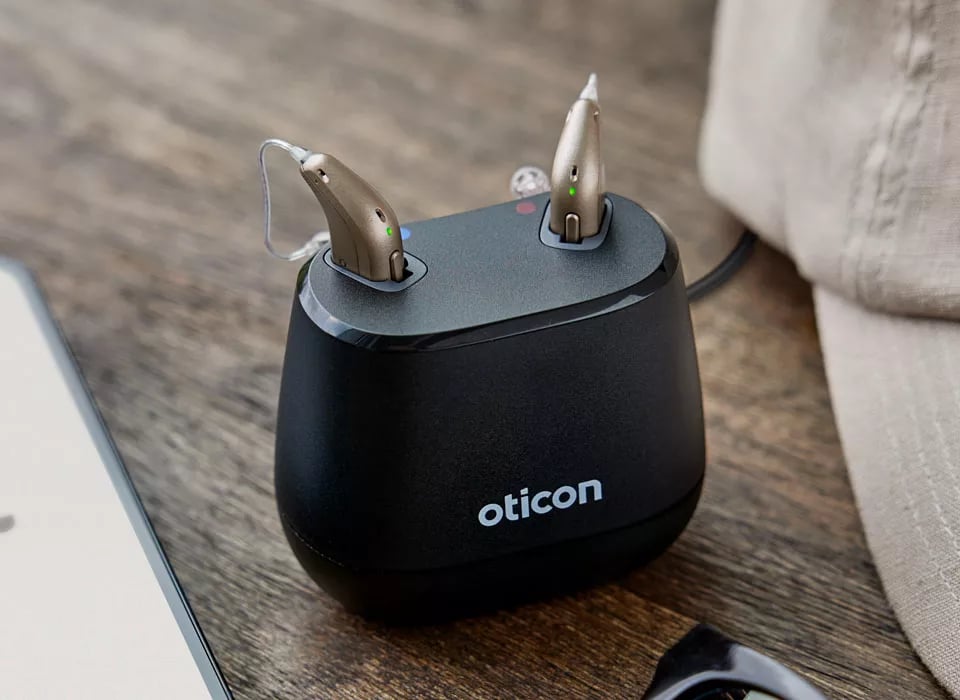
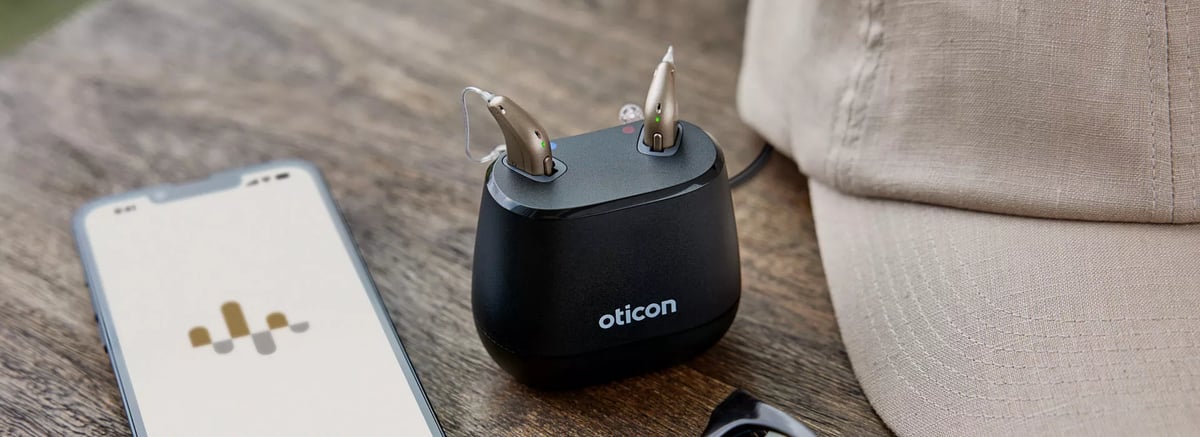
Set up environmental cues. Keep your dehumidifier on your bedside table, next to your watch or phone. Physical proximity creates a reminder. If you use rechargeable hearing aids, some charging cases now include drying functions. That’s one less step to remember.
If you’re active, prepare a moisture management kit for your gym bag or car: a microfibre cloth, a small container of desiccant, a protective case. Having these items on hand lets you address moisture exposure immediately rather than waiting until you get home.
Be honest about your personal risk factors. If you exercise hard, work outdoors, or live in a particularly humid house, you need more protection than someone who spends most of their time in air conditioning. This isn’t about judgment. It’s about matching your protective strategies to your actual exposure.
When to Get Professional Help
Sometimes moisture gets past your defences, and you need professional intervention. Knowing when to call saves you from making minor problems into major repairs.
Contact your audiologist if you notice sudden changes in sound quality after moisture exposure, visible water in the tubing that won’t clear with normal drying, corrosion around battery contacts, or if your devices stop working after humidity exposure.
Audiologists have specialised equipment for dealing with moisture damage: vacuum tools for extracting water from receivers,and professional-grade drying systems. They can also run diagnostic tests to check whether moisture has affected electroacoustic performance, even when the device seems to be working normally.
Don’t delay because you’re embarrassed or worried about costs. This is routine stuff. Audiologists frequently encounter moisture-related issues, especially in humid climates. It’s not carelessness; it’s just living in Sydney. Early intervention usually costs less and is more effective than waiting until the damage becomes serious.
The Bottom Line
Managing moisture is just part of owning hearing aids in Sydney. The climate isn’t going to change, but your habits can protect your devices through countless humid summers.
Know your IP rating, but don’t trust it blindly. Dry your hearing aids every night. Use protective measures that match your lifestyle. Take them out before water activities. Get professional maintenance twice a year. Watch for warning signs. That’s really it.
Consistency matters more than perfection. Even small daily habits compound over time. You’re not just protecting an investment. You’re ensuring reliable access to the sounds that connect you to the people and places you care about. That’s worth a few extra minutes each day.
For personalised advice on moisture management strategies for your hearing aids and lifestyle, contact The Audiology Place. We’re in Forestville, serving Sydney’s Northern Beaches and beyond.