
Good hearing does quiet, constant work in a household. It is how a grandparent follows a grandchild’s story across the dinner table, how a Year 3 student keeps up once the classroom gets noisy, how you catch the platform announcement at Epping station before the doors close. When it slips, the loss is rarely sudden. It shows up as missed punchlines, the television creeping louder week by week, a child who seems to be ignoring instructions. The Audiology Place now runs a clinic in the middle of Epping, at Shop 3, 22 to 28 Cambridge Street, a short drive or train ride from Eastwood, Carlingford, Beecroft, Marsfield, Epping’s schools and the western edge of Ryde. What follows is what we do there, and when it is worth booking in.
The clinic is led by Doctors of Audiology, Dr Signe Steers and Dr Nick Morrison. That qualification is not decoration. A doctorate in audiology means longer clinical training and a deeper diagnostic remit, which matters most when a result is not straightforward and the difference between a temporary blockage and a permanent loss decides what happens next.
Hearing that has to work across languages and generations
Epping, Eastwood and Carlingford are full of homes where more than one language is spoken and more than one generation lives under the same roof. That changes what hearing loss costs a person. Following speech in background noise is harder in a second language than a first, because the brain leans more heavily on catching every sound when it cannot fill the gaps from habit. A grandparent who manages fine in a quiet room with family can be lost at a noisy yum cha table or a school assembly. Untreated hearing loss in that setting reads as withdrawal or confusion when the real problem is a set of ears that stopped delivering the high frequencies where consonants live.
We test and fit with that reality in mind. Speech-in-noise testing tells us how someone copes in the situations that actually matter to them, not just how they perform against a beep in a soundproof booth.
Ear wax removal by microsuction
Ear wax protects the canal, and most of the time it clears on its own. When it builds up and impacts, it brings a blocked or full feeling, muffled hearing, itching, sometimes tinnitus, and feedback or whistling in hearing aids. Cotton buds make it worse. They push the wax deeper and scratch the thin skin of the canal, which is how a simple blockage turns into an infection.
We remove wax by microsuction, the method most ear specialists prefer. Working under a microscope with direct vision, we gently suction the wax out. It is dry, so there is no water syringed into the ear, and it is safe for people with perforated eardrums, grommets or a history of ear infections, the groups for whom old-fashioned syringing is a bad idea. A video otoscope lets you see your own ear canal and eardrum on the screen. Most appointments take 15 to 30 minutes for both ears, and if wax is the problem, the relief is usually immediate. If we find an infection, fluid behind the eardrum or anything that needs a doctor, we tell you plainly and write to your GP.
Children’s hearing from six months
We assess children from six months of age. The test changes with the child rather than the other way around. For babies and toddlers, we use visual reinforcement audiometry, where a sound is paired with a rewarding image so we can read a reliable response from a child too young to raise a hand. From around two and a half we move to play audiometry, which turns the test into a game the child understands. Alongside those we run tympanometry to check the middle ear, and otoacoustic emissions to check the cochlea.
The common villain in early childhood is glue ear, fluid that sits behind the eardrum after colds and dulls sound the way a hand cupped over the ear would. A child living in that muffled world for months can look inattentive, slow to speak or badly behaved when the cause is mechanical and treatable. With so many schools across Epping, Eastwood and Carlingford, we see this pattern often, and it is worth chasing down early. If your child says “what?” a lot, turns the television up, struggles to follow instructions or gets frequent ear infections, a hearing check is a sensible step.
For school-aged children who hear normal tones but still miss speech in a busy room, the question becomes how the brain processes sound rather than whether the ear detects it. That is auditory processing disorder, and we assess it from around seven years of age, with practical classroom strategies for the results.
What a full diagnostic assessment includes
A first adult diagnostic appointment with us runs 60 to 90 minutes. A free screening at a retail chain runs 20 to 30. The gap is not padding. Accuracy up front saves you from a device set to the wrong prescription and months of frustration you blame on yourself.
The core of the assessment is the audiogram, the chart that maps the softest sounds you can hear across the pitch range. We add tympanometry and acoustic reflexes to read the middle ear, speech testing including speech in noise, and otoacoustic emissions to check the health of the cochlea’s outer hair cells. Where it is warranted we test distortion product otoacoustic emissions, a precise measure of cochlear function that is useful for detecting early damage and for monitoring ears exposed to noise or ototoxic medication.
We also offer extended high frequency audiometry, which tests hearing above the standard 8 kHz ceiling, out towards 16 kHz. Damage from noise and from certain drugs often appears there first, before it reaches the frequencies that carry speech. Testing that range gives an early warning that a standard audiogram would miss, which matters for musicians, for people on ototoxic treatment and for anyone who wants the earliest possible read on their hearing.
Tinnitus, and the arrival of Lenire
Tinnitus, the ringing, buzzing or hissing that has no outside source, affects a large share of adults and has long been met with a shrug and “learn to live with it.” The starting point is still a proper assessment, because tinnitus can sit on top of a hearing loss, and treating the loss with well-fitted hearing aids often quietens the ringing on its own. Sound therapy and structured counselling remain the backbone of management.
There is now a device-based option as well. Lenire uses bimodal neuromodulation, pairing sound played through headphones with mild electrical pulses delivered to the tongue, to change how the brain responds to tinnitus. Australia’s Therapeutic Goods Administration approved it on 11 September 2025 and lists it as a Class IIa device for adults aged 18 and over with chronic subjective tinnitus. It is used at home for 30 to 60 minutes a day over a course of at least ten weeks. The Audiology Place is one of a limited number of accredited clinics fitting it in Australia, through both our Forestville and Epping locations.
The evidence is worth stating carefully. A real-world review of 220 patients published in Nature Communications Medicine reported that 91.5 per cent had a clinically meaningful reduction in their tinnitus after twelve weeks. Two things sit behind that figure. It describes people who completed the full course as directed, and “clinically meaningful” has a fixed definition in this research, an improvement of at least seven points on the Tinnitus Handicap Inventory. The results are genuine, but Lenire is not a cure and it does not suit everyone. A large part of what we do before recommending it is work out whether it is likely to help you, which we would rather tell you honestly than sell you a number.
When ordinary sound becomes the problem
Some people are not troubled by phantom sound but by real sound at ordinary levels. Hyperacusis is a reduced tolerance for everyday noise, where a running tap or a busy cafe feels painfully loud. Misophonia is different again, a strong emotional reaction to specific trigger sounds such as chewing or tapping. Both respond to a graded plan that gently rebuilds tolerance, paired with counselling and, where useful, carefully set sound therapy. We assess which one is in play, because the management differs.
Hearing aids, and why independence matters
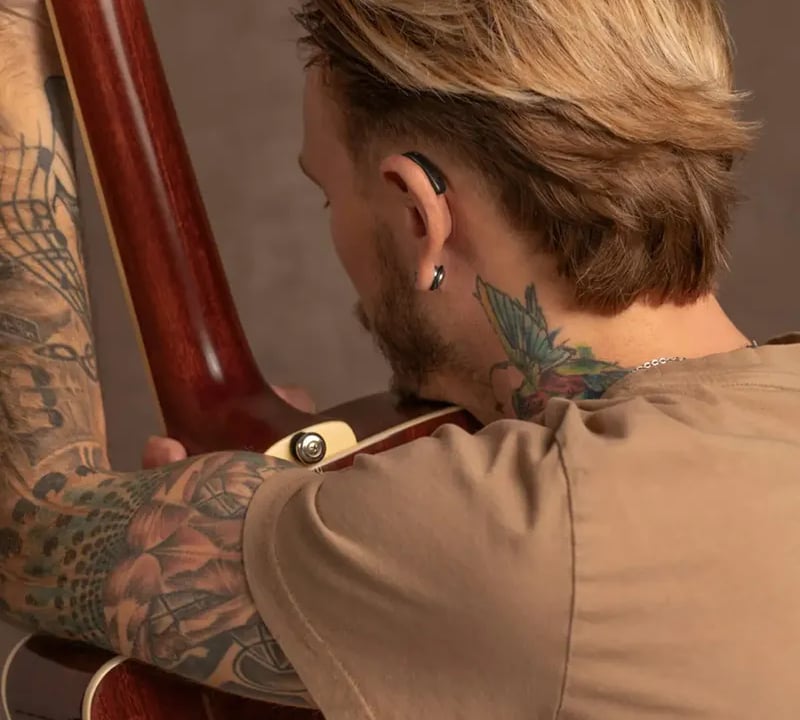
We are an independent clinic. We are not owned by a hearing aid manufacturer and not run by a retail chain, which means we fit every major brand and recommend the one that fits your ears, your listening life and your budget, rather than the one head office wants moved this quarter. In practice that covers Oticon, Phonak, Widex, Signia, ReSound, Starkey and Unitron, across the full range of styles: receiver-in-canal, behind-the-ear, in-the-canal and completely-in-canal, with rechargeable batteries and Bluetooth streaming to phones and televisions where you want them.
Independence is not a small point. A 2025 national survey of 377 Australians found that 62 per cent did not know some hearing clinics are owned by the companies that make the devices they sell. If you have only ever seen a chain, you may never have been offered the full field.
Fitting is where a lot of value is won or lost. We verify every fitting with real ear measurement, which places a fine probe microphone in the canal to confirm the aid delivers your exact prescription at your eardrum, not the manufacturer’s generic average for someone with your audiogram. Two ears the same on paper need different settings in the real world, and only measurement tells you which. We then optimise for speech in noise and coach you through the weeks it takes to adjust.
Paying for it: pensioners, DVA, workers compensation and Medicare
If you hold a pensioner concession card, you are likely eligible for the Australian Government Hearing Services Program, which covers hearing assessments and provides hearing aids either fully subsidised or with a modest top-up for premium technology. Veterans with a Department of Veterans’ Affairs card are eligible on the same program. We can check your eligibility and set out the fully and partly subsidised options before you commit to anything.
If your hearing loss came from noise at work, we conduct the assessment and prepare the reporting needed for a workers compensation claim, including for noise-induced hearing loss.
Medicare sits alongside these rather than replacing them. Since March 2023, you can claim a Medicare rebate on a diagnostic hearing test with a referral from your GP, where previously only an ENT or neurologist referral counted. The referral needs to name the tests required and stay current, and the rebate is partial because the service is not bulk billed. Medicare will cover one hearing test in a 12-month period. It does not fund hearing aids for adults, which is where the Hearing Services Program, private health cover or the NDIS come in depending on your circumstances.
Workplace audiometry and hearing protection
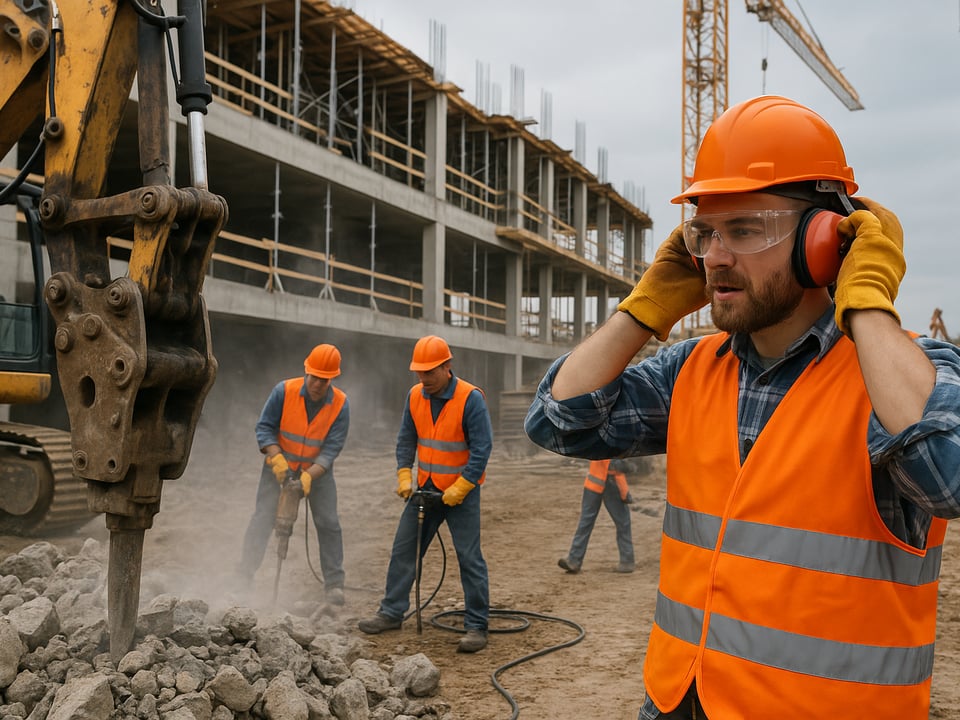
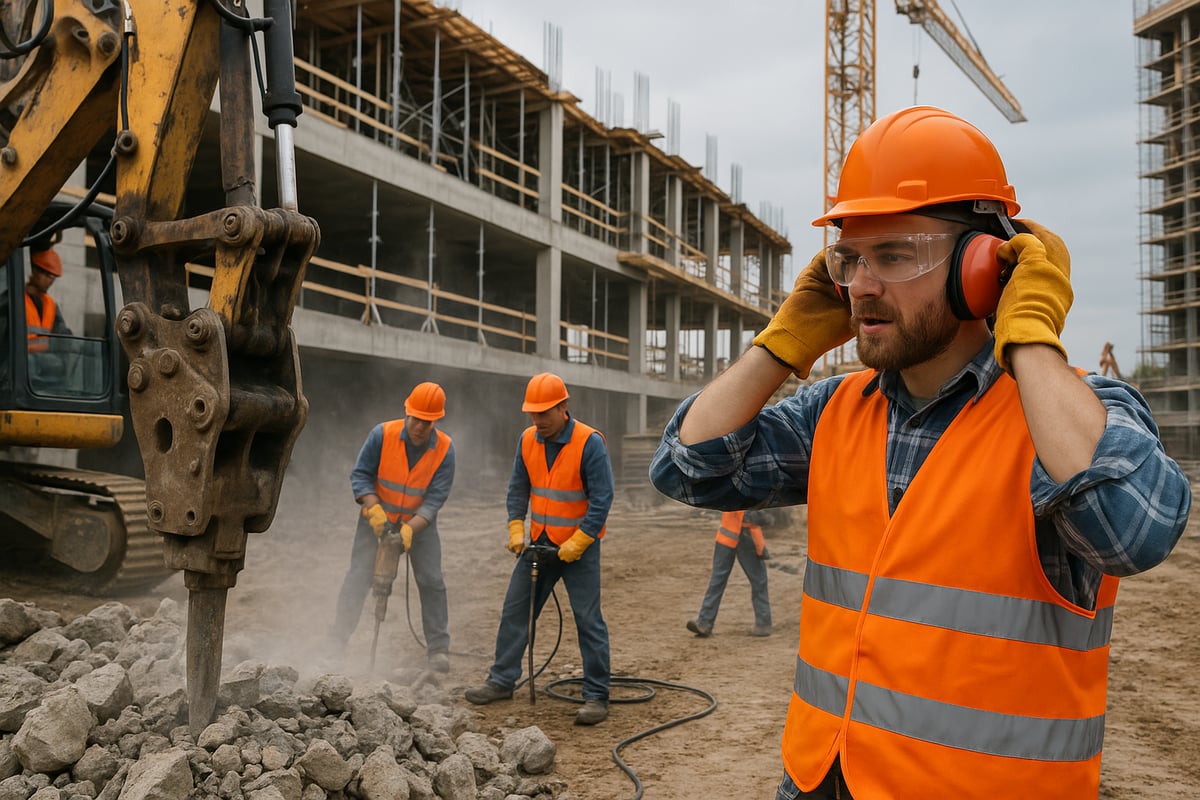
Work health and safety rules require audiometric testing for workers who are regularly required to wear hearing protection, with a baseline test after they start and monitoring at set intervals after that. We run this testing for employers with clear, fast documentation, and we handle pre-employment hearing checks on the same footing.
On the protection side, we make custom ear plugs moulded to the individual ear. Musicians’ plugs cut the overall volume while preserving the sound balance, so a gig or rehearsal comes through faithfully at a safe level rather than muffled. We also make plugs for shift workers who sleep during the day, swim plugs for adults and children, and in-ear monitors and earmoulds for performers.
Frequently asked questions
Do I need a referral to book? No. You can book a hearing test or wax removal directly. A referral only matters if you want to claim the Medicare rebate on a diagnostic assessment, in which case you need one from your GP or a specialist before the appointment.
Does Medicare cover hearing tests? It rebates part of the cost of a diagnostic test when you have a valid GP or specialist referral, for one test per twelve months. It does not cover the full fee, since the service is not bulk billed, and it does not fund hearing aids for adults.
How much do hearing aids cost? Bought privately, entry-level aids run roughly $1,500 to $2,500 a pair, mid-range around $2,500 to $4,500, and premium from about $4,500 up past $7,000. The higher tiers buy better performance in background noise rather than louder sound. If you are eligible for the Hearing Services Program as a pensioner or veteran, aids are fully or largely subsidised.
What is the difference between your assessment and a free screening? Time and independence. Our diagnostic appointment runs 60 to 90 minutes and produces a full clinical picture; a free screening runs 20 to 30 minutes and is designed to move you toward a purchase. As an independent clinic we are not tied to any manufacturer’s range.
Can you help my child? Yes, from six months of age, with tests matched to the child’s age and development.
Is Lenire available here? Yes. We are an accredited Lenire provider, and we assess whether it is a sensible option for you before recommending it.
Our services at Epping
Ear wax removal by dry microsuction, safe for perforations and grommets, with video otoscopy so you can see your own ear canal.
Full diagnostic hearing assessments for adults, including pure-tone and extended high frequency audiometry, speech and speech-in-noise testing, tympanometry, acoustic reflexes and otoacoustic emissions, with clear reports and GP or ENT liaison.
Children’s hearing assessments from six months, using visual reinforcement audiometry, play audiometry, otoacoustic emissions and tympanometry, plus glue ear and recurrent infection pathways and auditory processing disorder assessment for school-aged children.
Hearing aids across all major brands, independently selected, verified with real ear measurement and optimised for speech in noise, with ongoing rehabilitation and support.
Tinnitus assessment and management, including sound therapy, counselling and Lenire bimodal neuromodulation for eligible adults.
Support for hyperacusis and misophonia through graded desensitisation and counselling.
Custom ear plugs and hearing protection for musicians, shift workers, swimmers and performers.
Workplace and pre-employment audiometry, and assessment and reporting for workers compensation claims.
Hearing Services Program services for eligible pensioners and veterans, with guidance on private health and NDIS pathways.
When to book
Book an assessment if you notice a blocked or full ear, one-sided or fluctuating hearing, ringing after a cold, persistent difficulty following conversation in noise, or the sense that listening leaves you more tired than it should. Book for your child if they are missing instructions, turning the television up or getting frequent ear infections. If wax is the cause, you will feel the difference on the day. If it is not, you will leave with a clear picture and a plan.
The Audiology Place, Epping is at Shop 3, 22 to 28 Cambridge Street, Epping. Book online at theaudiologyplace.com.au.