
For many Australians, the outdoors isn’t just a weekend hobby: it’s a way of life. Whether you’re running coastal tracks, surfing the breaks at Freshwater, or simply enjoying a Saturday morning walk to Manly Beach, your hearing aids need to keep pace with your lifestyle. Yet traditional hearing device marketing often focuses on quiet café conversations and family dinners, leaving active individuals wondering whether their investment will survive real-world conditions.
The good news is that modern hearing technology has evolved dramatically to meet the demands of outdoor enthusiasts. Understanding the technical specifications, practical features, and ongoing care requirements will help you make an informed choice that supports both your hearing health and your active pursuits.
Understanding IP Ratings: More Than Marketing Jargon
When researching hearing aids for active lifestyles, you’ll frequently encounter IP (Ingress Protection) ratings, but what do these numbers actually mean for your daily life?
An IP rating consists of two digits. The first indicates protection against solid particles (dust, sand), whilst the second measures resistance to liquids. An IP68 rating, the highest you’ll commonly see on hearing aids, means the device is dust-tight and protected against continuous immersion under test conditions set by the manufacturer, which must be tougher than the IPX7 test of immersion to one metre for 30 minutes.
However, it’s crucial to understand the practical limitations of these ratings. IP68 hearing aids are designed to survive sweat, rain, and accidental water exposure: they are not purpose-built for swimming or diving. The rating tests use fresh water at specific temperatures and pressures; saltwater, chlorinated pools, and hot shower steam can behave quite differently. Additionally, the warranty implications of deliberate water immersion vary significantly between manufacturers, a point we’ll return to later.
For Northern Beaches residents who spend considerable time near the ocean, an IP68 rating provides substantial peace of mind. Your devices can withstand the spray from a surf session you’re watching from the sand, the inevitable perspiration from a Manly to Spit Bridge walk, or an unexpected summer downpour. They’re not, however, designed to be worn whilst actually swimming or surfing: more on that shortly.
Wind Noise Management: Engineering Solutions for Coastal Living
Wind noise represents one of the most persistent challenges for hearing aid users in outdoor environments. Unlike background café chatter or traffic noise, wind creates turbulent air pressure changes across the hearing aid microphones, resulting in a rumbling, distorting interference that can make conversation impossible and outdoor activities frustrating.
Contemporary premium hearing aids employ sophisticated wind management algorithms that detect and suppress this interference. These systems use multiple microphones to identify wind-specific acoustic patterns, then selectively reduce gain in affected frequency ranges whilst preserving speech information from less turbulent microphones. The more advanced systems are increasingly good at telling wind noise apart from other sounds. Our article on which hearing aids handle wind best compares the approaches.
During your hearing aid fitting at a qualified audiology clinic, wind noise reduction settings can be customised to your specific environments. Real ear measurement (REM) checks that your underlying amplification is right in your actual ear canal; wind settings are then fine-tuned from your real-world feedback, because overly aggressive wind suppression can muffle the very sounds you want to hear.
Different manufacturers take varied approaches to physical wind protection as well. Some devices feature recessed microphone ports or protective wind screens that reduce turbulent air reaching the microphones. The microphone placement, whether on top of the hearing aid or facing forward, also influences wind susceptibility. An experienced audiologist can guide you through these design considerations based on your specific activities and environments.
Physical Security: Retention Options for Active Use
Even the most technologically advanced hearing aid provides little benefit if it ends up lost in the surf or buried in the sand. Physical retention becomes paramount for active lifestyles, yet it’s an aspect many people overlook until after a near-miss incident.
Retention solutions include
- Purpose-designed sport sleeves that wrap around the hearing aid and secure over the ear
- Hearing aid retention cords (similar to glasses straps) that clip to clothing
- Custom earmould modifications with deeper canal length or retention features
- Headbands or athletic sweatbands that provide additional security
- Specialised sport clips designed by individual manufacturers
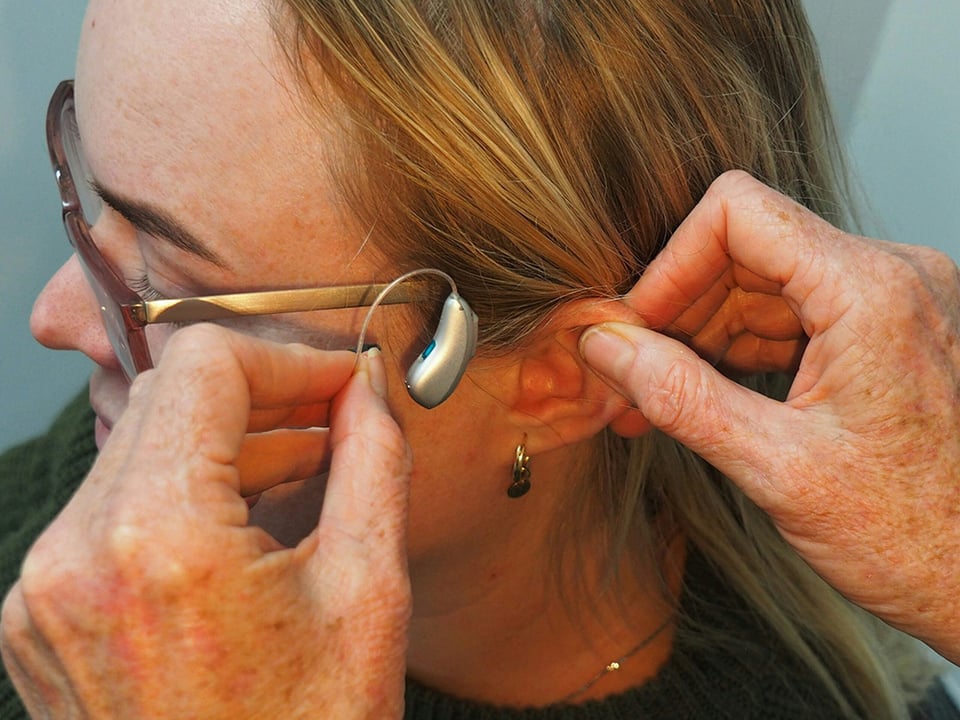
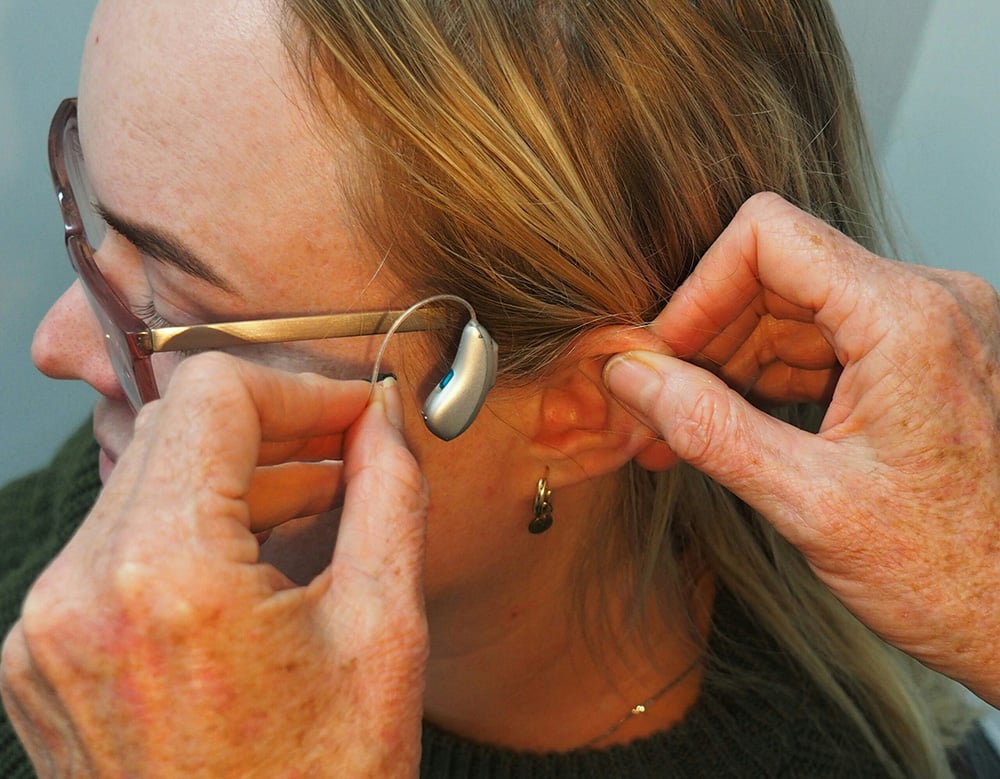
For those with behind-the-ear (BTE) or receiver-in-canal (RIC) style devices, the most common modern configurations, aftermarket sport sleeves prove remarkably effective. These soft silicone accessories are inexpensive and provide extra retention along with some moisture protection. Many active patients find them useful for jogging, cycling, or any activity with sudden head movements.
Custom earmoulds, whilst more expensive initially, offer superior retention compared to standard domes, particularly for vigorous activity. The additional investment often proves worthwhile for serious athletes or water sports enthusiasts who spend significant time near water but not in it.
Moisture Management: Daily Care for Longevity
Despite impressive IP ratings, moisture remains a major threat to hearing aid longevity. Sweat is particularly corrosive due to its salt content and acidic pH, creating an environment conducive to contact corrosion and component degradation over time.
Establishing a consistent moisture management routine significantly extends device lifespan and reduces repair costs. After outdoor activities, remove your hearing aids and wipe them down with a soft, dry cloth: never use tissues, which can leave fibres in the microphone ports. Leave the battery doors open overnight on devices with replaceable batteries, and follow the manufacturer’s advice for drying rechargeable devices before charging. Our guide to moisture and hearing aids has more detail.
Electronic drying stations and UV sanitising boxes provide additional protection, particularly valuable in humid coastal climates. These devices use gentle heat and desiccants to draw moisture from internal components whilst UV light provides antimicrobial benefits. Whilst not essential for everyone, they represent sound preventive maintenance for those regularly exposed to heavy perspiration or moisture.
Desiccant-based drying containers offer a simpler, more affordable alternative. These passive systems use silica gel or similar desiccants to absorb moisture overnight. Replace or recharge the desiccant regularly according to the indicator provided, as saturated desiccants lose effectiveness.
Guidance for Surfers and Swimmers
This question comes up often at our Forestville clinic on the Northern Beaches: can I surf or swim whilst wearing my hearing aids? The straightforward answer is that even IP68-rated hearing aids are not designed for full water immersion during swimming or surfing, despite their impressive water resistance.
Several factors explain this recommendation. First, the dynamic pressure changes from diving under waves or swimming laps differ substantially from the static immersion used in IP testing. Second, saltwater and chlorine are significantly more corrosive than the fresh water used in certification tests. Third, and perhaps most importantly, warranty coverage typically excludes water damage from deliberate immersion, even with IP68-rated devices. Our article on hearing aids and swimming covers this in more depth.
For water sports enthusiasts, several practical approaches exist:
Remove your hearing aids before entering the water and store them safely in a waterproof case or container well away from the water’s edge. This protects both the devices and ensures they’re available immediately upon exiting. Some patients keep a small dry bag in their beach equipment specifically for this purpose.
For situations where you need some hearing ability whilst near or in water, perhaps teaching children to swim or participating in group water activities, speak with your audiologist about older or backup devices that you’d be willing to risk, or investigate purpose-built waterproof communication devices designed specifically for aquatic environments. These aren’t hearing aids in the medical sense, but they can provide amplification during water activities without risking your primary devices.
Bone conduction swimming headphones represent another option for music or podcasts whilst swimming, though they don’t replace properly fitted hearing aids for speech understanding or hearing rehabilitation.
Warranty Considerations and Realistic Expectations
Hearing aid warranties vary between manufacturers and providers. Most cover manufacturing defects for a set period, and some include a one-off replacement for loss or damage. However, the fine print regarding water damage varies considerably between manufacturers and warranty tiers.
Most warranties cover damage from rain, sweat, or accidental brief water exposure: scenarios the IP rating was designed to handle. They typically exclude damage from deliberate water immersion (swimming, showering, diving), exposure to extreme temperatures (saunas, very hot cars), or chemical exposure. Some premium warranty packages offer more generous coverage, but these come at additional cost.
Understanding these limitations before purchase allows realistic expectation-setting. An IP68 rating means you can confidently wear your devices during outdoor activities without constantly worrying about weather or perspiration: it does not mean the devices are indestructible or suitable for all environments.
The Role of Professional Follow-Up Care
The most robustly built hearing aid will underperform if not properly programmed and maintained. Regular follow-up appointments, typically every six to twelve months, allow your audiologist to clean and inspect devices, update software, and adjust settings based on your real-world experiences.
These appointments provide opportunities to discuss specific challenging situations you’ve encountered, whether that’s wind noise during cycling, retention concerns during running, or any other lifestyle-specific issues. Evidence-based adjustments using REM verification ensure changes improve rather than compromise your hearing outcomes.
Brand-agnostic audiology clinics can provide objective advice across manufacturers, helping you navigate the sometimes-bewildering array of options without sales pressure towards particular brands or models. This independence proves particularly valuable when considering the significant investment hearing aids represent.
Making an Informed Choice
Selecting hearing aids suited to an active outdoor lifestyle requires balancing technical specifications with practical features and realistic care commitments. An IP68 rating provides essential protection for active Australians, whilst wind management technology and physical retention options ensure devices remain functional and secure during your favourite activities.
The most sophisticated technology, however, cannot replace proper professional care. Comprehensive hearing assessment, REM-verified fitting, and ongoing follow-up appointments form the foundation of successful hearing rehabilitation, regardless of how impressive the device specifications appear.
For Northern Beaches residents and all Australians pursuing active lifestyles, modern hearing aids can genuinely keep pace with your outdoor pursuits: provided you understand their capabilities, limitations, and care requirements. The investment in appropriate technology and professional care delivers not just better hearing, but the confidence to maintain the lifestyle you value.
Ready to discuss hearing solutions suited to your active lifestyle? Contact The Audiology Place in Epping or Forestville to book a comprehensive hearing assessment. Our independent, evidence-based approach ensures you receive recommendations based solely on your hearing needs and lifestyle requirements.