Yes, hearing aids can work very well for severe hearing loss, but you need power or super-power devices, realistic expectations about speech understanding, and proper fitting with real-ear measurement. If more volume seems to make speech less clear, read about cochlear dead regions. For profound hearing loss, hearing aids offer more limited benefit, and most people in this range should at least be assessed for a cochlear implant. The honest answer depends less on your audiogram and more on how long you’ve had the loss and whether your brain can still make sense of amplified sound.
In nearly 20 years of fitting hearing aids for severe and profound losses, the question I’m asked most often isn’t “will I hear?” but “will I understand?” That’s the right question. Audiograms measure detection: whether sound reaches your ear. They don’t measure comprehension, which happens in your brain. Someone with a severe loss who’s been well aided for years can do better than someone with a moderate loss who’s avoided treatment for a decade. How long the loss has gone untreated matters a great deal.
What “Severe” and “Profound” Actually Mean
Audiologists classify hearing loss by the average threshold across the speech frequencies. Exact cut-offs differ between classification systems, but with a severe loss you won’t hear normal conversational speech unaided. You might detect a lawnmower or a door slamming, but words are largely inaccessible without amplification.
Profound hearing loss is the most severe category. This is the range where even power hearing aids struggle to deliver enough gain without feedback, and where cochlear implants often outperform traditional amplification. If your audiogram shows thresholds in the profound range across most frequencies, your audiologist should be discussing implant candidacy, not just which hearing aid to trial.
As hearing loss becomes more severe, speech understanding with hearing aids generally falls, and it varies a great deal between individuals. Noise makes the gap larger. That isn’t a hearing aid failure: it reflects the limits of acoustic amplification when the cochlea is severely damaged.
Power Hearing Aids: What They Can and Can’t Do
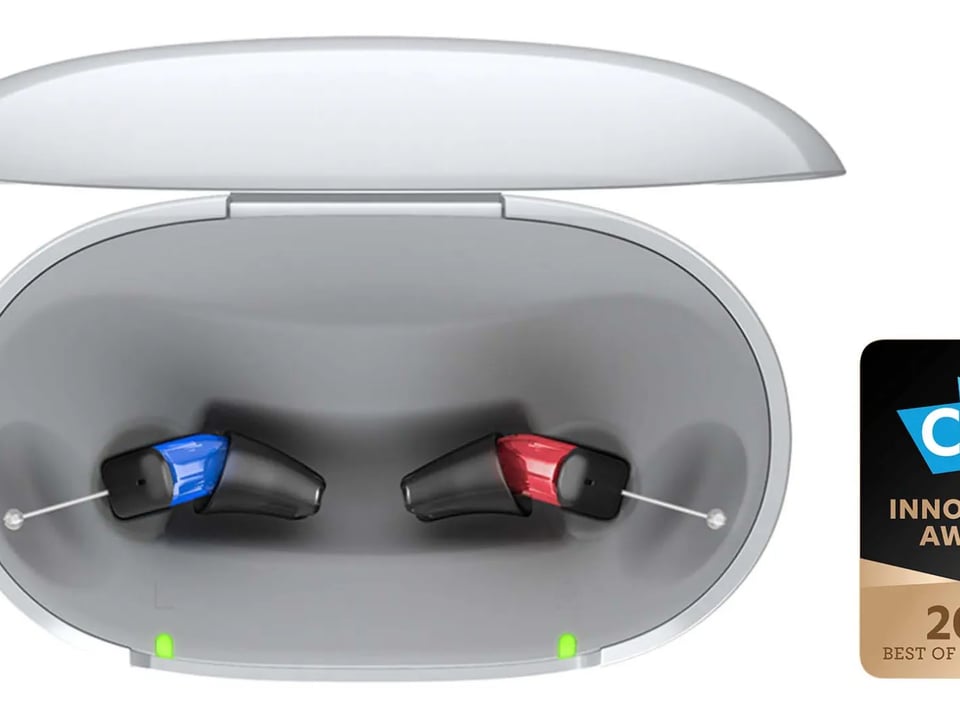
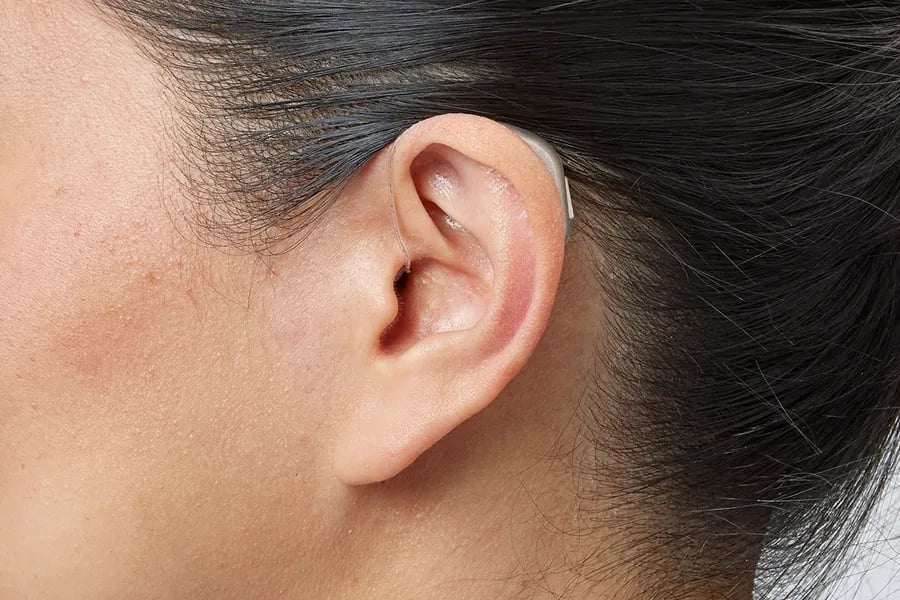
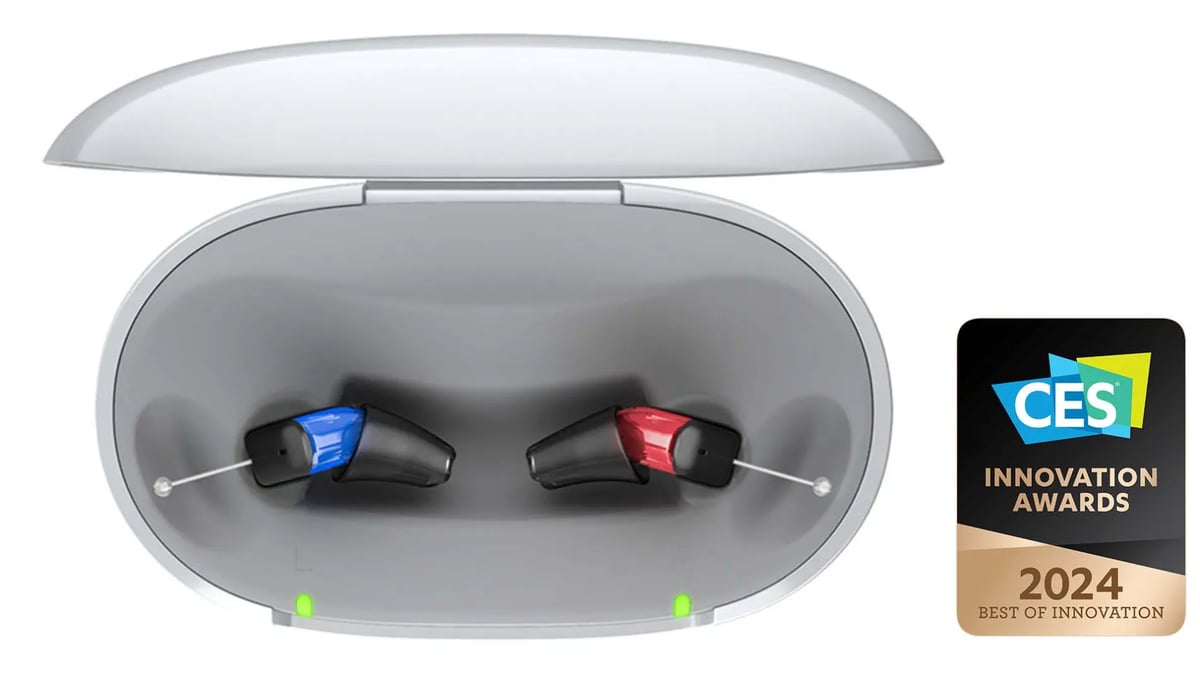
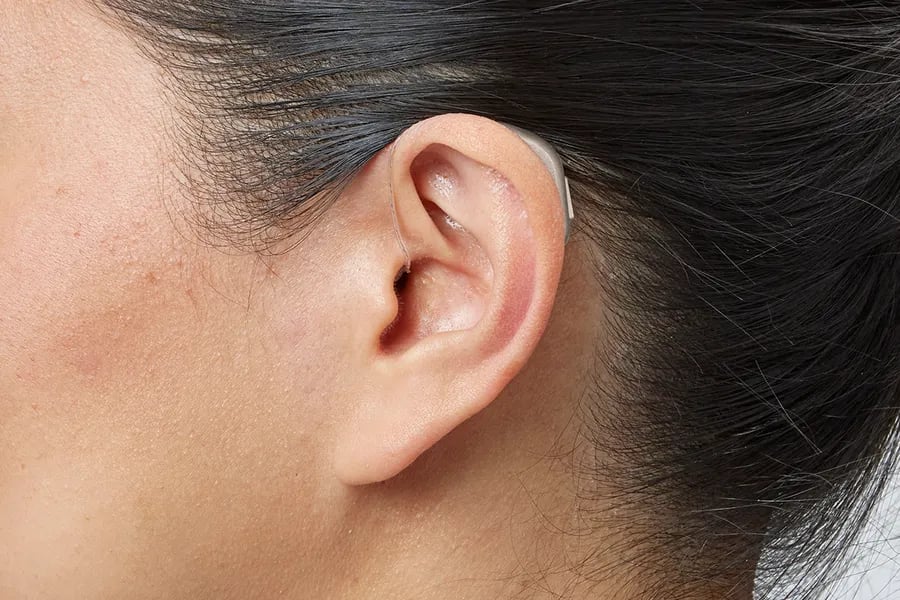
Power and super-power hearing aids are purpose-built for severe loss. They deliver high gain with low distortion, use larger receivers that can handle intense output, and incorporate aggressive feedback management to stop the squealing that plagues undertreated severe losses. Most major manufacturers make power and super-power models, and good outcomes are possible across brands when the fitting is done properly.
The critical step isn’t choosing the device: it’s verification. Real-ear measurement (REM) is non-negotiable for severe losses. Without REM, you’re guessing whether the aid is delivering prescribed gain at each frequency. It’s not unusual to see people who were told “hearing aids don’t work for you” when the real problem was under-amplification in key speech frequencies. For severe losses, even small deviations from target can mean the difference between following a conversation and catching every third word.
Equally important is speech-in-noise testing during the trial period. Pure tone thresholds tell me your detection ability. Speech audiometry in quiet (testing with words or sentences at a comfortable level) gives a baseline for comprehension. But real life happens in noise, so I’m also measuring how you perform with background babble. Your results in noise help predict how you’ll manage in groups, restaurants and other challenging environments, and whether extras such as a remote microphone are worthwhile.
When Hearing Aids Aren’t Enough: Cochlear Implant Criteria
There’s no single cut-off for a cochlear implant. Implant teams look at the degree of hearing loss, how well you understand speech with well-fitted hearing aids, medical and imaging findings, and your goals. In general, an implant assessment is worth considering when you have a severe to profound loss and still struggle to understand speech with properly fitted hearing aids. Candidacy has broadened over time, so people who were told years ago that they weren’t candidates may be worth reassessing.
If you have profound loss, especially if it’s been present since childhood or for many years, speech understanding with hearing aids is often poor, and an implant assessment is worth discussing. The assessment process involves aided and unaided audiometry, speech testing, imaging, and discussions with the implant team about outcomes and rehabilitation.
For many adults with severe to profound loss, implants give considerably better speech understanding than hearing aids, although results vary from person to person. For the right candidate, that difference is life-changing.
The Role of Auditory Deprivation
Here’s the part that no one wants to hear: if you’ve had severe untreated hearing loss for years, your outcomes with hearing aids (or implants, for that matter) tend to be poorer than for someone who acted quickly. Auditory deprivation is real. Your auditory cortex reorganises when it’s starved of input. The neural pathways that process speech degrade. Re-training them takes time, and sometimes the window has partially closed.
Some people with long-standing untreated profound loss gain little speech understanding from even the most powerful devices. They detect sound, and environmental awareness and safety improve, but speech remains hard to make out. Someone who lost their hearing suddenly and was treated within months often does much better, because the brain still remembers how to decode speech.
This isn’t about blame. It’s biology. But it’s also why I push back hard when people say “I’ll wait until I really need them.” If you’re in the severe range and waiting, you’re closing doors.
Hybrid Approaches and Bimodal Stimulation
For asymmetric losses, or profound loss in one ear with severe loss in the other, bimodal fitting (a cochlear implant on one side and a hearing aid on the other) often outperforms either device alone. The hearing aid preserves low-frequency acoustic information and provides some spatial cues, while the implant carries the high-frequency speech detail. Studies of bimodal users have generally found better speech understanding in noise and better sound quality than with an implant alone.
This matters in practice. If you’re considering an implant but still get some benefit from an aid in the other ear, keep the aid. Don’t assume the implant will do everything.
What to Expect at Assessment
If you come in with severe or profound loss, here’s what the appointment involves:
- Comprehensive pure tone audiometry including bone conduction to confirm the loss is sensorineural
- Speech audiometry in quiet, both unaided and (if you already have aids) aided
- Tympanometry and acoustic reflexes to rule out middle ear pathology
- Discussion of medical history, particularly anything that might influence candidacy for amplification or implantation
- If you’re currently unaided, a trial with power devices using REM verification
- If aided outcomes are poor, referral for cochlear implant assessment
We fit hearing aids when they’ll help, and refer for implant assessment when they won’t. For profound losses, that often means a conversation about implants at the first appointment.
The Bottom Line
Severe hearing loss responds well to power hearing aids, provided the fitting is competent and expectations are realistic. You’ll hear and understand significantly better, especially in quiet and moderate noise, though challenging environments will still be challenging. Profound hearing loss is a different story. Aids help with environmental sound and safety, but speech understanding is often poor, and cochlear implants should be on the table.
If you’re in the severe-to-profound range and haven’t had a proper assessment, including speech testing with modern power devices, book a comprehensive appointment at our Epping or Forestville clinic. If you’ve been told “nothing will help,” get a second opinion, ideally at a clinic that can refer for implant assessment without a financial conflict of interest.