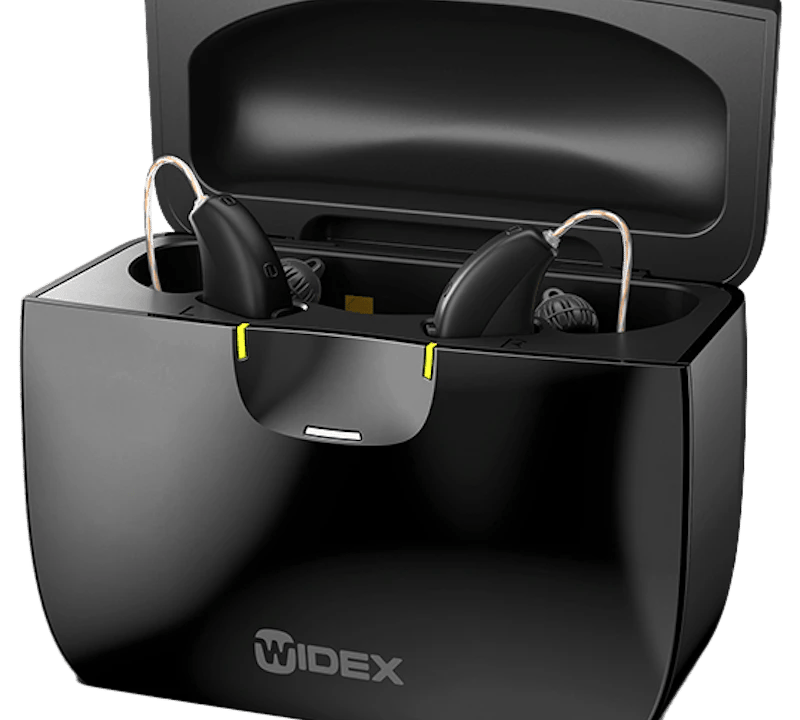

You can buy hearing aids online now. A few clicks, a fraction of the price, delivered to your door. For a medical device that treats a progressive health condition, that’s either a breakthrough or a disaster waiting to happen.
Honestly? It depends on two things most first-time buyers underestimate: proper fitting and ongoing follow-up care. These aren’t optional extras tacked on to justify a higher price tag. They’re what separates “this changed my life” from “$6,000 sitting in a drawer.”
Why People Buy Hearing Aids Online (And It Makes Sense on Paper)
The pitch is compelling. Lower prices. Home delivery. Skip the clinic appointments. For Australians on fixed incomes, the savings can run into thousands of dollars compared to buying through an audiologist.
Online platforms have gotten sophisticated too. Questionnaires match you with devices. Apps handle remote programming. Some offer telehealth consultations. The technology genuinely has come a long way, and people with straightforward hearing loss and a knack for technology can get reasonable results this way.
But what looks convenient on the surface hides some serious gaps in the care process. Gaps that determine whether your hearing aids actually work for you or collect dust.
What You Miss Without Real Ear Measurement (REM)
Here’s the single biggest thing missing from almost every online hearing aid purchase: Real Ear Measurement, also called probe microphone measurement.
During REM, your audiologist places a thin tube in your ear canal while you’re wearing your hearing aids. This measures exactly what sound is reaching your eardrum. Not what the software predicts. What’s actually happening in your specific ear.
Why does that matter? Because your ears are yours. Two people with identical hearing tests can need completely different hearing aid settings. Ear canal volume, shape, resonance characteristics vary wildly from person to person. Without REM, your hearing aids run on manufacturer defaults based on statistical averages. It’s a guess. An educated guess, sure. But still a guess.
The research is clear on this. Hearing aids fitted without REM verification miss prescriptive targets more often, leading to worse speech understanding, lower satisfaction, and higher abandonment rates. Audiology Australia’s best-practice guidelines recommend REM as standard for every fitting. You simply cannot replicate this step through an online-only model.
And it’s not just REM you’re missing. A proper diagnostic assessment includes tympanometry to check middle ear function. That can detect conditions such as otosclerosis or chronic middle ear infections that require medical treatment, not a hearing aid. Speech-in-noise testing shows how your auditory system handles real-world complexity, which shapes device selection and sets realistic expectations about what hearing aids can and can’t do.
When Hearing Loss Is a Warning Sign (Not Just an Inconvenience)
Not all hearing loss is just “getting older.” Sometimes it indicates a condition that requires urgent medical attention.
Sudden hearing loss. A big difference between your ears. Hearing changes paired with dizziness or tinnitus. Hearing trouble after a head injury. All of these require proper investigation before anyone fits you with hearing aids.
A qualified audiologist is trained to spot these red flags and will send you to an ENT specialist when needed. Online purchasing pathways lack this clinical oversight. Some platforms include screening questions, but a checklist can’t replace professional judgement, face-to-face assessment, and examination of the ears with an otoscope.
The TGA regulates hearing aids as medical devices in Australia, but enforcement gets patchy with online sellers, especially overseas ones. Warranty claims, product recalls, after-sales support all get complicated when you’re dealing with international suppliers. If something goes wrong, you might have nowhere to turn.
Follow-Up Care: Where Online Hearing Aids Fall Apart
Even a perfectly fitted hearing aid needs tweaking over time. Your brain has to re-learn how to process amplified sound after years of gradual hearing loss. Those initial settings that seemed right in the first week? They’ll almost certainly need refinement once you’re out in the real world trying to hear conversations in restaurants, follow meetings at work, or catch what your grandkids are saying.
This adjustment period runs several months, and regular follow-up appointments make a measurable difference. An experienced audiologist makes incremental changes based on your feedback. Fine-tuning frequencies, adjusting compression, dialling noise reduction up or down. Each adjustment verified with REM, not guesswork.
Remote programming exists. It works, technically. But describing what you’re hearing over a video call or through a message lacks the detail of sitting in a room with someone who can test and measure the results of every change they make.
Then there’s the practical stuff. Cleaning. Wax management. Battery and charging problems. Fit issues. General wear and tear. These hands-on elements are hard to sort out remotely, particularly for older users or anyone with dexterity challenges.
Trial Periods: Read the Fine Print Before You Celebrate
Online retailers love advertising 30 to 90-day trial periods with money-back guarantees. Sounds great. The details, less so.
Return shipping to overseas suppliers costs real money. Restocking fees pop up in the terms and conditions. Refund processing can drag on.
The bigger problem? A trial period without professional support often isn’t enough time for proper adjustment. You might return hearing aids not because they’re wrong for you, but because nobody set them up properly. You wouldn’t necessarily know the difference.
In-clinic trials include multiple adjustment appointments, REM verification at each stage, and professional guidance throughout. You’re not just testing devices. You’re actively optimising them under expert supervision. That dramatically shifts the odds in your favour.
What You Actually Get With Professional Hearing Aid Fitting
When you compare the real cost of online versus in-clinic, look at what’s included in each. Professional audiological care covers:
- Full diagnostic assessment: otoscopy, tympanometry, pure tone audiometry, speech testing
- Medical screening and referral when something needs investigating
- Device selection based on your actual hearing profile and daily life, not an algorithm
- Real Ear Measurement verification at initial fitting
- Multiple follow-up appointments during the adjustment period
- Ongoing support for the life of your hearing aids: cleaning, maintenance, troubleshooting
- Regular re-verification as your hearing changes over time
- Access to assistive listening technology and rehabilitation programs like LACE auditory training
- Local warranty support and repairs
That’s not just hardware. It’s the entire process of getting you hearing well again. Successful hearing aid use depends as much on professional support and education as it does on the technology in your ears.
How We Do Things at The Audiology Place
At The Audiology Place, we’re an independent audiology clinic. That means we’re not owned by a hearing aid manufacturer. We don’t have sales quotas. Nobody’s pushing us toward a particular brand. When we recommend a hearing aid, it’s because the evidence says it’s right for your ears and your life. Full stop.
Every fitting includes Real Ear Measurement. We won’t skip it. We consider it the bare minimum for doing the job properly.
Pricing is upfront and transparent. No hidden fees. Follow-up care is included in your investment, not billed separately every time you need an adjustment.
We also know that cost matters. For many Australians, it matters a lot. We’re happy to talk through payment plans and finance options that make quality hearing care accessible without cutting corners on clinical standards.
Frequently Asked Questions
Is it safe to buy hearing aids online in Australia?
It can be, depending on the supplier. The risk isn’t necessarily the devices themselves. Many online retailers sell quality products from reputable manufacturers. The risk is what’s missing: proper diagnostic testing to rule out medical causes, Real Ear Measurement to verify the fit, and ongoing professional support to optimise performance over time. The TGA regulates hearing aids as medical devices, but enforcement with overseas online sellers can be inconsistent.
Are online hearing aids cheaper than buying from an audiologist?
The sticker price is often lower, yes. Sometimes significantly. But the comparison isn’t apples to apples. Online prices typically cover the device and basic remote setup. Audiologist pricing includes full diagnostic testing, device selection, REM-verified fitting, multiple follow-up appointments, and ongoing support. When you factor in the higher abandonment rate of poorly fitted devices, the “savings” can become the most expensive purchase you never use.
What is Real Ear Measurement and why can’t it be done remotely?
Real Ear Measurement involves placing a tiny probe microphone in your ear canal alongside your hearing aid. It measures the actual sound levels reaching your eardrum, allowing your audiologist to verify and adjust the device to match your specific prescription. Every ear canal is different in size, shape, and acoustic properties. REM requires specialised equipment and physical access to your ear, which is why it can’t be done through an app or video call.
How many follow-up appointments do I need after getting hearing aids?
Most people benefit from 3 to 6 follow-up appointments in the first year, though this varies with individual needs. The brain takes time to adjust to amplified sound, and real-world listening situations reveal issues that initial fitting can’t predict. At The Audiology Place, follow-up appointments are included in your hearing aid investment.
Can I get my online-purchased hearing aids properly fitted at a clinic?
Some clinics will fit and program hearing aids purchased elsewhere, though policies vary. Be aware this service is usually charged separately and may not include the same level of ongoing support as devices purchased through the clinic. At The Audiology Place, we’re happy to discuss your options regardless of where you purchased your devices.
What should I look for if I decide to buy hearing aids online?
Check that the retailer sells TGA-registered devices from established manufacturers. Look for a clear returns policy with reasonable terms. Verify what support is included and whether you’ll have access to a qualified audiologist (not just a customer service representative) for programming and adjustments. Most importantly, get a proper hearing assessment from a qualified audiologist before purchasing, so you know exactly what you’re treating.
How do I know if my hearing loss needs medical investigation before getting hearing aids?
Certain patterns of hearing loss need medical attention first. These include sudden onset hearing loss, significant differences between ears, hearing loss with dizziness or vertigo, pulsatile tinnitus (hearing your heartbeat), pain or discharge from the ear, and hearing changes after head trauma. A qualified audiologist screens for these during assessment and will refer you to an ENT specialist when needed.