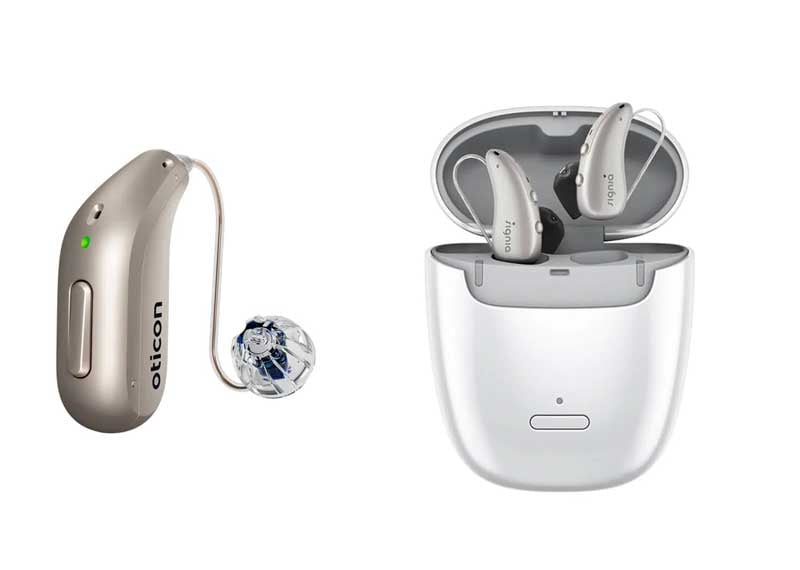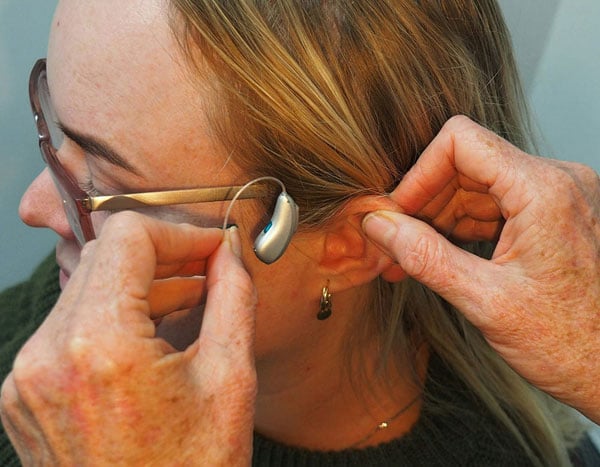

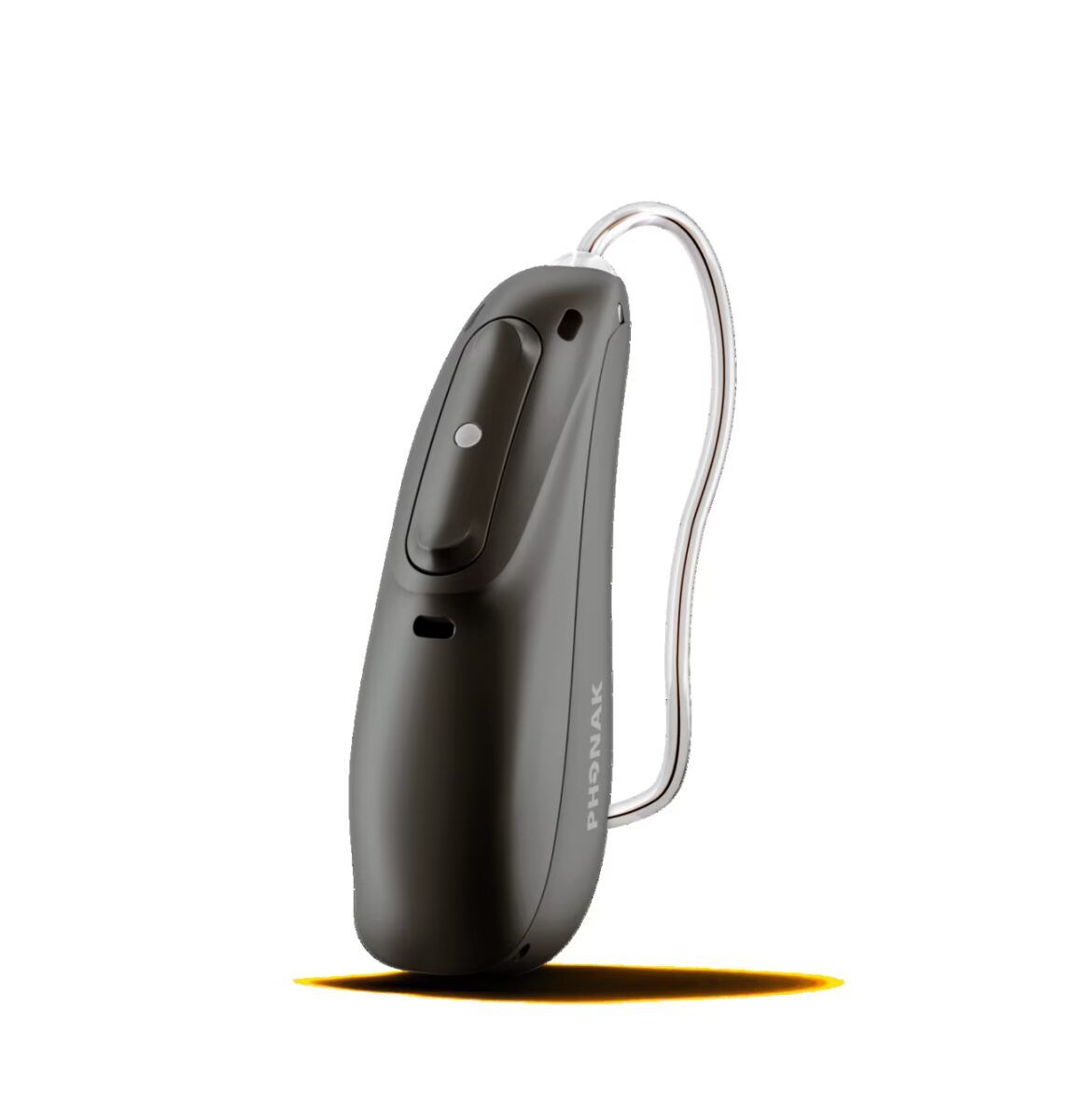
Choosing a hearing aid can feel overwhelming. Walk into any audiology clinic, and you’ll encounter a bewildering array of brands—Oticon, Phonak, Widex, Signia, Starkey, and more—each claiming to offer the best technology. You might find yourself wondering: *Is one brand genuinely superior to another? Should I choose based on brand reputation, or is there something more important I should consider?*
The truth is more nuanced than most marketing materials suggest. While hearing aid brands differ in their design philosophies and feature sets, the correct device for you depends less on brand prestige and more on how well it matches your specific hearing loss and lifestyle needs, and on how expertly it’s fitted and programmed. This guide will help you understand what genuinely matters when comparing hearing aid brands, and why independent, needs-based audiology produces better outcomes than brand loyalty.
Understanding the Major Hearing Aid Brands
The hearing aid industry is dominated by a handful of manufacturers, each with distinct technological approaches and design philosophies. Understanding these differences can help you have more informed conversations with your audiologist, but remember: these are starting points for discussion, not definitive answers about what you should wear.
Oticon: The Brain-First Approach
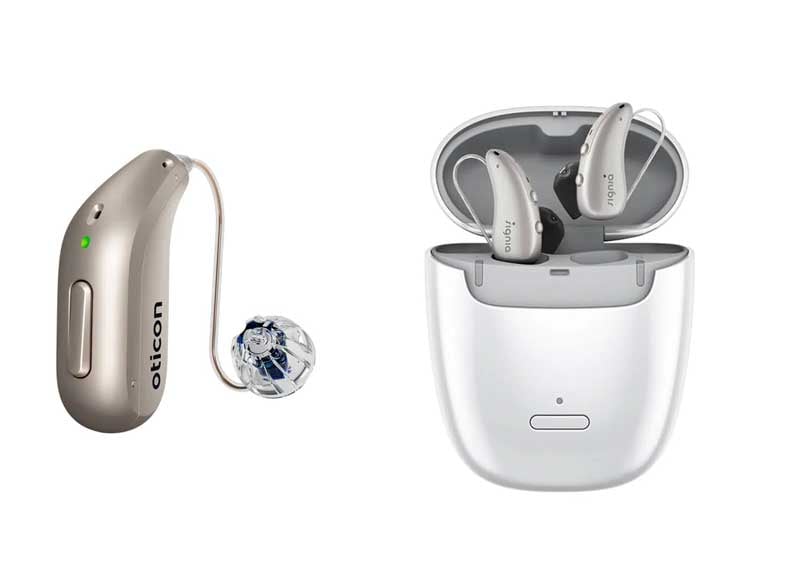
Oticon has built its recent reputation around what it calls “BrainHearing” technology. Their philosophy centres on delivering a fuller sound scene to your brain rather than aggressively filtering and suppressing background noise. The Oticon More and Oticon Real platforms use deep neural network processing trained on millions of real-world sounds, aiming to preserve the natural soundscape while still providing clarity.
This approach tends to suit people who want to remain aware of their complete acoustic environment—those who find overly processed sound unnatural or who thrive in dynamic social settings where conversation moves between multiple speakers. Oticon devices generally offer excellent connectivity features, and their smartphone app provides substantial user control over program settings.
Phonak: Universal Connectivity and Automatic Performance
Swiss manufacturer Phonak prioritise ease of use and universal compatibility. Their AutoSense operating system automatically adjusts to different listening environments without requiring manual program changes—a feature that appeals to those who prefer “set and forget” devices.
Phonak’s standout strength lies in connectivity. Their hearing aids can connect simultaneously to multiple Bluetooth devices and are compatible with both Apple and Android phones without requiring intermediary streaming devices. For professionals who move between phone calls, video conferences, and in-person meetings throughout their day, this seamless connectivity proves invaluable. The Roger wireless microphone system, also by Phonak, remains the gold standard for understanding speech in very challenging noise environments.
Widex: Natural Sound and Music Appreciation
Danish company Widex has cultivated a reputation for exceptionally natural sound quality and has historically appealed to musicians and audiophiles. Their PureSound technology processes sound with minimal delay, creating a more organic listening experience. This can be particularly important for people with mild-to-moderate hearing loss who retain some natural hearing, as reduced processing minimises the artificial quality that some users find objectionable.
Widex devices also feature sophisticated tinnitus management programs, making them worth considering if ringing in the ears is part of your clinical picture. Their SoundSense technology allows users to guide the hearing aid’s sound via A/B comparisons on a smartphone and create personalised programs without requiring an office visit for every adjustment.
Signia: Conversation Focus and Discreet Design
Signia (formerly emphasises conversation clarity and offers some of the smallest receiver-in-canal devices available). Their recent platforms incorporate acoustic-motion sensors that detect whether you’re walking, sitting, or in a moving vehicle, adjusting processing accordingly.
The brand’s Speech Focus feature can narrow the directionality to focus on a single conversation partner in noisy environments—beneficial in specific situations, such as crowded restaurants —but some users find this level of focus limiting in more dynamic social situations. Signia’s stylus lineup includes tiny custom devices prioritising discretion.
Why Fit Matters More Than Brand
Here’s what two decades of audiology research tells us clearly: **the skill of your audiologist and the precision of your fitting matter more than which brand logo sits on your device**. A 2020 study published in the *International Journal of Audiology* confirmed that real-ear measurement—the practice of actually measuring sound levels in your ear canal while you wear the hearing aids—produces significantly better outcomes than manufacturer default settings, regardless of brand.
Real-ear measurement (REM) verification ensures your hearing aids are delivering the right amount of amplification across all frequencies for your unique ear anatomy and hearing loss pattern. Without this verification, you’re essentially guessing whether the manufacturer’s average settings suit your individual ears. They usually don’t. Your ear canal size, shape, and residual ear canal volume all affect how sound reaches your eardrum, and these factors vary considerably between individuals.
Beyond initial programming, successful hearing aid use requires:
**Comprehensive follow-up care**, including adjustments based on your real-world experiences in your actual listening environments—not just how things sound in a quiet clinic room.
**Counselling and realistic expectation-setting**, because hearing aids restore audibility but cannot recreate perfect, young-normal hearing, particularly in challenging acoustic environments.
**Verification of benefit** through validated outcome measures like speech-in-noise testing, which objectively demonstrates improvement rather than relying solely on subjective impressions.
**Ongoing support** as your hearing changes, technology evolves, or your lifestyle needs shift.
An independent audiologist—one not tied to a single manufacturer or pressed to meet corporate sales targets for particular brands—can select from the full range of technologies and match devices to your needs without commercial bias influencing clinical decisions.
## Matching Technology to Lifestyle: The Right Questions to Ask
Rather than asking “Which brand is best?” consider these more productive questions during your audiology consultation:
For Your Listening Environments
What proportion of your day do you spend in quiet versus noisy settings? If you’re retired and spend most of your time at home with one or two conversation partners, you need different technology than someone working in open-plan offices or attending frequent social events. Be specific about your challenging situations—restaurant with hard surfaces, car travel, watching television, religious services, or business meetings all present different acoustic challenges.
For Your Technology Comfort Level
Are you comfortable using smartphone apps to adjust settings, or do you prefer devices that work automatically with minimal interaction? How important is it that you can connect directly to your phone, television, or computer? Some people embrace streaming audio and phone calls directly to their hearing aids; others find these features unnecessary and prefer simpler devices.
For Your Dexterity and Vision
Can you comfortably handle small batteries, or would rechargeable devices better suit your needs? Rechargeable hearing aids eliminate the fiddly task of changing tiny batteries but require establishing a nightly charging routine. If arthritis or vision problems make handling small objects difficult, this becomes a critical selection factor.
For Your Hearing Loss Configuration
The degree, type, and configuration of your hearing loss significantly constrain appropriate device options. Profound losses may require more powerful devices with specific receiver options. Steeply sloping losses might benefit from technologies that preserve low-frequency natural hearing while amplifying high frequencies—single-sided deafness specialised CROS or BiCROS systems or potentially bone-conduction devices.
The Audiology Place Approach: Independent, Evidence-Based Care
At The Audiology Place, our independence from manufacturer ownership means clinical decisions rest on evidence and individual needs analysis rather than corporate sales targets. This matters more than you might really realise. Many hearing clinics are owned by manufacturers or maintain exclusive relationships with single brands, creating inherent conflicts of interest—not because audiologists are unethical, but because institutional pressures and limited product range naturally bias recommendations.
Our approach begins with a comprehensive diagnostic assessment, including:
– **Pure-tone audiometry** to precisely map your hearing thresholds across frequencies
– **Speech discrimination testing** to evaluate how well you understand words at comfortable volumes
– **Speech-in-noise testing** to assess your real-world communication challenges, which often differ substantially from quiet-room test results
– **Tympanometry and acoustic reflex testing** to evaluate middle ear function and rule out medical conditions requiring physician referral
From these findings, we conduct a needs analysis that considers your specific listening environments, technology preferences, budget constraints, dexterity considerations, and lifestyle requirements. Only then do we recommend specific devices from all major manufacturers—Oticon, Phonak, Widex, Signia, Starkey, Resound, and others—selecting technology that fits your profile rather than fitting your needs to available inventory.
Every fitting includes real-ear measurement verification to ensure devices meet prescriptive targets for your hearing loss. We then schedule structured follow-up appointments to fine-tune settings based on your real-world experiences, verify benefit through outcome measures, and provide ongoing counselling and support.
When to Seek Independent Audiology in Sydney
If you’re navigating hearing aid selection in Sydney, seeking independent audiology services offers distinct advantages. Independence means:
– **Access to all brands and technology levels** rather than single-manufacturer product lines
– **Clinical recommendations based on evidence** rather than sales quotas or commission structures
– **Transparent pricing** without corporate overhead or franchise fees built into device costs
– **Continuity of care** focused on long-term outcomes rather than transaction-based relationships
This matters particularly if you’ve had disappointing experiences with hearing aids previously, if your hearing loss presents complex fitting challenges, or if you’ve felt pressured toward expensive devices without clear explanation of why that technology level suits your specific needs.
Moving Forward With Confidence
Hearing aid technology has advanced remarkably in recent years. Modern devices offer sophisticated sound processing, seamless connectivity, and discreet designs that would have seemed impossible a decade ago. Yet this technological progress hasn’t eliminated the fundamental truth that success depends more on expert fitting than brand selection.
**Before committing to devices, ensure your audiologist will:**
– Perform real-ear measurement verification at fitting
– Schedule structured follow-up appointments (not just “come back if there’s a problem”)
– Provide clear explanation of why specific technology matches your needs
– Offer access to multiple brands without evident bias toward particular manufacturers
– Discuss realistic expectations, including limitations of technology
– Verify improvement through objective measures like speech-in-noise testing
**Red flags that should prompt you to seek a second opinion include:**
– Pressure to purchase during your first appointment without time to consider options
– Recommendations for premium technology without a clear explanation of the features you’ll actually use
– No mention of real-ear measurement or verification
– Dismissive responses to questions about alternative brands
– Unwillingness to itemise pricing ,separating device costs from services