If you’ve been searching for “ear wax removal Sydney” or “ear wax removal near me,” you’re likely experiencing the uncomfortable sensation of blocked ears—muffled hearing, a feeling of fullness, perhaps some ringing or discomfort. Earwax, or cerumen, is entirely normal and protective, but when it accumulates excessively or becomes impacted, professional removal is often the safest and most effective solution.
At The Audiology Place in Forestville on Sydney’s Northern Beaches, we provide professional ear wax removal performed by qualified audiologists using gold-standard techniques: microsuction and curette. This article walks you through what to expect during an ear cleaning appointment, why microsuction is considered best practice, and how our service compares to other methods available in Sydney.
Important note: This information is educational in nature and does not constitute medical advice. If you experience severe ear pain, discharge, sudden hearing loss, or dizziness, please seek urgent medical attention from your GP or an emergency department.
Why Professional Ear Wax Removal?
Many people attempt home remedies—cotton buds, ear candles, or over-the-counter drops—only to worsen the problem or risk injury. Cotton buds, in particular, can push wax deeper into the canal, creating a complete blockage or even perforating the eardrum. Ear candling, meanwhile, has been discredited by numerous health authorities, including the TGA and is associated with burns and canal obstruction.
Audiology Australia’s clinical guidelines emphasise that earwax removal should be performed by appropriately trained professionals using evidence-based methods. At The Audiology Place, our audiologists hold master’s-level qualifications and undergo specific training in microsuction and manual instrumentation techniques, ensuring both safety and efficacy.
What Is Microsuction?
Microsuction is widely regarded as the safest method for earwax removal. The procedure involves using a finely calibrated suction device under direct visualisation through a surgical microscope or high-powered loupes. Unlike syringing or irrigation, which use water pressure and carry risks of perforation or infection, microsuction is dry, precise, and comfortable.
Research by Bird and Marsden (2017) demonstrated that microsuction has a significantly lower complication rate compared to irrigation, particularly in patients with a history of ear surgery, perforation, or grommets. The direct visualisation afforded by magnification allows the clinician to navigate around delicate structures and avoid trauma to the ear canal or drum.
At The Audiology Place, we use hospital-grade microsuction equipment combined with high-magnification optics, giving our audiologists a clear view throughout the procedure.
The Ear Wax Removal Process: Step by Step
When you book an ear wax removal appointment at our Forestville clinic, here’s what you can expect:
Initial Consultation and Otoscopy
Your appointment begins with a brief case history. We’ll ask about your symptoms—blocked sensation, hearing loss, tinnitus, discomfort—and any relevant medical history, such as previous ear surgery, recurrent infections, or diabetes. This helps us tailor the approach to your individual needs.
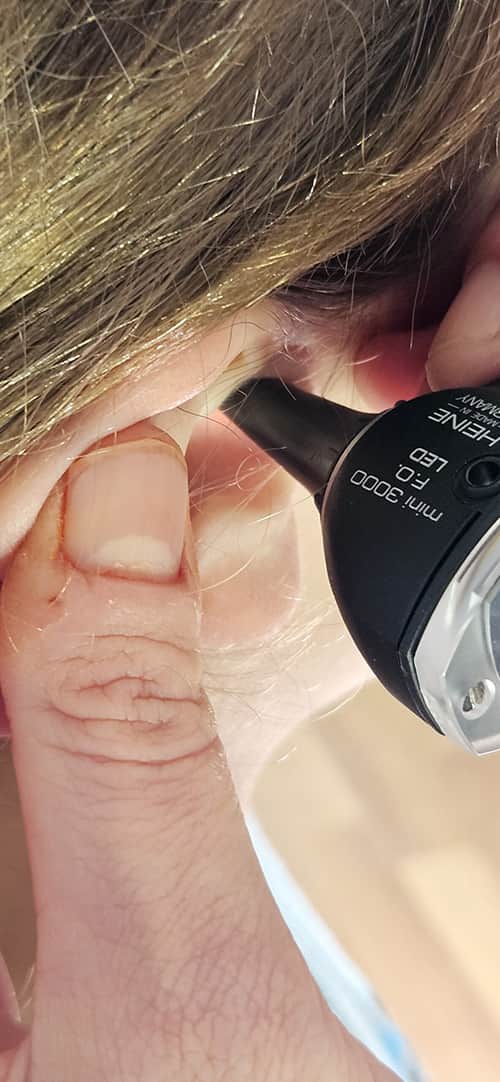
Next, we perform otoscopy: a visual examination of your ear canal and eardrum using a handheld otoscope or video otoscope. This allows us to assess the degree and type of wax build-up, check for any abnormalities such as inflammation, foreign bodies, or perforation, and determine the most appropriate removal technique. Video otoscopy is particularly valuable, as it allows you to see exactly what we’re seeing on a screen—demystifying the process and helping you understand the extent of the blockage.
Microsuction Under Magnification
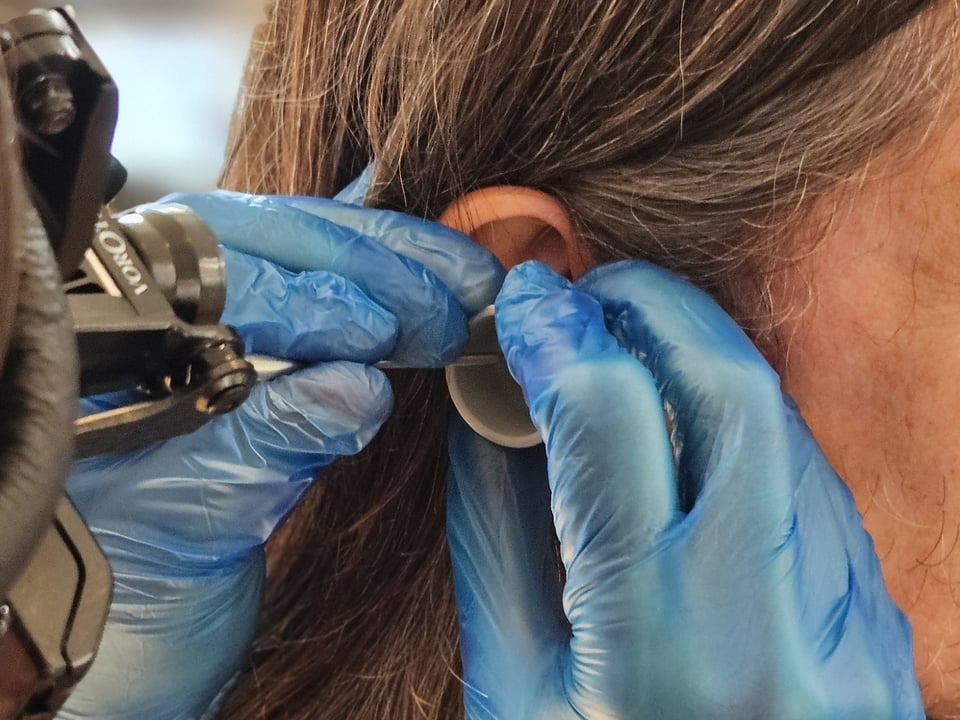
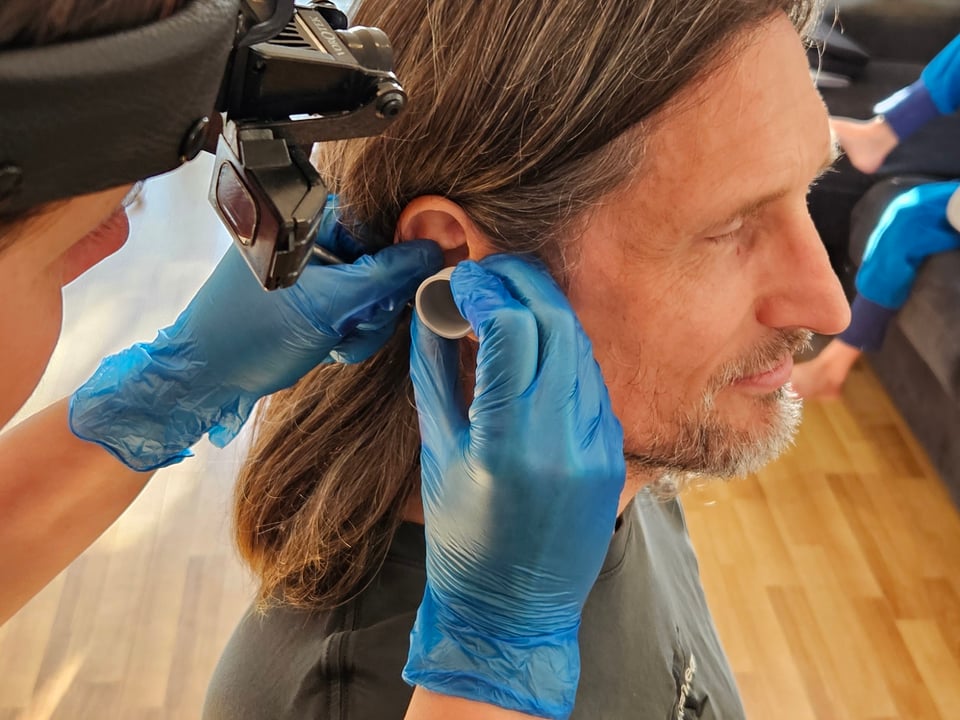
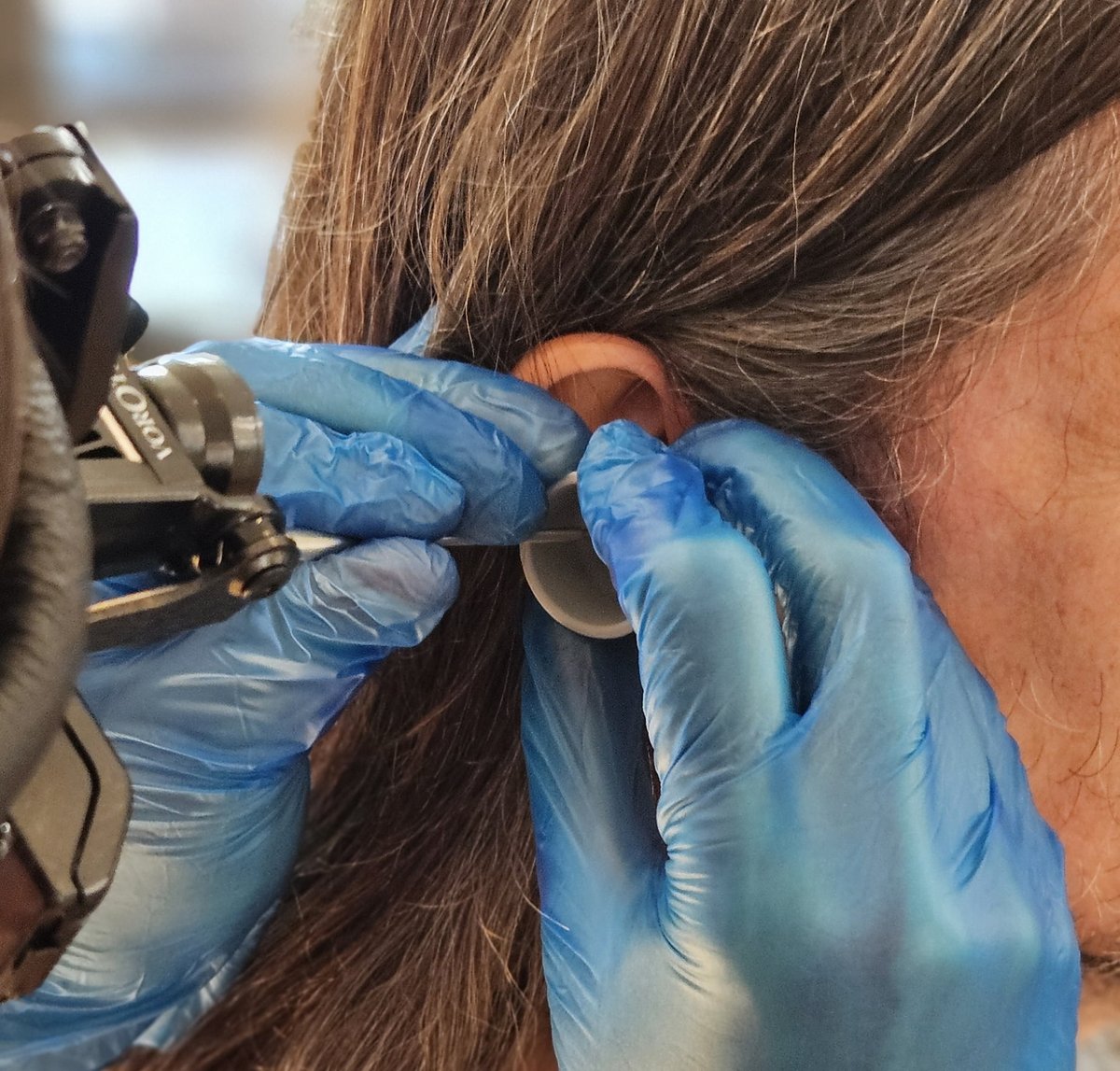
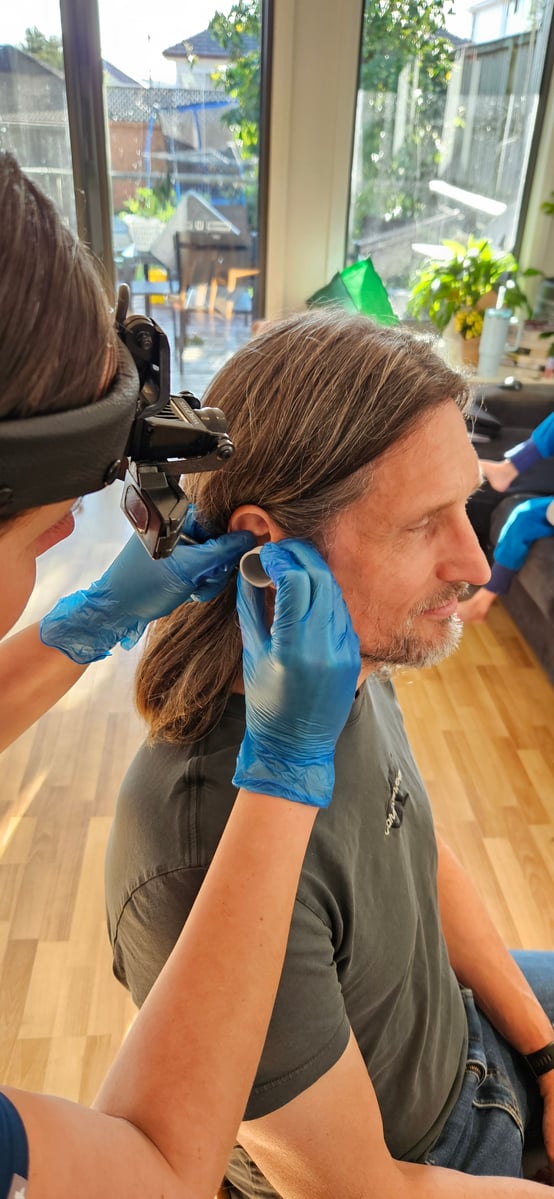
Once we’ve confirmed that microsuction is suitable, you’ll be seated comfortably, and we’ll position the operating microscope or don magnifying loupes. A small, sterile suction tip is gently introduced into the ear canal. The sensation is unusual—a mild noise and a tickling or slight pulling feeling—but the procedure is generally well tolerated and not painful.
The audiologist carefully suctions away the wax under direct vision, working methodically from the outer canal inward. Because we can see precisely what we’re doing, we can avoid touching the sensitive skin of the canal or the eardrum itself. Most patients describe the experience as quick and relatively comfortable, particularly when compared to the discomfort of syringing or the uncertainty of at-home methods.
Curette for Stubborn or Impacted Wax
In some cases, wax may be too firm or adhered to the canal wall for suction alone. When this occurs, we use a curette—a small, angled instrument designed to gently lift and scoop out stubborn pieces of wax. This manual instrumentation is performed with great care and precision, again under magnification.
The combination of microsuction and curette allows us to tailor the approach to each individual ear, maximising comfort and effectiveness.
Post-Removal Check
After the wax has been removed, we perform a final otoscopy to confirm that the canal is clear and the eardrum is healthy and intact. Many patients report immediate improvement in hearing and relief from the blocked sensation. We’ll also provide advice on preventing future build-up, which may include regular use of olive oil drops, periodic professional cleaning, or modifications to hearing aid use if applicable.
How Long Does It Take?
Most ear wax removal appointments at The Audiology Place take between 15 and 30 minutes, depending on the amount and consistency of wax. If both ears require cleaning, we’ll address them in the same session wherever possible.
Cost and Transparency
We believe in clear, upfront pricing. At The Audiology Place, ear wax removal is charged at $160 per appointment, regardless of whether one or both ears require treatment. There are no hidden costs, and no referral from a GP is required—you can book directly with us.
Ear wax removal is generally not covered by Medicare, as it’s considered a non-rebatable service when performed by an audiologist. However, some private health insurance policies with audiology extras may provide partial rebates. We recommend checking with your insurer before your appointment.
Comparing Methods: Microsuction, Irrigation, and Ear Candling
Microsuction
– Pros: Safe, precise, dry method; suitable for perforated drums and post-surgical ears; low infection risk.
– Cons: Slight noise; requires specialist equipment and training.
Irrigation (Syringing)
– Pro: Can be effective for soft wax.
– Cons: Risk of perforation, infection, vertigo; contraindicated in many clinical situations; less controlled than microsuction.
Ear Candling
– Pros: None supported by evidence.
– Cons: Risk of burns, wax deposition, canal obstruction; discredited by health authorities.
Audiology Australia’s position is clear: microsuction and manual instrumentation by trained clinicians represent best practice. At The Audiology Place, we do not offer irrigation or ear candling.
Why Choose The Audiology Place for Ear Wax Removal in Sydney?
#Qualified Audiologists, Not Nurses
All ear wax removal at The Audiology Place is performed by university-qualified audiologists with master’s-level training. Unlike some clinics that employ nurses or non-audiologist technicians for wax removal, our clinicians bring a deep understanding of ear anatomy, auditory function, and the complex medical histories that can affect ear health.
Evidence-Based, Patient-Centred Care
We keep abreast of the latest research and clinical guidelines. Our methods are grounded in evidence, not trends, and our approach is always tailored to your individual needs and comfort.
No Referral Needed
You don’t need a GP referral to book an ear wax removal appointment with us. Simply call or book online, and we’ll fit you in as soon as possible—often within a few days.
When to Seek Ear Wax Removal
Consider professional ear cleaning if you experience:
– Blocked or muffled hearing
– A sensation of fullness or pressure in the ear
– Tinnitus (ringing or buzzing)
– Discomfort or itching in the ear canal
– Difficulty inserting or retaining hearing aids
– Feedback or whistling from hearing aids due to wax occlusion
**Red flags requiring urgent medical review:**
– Sudden, severe hearing loss
– Intense pain
– Discharge (especially if foul-smelling or bloody)
– Dizziness or vertigo
– Facial weakness
If you notice any of these symptoms, contact your GP or visit an emergency department immediately.
Preventing Future Build-Up
While some people are simply prone to wax accumulation due to narrow canals, hearing aid use, or naturally sticky cerumen, there are steps you can reduce the frequency of blockages:
– Avoid inserting cotton buds or other objects into the ear
– Use a few drops of olive oil or commercial cerumenolytic weekly if advised by your audiologist
– Have your ears checked regularly if you wear hearing aids
– Stay hydrated—ear wax consistency can be influenced by overall hydration
References
Bird, S., & Marsden J. (2017). Microsuction vs irrigation for earwax removal: A comparative analysis. *Clinical Otolaryngology, 42*(2), 246-250.
Audiology Australia. (2020). *Clinical Practice Guidelines: Management of Cerumen*. Retrieved from www.audiology.asn.au