

If you’ve ever experienced that uncomfortable pressure sensation during a flight, you’re certainly not alone. But what if your ear is already blocked before you even board the plane? Can you fly with a blocked ear safely, or should you postpone your travel plans? These are critical questions that deserve authoritative answers, particularly as flying with blocked ears can lead to significant discomfort and, in some cases, complications that extend well beyond your journey.
The short answer is that whilst it’s technically possible to fly with a blocked ear, it’s generally not advisable and, in certain circumstances, unsafe. The decision depends largely on the underlying cause of your ear blockage, the severity of your symptoms, and your individual health circumstances. This article provides evidence-based guidance to help you become better informed about whether flying is appropriate for your situation. This does not count as individual advice, and you should seek help from an Audiologist if you are experiencing any symptoms.
Understanding Aeroplane Ear and Why Blocked Ears Complicate Air Travel
Before deciding whether to fly with a blocked ear, it’s essential to understand what happens to your ears during flight. The medical term for the discomfort experienced during air travel is *aerotitis media*, commonly known as aeroplane ear or airplane ear. This condition occurs due to rapid pressure changes during ascent and descent.
Your middle ear is an air-filled space separated from the outer environment by your eardrum. Connecting your middle ear to the back of your throat is the Eustachian tube, a narrow passage responsible for equalising pressure on both sides of your eardrum. Under normal ground-level conditions, this tube opens naturally when you swallow, yawn, or chew, keeping air pressure balanced.
When an aircraft ascends, the cabin pressure decreases, and air in your middle ear expands and typically escapes through the Eustachian tube without issue. During descent, however, cabin pressure increases, and your Eustachian tubes must open to allow air back into the middle ear. When you’re flying with blocked ears—whether from congestion, inflammation, or other causes—this crucial pressure equalisation process becomes impaired or impossible.
The result can range from mild discomfort to severe pain, temporary hearing loss, vertigo, tinnitus, and in extreme cases, damage to the eardrum, including perforation or bleeding into the middle ear space. The Aerospace Medical Association recognises these complications as preventable causes of in-flight medical distress and post-flight audiological injury.
Risk Factors: When Flying With a Blocked Ear Becomes Dangerous
Not all ear blockages carry the same risk during air travel. Understanding the cause of your blocked ear is paramount in determining whether postponing your flight is the safest option.
Cold, Flu, or Upper Respiratory Congestion
This is perhaps the most common cause of Eustachian tube dysfunction. When you have a head cold, sinus infection, or allergic rhinitis, the inflammation and mucus production affect not just your nasal passages but also the Eustachian tube lining. This swelling prevents the tube from opening adequately, making pressure equalisation extremely difficult.
If you have significant nasal congestion, a productive cough, or sinus pressure, your risk of developing barotrauma (pressure-related injury) during flight increases substantially. Many experienced travellers and aviation medicine specialists recommend postponing air travel until at least several days after cold symptoms have resolved.
Sinus Infection
Acute sinusitis creates a particularly problematic scenario for air travel. The infected, inflamed sinuses are already compromised in their ability to equalise pressure, and the Eustachian tubes are invariably affected due to their anatomical proximity. Flying with an active sinus infection not only increases your risk of severe ear barotrauma but can also worsen your sinus condition and potentially lead to complications such as maxillary sinus barotrauma, which manifests as intense facial pain and sometimes bleeding.
Untreated Earwax
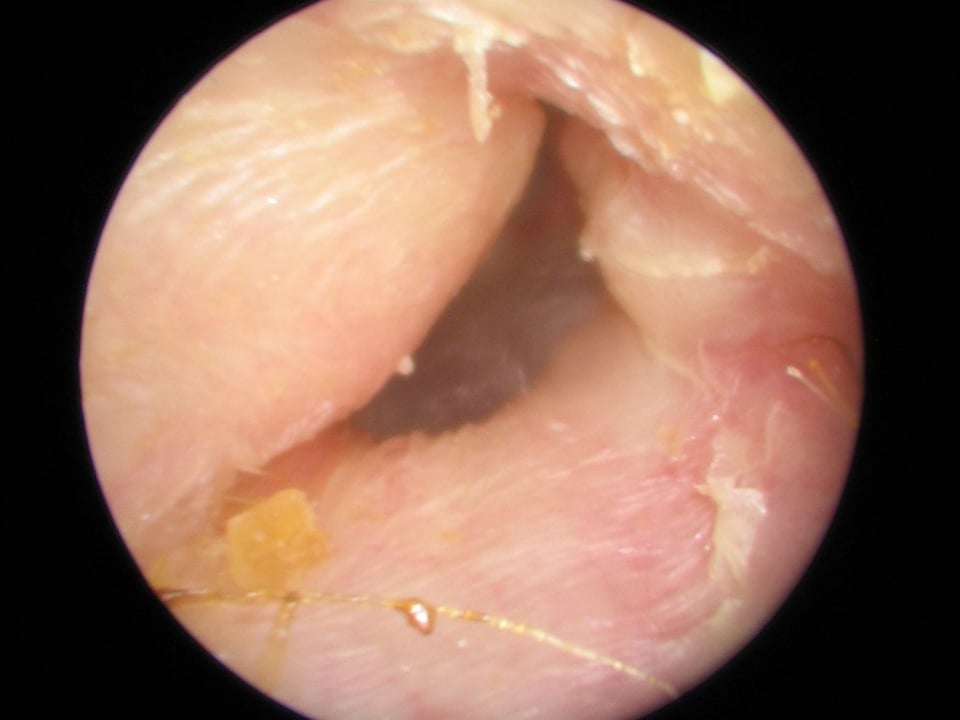
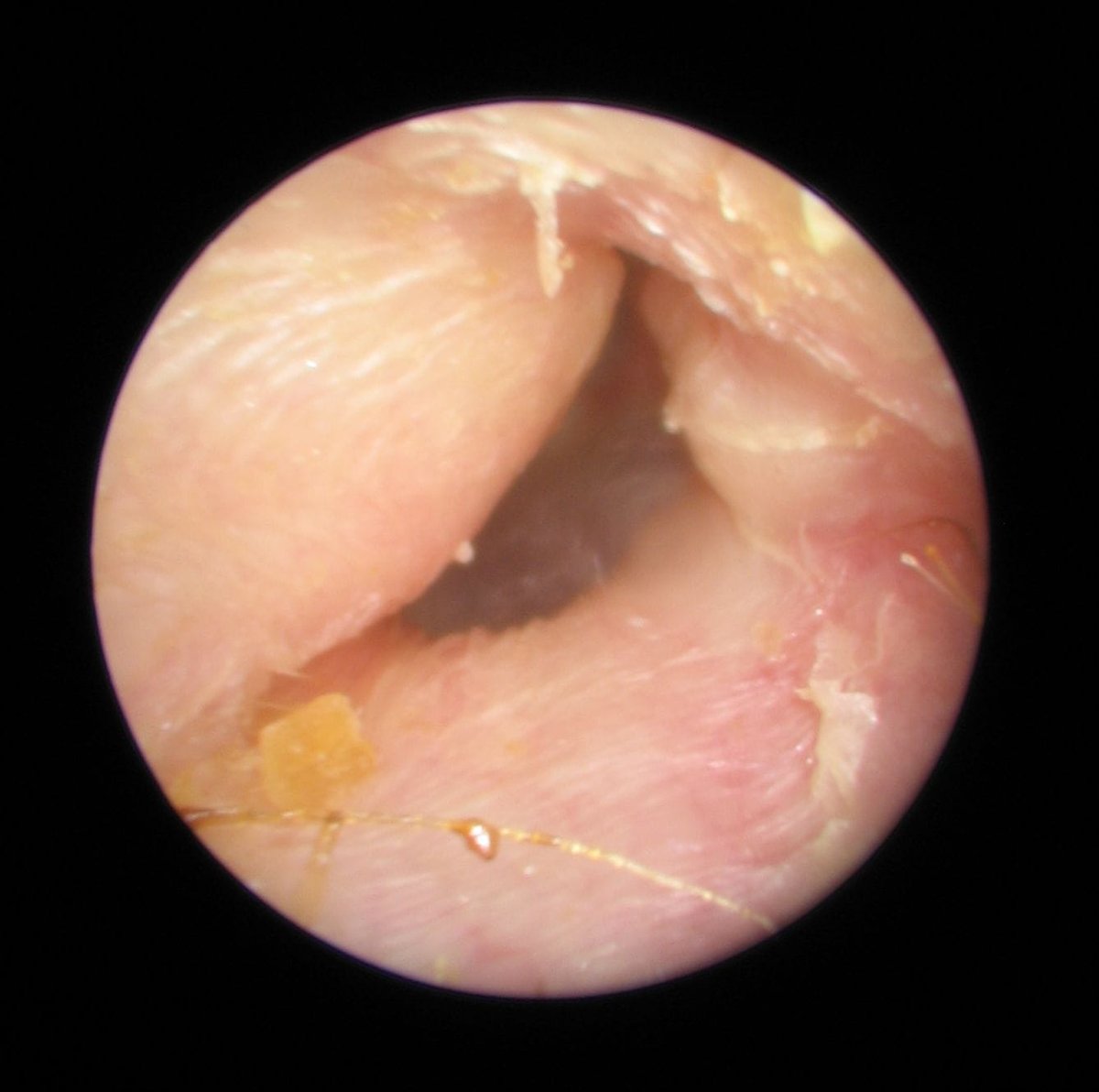
Excessive or impacted earwax is frequently overlooked as a risk factor for flying. Whilst wax accumulation primarily affects the external ear canal rather than the middle ear, a complete blockage can interfere with your ability to perform pressure-equalisation techniques effectively and can mask or complicate symptoms of middle ear dysfunction. Additionally, pressure changes during flight can occasionally cause impacted wax to shift and press against the eardrum, creating pain and temporary hearing loss.
At The Audiology Place, we regularly assist patients with pre-flight wax removal, particularly those who’ve had previous difficulty with ear blocked flight experiences. Professional microsuction or irrigation performed by a qualified audiologist ensures your ear canal is clear and optimises your ability to equalise pressure during your journey.
Recent Ear Surgery
If you’ve undergone ear surgery—whether for chronic ear infections, cholesteatoma removal, tympanoplasty (eardrum repair), or placement of grommets (ventilation tubes)—specific timeframes apply before safe air travel is possible. Your surgeon will provide tailored advice, but generally, you should avoid flying for at least two to six weeks post-operatively, depending on the procedure. Flying too soon after surgery risks disrupting healing tissue, causing graft displacement, or introducing infection.
Perforated Eardrum
A perforated or ruptured eardrum represents a particular concern. In some cases, the perforation actually eliminates the pressure differential problem, as air can pass directly through the hole. However, flying with a perforated eardrum carries risks including pain, further damage to middle ear structures, vertigo during pressure changes, and potential introduction of contaminated cabin air into the middle ear space. If you suspect you have a perforated eardrum—symptoms include sudden sharp pain followed by relief, discharge, hearing loss, or tinnitus—you should seek assessment from an audiologist or ENT specialist before flying.
Evidence-Based Prevention Strategies for Safe Air Travel
If your flight cannot be postponed and your ear blockage is mild to moderate without the risk factors mentioned above, several evidence-based strategies can help mitigate risk and discomfort.
Pharmaceutical Interventions
Pseudoephedrine is a nasal decongestant that can temporarily reduce Eustachian tube inflammation and improve its function. Research published in aviation medicine literature suggests that taking pseudoephedrine approximately 30 minutes to one hour before descent can reduce the incidence and severity of aeroplane ear. A typical adult dose is 60mg, though you should consult with your pharmacist or GP, particularly if you have high blood pressure, heart conditions, or are taking other medications.
It’s worth noting that pseudoephedrine is available only from behind the pharmacy counter in Australia and requires identification for purchase. Phenylephrine, the alternative decongestant found in many over-the-counter preparations, has substantially less evidence supporting its effectiveness for this purpose.
Nasal corticosteroid sprays such as fluticasone or mometasone can be beneficial if started several days before travel, particularly for those with allergic rhinitis or chronic Eustachian tube dysfunction. These medications reduce inflammation but work gradually rather than providing immediate relief.
Specialised Earplugs: EarPlanes
EarPlanes are pressure-regulating earplugs designed to slow the rate of pressure change at the eardrum during ascent and descent. They contain a ceramic filter that helps moderate the airflow, giving your Eustachian tubes more time to equalise pressure naturally.
Clinical evidence supporting EarPlanes is mixed, with some studies showing modest benefits and others finding minimal effects compared with standard equalisation techniques. However, many frequent flyers report subjective improvement, and given their low cost and absence of side effects, they represent a reasonable preventive option, particularly for children or individuals who struggle with active equalisation manoeuvres.
EarPlanes should be inserted before takeoff and before the descent begins (usually when the captain announces preparation for landing). They’re intended for single-use or limited reuse and are available from most pharmacies.
Active Equalisation Techniques
The Valsalva Manoeuvre is the most widely known pressure equalisation technique. To perform it, you pinch your nostrils closed, close your mouth, and gently blow as if trying to exhale through your nose. When done correctly, you should feel a slight “pop” or pressure in your ears as air is forced through the Eustachian tubes into the middle ear.
However, the Valsalva manoeuvre requires important caveats. First, it should be performed gently—forceful attempts can cause barotrauma, perforate an already-stressed eardrum, or cause inner-ear damage. Second, it should be performed *early and often* during descent, ideally before a significant pressure differential develops. Waiting until pain develops often means the pressure difference has become too great for the technique to work. Third, the Valsalva maneuver should not be performed if you have an active upper respiratory infection, as it can push bacteria into the middle ear.
The Toynbee Manoeuvre offers a gentler alternative: pinch your nostrils and swallow simultaneously. This technique tends to be less forceful than Valsalva and carries less risk, though it may also be less effective for some individuals.
Simply swallowing, yawning, or chewing gum** facilitates natural Eustachian tube opening and should be your first line of defence. The muscle contractions involved in these actions help open the tube without force. This is why flight attendants traditionally offered sweets during descent—chewing and swallowing provide repeated opportunities for pressure equalisation.
Otovent: A Clinically Validated Alternative
Otovent is a medical device consisting of a small balloon attached to a nosepiece. The user places the nosepiece in one nostril (whilst closing the other) and inflates the balloon through their nose. This autoinflation method has stronger clinical evidence than the standard Valsalva manoeuvre for both treating and preventing Eustachian tube dysfunction.
Originally developed for managing otitis media with effusion (glue ear) in children, Otovent has proven effectiveness for adults as well, particularly those with chronic Eustachian tube dysfunction or difficulty performing standard equalisation techniques. Several systematic reviews have confirmed its safety and efficacy profile. Whilst it’s not specifically designed for in-flight use (the balloon inflation is somewhat conspicuous), some travellers use it before boarding and during descent with positive results.
When You Should Delay Flying
Despite preventive measures, certain situations warrant postponing air travel:
Immediate contraindications to flying include:
– Active, symptomatic upper respiratory infection with significant congestion
– Acute sinusitis, particularly with facial pain or fever
– Recent ear surgery (within the timeframe specified by your surgeon)
– Known or suspected perforated eardrum without specialist clearance
– Severe or complete ear blockage that doesn’t respond to decongestants
– Previous severe barotrauma during flight
– Vertigo or significant balance disturbance of ear origin
If you’re uncertain whether your ear condition is safe for flying, a pre-flight assessment with an audiologist can provide clarity. At The Audiology Place, we routinely perform tympanometry, which objectively measures middle ear function and Eustachian tube status. This quick, painless test can identify middle ear fluid, negative pressure, or poor Eustachian tube function—all indicators that flying may be inadvisable.
Post-Flight Symptoms: When to Seek Care
Even with preventive measures, some individuals experience persistent symptoms after flying. Most cases of aeroplane ear resolve spontaneously within hours to a few days. However, you should seek professional assessment if you experience:
– Hearing loss persisting beyond 24-48 hours post-flight
– Severe or worsening ear pain
– Discharge from the ear (suggesting perforation or infection)
– Persistent vertigo or imbalance
– Tinnitus that doesn’t resolve
– Feeling of fullness or pressure that worsens rather than improves
These symptoms may indicate barotrauma with complications such as eardrum perforation, middle ear haemorrhage, inner ear damage (perilymphatic fistula), or secondary infection. Prompt evaluation by an audiologist or ENT specialist is essential, as some complications require timely intervention to prevent permanent hearing loss.
Final Considerations: Balancing Travel Plans With Ear Health
The decision to fly with a blocked ear ultimately requires weighing the importance of your travel against the potential risks to your hearing and comfort. For essential travel or situations where postponement is genuinely not possible, the preventive strategies outlined above can reduce—though not eliminate—your risk of complications.
However, for discretionary travel, particularly if you have significant congestion, active infection, or previous traumatic flying experiences, postponing your journey until your ear health improves is the safest approach. The temporary inconvenience of changing travel plans is considerably preferable to the potential for persistent hearing loss, chronic ear problems, or the acute distress of severe barotrauma at 30,000 feet with limited medical resources.
Remember that this information is for educational purposes and doesn’t replace individualised medical advice. Your ears are unique, and your specific circumstances may require tailored guidance. If you’re uncertain about whether flying is safe in your situation, we encourage you to schedule a consultation with one of our audiologists for a comprehensive assessment.