
Noise is one of the most common workplace hazards — and one of the most underestimated. While heavy machinery, construction sites, and manufacturing floors are obvious culprits, even less obvious settings such as call centres, workshops, and farms can expose workers to damaging levels of sound.
Noise-induced hearing loss (NIHL) is both irreversible and entirely preventable. Once the delicate hair cells in the inner ear are damaged, there is no medical or surgical cure. That makes prevention and early detection through audiometric testing critical.
In Australia, workplace laws reflect this risk: employers must ensure workers are not exposed to hazardous noise levels and, when hearing protection is required, must provide regular hearing checks.
What Is Occupational Noise?
Noise becomes “hazardous” when it reaches levels that can cause temporary or permanent hearing damage. The current exposure standard for workplace noise is:
An average of 85 dB(A) over an eight-hour work shift.
A peak level of 140 dB(C) represents sudden impact sounds, such as a hammer strike or gunshot.
To put this into everyday terms:
85 dB(A) is roughly the noise of a lawnmower.
At 100 dB(A), such as a busy workshop, safe exposure time without protection drops to just 15 minutes.
Noises above 140 dB(C) can cause immediate and permanent damage.
Because decibels are measured on a logarithmic scale, every 3 dB increase doubles the sound energy and halves the safe exposure time.
The Health Effects of Occupational Noise
The most recognised risk is noise-induced hearing loss, which often begins in the high frequencies, making speech sound muffled and conversations harder to follow in noisy environments. But the risks go further than that:
Tinnitus – persistent ringing or buzzing in the ears.
Communication difficulties – workers may miss instructions or alarms.
Safety hazards – impaired hearing can increase the risk of workplace accidents.
Other health effects – chronic noise is linked to stress, fatigue, and cardiovascular problems.
Noise-related hearing loss often develops gradually, making it difficult for workers to notice the damage until it has already occurred.
Employer Duties in Managing Noise
Employers (or “persons conducting a business or undertaking”) have a legal duty to identify, assess, and control noise hazards in the workplace. This includes:
Identifying and assessing noise hazards – through walk-throughs, noise measurements, and worker consultation.
Controlling noise risks – applying the hierarchy of controls:
Eliminating noisy processes altogether.
Substituting quieter machinery or processes.
Isolating noise sources through barriers or enclosures.
Applying engineering solutions like mufflers or damping.
Using administrative measures such as job rotation.
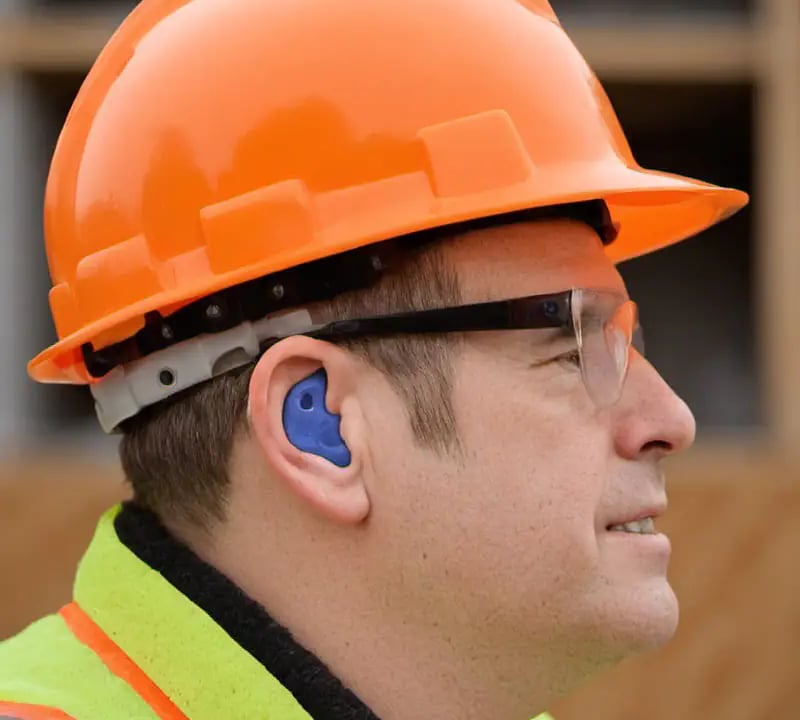
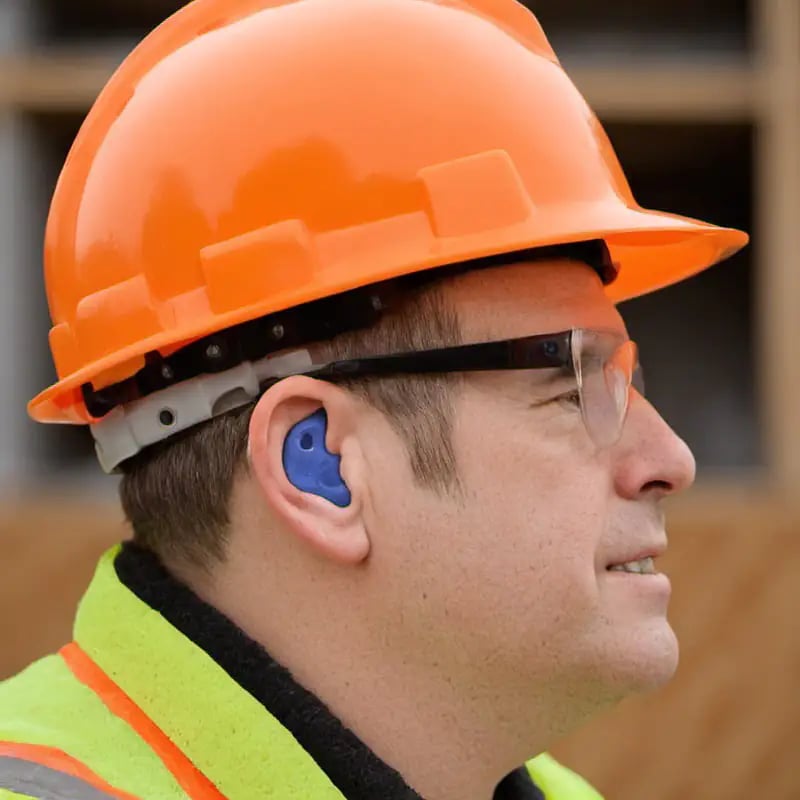
Providing personal hearing protection, such as earmuffs or plugs.
Training and informing staff – ensuring workers understand the risks and how to use protective equipment properly.
Providing audiometric testing for workers who are frequently required to wear hearing protection.
What Is Screening Audiometry?
Audiometric testing is a painless, non-invasive way of measuring the quietest sounds a person can hear at different pitches. Unlike free five-minute hearing checks you might see at a shopping centre, workplace screening must be clinically robust and follow strict standards.
There are two main types of occupational audiometry:
Baseline tests – done within the first three months of employment in a noisy job. This provides a reference point for future comparisons.
Monitoring tests – carried out at least every two years, or more often if workers are exposed to very high levels of noise. These track any changes to hearing over time.
What the Test Involves
A typical screening test includes:
Checking the ears for wax or blockages.
Taking a case history of past noise exposure or medical factors.
Measuring hearing thresholds with pure tone audiometry (using both air and bone conduction).
Why Regular Screening Matters
Early Detection
Noise-induced hearing loss develops slowly and often goes unnoticed. Regular screening can detect small threshold shifts before they become disabling, giving employers and workers a chance to take action early.
Evaluating Noise Controls
If results show changes in hearing, it may indicate that current protections are inadequate. Employers can then review whether hearing protection, engineering solutions, or work practices require improvement.
Supporting Workers
Results can also guide adjustments in the workplace — for example, providing visual alarms, clearer communication systems, or tailored hearing protection. Employers also have responsibilities under disability legislation to make reasonable adjustments for staff with hearing difficulties.
Legal Compliance
Since 2024, audiometric testing has been a mandatory requirement in workplaces where staff must frequently wear hearing protection. Not only is this a compliance issue, but it also demonstrates a genuine duty of care to employees.
Beyond Noise: Other Workplace Risks to Hearing
While noise is the leading cause, other workplace factors can damage hearing:
Ototoxic chemicals, such as solvents, heavy metals, and fuels, can make the ears more susceptible to noise damage.
Vibration from power tools or vehicles can increase the likelihood of hearing loss.
Acoustic shock – sudden loud bursts in headsets, often in call centres, can cause immediate pain, tinnitus, or dizziness.
This means employers must consider a broad view of hearing risks when designing safe workplaces.
Best Practices for Employers
To meet both legal and best-practice standards, employers should:
Conduct regular noise assessments, particularly when introducing new machinery.
Focus on engineering and elimination controls first, using PPE as a last resort.
Schedule baseline audiometry after workers have been away from noise for at least 16 hours.
Conduct monitoring tests during or after shifts to detect temporary changes.
Provide clear feedback to workers and copies of their results.
Investigate any signs of hearing threshold shifts promptly and review noise controls.
Store results securely and confidentially.
A proactive approach doesn’t just protect hearing — it builds trust, improves productivity, and reduces long-term compensation costs.