

Yes, hypertension can contribute to hearing loss, though the relationship is more nuanced than most health content suggests. The evidence points to chronic high blood pressure affecting the delicate blood vessels supplying the cochlea, potentially accelerating age-related hearing decline and increasing the risk of sudden sensorineural hearing loss. If you’re managing hypertension and noticing changes in your hearing—or experiencing pulsatile tinnitus that beats in time with your heartbeat—the two may well be connected.
After two decades in clinical audiology, I’ve assessed enough patients with poorly controlled blood pressure to recognise patterns that the research literature is only now catching up with. The connection isn’t as straightforward as “high BP equals hearing loss,” but it’s real, measurable, and worth understanding if you’re in either camp.
The Vascular Connection: Why the Cochlea Is Vulnerable
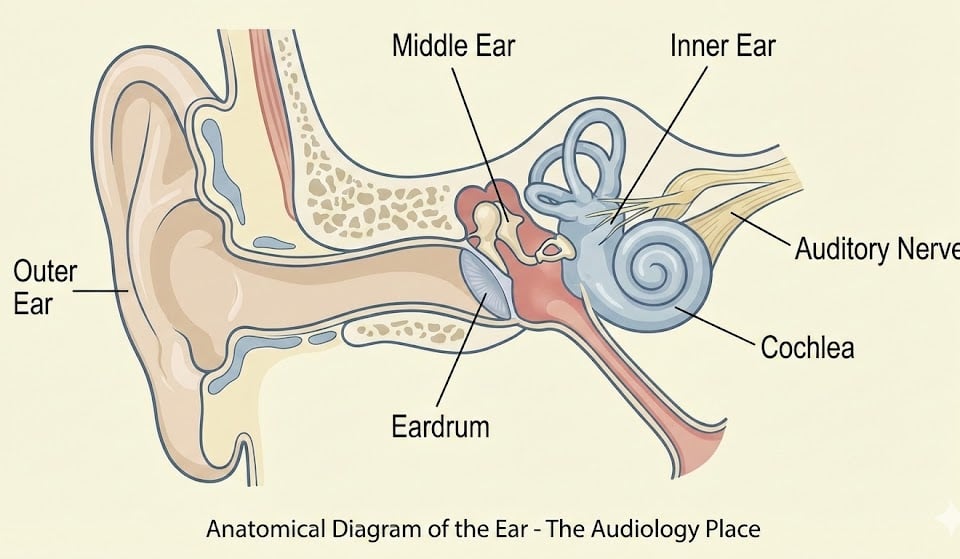
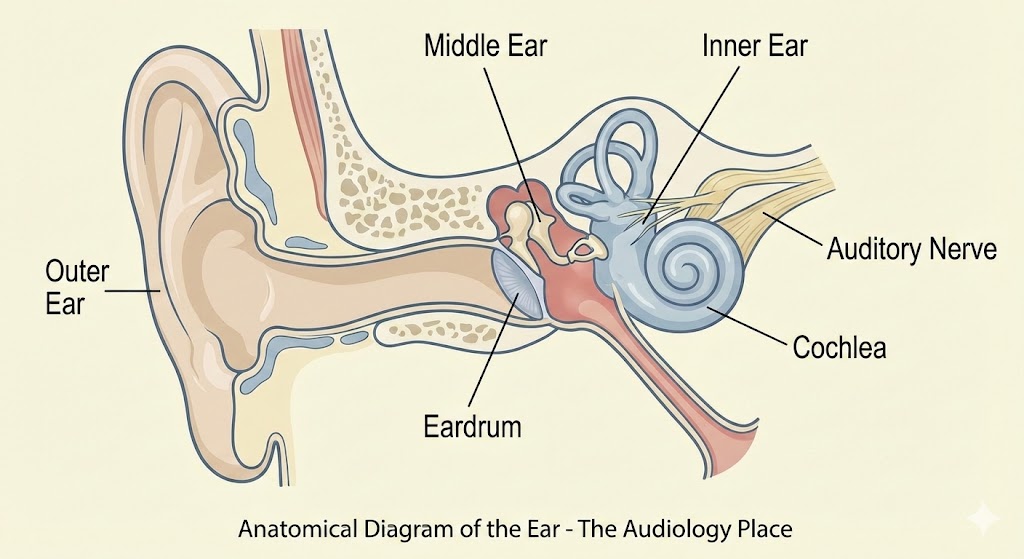
The cochlea—that snail-shaped structure in your inner ear responsible for converting sound into neural signals—is an absolute blood flow junkie. It has no collateral circulation, meaning it relies on a single artery (the labyrinthine artery) for its oxygen supply. This makes it uniquely vulnerable to vascular compromise.
Chronic hypertension damages small blood vessels throughout the body through a process called arteriosclerosis—essentially stiffening and narrowing of vessel walls. When this occurs in the vessels supplying the cochlea, you get reduced blood flow to the hair cells, those incredibly delicate sensory cells that don’t regenerate once damaged. Reduced oxygen delivery accelerates their deterioration. We see this manifest as progressive high-frequency hearing loss, typically worse than what we’d expect from age alone.
The research backs this clinical observation. A 2020 systematic review in the International Journal of Audiology found that hypertension was associated with a significantly increased risk of both hearing impairment and the rate of hearing decline over time. The effect size isn’t enormous—we’re not talking about hypertension causing profound deafness—but it’s measurable on pure tone audiometry, typically showing an additional 5-10 dB threshold shift in the high frequencies compared to normotensive individuals of the same age.
What I find particularly telling in clinic: when we see a 55-year-old with hearing thresholds more typical of someone a decade older, and they mention their GP has been “keeping an eye on” their blood pressure for years, that’s rarely coincidental.
Sudden Hearing Loss and Hypertension: A Recognised Risk Factor
The connection becomes more dramatic with sudden sensorineural hearing loss (SSHL)—a drop of 30 dB or more across three consecutive frequencies occurring within 72 hours. This is a medical emergency, and hypertension is now recognised as a significant risk factor.
Several large cohort studies, including research from South Korea published in *Scientific Reports*, have demonstrated that individuals with hypertension have roughly 1.3 to 1.7 times the risk of experiencing SSHL compared to those with normal blood pressure. The proposed mechanism is either vascular spasm or microthrombus formation in that single labyrinthine artery, effectively causing a “stroke” of the inner ear.
When someone presents to our clinic with sudden unilateral hearing loss, their cardiovascular health is one of the first things I ask about. If they have uncontrolled hypertension, diabetes, or a history of cardiovascular disease, I’m referring them immediately for medical assessment—typically to their GP or to the emergency department if it’s outside business hours—before we even complete a full audiological assessment. The treatment window for SSHL is narrow, and oral corticosteroids need to be started within days for the best chance of recovery.
Pulsatile Tinnitus: When You Hear Your Blood Pressure
Pulsatile tinnitus—a rhythmic whooshing or thumping sound that coincides with your heartbeat—is a different beast from the constant ringing most people associate with tinnitus. While it can have several causes (some serious, some benign), hypertension is a frequent contributor.
The mechanism here is more mechanical than ischaemic. Elevated blood pressure can cause turbulent flow through the vessels near the ear, particularly the jugular vein and carotid artery. You’re essentially hearing the sound of your own blood flow, amplified because these vessels run in close proximity to the middle and inner ear structures.
Here’s what patients need to understand: pulsatile tinnitus warrants investigation, full stop. While it might be “just” your blood pressure, it can also indicate vascular abnormalities, venous sinus stenosis, or in rare cases, vascular tumours. I don’t manage pulsatile tinnitus without medical imaging and GP involvement, and neither should you accept reassurance without proper investigation.
In our clinic, if someone describes tinnitus that’s rhythmic and matches their pulse, I’m completing baseline audiometry and tympanometry to rule out middle ear pathology, then writing a referral letter to their GP recommending blood pressure monitoring and consideration of vascular imaging if indicated. The Heart Foundation Australia has excellent resources on hypertension screening that I often share with patients who haven’t had their blood pressure checked recently.
What the Research Actually Shows (and Doesn’t)
It’s worth being precise about what we know. Longitudinal studies, including the Framingham Heart Study cohort, have demonstrated an association between hypertension and hearing loss, but association isn’t quite the same as direct causation. Hypertension often travels with other risk factors—diabetes, obesity, dyslipidemia—that independently affect hearing.
That said, the cardiovascular-auditory connection is sufficiently established that the American Heart Association now recognises hearing loss as a potential comorbidity of cardiovascular disease. Research published in *Laryngoscope* found that better blood pressure control correlated with slower rates of hearing decline, suggesting that managing hypertension might offer some protective effect.
The mechanism likely involves both direct vascular damage and reduced cochlear perfusion. Some researchers have also proposed that hypertension-related changes in blood viscosity affect the microcirculation of the stria vascularis—the structure responsible for maintaining the electrochemical environment the cochlea needs to function.
What we can’t say is that treating your blood pressure will reverse existing hearing loss. Hair cell damage is permanent. But there’s reasonable evidence that blood pressure control may slow the rate of decline, and that matters over the years and decades we’re trying to preserve functional hearing.
Practical Implications: What This Means for Your Hearing Health
If you have hypertension and you’re concerned about your hearing, here’s what actually matters:
Get a baseline audiogram. Pure tone audiometry gives us a precise snapshot of your hearing thresholds across frequencies. This becomes the reference point for monitoring whether you’re experiencing accelerated decline. At our clinic, we typically recommend repeat testing every two years for patients with cardiovascular risk factors, more frequently if thresholds are already borderline or there’s a family history of hearing loss.
Manage your blood pressure seriously. This isn’t audiology advice—this is what your GP or cardiologist has already told you—but it bears repeating in this context. The evidence suggests that cardiovascular health and auditory health are linked. Medication compliance, lifestyle modification, and regular monitoring aren’t just about preventing stroke and heart attack; they may also preserve your hearing function longer.
Don’t ignore sudden changes. Sudden hearing loss, sudden onset tinnitus, or the new appearance of pulsatile tinnitus warrant prompt assessment. With SSHL, we’re working against the clock. Even if it turns out to be something benign, these symptoms deserve investigation, not a “wait and see” approach.
Consider integrated care. I increasingly encourage patients with multiple risk factors to think about their hearing as part of their overall health picture, not a separate issue. If you’re seeing a GP for hypertension management, mention any hearing concerns. If you’re having hearing testing, make sure your audiologist knows about your cardiovascular history. The more we connect these dots, the better we can identify patterns and intervene appropriately.
The Bigger Picture: Hearing as a Health Indicator
What’s become clear to me over years of clinical practice is that hearing loss isn’t just an isolated sensory issue—it’s often an early indicator of systemic health problems. The cochlea’s sensitivity to vascular compromise means it sometimes shows damage before other organs do.
This doesn’t mean every case of hearing loss is caused by hypertension, or that everyone with high blood pressure will lose their hearing. But the overlap is significant enough that it deserves attention from both the cardiovascular and audiology communities.
The conversation about hearing health needs to move beyond “you need hearing aids” to “let’s understand why your hearing has changed and what other health factors might be contributing.” That requires practitioners who are willing to look at the whole patient, not just the audiogram in front of them.
If you’re managing hypertension and you’ve noticed your hearing isn’t what it used to be, that’s not necessarily cause for alarm, but it is reason to get proper assessment. A comprehensive audiological evaluation takes about an hour, includes pure tone audiometry, speech discrimination testing, and tympanometry, and gives us objective data about your auditory function. From there, we can monitor changes over time and coordinate with your other healthcare providers.
This is information, not medical advice. Your individual circumstances—medication, comorbidities, family history—all matter. But the connection between cardiovascular health and hearing is real, increasingly well-documented, and worth taking seriously.
If you’d like to discuss your hearing health in the context of hypertension or other cardiovascular conditions, we’re here to provide thorough, independent assessment and straightforward advice about what the results actually mean. Book a comprehensive hearing assessment and we’ll take the time to understand your full health picture, not just sell you a device.