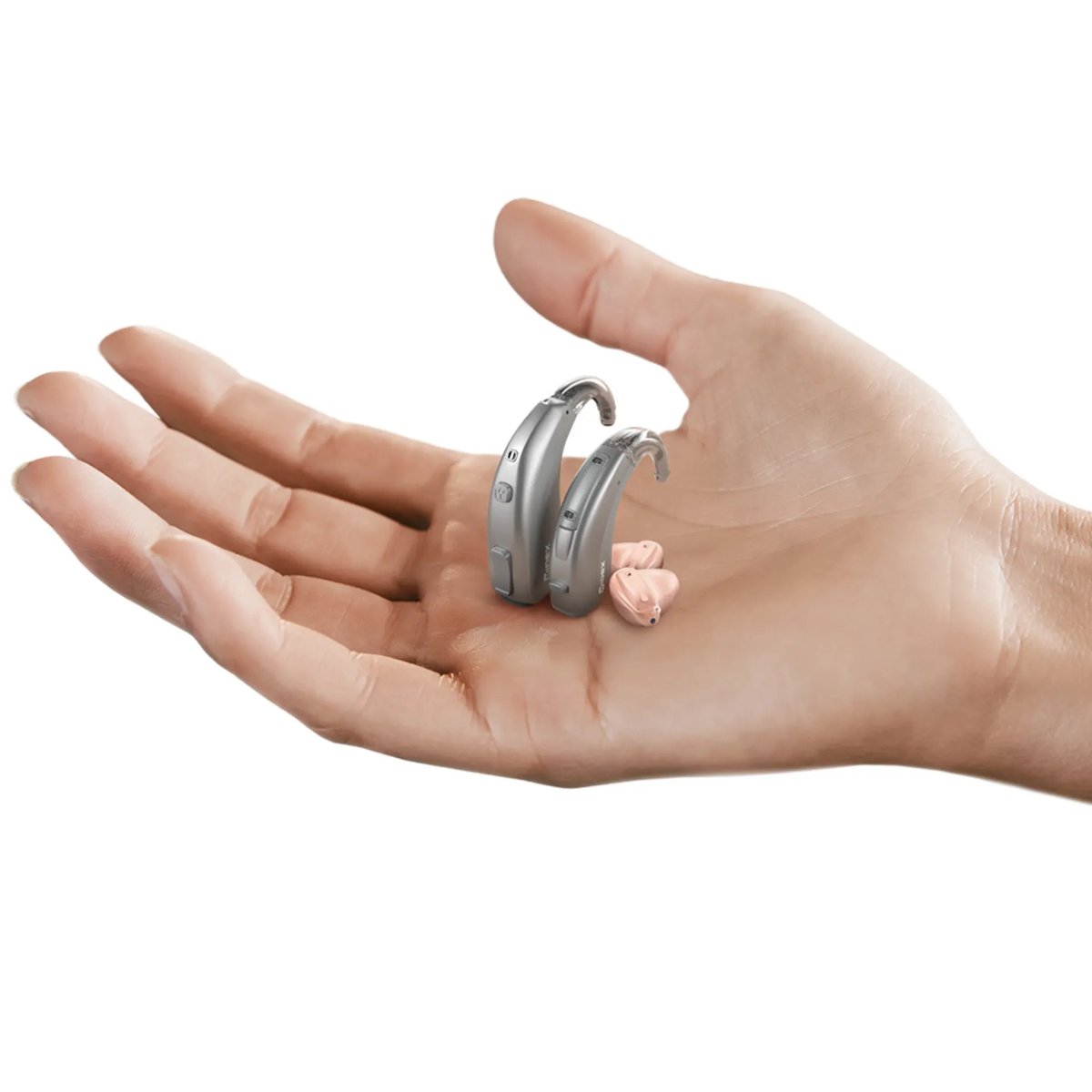
It is important to know your audiologist is taking a thorough, evidence-based approach. Asking the right questions helps you understand your hearing loss, make informed decisions about technology, and get the best long-term results from your devices.
Below are key questions to ask during your hearing aid assessment and fitting.
Assessment & Diagnosis
-
How comprehensive was the hearing test?
Did it include:-
Speech-in-noise testing (to see how you manage in real-world, noisy situations)?
-
Real-ear measurements (REM) to verify the hearing aids are meeting your prescription in your ear, not just “on the computer”?
-
-
Do you test extended high frequencies?
Higher-than-standard test frequencies can sometimes show early changes from noise exposure or ageing, and can be important for people with tinnitus, a history of noise, or musicians. -
Can you explain the type and degree of my hearing loss and how it will impact everyday listening?
Your audiologist should be able to explain:-
What your audiogram shows in plain language
-
How this affects things like following conversations, hearing in noise, enjoying music, or hearing soft sounds at home
-
Hearing Aid Selection & Fit
-
What brands or models do you suggest for me?
An independent Audiologist will be able to recommend from a range of brands, depending on your situation. They will be able to discuss; -
How will this device address my primary hearing challenges?
For instance:-
“I struggle most in restaurants and meetings”
-
“I want better sound quality for music”
The audiologist should link features of the device to those specific problems.
-
-
Will the hearing aid be custom-fitted? How do you ensure it fits comfortably and effectively?
Ask whether:-
Custom earmoulds or custom shells are recommended
-
Comfort and acoustic seal are checked and adjusted over time
- Ask how the prescribed amplification is adjusted to your hearing loss.
-
Technology & Features
-
How do the features of this hearing aid benefit my specific hearing profile?
For example:-
AI-based personalisation or “learning” features
-
Tinnitus therapy or sound enrichment programs (such as Widex Zen)
-
Directional microphones and noise reduction for complex listening environments
-
-
How does this device integrate with my other technology?
Ask about:-
Direct streaming to iPhone or Android
-
Compatibility with TV streamers, remote microphones, or other assistive listening devices
-
The app used to control volume, programs, and personalisation
-
Personalisation & Follow-Up
-
How do you personalise the hearing aid settings over time?
Good fittings are rarely “set and forget”. Ask how your audiologist:-
Uses your feedback to fine-tune the sound
-
Uses apps, in-clinic adjustments, and possibly remote care
-
Reviews and adjusts settings as your brain adapts to amplified sound
-
-
What is the follow-up plan? How often should I return?
Clarify:-
How many follow-up appointments are included
-
How often reviews are recommended (e.g. at 2 weeks, 6 weeks, and then annually or as needed)
-
Whether you can come back easily for extra support if something doesn’t feel quite right
-
Outcome Measurement & Support
-
How do you measure success with the hearing aids?
Ask whether they use:-
Objective verification such as real-ear measurements
-
Standardised questionnaires about your hearing in daily life
-
Goal-setting tools (e.g. specific situations you’d like to improve)
-
-
What support and warranty services are available?
Clarify:-
Manufacturer warranty length and what it covers
-
What happens if there’s a fault or repair
-
Whether ongoing cleaning, checks and adjustments are included or attract a fee
-
Lifestyle, Care & Maintenance
-
What is involved in day-to-day care and maintenance?
Ask about:-
Cleaning, filters, domes or earmould care
-
Battery or recharging routines
-
How to handle sweat, moisture, or water exposure (e.g. swimming, heavy exercise)
-
-
Are there lifestyle or environmental considerations I should know about?
For example:-
Managing very noisy or dusty workplaces
-
Using hearing protection around loud sounds (concerts, tools, machinery)
-
How to get the best performance in windy or very busy environments
-
Cost, Rebates & Trial Periods
-
Can you explain the cost structure clearly?
Ask for a breakdown of:-
Hearing aid/device cost
-
Professional fees for assessment, fitting, and follow-up
-
What’s included (cleaning, adjustments, repairs under warranty)
-
-
What trial periods, guarantees, or cooling-off periods apply?
This might include:-
A trial or adjustment period with the option to change devices or return them within a set timeframe
-
Any re-stocking or fitting fees if you decide not to proceed
-
-
What is covered by private health insurance, pension or government programs?
Depending on your situation, ask about:-
Extras cover rebates from your health fund
-
Eligibility for the Hearing Services Program (HSP)
-
Any other government rebates or schemes that may apply
-
Asking these questions helps you gauge how thorough your audiologist is in diagnosis, device selection, personalisation and ongoing care. A good audiologist will welcome these discussions, answer clearly in language you understand, and tailor every part of the process to your hearing profile, lifestyle and goals.