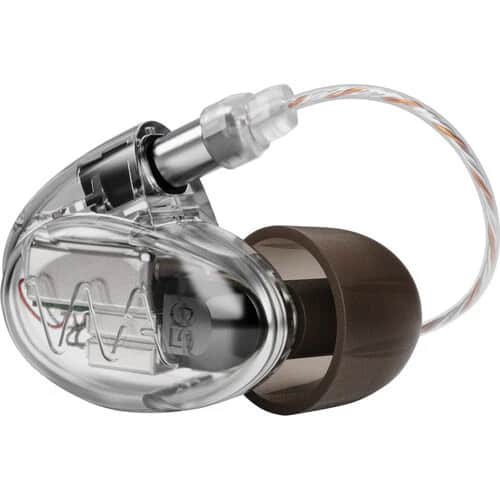
You’re at dinner with friends. Someone leans in to speak to you. And there it is: that sharp, piercing whistle from your hearing aid. Everyone at the table glances your way. You fiddle with your ear, trying to make it stop.
If this sounds familiar, you’re not alone. Whistling from hearing aids is one of the most common complaints audiologists hear. The good news? In most cases, it’s fixable. The even better news? Some fixes you can handle yourself, right now, without booking an appointment.
What Causes That Whistle? The Science of Acoustic Feedback
The technical term for hearing aid whistling is “acoustic feedback,” and once you understand what’s happening, the solutions make a lot more sense.
Here’s what’s going on inside your ear: Your hearing aid has a microphone that picks up sound from your environment. The device amplifies that sound and sends it through a speaker (called the receiver) into your ear canal. When everything works properly, the amplified sound travels down your ear canal toward your eardrum, where it does its job, helping you hear.
Here’s the problem. Sometimes that amplified sound doesn’t go where it’s supposed to. Instead of heading toward your eardrum, some of it escapes back out of your ear and gets picked up by the microphone again. The hearing aid amplifies it again. Then it escapes again. Then it gets amplified again. This creates a feedback loop that escalates in milliseconds until you hear that unmistakable whistle.
Think of it like holding a live microphone too close to a speaker at a concert. Same principle, different scale. The microphone picks up its own output, amplifies it, picks it up again, and suddenly you’ve got that awful screech.
Why Is Sound Leaking Out? Common Causes of Hearing Aid Feedback
Feedback happens when amplified sound escapes the ear canal. Several things can cause this leak.
Poor Fit
Your hearing aid should create a snug seal in your ear canal. If the dome or earmould doesn’t fit properly, amplified sound finds gaps to escape through. Fit issues happen for several reasons: weight changes affecting ear canal shape, ageing tissue becoming less firm, or simply wearing a dome that was never quite right for your ear anatomy in the first place.
Earwax Buildup
Your ear canal produces wax. This is normal and healthy. Earwax protects the delicate skin of your ear canal and has antimicrobial properties. Wearing hearing aids can actually increase wax production because the devices stimulate the glands that produce it.
When wax builds up and partially blocks your ear canal, sound from the hearing aid bounces back rather than travelling toward your eardrum. This reflected sound escapes and creates feedback. A blocked wax guard on the hearing aid itself causes the same problem.
Volume Set Too High
More amplification means more sound trying to escape your ear canal. If your hearing aid is turned up beyond what your ear dome can contain, feedback becomes almost inevitable. This is especially common when people gradually increase volume over time without realising they’ve pushed past the seal’s capacity.
Physical Interference
Anything that reflects sound back toward the hearing aid microphone can trigger feedback. Hats, scarves, headrests, pillows, cupping your hand near your ear, hugging someone with your aided ear against their shoulder. Even your own hair, if it’s positioned over the hearing aid, can cause whistling.
Tubing or Component Issues
For hearing aids with tubing connecting the behind-the-ear unit to the earmould, cracked or loose tubing is a common feedback culprit. The crack lets amplified sound leak out before it reaches your ear canal. Similarly, a loose-fitting earmould or a damaged receiver wire can break the acoustic seal.
Fixes You Can Try at Home
Before booking an appointment, try these solutions. Many feedback problems are resolved with simple adjustments.
Remove and Reinsert Your Hearing Aid
Sometimes feedback happens simply because the hearing aid shifted slightly and lost its seal. Take it out, then reinsert it carefully. For in-the-ear styles, gently push and twist to ensure a snug fit. For behind-the-ear styles with domes, make sure the dome is fully seated in your ear canal. Pull your earlobe down and back while inserting to straighten your ear canal, then release.
Turn Down the Volume
If you’ve been gradually increasing your volume, try dialling it back. Feedback that only happens at higher volumes suggests the amplification level exceeds what your current fit can handle. A slight reduction often eliminates the whistle entirely.
Check for Physical Obstructions
Is your hair covering the microphone? Are you wearing a hat that sits close to your hearing aid? Is a scarf bunched near your ear? Move potential sound reflectors away from the device and see if the feedback stops.
Inspect and Replace the Wax Guard
Look at the wax guard (the small filter at the end of the receiver that sits in your ear). If it’s discoloured or visibly blocked with wax, replace it. Your audiologist should have given you a supply of replacement guards and shown you how to change them. If you’ve run out or forgotten the technique, this is a quick fix your audiologist can help with.
How to Clean Your Hearing Aids Properly
Regular cleaning prevents many feedback issues. Wax and debris accumulation is one of the most common causes of whistling, and it’s entirely preventable with basic maintenance.
Daily Cleaning Routine
Each night when you remove your hearing aids, wipe them down with a soft, dry cloth. Focus on the parts that sit in your ear canal. Never use water, cleaning sprays, or wet wipes unless they’re specifically designed for hearing aids. Moisture is the enemy of hearing aid electronics.
Use the small brush that came with your hearing aids (or a soft-bristled toothbrush) to clear debris from the microphone ports and speaker opening. Brush gently and always hold the hearing aid with the part you’re cleaning facing downward so debris falls away rather than further into the device.
Weekly Deep Clean
Once a week, inspect your hearing aids more thoroughly. Look for wax buildup in crevices. Check that vents aren’t blocked. If you use a hearing aid dryer or dehumidifier (and you should, especially in Sydney’s humid summers), make sure you’re using it nightly.
For behind-the-ear models with earmoulds, the moulds can be detached and washed in warm soapy water weekly. Let them dry completely overnight before reattaching. Never wash the behind-the-ear unit itself.
What Not to Do
Don’t use alcohol, solvents, or harsh chemicals. Don’t submerge any electronic components in water. Don’t poke anything into the microphone or receiver openings. Don’t use a hairdryer to dry your hearing aids. Don’t store them in the bathroom (too humid) or in direct sunlight.
When You Need Professional Help
Some feedback problems can’t be fixed at home. These require a visit to your audiologist.
Earwax Removal
If wax is blocking your ear canal (not just your wax guard), you’ll need professional removal. Don’t use cotton buds. They push wax deeper and can damage your eardrum. An audiologist can safely remove wax using microsuction or curette techniques, often in the same appointment where you’re troubleshooting feedback.
Fit Adjustments
If your ear canal shape has changed or your current dome size isn’t working, your audiologist can try different dome sizes and styles to find a better seal. Sometimes the solution is moving from an open dome to a closed dome, or to a custom earmould that’s made from an impression of your exact ear canal.
Programming Adjustments
Modern hearing aids have sophisticated feedback management systems built into their software. Your audiologist can adjust these settings, reduce gain in the frequencies where feedback occurs, or enable more aggressive feedback cancellation algorithms. This is particularly relevant if your hearing needs have changed and you require more amplification than your original fitting allowed for.
Component Replacement
Cracked tubing, worn domes, or damaged receivers need replacement. Your audiologist stocks these parts and can usually replace them during your appointment. If the hearing aid itself has developed a fault causing feedback, they can arrange repairs with the manufacturer.
What About Feedback Cancellation Technology?
Most modern hearing aids include built-in feedback cancellation systems. These work by detecting the feedback signal and producing an equal-but-opposite sound wave to cancel it out. When working properly, you never hear the whistle because the hearing aid eliminates it before it reaches audible levels.
Different manufacturers use different approaches, and the effectiveness varies. Some systems are aggressive and may occasionally introduce artifacts or reduced sound quality. Others are more conservative and may let occasional feedback through. Your audiologist can adjust how aggressively the feedback cancellation operates based on your real-world experience.
If you’re shopping for new hearing aids, feedback cancellation performance is worth asking about. At The Audiology Place, we work with multiple manufacturers and can recommend options based on your specific needs rather than being limited to a single brand’s technology.
Frequently Asked Questions About Hearing Aid Whistling
Why does my hearing aid whistle when I chew or yawn?
Chewing and yawning change the shape of your ear canal. When your jaw moves, it temporarily breaks or loosens the seal between your hearing aid and ear canal, allowing amplified sound to escape. This is normal. If it happens frequently and bothers you, a custom earmould or different dome style may provide a more stable seal.
My hearing aid only whistles when I hug someone. Is something wrong?
Nothing’s wrong. When you hug someone and your ear presses against their shoulder or head, you’re creating a surface for sound to reflect back toward your hearing aid microphone. The same happens when you lie down with your aided ear against a pillow. It’s physics, not malfunction.
Can earwax really cause my hearing aid to whistle?
Absolutely. Wax buildup in your ear canal reflects sound back out before it reaches your eardrum. Wax blocking your hearing aid’s wax guard does the same thing. Both are common causes of feedback and both are easily addressed.
My hearing aids are new and they whistle. Is this normal?
New hearing aids shouldn’t whistle if they’re properly fitted. If you’re experiencing feedback with new devices, contact your audiologist. The fit may need adjustment, the feedback cancellation settings may need tweaking, or the dome size might not be right for your ears. This is exactly what follow-up appointments are for.
Do some hearing aid styles whistle more than others?
Open-fit styles with small domes are more prone to feedback than fully occluding custom moulds, simply because there are more gaps for sound to escape through. People with more severe hearing loss often need custom moulds to achieve enough amplification without feedback. Your audiologist can advise on which style best balances your hearing needs, comfort, and feedback risk.
Why does my hearing aid whistle more in winter?
Hats, scarves, and high-necked coats create more surfaces to reflect sound back toward your hearing aid. Cold weather can also make tubing stiffer, potentially affecting the seal. And you’re probably spending more time indoors in quiet environments where you’d notice feedback you might miss amid outdoor noise.
Getting the Right Help
Feedback issues are frustrating, but they’re almost always solvable. The key is understanding what’s causing the problem in your specific case.
At The Audiology Place in Forestville, we see feedback-related concerns almost every day. Dr. Signe Steers brings over 20 years of clinical experience to these assessments, and because we’re independent of any hearing aid manufacturer, we can recommend solutions based purely on what will work best for your ears rather than what moves product.
Sometimes the solution is as simple as switching to a different dome size. Sometimes it’s professional earwax removal. Occasionally it’s a programming adjustment or a conversation about whether your current hearing aids are still the right fit for your hearing needs. We take the time to figure out what’s actually happening before recommending any course of action.
If you’re dealing with persistent feedback and the home solutions aren’t working, book a review appointment. We serve patients across Sydney’s Northern Beaches and greater Sydney, with easy parking near our Forestville clinic.
Ready to stop the whistle? Call (02) 9315 8327 or book online to schedule a hearing aid review at The Audiology Place, 12/14 Starkey Street, Forestville NSW 2085.