

If you’ve recently noticed what seems like an excessive amount of ear wax appearing overnight, you’re not alone. This is one of the most common questions audiologists hear in clinic, and whilst it can feel sudden and alarming, the reality is often more gradual than you might think. Understanding what’s happening in your ear canals—and why it seems to have changed so quickly—can help you address the issue safely and effectively.
Understanding Ear Wax: It’s Not Actually Sudden
The first thing to understand is that ear wax buildup is rarely as sudden as it appears. Cerumen, the medical term for ear wax, is produced continuously by specialised glands in the outer third of your ear canal. Under normal circumstances, this wax migrates outward naturally through a process called epithelial migration—essentially, your ear canal skin slowly moves outward, carrying the wax with it.
What feels like a sudden increase is usually the result of a gradual accumulation that has finally reached a tipping point. You might go from hearing perfectly well to experiencing muffled hearing, fullness, or even mild discomfort within what seems like hours or days. In reality, that blockage has likely been developing over weeks or months. The final piece of wax that completes the obstruction is simply the last straw, not the beginning of the problem.
This explains why many patients report waking up one morning with blocked ears, or noticing sudden changes after a shower (water causes wax to swell), when the underlying accumulation has been building silently in the background.
Common Causes of Excessive Ear Wax Buildup
Whilst everyone produces ear wax, certain factors significantly increase your likelihood of developing problematic accumulation. Understanding these causes can help you identify what might be contributing to your situation.
Hearing Aid and Earbud Use
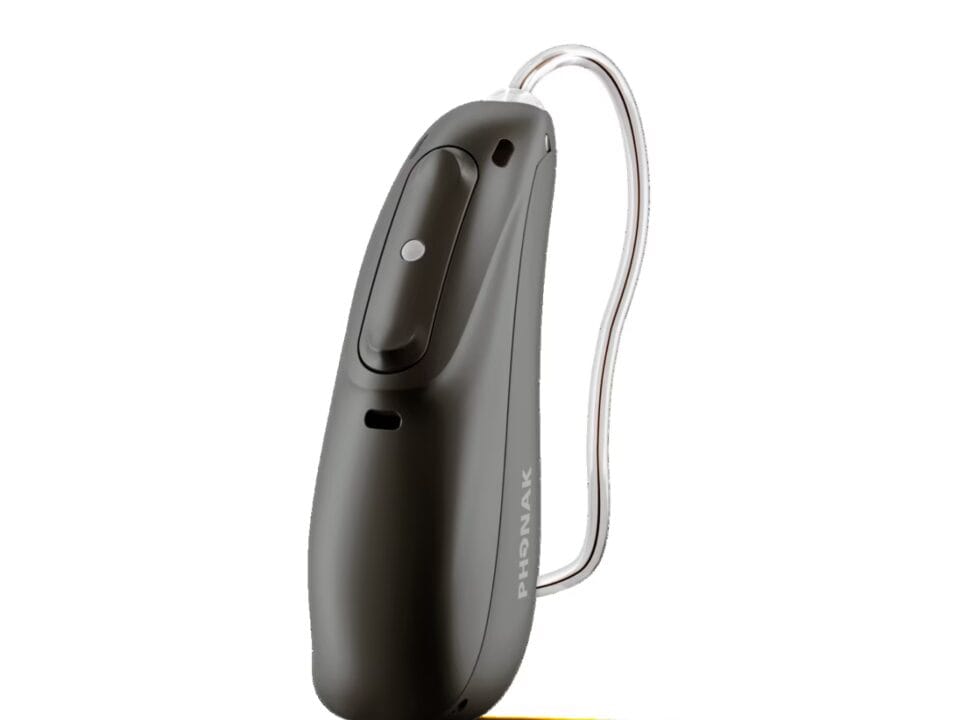
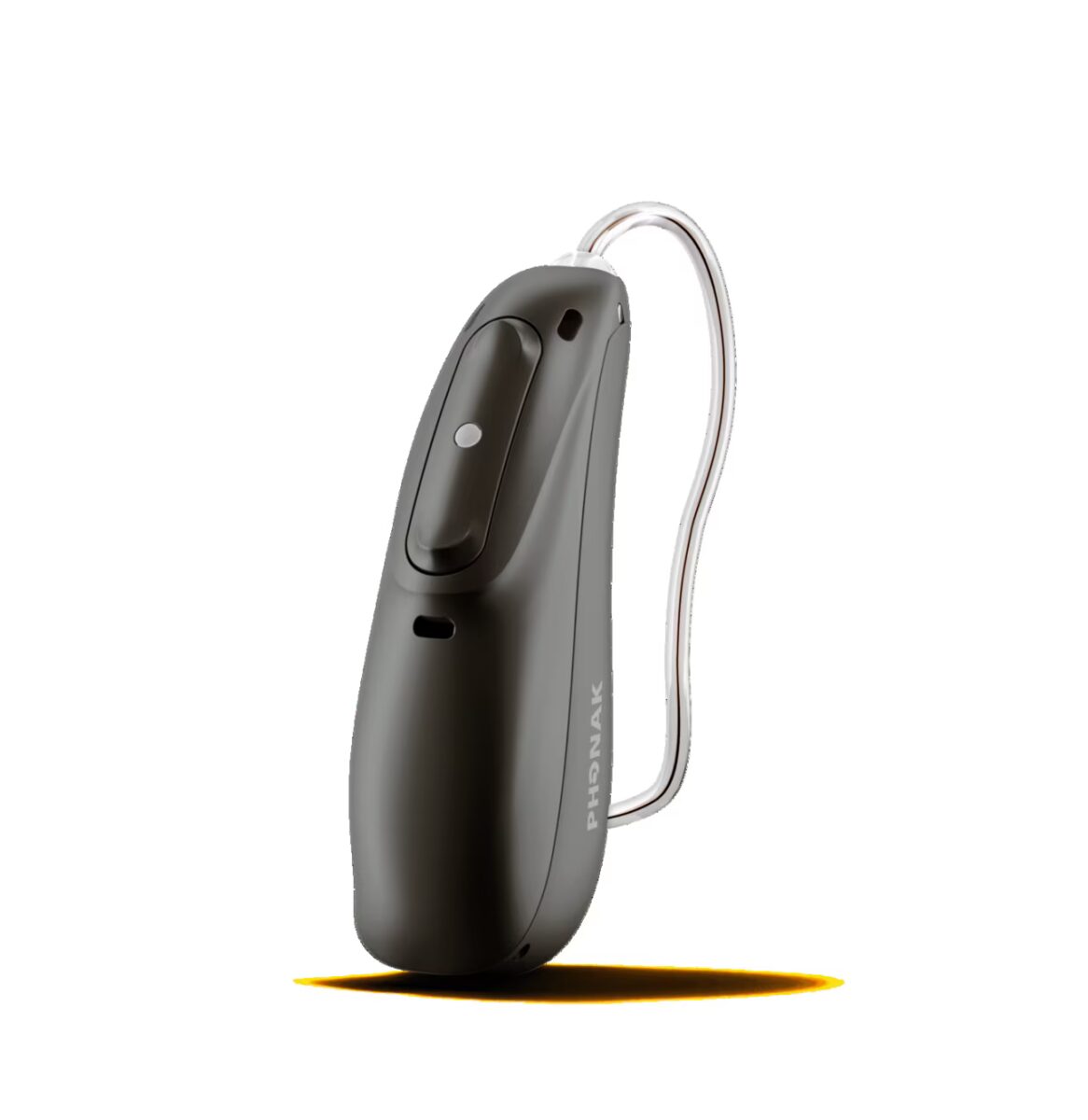
One of the most significant contributors to excessive ear wax buildup is the regular use of devices that sit in the ear canal. Hearing aids, in particular, are notorious for interfering with the natural migration of cerumen. The physical presence of a hearing aid or custom earpiece creates a barrier that prevents wax from moving outward as it normally would. Additionally, the slight trauma and stimulation caused by inserting and removing these devices can actually increase wax production—your ears interpret the presence of a foreign object as something that needs to be expelled.
Research published in dermatological and otological journals has demonstrated that hearing aid users experience significantly higher rates of cerumen impaction compared to non-users. Similarly, people who wear earbuds for extended periods throughout the day—whether for music, podcasts, or phone calls—essentially push existing wax deeper into the canal whilst simultaneously stimulating increased production. This creates a perfect storm for accumulation.
Anatomical Factors: Ear Canal Structure
Some people are simply more prone to wax buildup due to the structure of their ear canals. Narrow or particularly tortuous (curved) ear canals make it mechanically more difficult for wax to migrate outward naturally. These anatomical variations are genetic, which explains why ear wax problems often run in families.
Additionally, the presence of bony growths called exostoses, sometimes seen in regular swimmers or cold-water exposure, can create pockets where wax becomes trapped. Your audiologist can identify these structural factors during otoscopic examination.
Age-Related Changes in Cerumen Consistency
As we age, the composition of our ear wax changes. Older adults tend to produce wax that is drier and harder, partly due to hormonal changes and partly due to decreased function of the ceruminous glands. This harder wax is less likely to migrate naturally and more likely to become impacted. Combined with the fact that many older Australians also wear hearing aids, this creates a compounding effect.
Clinical observation suggests that the transition to drier wax often occurs gradually through middle age, but patients typically only notice the problem when an actual blockage develops—hence the perception of suddenness.
Skin Conditions and Dermatological Factors
Certain skin conditions can affect the ear canal and alter wax production. Eczema, psoriasis, and seborrhoeic dermatitis can all lead to increased scaling and debris in the ear canal, which mixes with normal cerumen to create more stubborn blockages. Research in dermatological literature has identified links between these conditions and both increased cerumen production and altered wax consistency.
Similarly, people with naturally drier skin or those living in low-humidity environments may produce wax that is less fluid and more prone to impaction.
The Cotton Bud Paradox
Perhaps the most counterintuitive cause of excessive ear wax buildup is the very thing many people use to address it: cotton buds. When you insert a cotton bud (or any similar object) into your ear canal, you almost inevitably push existing wax deeper, packing it against the eardrum rather than removing it. This creates a compressed plug that becomes increasingly difficult to clear naturally.
Furthermore, regular cotton bud use can stimulate the ceruminous glands to produce even more wax, as your ear canal interprets the cleaning attempt as irritation requiring a protective response. It’s a frustrating cycle that audiologists see regularly in clinical practice—well-intentioned cleaning attempts that ultimately worsen the very problem they’re meant to solve.
When Does Ear Wax Become a Problem?
Not all ear wax requires intervention. In fact, a certain amount of cerumen is healthy and protective, helping to moisturise the ear canal, trap debris and dust, and provide mild antibacterial properties. The question is: when has accumulation crossed the line from normal to problematic?
You should consider addressing ear wax if you experience:
– Reduced or muffled hearing in one or both ears
– A sensation of fullness or blockage
– Tinnitus (ringing or buzzing) that wasn’t previously present
– Discomfort or mild pain
– Difficulty hearing with your hearing aids, or hearing aids that whistle more than usual
– Dizziness (though this is less common and warrants medical assessment)
– Discharge or unusual odour (seek medical attention, as this may indicate infection)
It’s worth noting that attempting to self-diagnose ear wax blockage can be misleading. What feels like wax might be fluid from middle ear dysfunction, and what looks like wax to the untrained eye might be discharge from an infection. This is why professional assessment with an otoscope or video otoscope is valuable—it allows direct visualisation of what’s actually happening in your ear canal.
Safe and Effective Ear Wax Management
If you’ve determined that excessive ear wax is indeed your issue, the question becomes: what should you do about it?
The gold standard for ear wax removal in audiology practice is professional removal using methods such as microsuction, which uses gentle suction under direct visualisation to remove wax safely. This method is particularly suitable for people with perforated eardrums, those who’ve had previous ear surgery, or anyone who simply wants the most controlled and precise removal method available.
Other professional removal methods include irrigation (using temperature-controlled water) and manual instrumentation with specialised tools. Your audiologist will select the most appropriate method based on the nature of your wax, your ear canal anatomy, and your medical history.
For some people with recurring buildup, a maintenance routine using over-the-counter ear wax softeners can be helpful. These typically contain ingredients like carbamide peroxide, glycerin, or sodium bicarbonate. However, these should be used only after professional confirmation that your eardrums are intact and that you don’t have an active infection. Never use ear candles, which are not only ineffective but potentially dangerous.
Prevention Strategies for Recurring Buildup
If you’re prone to excessive ear wax, prevention is often more effective than repeatedly treating the same problem. Here are evidence-based strategies:
**For hearing aid users:** Schedule regular cleaning appointments with your audiologist, typically every 3–6 months, before wax becomes problematic. Keep your hearing aids clean and consider using wax guards or filters to minimise the amount of wax that enters the device itself.
**For earbud users:** Give your ears regular breaks from earbuds, clean your earbuds frequently with appropriate products, and avoid pushing them deeply into the canal. Over-ear headphones can be a less problematic alternative for some people.
**General prevention:** Resist the temptation to use cotton buds or other objects in your ears. If you have skin conditions affecting your ears, work with your GP or dermatologist to manage the underlying condition. Stay hydrated, as this can help maintain optimal wax consistency.
When to Seek Professional Assessment
Whilst ear wax is generally a benign nuisance, certain situations require prompt professional attention. Seek assessment from an audiologist or GP if you experience sudden hearing loss (even if you suspect wax), ear pain, discharge, bleeding, or persistent symptoms despite appropriate treatment.
At The Audiology Place, we regularly see patients who’ve struggled with ear wax for extended periods before seeking professional help. The relief after proper removal is often immediate and profound—many people don’t realise quite how much their hearing or comfort has been compromised until the blockage is cleared.
Remember that this information is educational in nature and not a substitute for personalised medical advice. If you’re concerned about sudden changes in your ear wax or hearing, a professional assessment with otoscopy is the appropriate next step to determine what’s actually occurring in your ear canals and the safest way to address it.