

When Sudden Hearing Loss Is an Emergency
Not every instance of muffled hearing warrants a trip to the emergency department, but certain signs indicate you should seek immediate medical attention:
– **Sudden, unexplained hearing loss in one or both ears** that cannot be attributed to wax blockage or middle ear fluid
– **Hearing loss accompanied by severe vertigo, imbalance, or inability to walk**
– **Sudden hearing loss with severe headache, facial weakness, or neurological symptoms** such as slurred speech or vision changes
– **Hearing loss following head trauma**
– **Profound hearing loss** (near-total or total loss of hearing in the affected ear)
These symptoms may suggest conditions requiring emergency investigation, including stroke, acoustic neuroma, or other neurological events. In these cases, present to your nearest emergency department immediately.
For isolated, sudden hearing loss without neurological red flags—particularly if you notice it upon waking or during routine activities—the appropriate pathway is urgent same-day assessment by an audiologist or ENT specialist, rather than the emergency department. Many emergency departments lack the specialist equipment needed for comprehensive audiological assessment, and delays in appropriate care can occur.
Why the First 48 Hours Matter: The Steroid Window
Research consistently demonstrates that early treatment with corticosteroids offers the best chance of hearing recovery in SSHL cases. The therapeutic window—the period during which treatment is most effective—is generally considered to be within 72 hours of onset, with optimal outcomes seen when treatment begins within the first 48 hours.
Corticosteroids, typically oral prednisolone or intratympanic (through-the-eardrum) injections, reduce inflammation and swelling in the inner ear. The sooner these medications are administered, the better the hair cells and auditory nerve have a chance to recover from whatever insult has affected them.
A 2019 clinical practice guideline published by the American Academy of Otolaryngology–Head and Neck Surgery Foundation strongly recommends corticosteroid therapy for patients with idiopathic SSHL. Studies show that patients who receive steroids within 72 hours have significantly higher rates of hearing recovery compared to those who delay treatment or receive no treatment at all.
Spontaneous recovery does occur in some cases—approximately 32-65% of patients experience some degree of improvement without intervention—but waiting to “see if it gets better” risks missing the critical treatment window. The potential benefits of early steroid treatment far outweigh the risks for most patients.
Immediate Actions: Your 48-Hour Checklist
If you experience sudden hearing loss, follow these steps immediately:
1. **Do not adopt a “wait and see” approach.** Contact an audiologist or ENT specialist the same day, even if it’s a weekend.
2. **Document when you first noticed the hearing loss** as precisely as possible. This timestamp is clinically important for treatment decisions.
3. **Note any accompanying symptoms:** tinnitus, ear fullness, dizziness, recent viral illness, medication changes, or trauma.
4. **Check for obvious causes:** Gently check if earwax could be blocking your ear canal, but do not attempt to remove it yourself with cotton buds or other implements.
5. **Arrange same-day audiological assessment.** Many audiology clinics, including The Audiology Place, offer same-day emergency appointments for sudden hearing loss. This is preferable to emergency department presentation for uncomplicated cases.
6. **Request an urgent ENT referral** if your audiologist identifies sensorineural hearing loss and you’re within the treatment window.
What to Expect: Diagnostic Steps and Same-Day Assessment
When you present for an urgent hearing assessment, your audiologist will conduct several diagnostic procedures to determine the type, degree, and configuration of your hearing loss. These tests are painless and typically take 45-60 minutes.
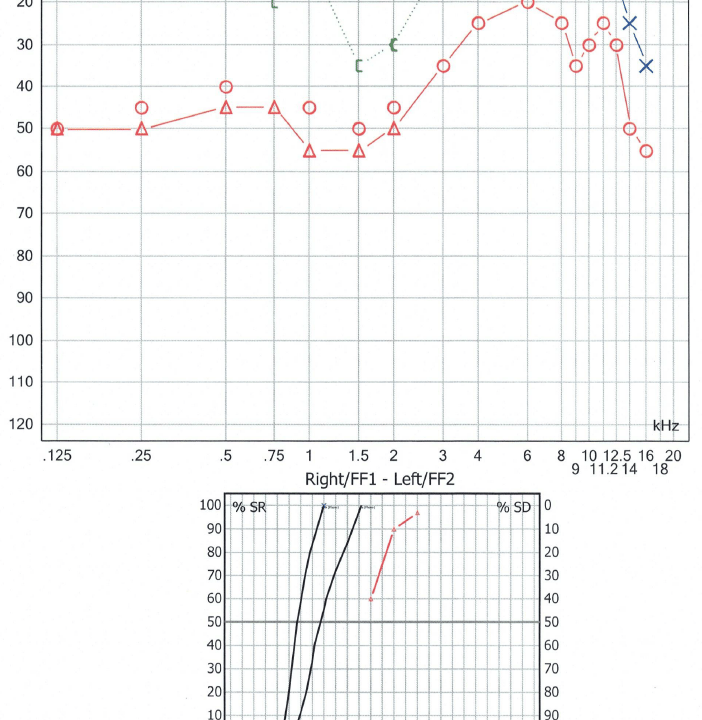
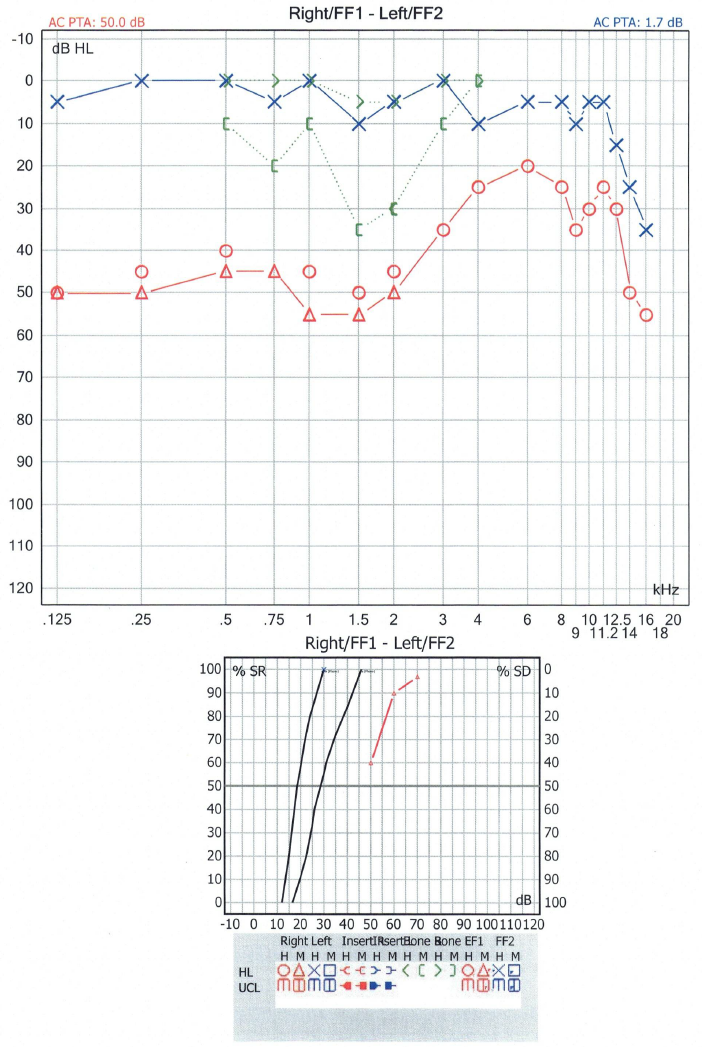
**Comprehensive audiometry** forms the foundation of assessment. Pure-tone audiometry measures your hearing thresholds across different frequencies, establishing whether hearing loss is present and quantifying its severity. Speech audiometry assesses your ability to understand words at various volume levels, providing functional information about communication impact.
**Tympanometry and acoustic reflexes** help differentiate between sensorineural hearing loss (inner ear or nerve-related) and conductive hearing loss (middle ear-related, such as fluid or eustachian tube dysfunction). In sudden hearing loss cases, this distinction is crucial because the management pathways differ significantly.
**Otoscopy**—visual examination of your ear canal and eardrum—rules out obstructive causes like wax impaction or middle ear pathology. If wax is present and could be contributing to hearing loss, safe removal using microsuction or gentle irrigation may be performed immediately.
At specialist clinics like The Audiology Place, **Real Ear Measurement (REM)** technology may be used if hearing aid fitting becomes necessary during follow-up care, ensuring evidence-based, verified amplification tailored to your specific hearing loss profile. However, in the acute phase, the focus remains on diagnosis and urgent medical referral rather than hearing aid provision.
**Speech-in-noise testing** may be deferred during emergency assessment but becomes valuable during follow-up to understand real-world listening challenges and rehabilitation needs.
Transparency and Independence in Urgent Hearing Care
When seeking urgent hearing care, you deserve clarity about who is assessing you and their qualifications. Look for clinics staffed by university-qualified audiologists — these practitioners have the training and diagnostic equipment necessary to properly assess sudden hearing loss and coordinate appropriate medical referrals.
Be wary of “free hearing checks” at retail hearing aid outlets during a sudden hearing loss episode. While these services have a place in hearing healthcare, they typically lack the comprehensive diagnostic capabilities needed for medical emergencies and may not have established ENT referral pathways for urgent cases.
Time Is Hearing: Take Action Now
Sudden hearing loss is one of the few audiology presentations that constitutes a genuine medical emergency. The evidence is clear: early assessment and treatment within 48-72 hours offers the best chance of hearing recovery. Delayed presentation beyond this window significantly reduces the likelihood of improvement.
If you or someone you know experiences sudden hearing loss, do not wait. Contact an audiologist or ENT specialist immediately for same-day assessment. In Sydney, The Audiology Place offers urgent same-day appointments for sudden hearing loss presentations—contact the clinic directly to arrange immediate assessment.
Remember: when it comes to sudden hearing loss, every hour counts. Your hearing is worth protecting, and early action gives you the best possible chance of recovery.
—
**References and further reading:**
Chandrasekhar SS, et al. (2019). Clinical Practice Guideline: Sudden Hearing Loss (Update). *Otolaryngology–Head and Neck Surgery*, 161(1_suppl), S1-S45.