Frequently Asked Questions
The Audiology Place | Forestville, Northern Beaches
Understanding Your Options: Which Wax Removal Method Is Right for You?
What exactly is microsuction, and how does it differ from water syringing?
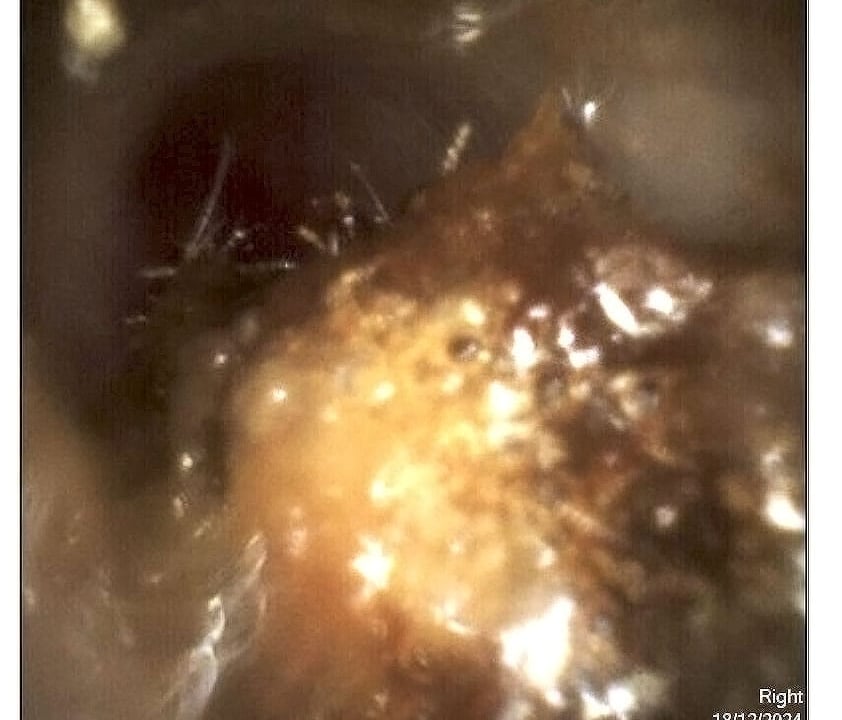
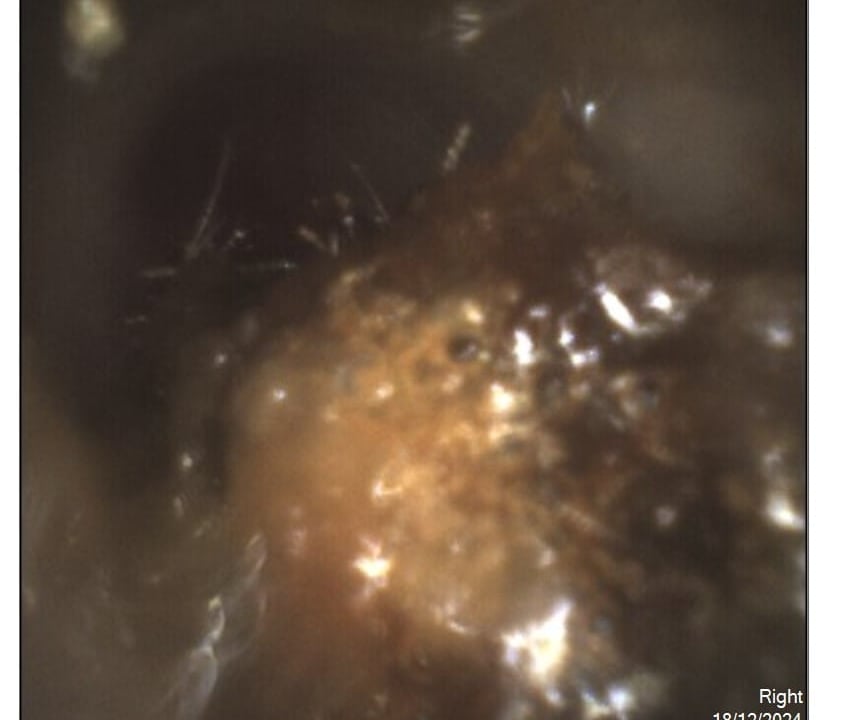
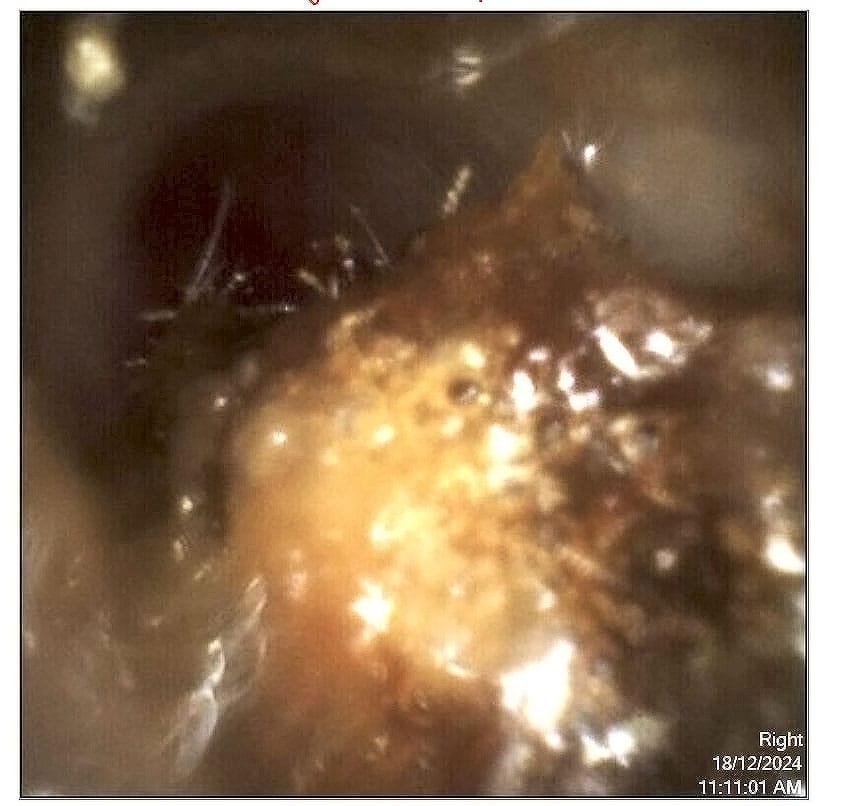
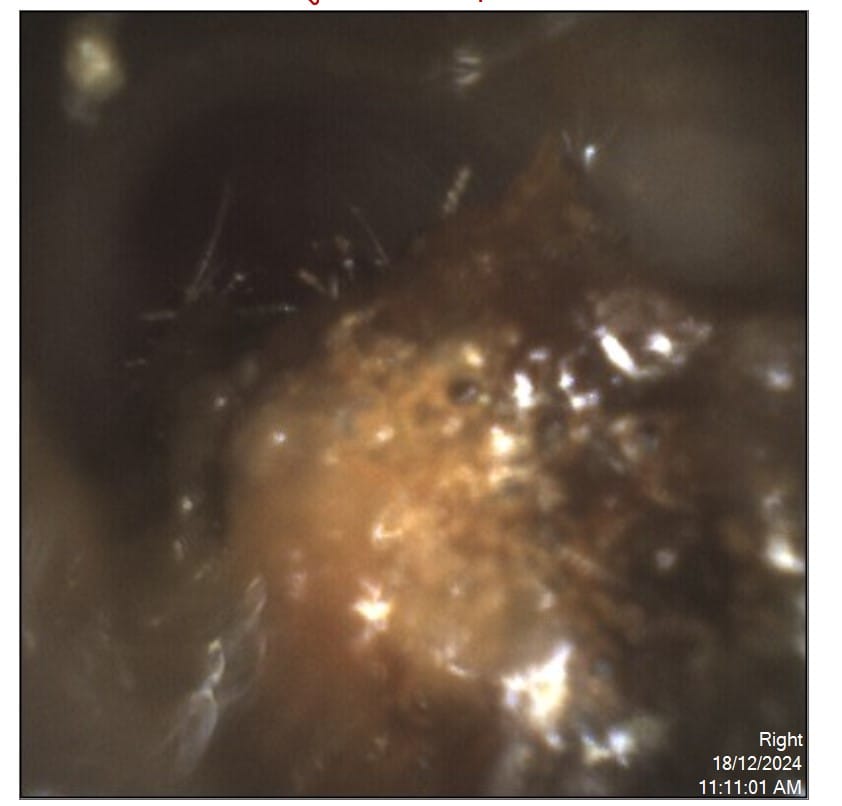
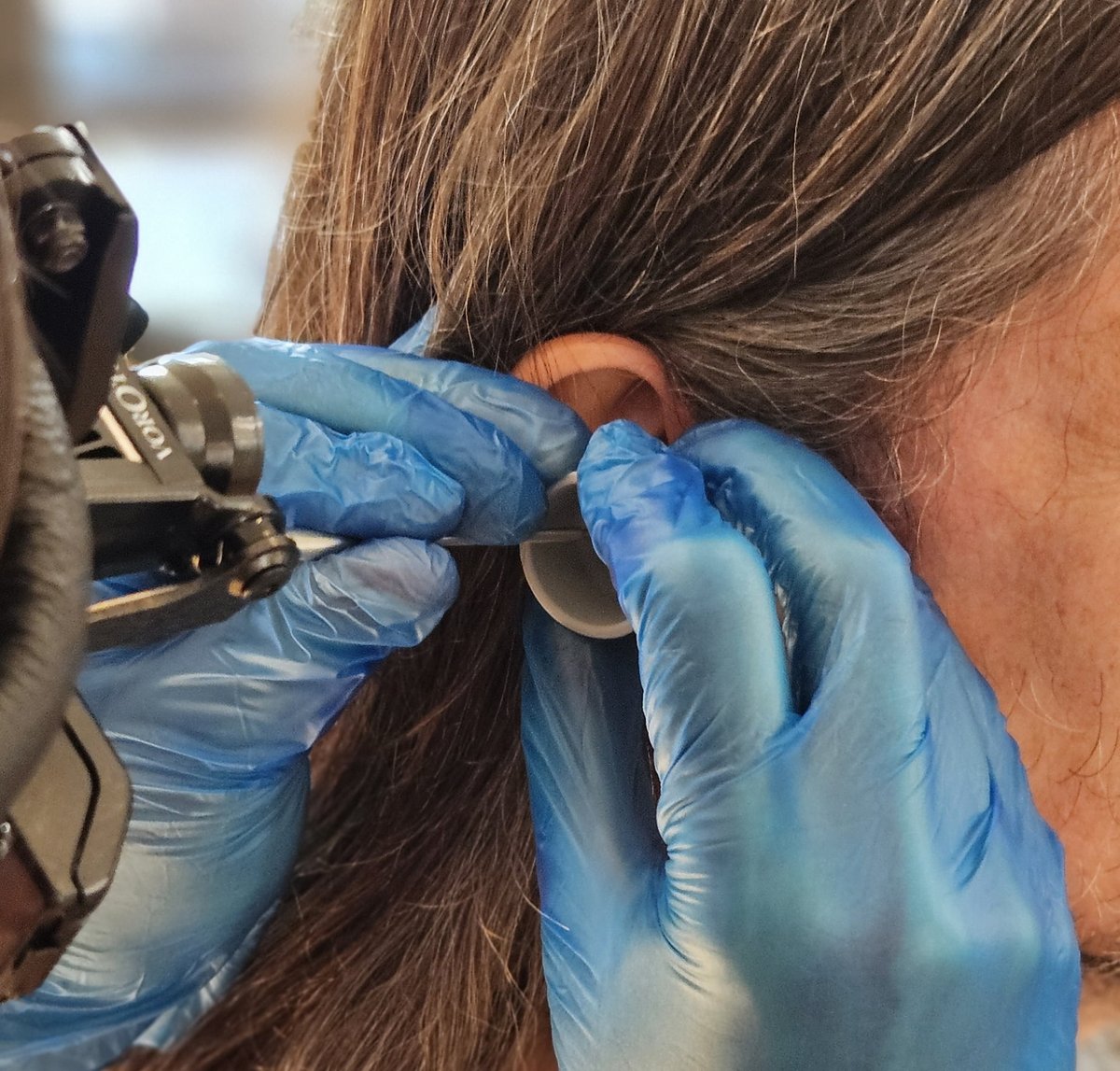
Microsuction uses a tiny vacuum attached to a thin probe, guided by either a microscope or video-otoscope, so we can see exactly what we’re doing, magnified! Think of it like a miniature vacuum cleaner for your ear canal. The audiologist watches the entire process through magnification, making real-time adjustments as the wax comes out.
Water syringing (sometimes called ear irrigation) works differently. A controlled stream of warm water flushes against the wax, dislodging it. Your GP practice nurse typically performs this using a pulsed irrigator rather than the old metal syringes.
The key difference comes down to visibility and control. With microsuction, we’re watching everything unfold. With syringing, the practitioner works somewhat blind, relying on water pressure to do the work.
When should I choose microsuction over syringing?
Microsuction becomes the clear choice in several situations. If you’ve had ear surgery of any kind, including grommet insertion, mastoidectomy, or tympanoplasty, syringing poses real risks. The same applies if you have a perforation in your eardrum or suspect you do. Water entering the middle ear space can trigger painful infections. This then becomes even more of a question mark because of the wax – with the wax blocking the view of what is happening in the ear, how can we even know what is happening behind it?
People with diabetes often experience slower healing in the ear canal, making the dry technique preferable. If you’ve had recurrent ear infections or currently have any discharge, keeping water out reduces the risk of complications.
Some people find microsuction more comfortable. The sensation is unusual but brief. Syringing can feel dizzying for some patients, particularly if the water temperature isn’t spot-on or if you have any vestibular sensitivity.
When is syringing a possible option?
Syringing works well with soft, mushy wax that softens with olive oil. It is sometimes available at GP practices, costs less than seeing a specialist, and effectively handles straightforward blockages where the GP is confident that there are no concerns behind the wax.
If your wax is genuinely soft after using drops for a week and you have no history of ear problems, your GP practice is a reasonable starting point. Many bulk-bill or charge minimal fees.
The catch? If it doesn’t work after one or two attempts, or if you experience any pain or dizziness, stop and seek microsuction. Repeated syringing attempts can cause trauma to the ear canal skin.
What about seeing an ENT surgeon for wax removal?
ENT specialists handle all cases from the straightforward to the complicated cases. If you have severe chronic ear disease, unusual anatomy from previous surgery, or wax packed against a graft or prosthesis, an ENT consultation makes sense.
The trade-off is access and cost. ENT waiting lists can stretch months in the public system. Private consultations typically cost $150 to $300 before any procedure, and wax removal is considered an operating theatre item if done under general anaesthetic.
For most people with stubborn wax, an experienced audiologist with microsuction training represents the sweet spot between GP-level syringing and ENT-level intervention.
When Things Don’t Go to Plan
What happens if microsuction doesn’t fully clear my ears?
Sometimes we can’t get everything in one visit. The wax might be concrete-hard after years of accumulation. It might sit directly against your eardrum, requiring extra caution. Your canal might be unusually narrow or have sharp bends.
In these cases, we’ll remove what we safely can, then send you home with softening drops and a follow-up appointment. Two to three days of CleanEars spray often transform stubborn wax into something much more manageable. The goal is complete clearance without any trauma to your ear canal or drum.
Very occasionally, we’ll recommend an ENT referral. This happens when wax removal reveals an underlying condition needing medical attention, when the wax sits in a surgically altered ear with complex anatomy, or when, despite our best efforts, we can’t safely complete the job.
What are the red-flag symptoms I should never ignore?
Sudden hearing loss demands urgent attention. We’re not talking about the gradual muffling you notice over the course of weeks. If you wake up one morning and can’t hear out of one ear, or if your hearing drops dramatically over hours, get seen within 24-48 hours. This could indicate sudden sensorineural hearing loss, which responds best to early treatment with steroids.
Pain is another warning sign. Healthy wax removal shouldn’t hurt. Discomfort or unusual sensations? Normal. Actual pain? Not normal. If your ear hurts before, during, or after wax removal, something else is going on.
Discharge tells its own story. Clear fluid might indicate a perforation. Yellow or green discharge suggests infection. Blood after wax removal could mean a scratch to the canal skin (usually minor) or something more significant requiring examination.
Dizziness or vertigo during or after wax removal warrants immediate assessment. While some brief light-headedness can occur, room-spinning vertigo or persistent unsteadiness needs investigation.
When should I go to the emergency room instead of waiting for an appointment?
Head straight to the emergency if you experience sudden complete hearing loss in one or both ears, severe vertigo where you can’t stand or walk, high fever with ear pain, or discharge that looks like blood or pus following recent ear surgery.
Emergency departments aren’t set up for routine wax removal. Still, they can identify and begin treating conditions like acute otitis externa, mastoiditis, or perilymph fistula that occasionally masquerade as simple wax problems.
Why Does This Keep Happening? Understanding Your Ears
Why do some people produce so much more wax than others?
Genetics plays the most significant role. Some families make copious quantities of soft, liquid wax. Others produce barely any. Still others generate the dry, flaky type more common in East Asian populations. You can thank your parents.
Ear canal shape matters too. Narrow canals trap wax more easily. Sharp S-curved canals create natural collection points. Bony growths called exostoses (common in surfers and swimmers) physically obstruct the self-cleaning pathway.
What you put in your ears changes things. Hearing aids, earbuds, earplugs for work or sleep, and in-ear monitors all naturally prevent wax from migrating outward. They also stimulate wax glands to produce more. If you wear hearing aids daily, expect to need wax removal at some points through each year.
Skin conditions amplify production—eczema, psoriasis, and seborrheic dermatitis in the ear canal trigger inflammatory responses that increase wax secretion. Treating the underlying skin condition often reduces wax buildup.
I’ve heard cotton buds are bad. Is that really true?
Cotton buds are terrible for the ears. Full stop. The old saying goes: never put anything smaller than your elbow in your ear. There’s wisdom in that.
Here’s what actually happens. The cotton tip contacts the wax sitting near the outer portion of your canal and pushes it deeper, compacting it against the eardrum. Each well-intentioned cleaning session rams more wax onto the existing plug. Eventually, you’ve created an impaction that would never have formed naturally.
The other risk is perforation. One slip, one moment where someone bumps your elbow, one curious toddler walking past, and the cotton bud can puncture the eardrum. We see it more often than we’d like. The one that stands out the most was a woman who had wrapped her newly washed hair in a towel turban and as she was cleaning her ear with a cotton bud, the towel started to slip down and her instinct was to reach up to grab it – where she then pushed the cotton but deep into her ear canal with force and punctured her ear drum!
What about that satisfied feeling of brown wax on the cotton bud? That’s surface debris you could have left alone. The wax doing actual work sits deeper, where you’ve just pushed the problem stuff.
What about ear candles? My naturopath swears by them.
Ear candles do nothing beneficial and create real risks. The premise sounds vaguely plausible: generate a vacuum to draw out wax. The reality? The vacuum doesn’t exist. Physics doesn’t work that way.
Researchers have tested this extensively. They’ve placed ear candles in model ear canals and measured pressure differentials. Nothing. They’ve analysed the residue left in burned candles and found it’s entirely candle wax, not earwax.
Meanwhile, emergency departments see ear candle injuries regularly: burns to the face and ear, candle wax dripped onto eardrums, perforations, and house fires. The TGA has issued warnings. Insurance doesn’t cover the damage. Another story seen in clinic was from a well-meaning mother wanting to clear out her five-year-old son’s ears, only for the hot wax to drip into his ear canal and burn a hole in his eardrum – permanent damage that could have been avoided.
Your naturopath may be excellent at other things. On this topic, they’re wrong.
What’s actually safe to do at home between appointments?
Olive oil sprays remain the safest, easiest and hassle-free home approach. A few sprays of an olive oil based spray such as our favourite – CleanEars – work really well. Don’t use cotton buds to clean up.
Commercial softening drops like Waxsol or Cerumol work faster for harder wax but can irritate sensitive ear canal skin, as they are not entirely natural products.
Leave the ear alone as much as possible. Your ear canal has its own cleaning mechanism. Jaw movement during talking and chewing naturally migrates wax outward. Let that system work.
Special Situations: Kids, Sensory Sensitivities, and Medical Conditions
Can children have microsuction? At what age?
Children can absolutely have microsuction, and we regularly treat our younger patients. The technique works well for kids precisely because it’s quick and requires no water (which children often find more distressing than the suction sensation).
The primary consideration isn’t age but cooperation. We need the child to stay very still for a few minutes. Most school-aged children manage this easily. Younger children benefit from parental presence and sometimes a practice run where we look without touching anything.
For infants and very young toddlers, we might use a tiny curette (a small, looped instrument) under direct vision rather than suction, as suction sounds in a small ear canal can be startling. Some babies sleep right through the process when well-timed around nap schedules. The procedure itself causes no pain when a child is sitting still, however the noise can cause the young ones to feel anxious.
My child has autism and is extremely sensitive to sounds. Is microsuction possible?
Sensory sensitivities require thoughtful adaptation, not outright avoidance. We’ve successfully treated many children and adults with autism, sensory processing differences, and sound sensitivities.
Our approach typically involves a desensitisation visit first. We show the equipment, let the child handle the speculum and probe while turned off, demonstrate the suction sound at a distance, and gradually bring it closer only as tolerated. Social stories prepared by parents beforehand help tremendously.
Some children do better with noise-cancelling headphones playing preferred music during the procedure, leaving one ear accessible at a time. Others prefer to watch on the video screen, turning the experience into something fascinating rather than frightening.
For children who cannot tolerate the clinic environment, we discuss alternatives, including GP syringing under sedation or ENT removal under general anaesthetic. These carry their own risks and waiting times, but remain options.
What about people with dementia or cognitive impairment?
People with dementia often develop wax problems because they can’t report hearing changes until impaction becomes severe, and carers may hesitate to interfere with the ears. Regular maintenance appointments every 3 to 6 months prevent crises.
The key to successful treatment is familiar surroundings and familiar people. Having a trusted family member or carer present provides reassurance. We keep explanations simple, repeat them as needed, and take breaks if distress emerges.
Sometimes the cognitive impairment matters less than you’d expect. The procedure is brief, and many people with moderate dementia tolerate it perfectly well when approached calmly. We pay more attention to body language than to verbal responses.
For residents in aged care facilities, we can discuss whether in-facility visits might reduce distress compared to clinic appointments. The answer depends on individual circumstances.
I have very narrow ear canals. Does that affect treatment?
Narrow canals require smaller instruments and more patience, but rarely prevent successful wax removal. We have a range of specula and probes specifically for smaller anatomy.
What narrow canals do mean: appointments may take slightly longer, you’ll likely need more frequent maintenance (narrow canals block faster), and thorough softening beforehand becomes even more critical.
Exostoses (bony growths from cold water exposure) deserve special mention. These create pinch points that trap wax in segments. Treatment involves careful work across multiple chambers rather than a single continuous clear-out. Severe exostoses occasionally require surgical removal by an ENT surgeon before we can access the wax.
I’m on blood thinners. Is microsuction safe for me?
Microsuction is generally safe for people taking anticoagulants, and usually preferable to syringing. The direct visualisation means we can avoid touching the ear canal walls and spot any bleeding immediately.
That said, we need to know your anticoagulation status beforehand. Patients on blood thinners should mention this when booking. We won’t necessarily change our technique, but we’ll be extra cautious and have appropriate responses ready if bleeding occurs.
The ear canal has an excellent blood supply, so minor scratches bleed more prominently in anticoagulated patients. This usually stops with gentle pressure. We’ll hold off on removing wax if your recent INR is very high or if you mention recent bleeding episodes elsewhere.
I’ve had a mastoidectomy. Can I still have microsuction?
Mastoid cavities require specialist handling. These surgically created spaces have different anatomy, often lack the standard protective mechanisms of a healthy ear canal, and may connect to areas where we don’t want to introduce even minor trauma.
At The Audiology Place, Dr. Signe and Charlen has extensive experience with mastoid cavities. The critical factors are understanding what surgery was performed, where the cavity sits, and whether there’s an intact eardrum or an open mastoid bowl.
Most mastoid cavities actually need regular cleaning precisely because they trap wax and debris that can’t migrate out naturally. The technique differs from standard microsuction, as it is performed under higher magnification with specialised instruments.
If you’ve had mastoid surgery, bring your surgical reports to your first appointment. We’ll review your specific anatomy and establish an appropriate maintenance schedule.
Wax and Your Hearing Health
How do I know if my hearing problem is ‘just wax’ versus something more serious?
Wax blockage typically produces specific symptoms: muffled hearing (like listening through a pillow), a sensation of fullness or pressure, sometimes tinnitus or amplification of your own voice, and occasionally itchiness. Symptoms often worsen after swimming or showering, when water can cause the wax to swell.
Red flags suggesting something beyond wax include: sudden onset over hours rather than days, hearing loss in one ear only without apparent cause, associated vertigo or balance problems, pain or discharge, and hearing loss that persists after wax removal.
Here’s the practical approach: if you suspect wax, get it checked. If wax removal restores your hearing completely, excellent. If it doesn’t, or if the audiologist sees concerning findings during examination, further investigation follows. The examination itself provides information regardless of whether wax turns out to be the culprit.
Can wax cause or worsen tinnitus?
Wax can absolutely trigger or amplify tinnitus. The mechanism works two ways.
Direct pressure: when wax contacts the eardrum, it can stimulate the nerve endings and produce phantom sounds. Patients often describe this as a low, rumbling or humming sound that resolves immediately after removal.
Conductive blockage: By reducing external sound input, wax creates relative silence, unmasking tinnitus that was always present but drowned out by environmental noise. Think of it like your refrigerator hum, which becomes obvious only when the house goes quiet.
Some people worry that microsuction will cause tinnitus. The suction makes noise, and some patients notice temporary ringing afterwards. This almost always settles within hours to days. Persistent new tinnitus after microsuction is extremely rare and usually indicates an underlying condition that was masked by the wax rather than caused by its removal.
I have hyperacusis (sound sensitivity). Will microsuction make it worse?
This question comes up frequently, and the answer requires understanding what’s happening. Hyperacusis involves abnormal loudness perception, often with discomfort at sound levels others find normal.
Microsuction does produce sounds close to your ear. For people with hyperacusis, we take specific precautions: using the lowest adequate suction pressure, working in shorter bursts with breaks, positioning the suction source to minimise direct sound transmission, and sometimes combining treatment with your existing sound therapy approaches. We also try with curettes before microsuction if it is determined possible.
Interestingly, wax blockage can actually contribute to hyperacusis by altering how you perceive your own voice and by creating inconsistent sound input that destabilises your auditory processing. Some patients find their hyperacusis improves after wax removal once the initial sensitivity settles.
If you’re managing hyperacusis with a specific protocol from an audiologist or psychologist, let us know. We’ll coordinate our approach with your existing treatment plan.
How does wax affect my hearing aids?
Wax and hearing aids interact in frustrating ways. Wax blocks this tubes, receiver tubes, wax filters and vents, muffles sound output, causes feedback whistling, and triggers moisture alarms. A hearing aid that worked perfectly yesterday can sound terrible today because of a tiny wax flake. I like to explain it by comparing to glasses – if we don’t clean our glasses every day, we may not see as well because of blurry spots. If the glass is dirty enough, we won’t see at all.
The relationship runs both ways. Hearing aids stimulate wax production by occluding the ear canal and preventing its natural migration. They also push existing wax deeper with each insertion.
Our recommendation for the more waxy hearing aid wearers: routine microsuction every three to four months, regardless of symptoms. Preventive maintenance costs less than emergency appointments when your aids suddenly stop working before an important event. It also protects your investment, since wax damage to receivers is one of the most common repair issues.
When we remove wax from hearing aid wearers, we always check the devices themselves. Wax in your ears often means wax in your aids. We’ll clean accessible components and advise if professional servicing seems needed.
Should I get wax removed before a hearing test?
Yes. Wax in the ear canal creates a conductive barrier that artificially elevates your hearing thresholds. A hearing test performed with wax-blocked ears produces inaccurate results that don’t reflect your actual hearing ability.
At The Audiology Place, we check the ears before every diagnostic hearing assessment and if needed, discuss the wax removal process and associated cost, which we can do on the same daysS. This is one reason we include wax removal capability in our clinic rather than referring elsewhere. It streamlines your appointment and ensures your test results actually mean something.
What to Expect: Before, During, and After
How should I prepare for my microsuction appointment?
The single most helpful preparation is softening drops. Use and olive oil spray such as CleanEars, or similar drops two to three times daily for three to five days before your appointment. This transforms rock-hard wax into something we can remove quickly and comfortably.
Don’t worry if you can’t use drops for the whole period. Even one or two days helps. And if you forget entirely, we can still proceed. It just might take a bit longer or require a follow-up visit.
Bring a list of any ear surgery, current ear symptoms, and medications (particularly blood thinners). If you’ve had microsuction elsewhere previously, knowing how you responded helps us tailor our approach.
What will I actually experience during the procedure?
You’ll sit in a comfortable chair. We’ll look in your ear first using an otoscope or a video camera to assess what we’re dealing with, and we’ll show you on screen if you’re curious.
The speculum (a slight funnel shape) holds your canal open. It feels like something sitting in your ear because it is. You’ll hear the suction activate: a rushing sound, sometimes with crackling or popping as wax pieces come loose. Some people find it surprisingly loud. This is normal and not damaging to your hearing.
Sensations range from nothing at all to slight tickling, tugging, or pressure. Actual pain is not expected. If anything hurts, please let us know immediately so we can adjust our technique.
The whole process typically takes 10 to 20 minutes, depending on the wax quantity and consistency. Both ears can usually be done in one appointment.
Will it hurt?
Microsuction shouldn’t hurt. If you experience pain, something else is going on: active infection, an abrasion we’ve uncovered, or possibly the wax sitting directly on a sensitive area. We stop and reassess rather than pushing through.
What you might feel: strange tugging sensations, brief moments of dizziness if we touch near the eardrum, ticklishness that makes you cough (ear and throat nerves share pathways), and the noise itself can feel intense even without physical discomfort.
Anxiety about the procedure often creates more distress than the procedure itself. If you’re nervous, please let us know. We’ll talk you through each step and take the time to explain.
What should I expect afterwards?
Immediately after removal, sounds may seem louder or sharper than you remember. This is your normal hearing returning, not damage. Your brain adjusts within hours to days.
Some temporary effects are common: a feeling of ‘openness’ or ‘coldness’ in the ear canal, mild itchiness as the skin settles, occasional crackling or popping sounds, and sometimes brief tinnitus that resolves within a day.
You can resume normal activities immediately. Swimming, flying, using hearing aids, and showering are all fine. If we’ve removed a large amount of wax or found any inflammation, we might recommend keeping the ear dry for a day or using particular drops, but that’s the exception.
How often should I come back?
This depends entirely on your individual wax production and risk factors. Some people need annual checks. Others require quarterly visits.
Hearing aid wearers with known waxy ears typically benefit from three to four monthly maintenance visits. People with narrow canals, exostoses, or skin conditions often need similar frequency. Those with mastoid cavities may need even more regular attention.
If you’ve had a one-off blockage with no underlying risk factors, you might not need routine appointments. We’ll give you personalised guidance based on what we find and what we know about your ears.
Real-World Scenarios
Case: The hearing aid wearer with recurring wax
Margaret, 72, wears bilateral receiver-in-canal hearing aids. Every few months, her right aid starts sounding muffled and eventually cuts out entirely. Her audiologist changes the wax guards, which helps briefly, but the problem returns.
What’s happening: Margaret’s right ear produces significantly more wax than her left, possibly due to her sleeping position or anatomical differences. The hearing aid receiver sits in the wax production zone, both stimulating output and blocking the exit path.
Our approach: We established a three-monthly microsuction schedule, synchronised with her hearing aid review appointments. We also adjusted her right aid to a different dome style that allows slightly more air circulation. The combination reduced her emergency visits from five per year to zero.
Case: The swimmer with itchy, blocked ears
James, 34, swims laps four mornings weekly. He’s noticed persistent itchiness, intermittent blockage, and occasional discharge from both ears. Cotton buds provide temporary relief, but the itch always returns.
What’s happening: James has early-stage exostoses (surfer’s ear) from years of cold-water exposure. These bony growths create pockets where water and wax collect. His cotton bud use has pushed wax onto these growths and caused chronic irritation to the canal skin.
Our approach: We removed the impacted wax using microsuction, referred him to his GP to treat the underlying otitis externa (canal skin infection) with appropriate drops, fitted him with custom-moulded swimming plugs to keep water out, and permanently banned cotton buds. We see him every six months to monitor his exostoses progression and prevent recurrent blockage.
Case: The teenager with earbuds and a failed hearing test
Sophie, 15, failed her school work experience hearing screening. Her parents were worried about hearing damage from loud music through her wireless earbuds. She’d also mentioned her ears feeling blocked after wearing them all day.
What’s happening: Sophie’s hearing was fine. Bilateral wax impaction from daily earbud use had created enough blockage to fail the screening. The earbuds prevented natural wax migration and pushed existing wax deeper with each insertion.
Our approach: We removed the wax, repeated the hearing test to confirm expected results, and counselled the family on safe earbud practices: cleaning the buds regularly, taking listening breaks, keeping volume at safe levels, and using olive oil drops monthly to maintain wax mobility. Follow-up in six months confirmed the problem hadn’t recurred.
Still Have Questions?
This guide covers the most common concerns we hear at The Audiology Place, but every ear is different. If your situation doesn’t fit neatly into these categories, or if you’re uncertain whether microsuction is right for you, book a consultation. We’ll examine your ears, discuss your specific circumstances, and recommend the most appropriate path forward.
The Audiology Place | Forestville, Northern Beaches | theaudiologyplace.com.au
Led by Dr Signe Steers, an independent audiologist with 20+ years of paediatric and adult audiology experience.