Ear wax – medically known as cerumen – is one of those bodily functions we rarely think about until it becomes a problem. When your ears feel blocked, sounds become muffled, or you experience that uncomfortable sensation of fullness, it’s tempting to reach for a cotton swab or try one of the countless home remedies circulating online. However, when it comes to earwax removal, what seems like a quick fix can sometimes create more problems than it solves.
Earwax is perfectly natural and common, but sometimes it can be difficult to remove.
Understanding the proper way to manage earwax and knowing when to seek professional help can protect your hearing health and prevent potentially serious complications. In this article, we’ll explore evidence-based methods for ear cleaning and explain why audiologist-performed wax removal remains the gold standard for managing problematic ear wax buildup.
Understanding Your Ear’s Natural Cleaning System
Before we discuss removal methods, it’s essential to understand that earwax isn’t actually a problem – it’s a solution. Cerumen serves several vital protective functions within your ear canal. It traps dust, debris, and microorganisms before they can reach the delicate eardrum. The wax also lubricates the ear canal, preventing the skin from becoming dry and itchy, and it contains antimicrobial properties that help ward off infections.
For most people, the ears are remarkably efficient at self-cleaning. The skin cells within your ear canal migrate outward in a conveyor-belt fashion, carrying old earwax toward the opening of the ear, where it naturally falls out or is washed away during bathing. This process happens continuously without any intervention required on your part. The jaw movements associated with chewing and talking actually help facilitate this natural migration of wax.
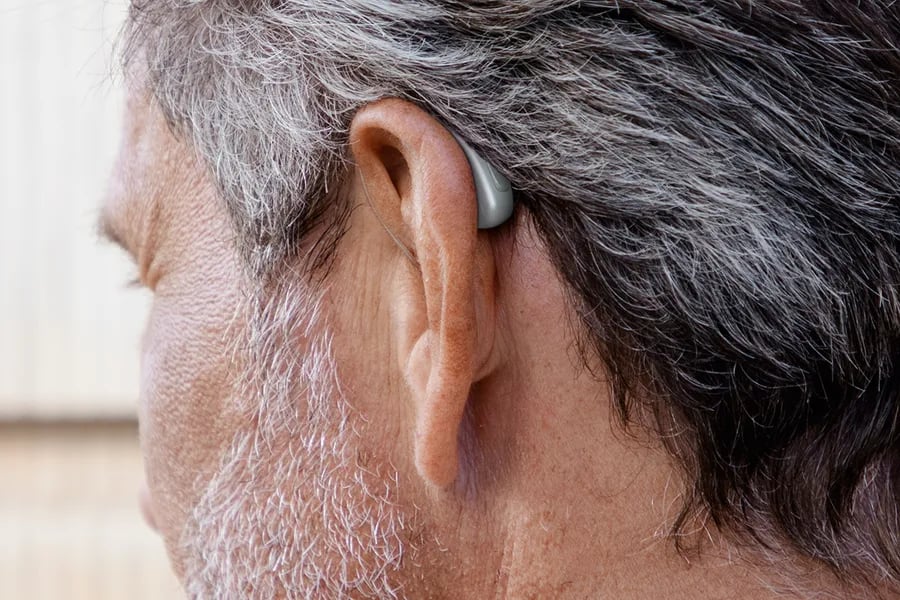
Problems typically arise when this self-cleaning mechanism is disrupted or when wax production is excessive. Some individuals naturally produce more cerumen than others, whilst certain factors – including the use of hearing aids, earplugs, or earbuds – can interfere with the regular outward migration of wax. Age is another factor; as we grow older, ear wax tends to become drier and harder, making it more likely to become impacted.
Proper Ear Cleaning Methods: What You Should (and Shouldn’t) Do
The first rule of ear hygiene is surprisingly simple: less is more. For routine maintenance, your ears require minimal intervention. Gently wiping the outer ear with a warm, damp cloth after showering is typically sufficient. This removes any wax that has naturally migrated to the external portion of the ear without disturbing the delicate structures within the ear canal.
If you’re prone to wax buildup, over-the-counter ear drops designed to soften cerumen can be helpful when used appropriately. These solutions typically contain ingredients such as carbamide peroxide, mineral oil, or glycerine that help break down hardened wax. However, it’s crucial to follow the product instructions carefully and, ideally, consult an audiologist or general practitioner before beginning any ear-drops regimen. Some individuals with perforated eardrums, ear infections, or previous ear surgery should avoid certain types of ear drops altogether.
What Never to Put in Your Ears
The list of objects people have inserted into their ear canals would alarm most healthcare professionals. The golden rule, often stated with tongue firmly in cheek, is this: never put anything smaller than your elbow into your ear canal. More specifically:
– **Cotton swabs (cotton buds)**: Despite being marketed with images suggesting ear cleaning, these are the most common cause of self-inflicted ear injuries. They push wax deeper into the canal, potentially causing impaction against the eardrum. They can also scratch the delicate skin of the ear canal or, in worst-case scenarios, perforate the eardrum.
– **Bobby pins, paperclips, or similar objects**: These rigid items pose significant risks of trauma to the ear canal and eardrum. The skin lining the ear canal is fragile and easily damaged.
– **Fingers**: Beyond being ineffective, fingernails can scratch the ear canal, introducing bacteria that may lead to infection.
– **Ear candles**: Despite persistent myths about their effectiveness, ear candling has been thoroughly debunked by medical research. This practice involves placing a hollow cone-shaped candle in the ear canal and lighting it, supposedly creating a vacuum that draws out wax. In reality, ear candling doesn’t remove wax and poses serious risks, including burns, ear canal obstruction from candle wax, and even eardrum perforation.
The fundamental problem with most home cleaning attempts is that they interfere with the ear’s natural self-cleaning process and risk pushing wax deeper, where it becomes impacted and genuinely problematic.
The Clear Advantages of Professional Ear Wax Removal
When earwax becomes impacted or causes symptoms such as hearing loss, tinnitus (ringing in the ears), earache, itchiness, or a sensation of fullness, it’s time to consult an audiologist for professional earwax removal. This isn’t simply about having someone else do the job – it’s about accessing expertise, specialised equipment, and techniques that cannot be safely replicated at home.
Safety and Precision
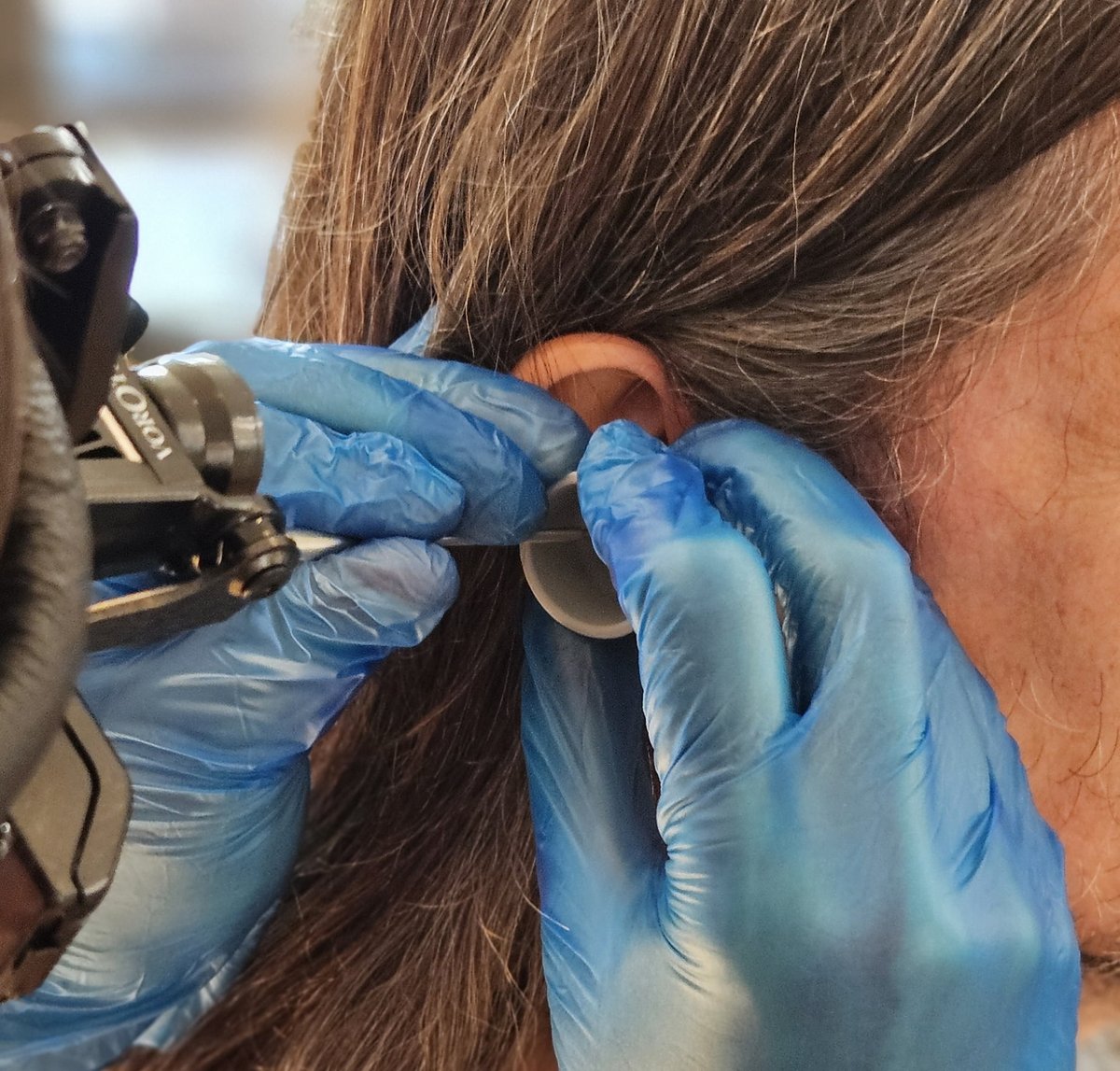
Audiologists undergo extensive training in ear anatomy and physiology. They understand the delicate structures of the ear and can visualise the ear canal and eardrum throughout the removal process. This is achieved using an otoscope or, for microsuction, a microscope or loupe that provides magnified visualisation. This level of precision isn’t possible when removing wax yourself.
Professional removal eliminates the risk of pushing wax deeper into the canal or causing trauma to the ear canal skin or eardrum. Audiologists can also identify other potential issues during examination, such as ear infections, foreign bodies, or abnormalities that might require medical attention.
Effectiveness and Immediate Results
Professional ear wax removal is remarkably effective at clearing even stubborn blockages. Many patients report immediate improvement in their hearing following the procedure – quite literally, the world becomes clearer the moment the blockage is removed. This can be a revelation for individuals who have been experiencing gradual hearing loss and attributed it to ageing or other factors, not realising that a simple wax impaction was the culprit.
Symptom Relief
Beyond improved hearing, professional wax removal provides relief from the constellation of uncomfortable symptoms associated with impacted cerumen. The earache, pressure sensation, itchiness, and even dizziness that can accompany severe wax buildup typically resolve immediately following successful removal. For some patients, persistent tinnitus may also improve, particularly if the ringing was caused or exacerbated by the blockage.
Reduced Risk of Complications
Perhaps most importantly, professional ear wax removal minimises the risk of complications. Self-removal attempts are a common cause of ear canal infections (otitis externa), eardrum perforations, and wax impaction. By contrast, when performed by a qualified audiologist, ear wax removal is a low-risk procedure with an excellent safety profile.
Professional Methods: Microsuction and Irrigation
Australian audiologists primarily use two methods for ear wax removal: microsuction and irrigation (also called syringing, though the technique has evolved considerably from traditional ear syringing).
Microsuction is increasingly considered the gold standard for earwax removal. This technique uses a gentle suction device, somewhat like a tiny vacuum cleaner, to remove wax under direct visualisation through a microscope or surgical loupe. The audiologist can see precisely what they’re doing throughout the procedure, making it exceptionally safe. Microsuction is effective for both soft and hard wax, works well even if the eardrum is perforated (unlike irrigation), and is generally well-tolerated by patients. The procedure produces a suction sound that some patients find loud, but it’s brief and causes no pain.
Professional irrigation has evolved significantly from the old-fashioned ear syringing many people remember. Modern irrigation uses controlled water pressure and temperature to flush wax from the ear canal gently. The procedure is safe when performed by trained professionals who understand the appropriate pressure levels and can assess whether the eardrum is intact. However, irrigation is generally not suitable for patients with perforated eardrums, those who’ve had previous ear surgery, or individuals with active ear infections.
When to Seek Professional Ear Wax Removal
How do you know when it’s time to see an audiologist for earwax removal? Consider seeking professional help if you experience:
– Noticeable hearing loss or muffled hearing
– A sensation of fullness or blockage in the ear
– Earache or discomfort
– Persistent itchiness in the ear canal
– Tinnitus (ringing, buzzing, or other sounds in the ear)
– Dizziness or balance problems
– Discharge from the ear
It’s worth noting that you don’t need to wait until symptoms become severe. If you’re prone to wax buildup, regular preventive cleaning by an audiologist can help maintain your ear health and prevent impaction in the first place.
What to Expect During Your Appointment
If you’re searching for “ear wax removal near me” or “ear wax microsuction” and considering booking an appointment, understanding what to expect can help ease any apprehension. A professional ear wax removal appointment typically begins with a comprehensive examination of your ears using an otoscope. The audiologist will assess the degree of wax buildup, check the health of your ear canal and eardrum, and determine the most appropriate removal method.
The removal procedure itself is generally quick, often taking just 15 to 30 minutes for both ears. Most patients find the procedure comfortable, though you may experience some unusual sensations or sounds. Some audiologists recommend using ear drops for several days before your appointment to soften the wax, making removal easier and more comfortable.
Following the procedure, your audiologist will re-examine your ears to ensure complete removal and provide advice on preventing future buildup. This might include recommendations about hearing protection, proper ear hygiene, or the frequency of future professional cleanings if you’re prone to excessive wax production.
A Note on Information Versus Medical Advice
Whilst this article provides evidence-based information on earwax management and professional removal options, it’s important to emphasise that this content is educational and not a substitute for personalised medical advice. Every individual’s ear health needs are different, and factors such as your medical history, current ear health, and specific symptoms should guide your treatment decisions.
If you’re experiencing ear problems, persistent symptoms, or sudden hearing loss, consult with a qualified healthcare professional – whether that’s an audiologist, your general practitioner, or an ear, nose, and throat specialist. Sudden hearing loss, in particular, constitutes a medical emergency requiring urgent assessment.
Protecting Your Hearing Health
Your ears are remarkable organs that, for the most part, take care of themselves. By understanding how the ear’s natural cleaning system works, avoiding harmful home remedies, and seeking professional care when problems arise, you can maintain optimal ear health throughout your life. Professional earwax removal is a safe, effective, and comfortable procedure that can immediately improve your hearing and quality of life when earwax buildup becomes problematic.
When faced with the choice between attempting home removal and seeking professional care, the evidence clearly supports professional earwax removal as the safer, more effective option. The investment in professional care protects not just your current comfort, but your long-term hearing health – something far too valuable to risk with cotton swabs or unproven home remedies.