Hearing loss affects approximately 3.6 million Australians, yet misconceptions about the condition and its treatment remain surprisingly widespread. From outdated beliefs about hearing aids to misunderstandings about who needs help, these myths can prevent people from seeking timely care—often with lasting consequences for communication, safety, and quality of life.
At The Audiology Place, we encounter these misconceptions daily in our clinics. This article examines the most persistent hearing-loss myths, explores what modern audiology offers, and provides practical guidance for anyone navigating hearing concerns. While this information is educational rather than medical advice, understanding the facts can help you make informed decisions about your hearing health.
Myth 1: Hearing Loss Only Affects Older People
Perhaps the most pervasive misconception is that hearing loss is exclusively an ageing issue. Whilst age-related hearing loss (presbycusis) does affect approximately one in three Australians over 65, hearing impairment spans all age groups. Noise-induced hearing loss is increasingly common among younger Australians, driven by recreational noise exposure, workplace hazards, and the use of personal audio devices.
The World Health Organisation estimates that 1.1 billion young people worldwide are at risk of hearing loss due to unsafe listening practices. In Australia, occupational hearing loss remains one of the most common work-related conditions, affecting tradies, musicians, factory workers, and hospitality staff alike. Congenital and genetic hearing losses, ototoxic medications, infections, and head injuries also contribute to hearing impairment across the lifespan.
The danger of this myth lies in delayed intervention. When younger adults experience hearing difficulties, they may dismiss symptoms as temporary or insignificant, missing the critical window for intervention that can prevent communication difficulties, social withdrawal, and even impacts on earning potential.
Myth 2: Hearing Aids Are Bulky, Beige, and Embarrassing
The stigma surrounding hearing aids often stems from outdated images of chunky, whistling devices that announced themselves to everyone in the room. Modern hearing technology bears little resemblance to these stereotypes. Today’s hearing aids are sophisticated medical devices that incorporate Bluetooth connectivity, artificial intelligence, directional microphones, and advanced signal processing—all within casings barely larger than a coffee bean.
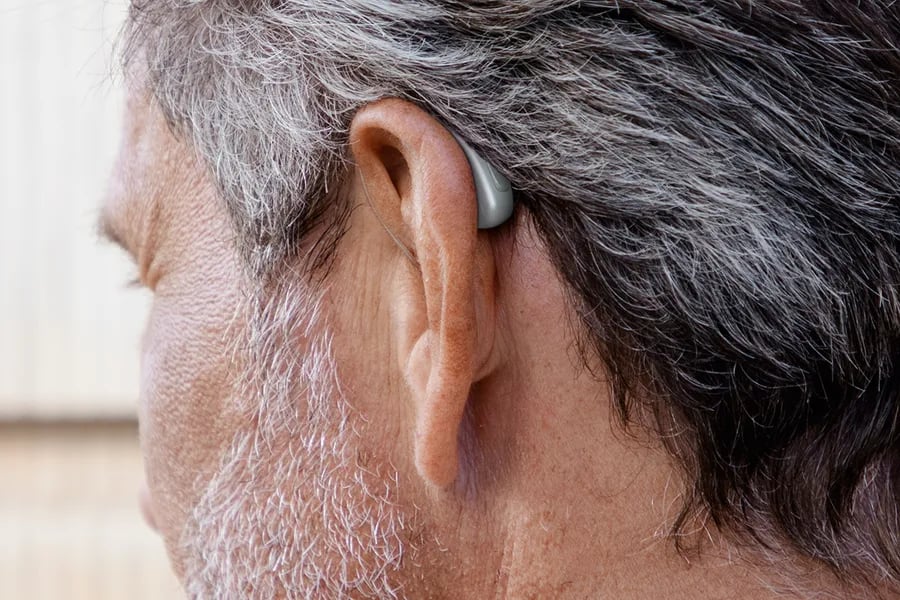
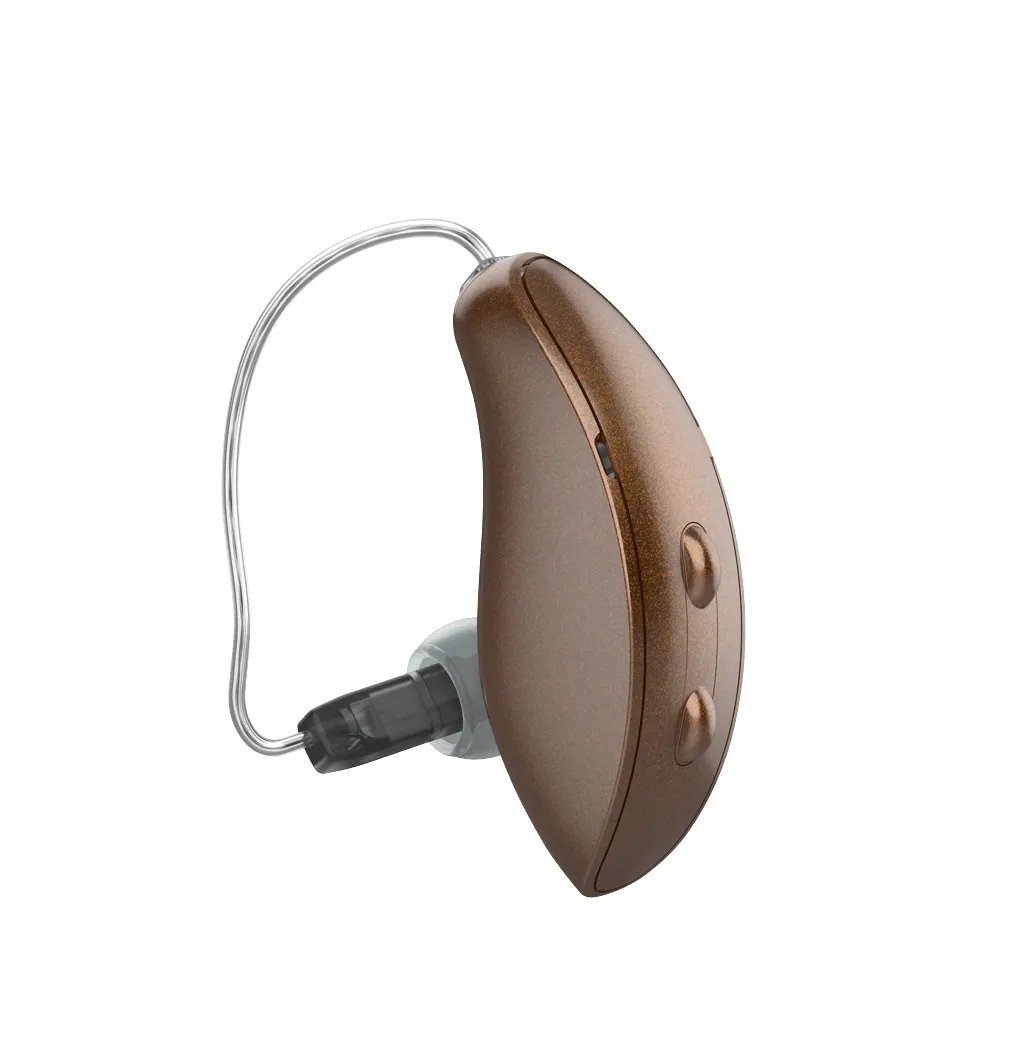
Receiver-in-canal (RIC) devices, currently the most popular style in Australian clinics, feature slim tubes and small behind-the-ear components available in various colours to match hair and skin tones. Completely-in-canal (CIC) and invisible-in-canal (IIC) options sit entirely within the ear canal, genuinely invisible during normal conversation. Many patients report that people notice their hearing aids far less than they notice having to repeat themselves multiple times.
The technology has evolved beyond mere amplification. Contemporary devices distinguish speech from background noise, automatically adjust to different listening environments, stream phone calls and media directly to the ear, and can be controlled discreetly via smartphone apps. These aren’t your grandfather’s hearing aids—they’re precision instruments that leverage the same processing power found in modern smartphones.
Myth 3: If I Really Needed Hearing Aids, My GP Would Have Told Me
This assumption places responsibility for hearing loss detection in the wrong hands. Whilst GPs are essential partners in overall health management, hearing loss often develops gradually, and routine medical check-ups don’t typically include comprehensive hearing assessments. Many people develop coping strategies—lip-reading, positioning themselves strategically in conversations, avoiding noisy environments—that mask the extent of their hearing difficulties during brief clinical interactions.
Australian audiologists use diagnostic tools specifically designed to reveal the nature and degree of hearing loss. Pure-tone audiometry establishes hearing thresholds across frequencies, tympanometry assesses middle ear function, and speech-in-noise testing evaluates real-world listening ability. Real Ear Measurement (REM) ensures that prescribed hearing aids deliver appropriate amplification for each patient’s unique ear canal acoustics—a verification step that confirms devices are actually working as intended, not merely fitting comfortably.
If you’ve noticed difficulty following conversations in restaurants, frequently asking people to repeat themselves, turning up the television volume, or struggling with phone conversations, these warrant a comprehensive hearing assessment regardless of whether your GP has raised concerns. Early intervention consistently produces better outcomes than waiting until hearing loss becomes severe.
Myth 4: Hearing Aids Will Fix Everything Immediately
Whilst hearing aids are highly effective rehabilitation tools, they’re not a simple plug-and-play solution comparable to prescription glasses. The auditory system includes not just the ears but the entire auditory pathway to the brain, where sound processing and interpretation occur. When hearing loss develops gradually, the brain adapts to reduced auditory input, and reintroducing sounds requires neurological readjustment.
New hearing aid users often report that voices sound “tinny” or that environmental sounds seem unnaturally loud initially. This is normal. The brain has been deprived of certain sound frequencies, sometimes for years, and needs time to recalibrate. Most people require several weeks to months of consistent hearing aid use before they sound natural, which is why follow-up appointments are crucial rather than optional.
At our clinics, we schedule multiple adjustment appointments during the acclimatisation period, fine-tuning settings based on patient feedback and real-world experience. We also provide communication strategies training, helping patients and their families optimise conversations. This includes techniques like ensuring good lighting for lip-reading cues, reducing background noise where possible, and speaking clearly without shouting—which actually distorts speech and makes understanding more difficult.
Myth 5: Hearing Aids Are Prohibitively Expensive, So There’s No Point Even Investigating
The cost of hearing aids represents a genuine concern for many Australians, and transparency about pricing remains essential. However, the assumption that hearing aids are universally unaffordable overlooks several realities.
Firstly, hearing aid prices in Australia vary enormously, ranging from approximately $1,000 to over $10,000 per pair depending on technology level, features, and provider. Eligible pensioners and veterans may access devices through the Australian Government Hearing Services Program at little to no cost. Private health insurance extras cover often contribute toward hearing aids, though coverage varies significantly between policies.
Secondly, considering lifetime costs requires a broader perspective. Untreated hearing loss correlates with increased healthcare expenditure, higher rates of hospitalisation, greater risk of falls and injuries, accelerated cognitive decline, and reduced employment participation. Research published in the Medical Journal of Australia has documented associations between untreated hearing loss and dementia risk, social isolation, and depression—all conditions with substantial personal and economic costs.
When evaluating hearing aid investment, consider the total cost of ownership including batteries or charging solutions, maintenance, warranty coverage, and follow-up care. Reputable clinics provide transparent pricing and discuss options across price points, focusing on matching technology to your specific hearing loss, lifestyle needs, and budget rather than pushing premium devices universally.
Measurement verification, instruction on insertion, removal, and maintenance, and scheduling of follow-up adjustments. Most clinics offer trial periods, allowing you to experience devices in real-world situations before committing fully.
Moving Beyond Misconceptions
Hearing loss myths persist partly because hearing impairment remains less visible than other health conditions, and partly because technology and treatment options have evolved dramatically while public perceptions lag behind. Understanding current realities—that hearing loss affects all ages, that modern devices are sophisticated and discreet, that professional assessment is necessary for diagnosis, that adjustment takes time, and that options exist across price points—empowers better decision-making.
The most damaging myth of all might be that hearing loss is simply something to tolerate rather than treat. Contemporary evidence consistently demonstrates that addressing hearing loss improves quality of life, maintains social connections, supports cognitive health, and enhances safety. Seeking assessment isn’t admitting defeat; it’s taking control of your communication and wellbeing.
If you’ve been putting off addressing hearing concerns because of misconceptions, perhaps it’s time to separate fact from fiction with a professional assessment. Your hearing health deserves the same attention you give to your vision, dental health, and overall wellness.