Your hearing aids are doing their job. The Real Ear Measurement says so. The audiogram confirms it. And yet you’re still nodding along at dinner parties, pretending you caught the punchline. You’re not imagining things.
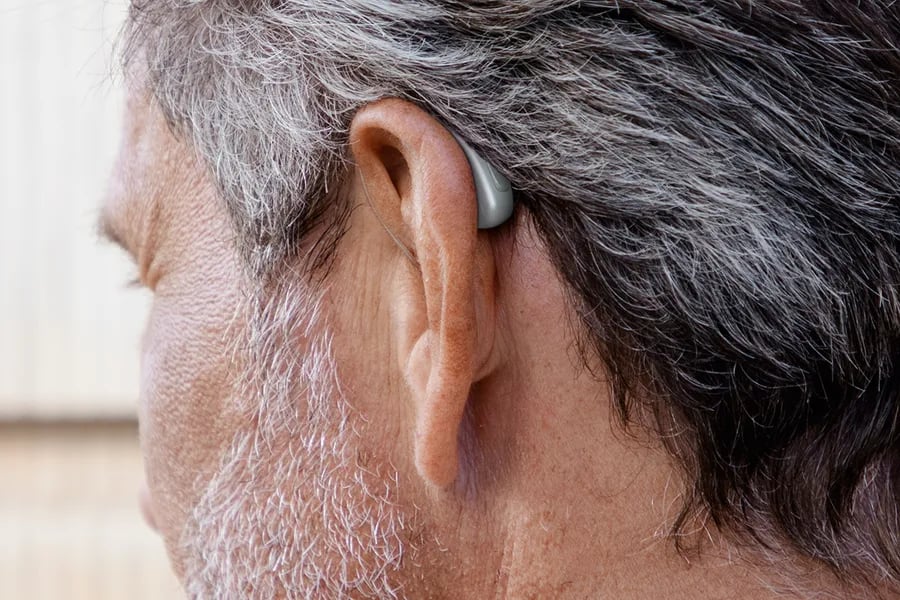
Even the best hearing aids face physical limitations they can’t overcome on their own. Background noise, distance from whoever’s talking, and sound bouncing off hard surfaces all conspire against you. The technology sitting behind your ears wasn’t designed to violate the laws of acoustics. It was designed to amplify what reaches it. And sometimes what reaches it is mostly the clatter of dishes and the drone of air conditioning.
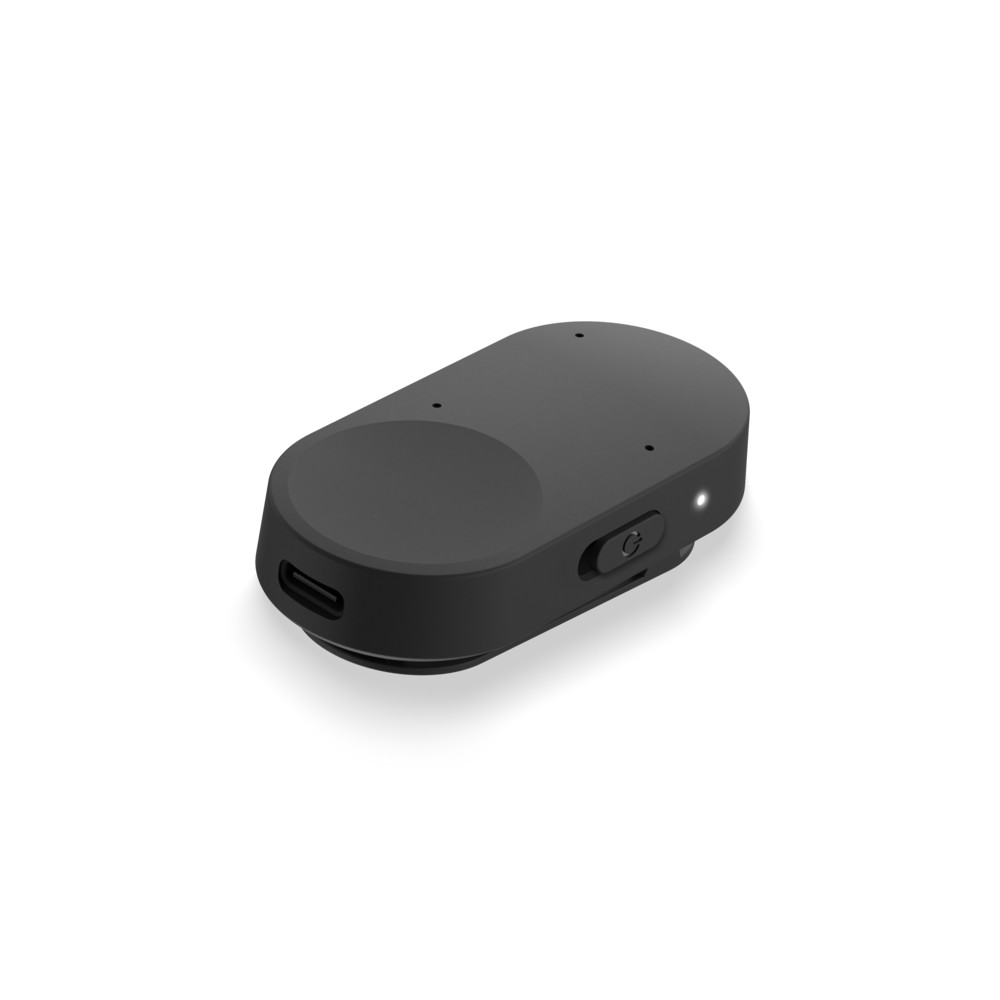
Remote microphones exist because engineers got tired of hearing people say their expensive hearing aids “didn’t work” in restaurants. These wireless devices capture speech right at the source and beam it straight to your ears, skipping all the acoustic nonsense in between.
A quick disclaimer: This is general information, not medical advice. Your audiologist knows your hearing loss, your lifestyle, and which of these gadgets will actually play nicely with your specific hearing aids. Talk to them before buying anything.
The Basic Concept
Picture yourself across a noisy restaurant table from someone you actually want to hear. Your hearing aids are picking up their voice, sure, but also the couple arguing two tables over, the espresso machine, and whatever Top 40 playlist the manager thinks creates “ambience.” Your brain is working overtime trying to extract the signal from the noise.
A remote microphone changes the equation. Clip it to your dinner companion’s collar or set it on the table, and suddenly their voice gets captured centimetres from their mouth instead of metres away. The microphone sends this clean audio directly to your hearing aids via Bluetooth or proprietary wireless. The improvement isn’t subtle. We’re talking 15 to 20 decibels better signal-to-noise ratio, which translates to understanding speech you’d otherwise miss entirely.
Most major hearing aid brands have compatible options, though the wireless protocols vary. Some use standard Bluetooth, others use proprietary systems with names like Roger, AirStream, or 2.4 GHz technology. Your audiologist can tell you what works with your specific devices.
Where They Actually Help
Meetings, Offices, and Other Acoustic Nightmares
Open-plan offices were designed by people who’ve never had to concentrate on anything. Add hearing loss to the mix and you’ve got a recipe for exhaustion. Boardrooms aren’t much better, with their glass walls and hard surfaces bouncing sound everywhere.
A meeting microphone placed in the centre of a conference table picks up whoever’s speaking and sends it to your ears. Research shows speech recognition improvements of 30 to 60 per cent in these environments compared to hearing aids alone. That’s the difference between contributing confidently and nodding along hoping nobody asks your opinion.
For one-on-one conversations or presentations, a clip-on microphone worn by the speaker works even better. Some users keep both types and swap depending on the situation.
Classrooms
Kids with hearing loss face a particular challenge: teachers move around, turn toward the board while talking, and compete with the background rumble of twenty-odd children who haven’t yet learned indoor voices. Even mild ambient noise can tank a child’s ability to follow instructions.
A teacher wearing a remote microphone solves most of this. The child gets consistent, clear speech regardless of where the teacher wanders. Australian schools increasingly support these systems under the NCCD framework, and audiologists can provide documentation for funding applications.
University students and adult learners face similar problems in lecture halls and group tutorials. The same technology helps. Many students report finally being able to take notes without missing half the lecture.
Restaurants and Social Events
Restaurants are acoustically hostile territory. Hard floors, high ceilings, and that inexplicable trend of exposed brick and industrial aesthetics mean sound bounces everywhere. Add cutlery noise, background music, and multiple conversations competing for airspace, and even perfectly fitted hearing aids struggle.
A remote microphone on your dining companion or in the centre of the table won’t eliminate the chaos, but it will make their voice cut through it. Users describe this as transformative. Instead of surviving the meal, they can actually participate in it.
In the Car
Driving presents a specific problem: the person you’re trying to hear is beside or behind you, you can’t watch their lips, and you’ve got engine noise plus road rumble creating a constant low-frequency hum. A clip-on microphone worn by the driver (or passenger, if you’re the one behind the wheel) captures their voice clearly and sends it through the interference.
Couples and families who spend significant time in cars together often find this the single most valuable use case.
Clip-On vs Table: Picking Your Weapon
Remote microphones come in two main flavours, and they’re suited to different situations.
Clip-on microphones (also called lapel or lanyard mics) excel when you’re focused on one speaker. They’re small, discreet, and deliver excellent performance for one-on-one conversations, presentations, or dinner with a partner. Position them about 15 to 20 centimetres below the chin for best results.
Table microphones are built for groups. They use multiple microphones arranged to pick up sound from all directions, with smart processing to prioritise whoever’s currently speaking. These are what you want for meetings, family dinners, or card nights. Many also double as phone streamers, letting you take calls through your hearing aids.
Some people invest in both and switch depending on context. Your audiologist can help figure out which scenarios dominate your life and recommend accordingly.
Making It All Connect
Most modern hearing aids connect to remote microphones via Bluetooth Low Energy or the manufacturer’s proprietary wireless system. Pairing is usually straightforward, but it’s worth having your audiologist demonstrate during a fitting appointment rather than wrestling with instructions at home.
If you plan to use the microphone for multiple purposes (phone calls, video meetings, streaming podcasts), check compatibility with your smartphone operating system and any workplace conferencing tools. Not everything plays nicely together.
Battery life varies from about 6 to 10 hours per charge depending on the model. Some use rechargeable batteries, others take replaceable coin cells. Think about your typical usage and establish a charging routine. Running flat during an important meeting teaches you that lesson exactly once.
Keeping Them Working
These devices are reasonably hardy but not indestructible. Store them in their case when not in use. Keep them away from water (most are splash-resistant, not waterproof). Clean them with a soft dry cloth and check the microphone ports periodically for accumulated gunk. Makeup, dust, and lint can build up and degrade performance.
If pairing stops working, check for firmware updates via the manufacturer’s app. Updates can improve connectivity and occasionally add new features. The Audiology Place supports patients with accessory troubleshooting, either in person or through teleaudiology consultations.
Does This Actually Work? The Numbers
The benefits aren’t just anecdotal. Clinical trials using standardised speech-in-noise tests show measurable improvements in word recognition when remote microphones are added to hearing aids. Some studies found that people using hearing aids plus a remote microphone performed comparably to listeners with normal hearing in the same conditions.
Patient satisfaction surveys consistently show higher ratings and reduced listening fatigue when accessories are used appropriately. For working adults, better communication can translate to career progression, fewer sick days from exhaustion, and improved relationships with colleagues. For children, it supports academic achievement and social inclusion.
Costs typically run between $400 and $800 AUD depending on brand and features. Many private health insurers provide partial rebates under hearing services extras. Some employers fund assistive listening technology as a reasonable workplace adjustment under the Disability Discrimination Act.
The Overlooked Bit: Actually Learning to Use It
Buying a remote microphone and expecting it to work automatically misses a crucial step. Your hearing aids probably have multiple programs, and you need to know how to switch between them quickly. Maybe there’s a button on the device, or an app on your phone. Either way, fumbling with controls while conversation flows past you defeats the purpose.
During your fitting appointment, ask your audiologist to demonstrate mode switching. Practice in the clinic. Then practice at home. Set phone reminders if you need to. Within a couple of weeks, most people find it becomes automatic.
Experiment with microphone placement too. Positioning matters more than you’d expect. For table microphones, moving it slightly toward the person you most need to hear can make a real difference in noisy settings.
Our Approach
At The Audiology Place, we fit all hearing aids to prescriptive targets using Real Ear Measurement. When we introduce remote microphone technology, we re-test using speech-in-noise measures to confirm you’re getting the expected benefit.
We schedule follow-up appointments to review real-world outcomes. If the technology isn’t delivering what we anticipated, we troubleshoot: microphone position, hearing aid program settings, possible wax occlusion or middle ear issues. Something’s causing the problem, and we’ll find it.
We don’t push particular brands. Our recommendations are based on your communication needs, lifestyle, and budget. When multiple options exist, we explain the trade-offs so you can make an informed choice.
When Something Else Is Going On
Remote microphones are remarkably effective for what they’re designed to do. But they’re not a substitute for properly fitted hearing aids, and they definitely aren’t a substitute for medical intervention when needed.
Sudden hearing changes, ear pain, discharge, dizziness, or ringing in one ear warrant prompt assessment from your GP or an ENT specialist. These symptoms may indicate conditions that need medical management, not just better amplification.
If you’re still struggling despite well-fitted hearing aids and appropriate accessories, it might be time to reassess your hearing thresholds (they can change over time) or explore additional support like speech-reading classes, communication partner training, or workplace accommodations.
What To Do From Here
Curious whether a remote microphone would help you? Here’s a practical starting point:
Identify your problem spots. Keep a mental note for a week of where and when you struggle most to hear. Meetings? The car? Thursday night dinners at that place with the concrete floors?
Book a review appointment. Bring your list. Discuss specific scenarios with your audiologist.
Try before you buy. Many clinics, including The Audiology Place, offer loan or trial periods for remote microphones. There’s no point spending money on something that doesn’t solve your particular problems.
Get your people on board. Explain to family, colleagues, or teachers how the technology works and what you need from them. This isn’t complicated, but it does require a few seconds of cooperation from whoever’s wearing the mic.
Practice. Use it regularly until it feels normal. Like most tools, familiarity breeds competence.
Remote microphones won’t fix every listening challenge. But in meetings, classrooms, restaurants, and cars, they deliver improvements that are both measurable in the clinic and meaningful in your life. Combined with properly verified hearing aids and someone who’ll follow up to make sure everything’s working, they represent one of the most useful tools available to people who are tired of pretending they heard the punchline.
___
The Audiology Place is an independent audiology clinic committed to evidence-based care, transparent practices, and patient-centred outcomes. For more information or to book an appointment, visit our website or call us directly.