As a paediatric audiologist, one of the most common concerns I hear from parents is: “My child covers their ears when we go somewhere noisy—should I be worried?” The short answer is, maybe. Sound sensitivity in children is real, and while it can be completely normal in some children, in others, it may point to an underlying hearing or sensory issue that deserves a closer look. In this article, I’ll walk you through what it means when a child is sensitive to loud sounds, how it differs from hearing loss, what behaviours to look for, and how we assess and support children with sound sensitivities here at The Audiology Place.
What Is Sound Sensitivity?
Sound sensitivity refers to an exaggerated or uncomfortable response to everyday sounds that most people find tolerable. This can take many forms. The most common types of sound sensitivity seen in children include:
- Hyperacusis – An increased sensitivity to ordinary environmental sounds, which may seem painfully loud or overwhelming to the child. These are not loud sounds in general—they’re everyday sounds like the vacuum, hand dryers, or a school bell.
- Misophonia – A more specific type of sensitivity where certain trigger sounds (like chewing or breathing) cause intense emotional reactions such as anger, anxiety or distress.
- Sensory Processing Disorder (SPD) – A neurological condition where the brain has difficulty processing and responding to sensory input, including auditory stimuli.
- Auditory Over-Responsiveness (a subtype of SPD) – This is when sounds are perceived as intrusive, frightening, or overwhelming, leading to strong avoidance behaviours.
Importantly, these are not the same as hearing loss. Children with sound sensitivity often have normal or even above-average hearing. The issue lies not in their ears but in how their brain is interpreting and responding to the sounds it hears.
Sound Sensitivity vs Hearing Loss
It’s a common misconception that children who react strongly to noise must have a hearing problem. But sound sensitivity and hearing loss are very different conditions.
In hearing loss, the child does not detect or process specific frequencies or volumes of sound. You may notice they don’t respond to their name, speak more softly than their peers, or have delayed speech and language development.
In contrast, children with sound sensitivity often hear too well. Their ears and auditory nerves work fine, but their brain amplifies sounds or attaches emotional responses to them. These children may complain that everyday noises “hurt” or become distressed in environments that most people would consider normal, like a shopping centre, party or school playground.
That said, the two can overlap. For example, a child might have mild hearing loss in some frequencies, and still be over-responsive to others. Or a child with auditory processing difficulties might miss specific speech cues while simultaneously overreacting to sudden background noise.
This is why a thorough audiological assessment is so critical. It helps us rule out hearing loss and guides us in finding the most appropriate treatment pathway for your child.
Behaviours Parents Might Notice
If your child is sensitive to sound, you might see one or more of the following behaviours:
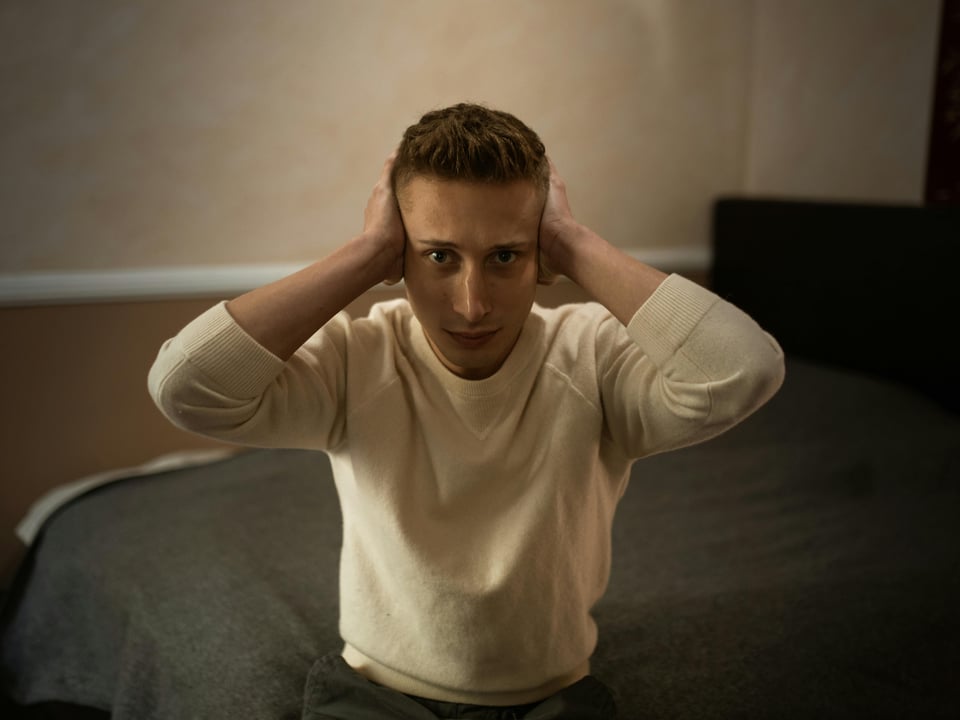
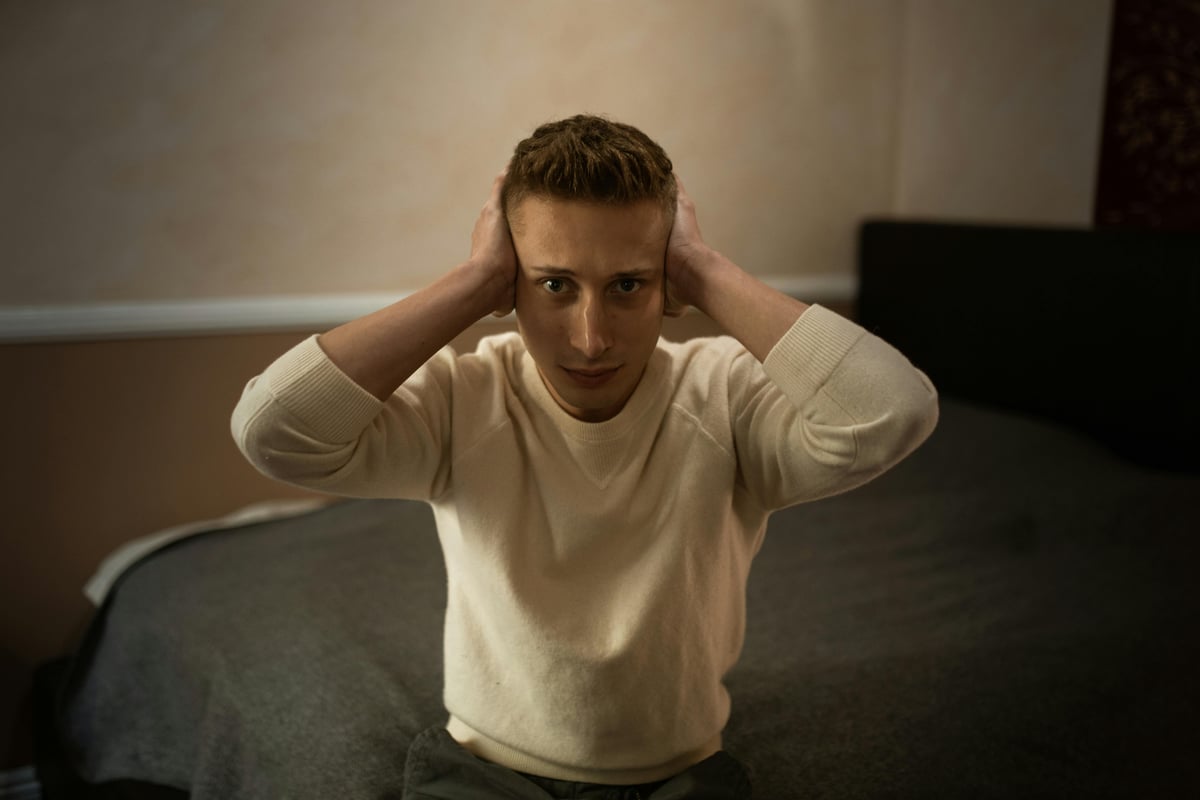
- Covering their ears during routine events (e.g. birthday singing, public toilets, vacuuming)
- Meltdowns or tantrums when exposed to noise
- Avoiding certain places like shopping centres or cinemas
- Complaints of ear pain or “noise hurting my head”
- Trouble concentrating in noisy classrooms
- Fear or anxiety in group settings
- Difficulty with loud hand dryers, sirens or sudden noises
It’s essential to observe the pattern of these behaviours. Are they predictable? Do they happen in specific environments or times of day? Do they seem tied to fatigue, illness or emotional state? Keep a simple journal of when and where it happens—that can be helpful when discussing things with your GP or audiologist.
When to Seek a Hearing Test or Further Evaluation
Not all children who are sensitive to noise need intervention. Some go through short developmental phases where sound is more overwhelming, especially around ages two to five when sensory systems are still developing.
However, you should consider booking a hearing assessment if:
- The sensitivity is ongoing and disrupting daily life
- Your child avoids certain places or activities
- There is concern from teachers or carers
- It is affecting their emotional well-being
- They also have speech, language or learning concerns
- There’s a family history of autism, ADHD or auditory processing disorders
The sooner you investigate the cause, the sooner your child can get support.
How We Assess Sound Sensitivity at The Audiology Place
At The Audiology Place, we take a holistic and child-centred approach. No two children are the same, so no two appointments are either.
First, we’ll take a detailed history, which includes understanding your child’s development, behaviour, family background, and any school feedback. We ask about specific sounds that cause distress and any strategies that have worked at home.
Next, we conduct a comprehensive hearing assessment. This includes:
- Otoacoustic Emissions (OAEs) to assess cochlear (inner ear) function
- Tympanometry to check for middle ear fluid (which can be common in younger kids)
- Pure tone audiometry (via headphones or play-based testing, depending on age)
- Speech discrimination tests, including speech in noise when appropriate
- In some cases, we may also conduct loudness discomfort level testing, though this is used cautiously with young or anxious children
We also collaborate with other professionals where needed, including GPs, paediatricians, speech therapists, psychologists or occupational therapists.
Associated Conditions
Sound sensitivity can occur in isolation, but is often linked to other developmental or neurological conditions, including:
- Autism Spectrum Disorder (ASD) – Sensory processing issues, including sound, are common features of ASD.
- Anxiety disorders – Children with generalised anxiety may be more hyper-alert to their surroundings, including sound.
- Auditory Processing Disorder (APD) – Difficulty processing sound in noisy environments may appear like sound sensitivity.
- ADHD – Children may struggle to filter out background noise, which can lead to overwhelm.
Recognising and supporting these issues early is key to improving long-term outcomes.
Tips for Managing Noisy Environments
Whether your child has a formal diagnosis or shows mild sensitivities, there are simple strategies you can use:
At Home:
- Warn your child before loud sounds happen (e.g. “I’m going to vacuum now”)
- Provide quiet spaces for recovery
- Use noise-cancelling headphones for stressful situations
- Lower the volume of background noise when possible (TV, radio, appliances)
At School:
- Speak with teachers about your child’s triggers
- Request a calm corner or noise-reducing headphones for assemblies
- Seat them away from noisy areas like windows or fans
- Keep routines predictable to reduce anxiety
Out and About:
- Avoid peak times in noisy places
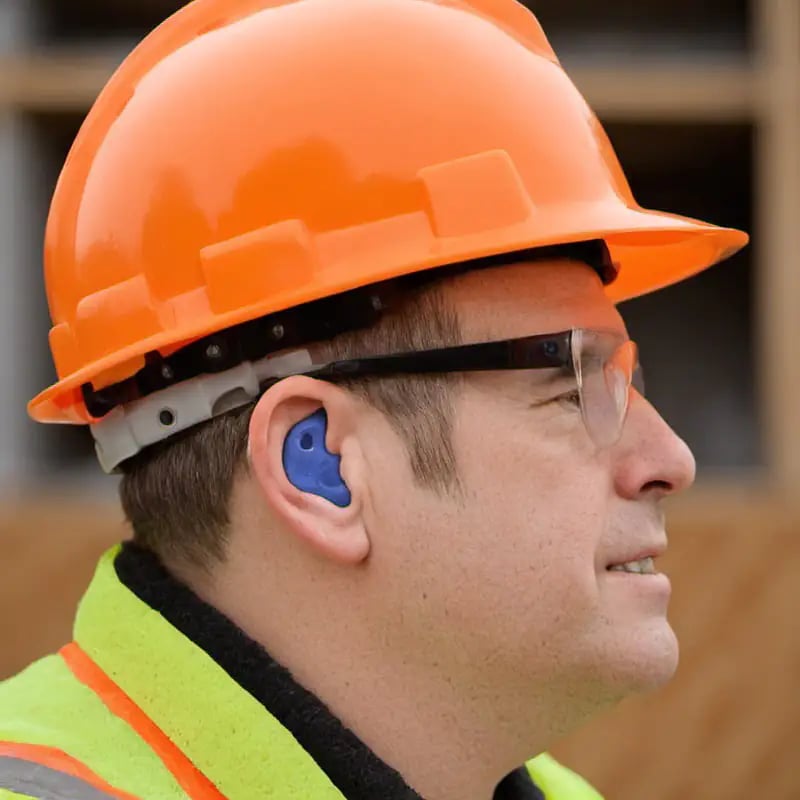
- Use headphones or earplugs for outings like movies or public toilets
- Prepare them with social stories or visual schedules
If your child seems overly sensitive to sound, you’re not alone—and you’re not imagining it. Children often can’t articulate what they’re feeling, so they show us through behaviour. At The Audiology Place, we believe in listening closely to those behaviours and providing evidence-based, compassionate support.
With the right approach, many children grow more tolerant of sound over time. But even if they don’t, learning to manage sound sensitivity can help them participate more fully in family life, learning and play. If you’re concerned, book a consultation—we’re here to help your child hear and feel their best.