
If you’ve recently been told you need hearing aids, one of your first questions is likely: “How much is this going to cost me?” It’s a fair question, and unfortunately, one that doesn’t always receive a straightforward answer. The Australian hearing aid market can feel opaque, with pricing that varies dramatically between clinics and manufacturers, and funding pathways that aren’t always clearly explained.
In this comprehensive guide, we’ll break down exactly what you can expect to pay for hearing aids in Australia in 2025, explain why prices vary so significantly, outline the funding options available to you, and help you understand what represents genuine value versus inflated costs.
Understanding the Price Ranges: What Will You Actually Pay?
Let’s start with the numbers. When purchasing hearing aids privately in Australia, you’re typically looking at costs per pair that fall into three broad categories:
Entry-level hearing aids generally range from $1,500 to $2,500 per pair. These devices provide essential amplification and typically include basic noise reduction, directional microphones, and multiple listening programmes. They’re often suitable for quieter lifestyles with limited background noise exposure, and represent a solid option for those with straightforward hearing loss patterns and budget constraints.
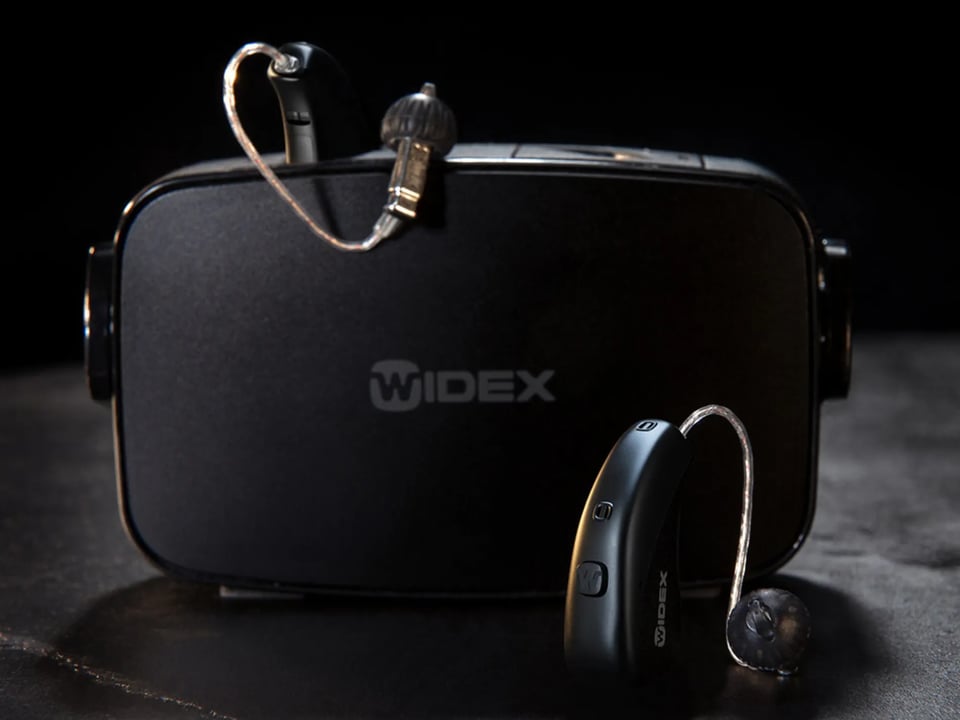
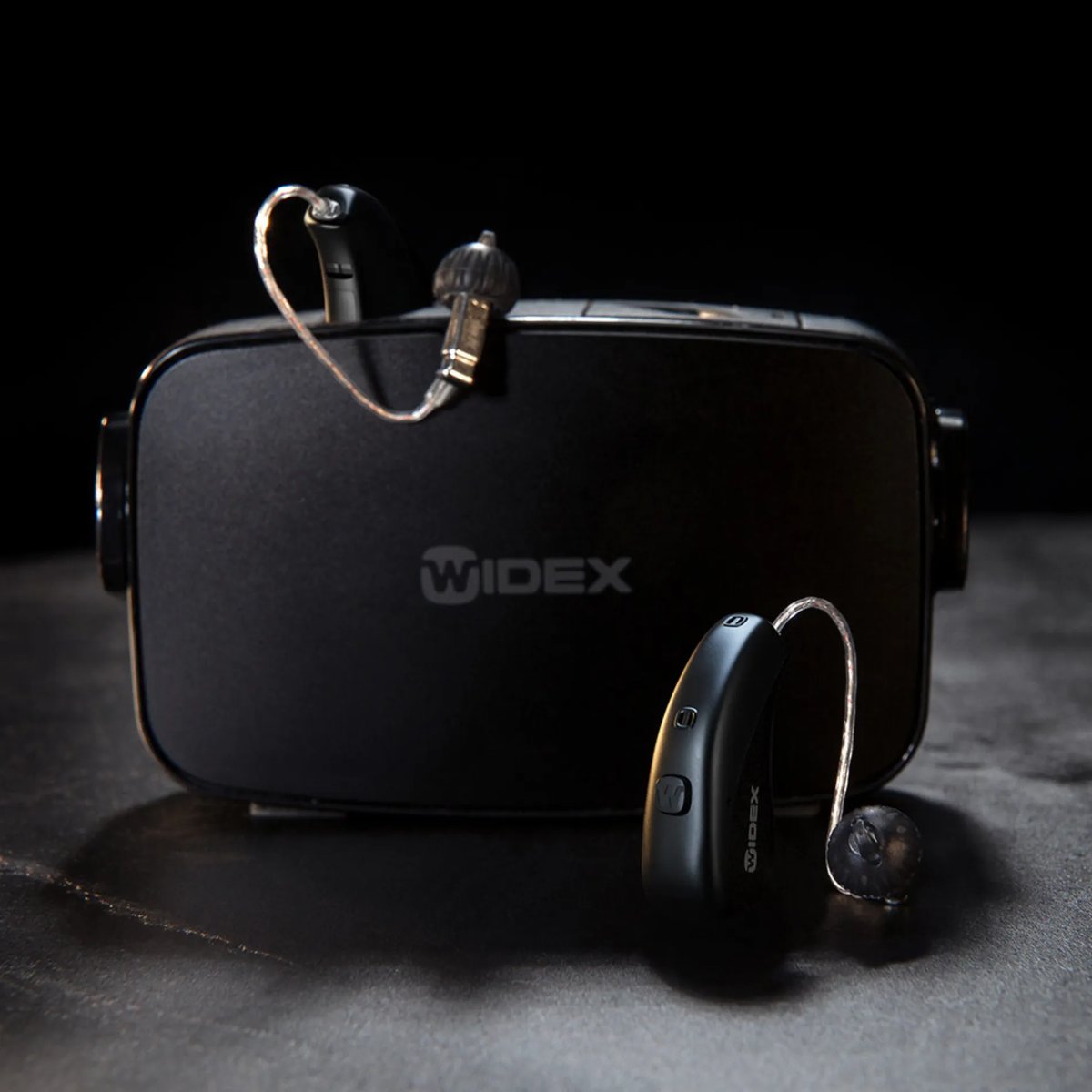
Mid-range hearing aids sit between $2,500 and $4,500 per pair. This category offers significantly improved sound processing, better speech clarity in moderately noisy environments, wireless connectivity to smartphones and televisions, and more sophisticated automatic adjustments. Most Australians who purchase hearing aids privately end up in this range, as the technology offers a meaningful step up in everyday functionality without the premium price tag.
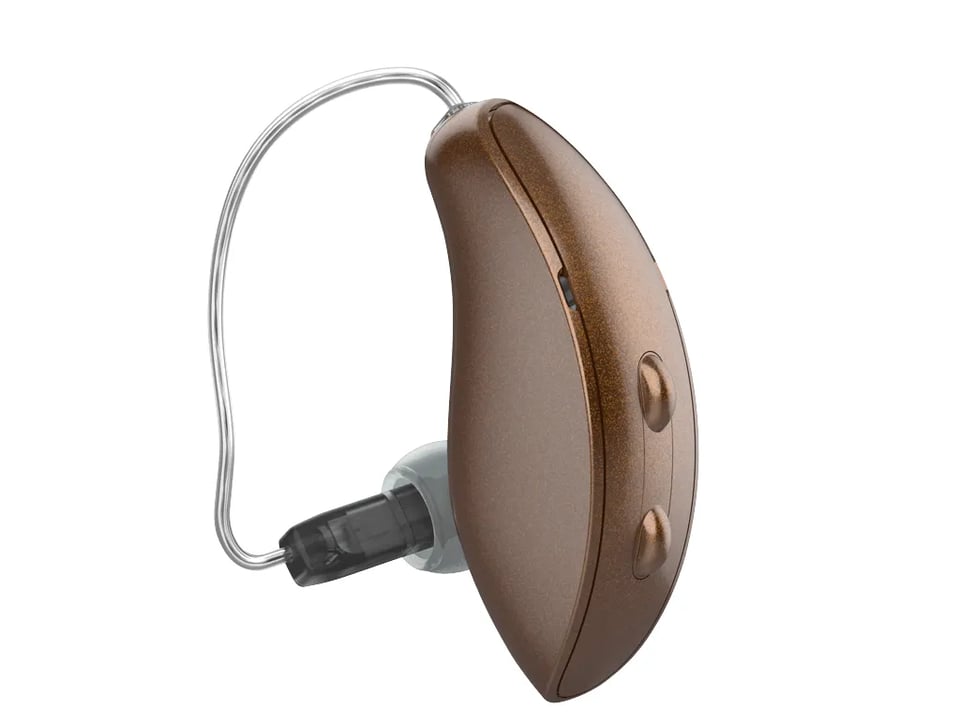
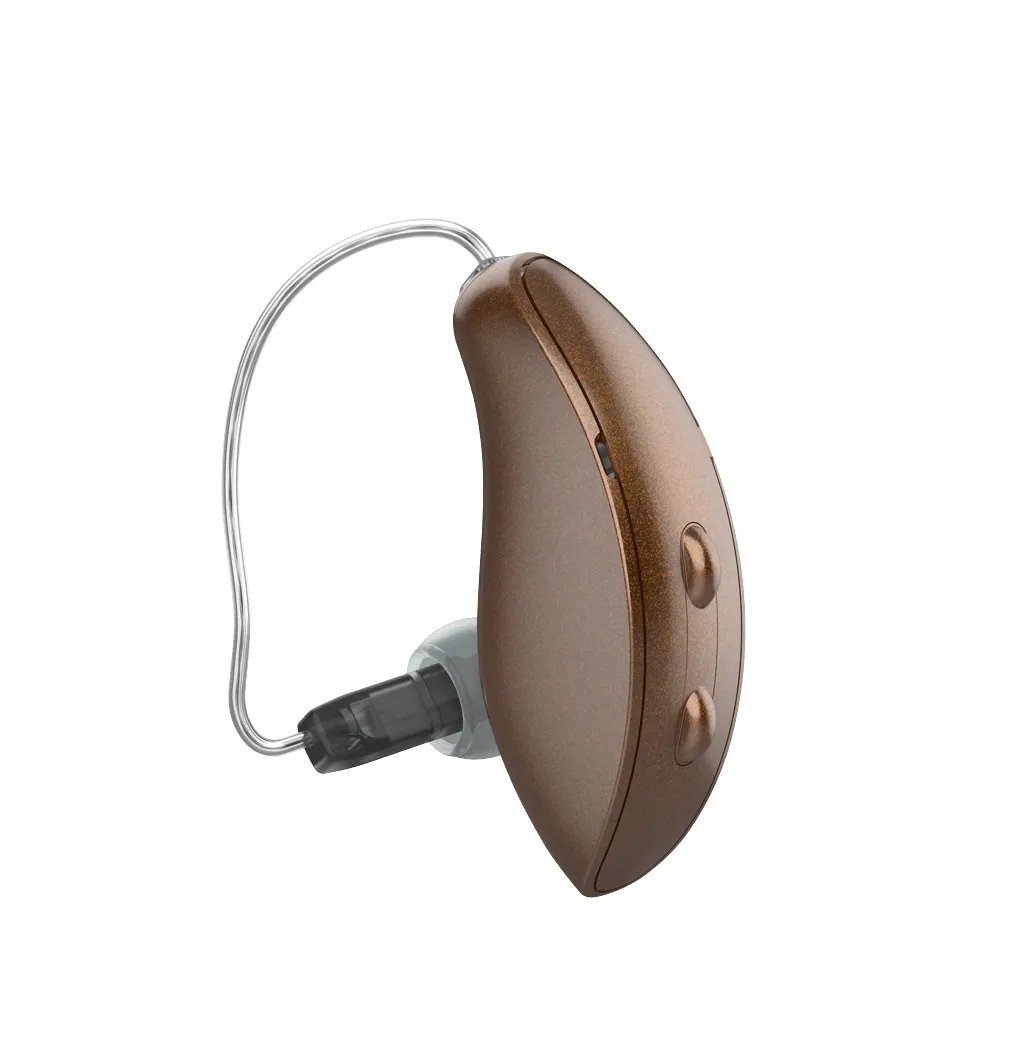
Premium hearing aids start at around $4,500 and can exceed $7,000 per pair. These devices feature the most advanced processing chips, exceptional performance in challenging acoustic environments, artificial intelligence-driven adjustments, superior wireless streaming quality, and often the smallest or most discreet designs. They’re typically recommended for people with complex hearing loss, those who regularly find themselves in demanding listening situations, or individuals who simply want the best available technology.
It’s crucial to understand that these prices typically include not just the physical devices, but also fitting appointments, initial programming using real-ear measurement (a verification technique that ensures your hearing aids are providing the correct amplification for your specific ear canal acoustics), follow-up adjustments, and varying periods of aftercare. This bundled pricing model is standard across most Australian audiology clinics, though unbundled options are increasingly available.
Why Do Hearing Aid Prices Vary So Much?
The variation in hearing aid prices can feel bewildering, but several legitimate factors contribute to the range you’ll encounter.
The most significant factor is the **technology level itself**. Just as smartphones vary in processing power and features, hearing aids span a considerable technological spectrum. A premium device might have 20 or more channels for frequency-specific adjustment, whilst an entry-level aid might have just 4-6 channels. Premium aids process sound faster, adapt more intelligently to your environment, and provide more natural sound quality—all of which comes at a research and development cost.
The distinction between bundled and unbundled pricing is particularly important to understand. Bundled pricing includes the cost of ongoing care—appointments, adjustments, cleaning, and support—often for the life of the hearing aids or a specified period (commonly three to five years). Unbundled pricing separates the device cost from service fees, which might initially appear cheaper but could cost more over time if you require regular adjustments. For most people, particularly those new to hearing aids, bundled pricing offers better value and peace of mind.
Manufacturer positioning plays a role as well. Some manufacturers position themselves as premium brands and price accordingly, whilst others focus on value propositions. Independent clinics like ours can offer a broader range of manufacturer options, which typically results in more competitive pricing than corporate chains tied to specific brands.
Private Health Insurance: What Can You Actually Claim?
If you have private health insurance with extras cover that includes hearing aids, you may be eligible for a rebate. The amount varies considerably depending on your level of cover and insurer, but typically ranges from $500 to $1,500 per person, per benefit period (usually every three to five years).
It’s worth noting that some policies have waiting periods of six or twelve months before you can claim for hearing aids, so if you’re considering upgrading your cover specifically for this benefit, factor that delay into your planning. The rebate applies to the device cost, and most insurers require a prescription or recommendation from an audiologist or medical practitioner.
When comparing policies, look beyond just the rebate amount. Consider the waiting period, the frequency with which you can claim, and whether there are any restrictions on provider (some insurers have preferred provider arrangements). At The Audiology Place, we’re registered with all major health funds and can process your claim directly, minimising the out-of-pocket expense you’ll need to pay upfront.
Government Funding: The Hearing Services Programme
For eligible Australians, the Hearing Services Programme (HSP), administered by the Department of Health and Aged Care, can significantly reduce or entirely eliminate hearing aid costs. Eligibility extends to pensioners, veterans, those receiving certain Centrelink benefits, and members of the Australian Defence Force.
If you’re eligible for the HSP, you can receive fully subsidised basic hearing aids—these are entry to mid-level devices the Australian Government pays for in full. The programme covers assessment, fitting and adjustments, and ongoing maintenance is available for a small annual fee. Conditions apply under the Australian Government Hearing Services Program. Importantly, the HSP operates on a voucher system, and you can use your voucher at any HSP-registered provider, giving you genuine choice about where you receive care.
For those who want technology beyond what’s fully covered, the HSP also contributes towards upgraded devices. In this scenario, you’d pay the difference between the HSP contribution (which varies depending on the type and complexity of the hearing aid required) and the retail price of your chosen device. This top-up arrangement allows eligible individuals to access premium technology at a substantially reduced cost.
Veterans with service-related hearing loss may have additional entitlements through the Department of Veterans’ Affairs, which can cover the full cost of even premium devices if clinically justified. If you have a Gold Card, your hearing healthcare is fully covered.
The Hidden Costs: What Else Should You Budget For?
When calculating the true cost of hearing aids, it’s important to consider ongoing expenses beyond the initial purchase.
Battery costs are the most common ongoing expense if you choose hearing aids with disposable batteries. Depending on your device’s battery size, how many hours per day you wear your aids, and the specific power requirements of your technology, you might spend $50 to $100 per year on batteries. Rechargeable hearing aids eliminate this cost but typically add $200-400 to the upfront price—an investment that usually pays for itself within a few years.
Price alone doesn’t determine value. The cheapest hearing aids might seem appealing, but if they don’t address your specific hearing loss pattern, don’t perform well in the environments you regularly encounter, or lack essential features for your lifestyle, they represent poor value regardless of cost.
Genuine value comes from the intersection of appropriate technology, quality care, and fair pricing. This means:
**Technology matched to your needs**: An active professional who regularly attends meetings in noisy environments has different requirements than someone who primarily wants to hear better at home. Your audiologist should conduct a thorough needs assessment and recommend technology accordingly, not push the most expensive option.
**Evidence-based fitting**: Your hearing aids should be programmed using real-ear measurement, a verification technique that objectively confirms the devices are providing the correct amplification across frequencies. This isn’t a premium add-on—it’s the standard of care recommended by audiological best practice guidelines, yet surprisingly, not all clinics routinely perform it.
**Comprehensive aftercare**: The relationship with your audiologist doesn’t end when you walk out with new hearing aids. Quality care includes follow-up appointments, adjustments as you adapt, troubleshooting support, and regular hearing reviews. Clarify exactly what’s included in your package and for how long.
**Transparent pricing**: You should receive a clear, itemised quote that explains what you’re paying for. Be wary of pressure tactics, time-limited “special offers,” or reluctance to provide written quotes. At The Audiology Place, we provide transparent pricing because we believe you deserve to make informed decisions without sales pressure.
Practical Steps: Making Your Decision
When you’re ready to explore hearing aids, consider this approach:
Start by having your hearing professionally assessed by an audiologist. This comprehensive evaluation goes beyond a simple hearing test to examine the nature of your hearing loss, your speech understanding ability (particularly in background noise), and your ear health. This assessment determines not just whether you need hearing aids, but what type and technology level will genuinely benefit you.
Discuss your lifestyle, listening priorities, and budget openly with your audiologist. The more information you provide about where you struggle to hear, what situations are most important to you, and what you can realistically afford, the better your audiologist can match you with appropriate options.
Request demonstrations of different technology levels in the clinic. Many practices, including The Audiology Place, can programme demonstration hearing aids to approximate your hearing loss, allowing you to experience the difference between technology tiers before committing financially.
Explore all available funding options. Check your private health extras cover, verify whether you’re eligible for the HSP, and for veterans, investigate DVA entitlements. Your audiologist should be able to help you navigate these pathways.
Finally, ask about trial periods. Reputable clinics offer trial periods (typically 30-60 days) during which you can return or exchange your hearing aids if they’re not meeting your expectations. This isn’t just good customer service—it’s a sign of a clinic’s confidence in their fitting process and their commitment to your satisfaction.
A Final Note on Value and Investment
Hearing aids represent a significant investment, there’s no denying it. But it’s worth contextualising that investment against both the cost of untreated hearing loss and the expected lifespan of your devices.
Research consistently demonstrates that untreated hearing loss is associated with social isolation, accelerated cognitive decline, increased fall risk, and reduced quality of life. The economic and personal costs of these outcomes are substantial. Quality hearing aids, properly fitted and supported, typically last five to seven years, which means even premium devices cost roughly $2-3 per day over their lifespan—comparable to a daily coffee.
This isn’t to minimise the very real challenge of affording hearing healthcare, particularly for those on fixed incomes. It’s why funding programmes like the HSP exist, and why private health insurance coverage matters. But it does provide perspective on the value proposition when considering which technology level meets your needs.
At The Audiology Place, our independence from manufacturer incentives means we can genuinely recommend the best solution for your circumstances without hidden agendas. We believe in transparent pricing, evidence-based care, and taking the time to ensure you understand not just what you’re paying, but what you’re receiving in return.